You have probably seen those world maps with neat arrows showing early humans sweeping out of Africa like it was one clean, confident road trip. The reality is far messier, more surprising, and honestly, much more interesting. When you look at the science today, you find not one single story, but a bundle of theories that all try to explain how your distant ancestors wandered, stumbled, adapted, and sometimes barely survived their way across the planet.
As you read through these ten theories, you will notice a theme: uncertainty is not a weakness in this story, it is the main character. You are looking at clues scattered in bones, stones, genes, and coastlines that no longer exist. Some theories fit together, some compete, and some may later turn out to be wrong. But taken as a whole, they let you imagine where you would have stood if you had been one of those first travelers, staring toward a horizon no one from your species had ever crossed before.
1. The Out of Africa Backbone Theory
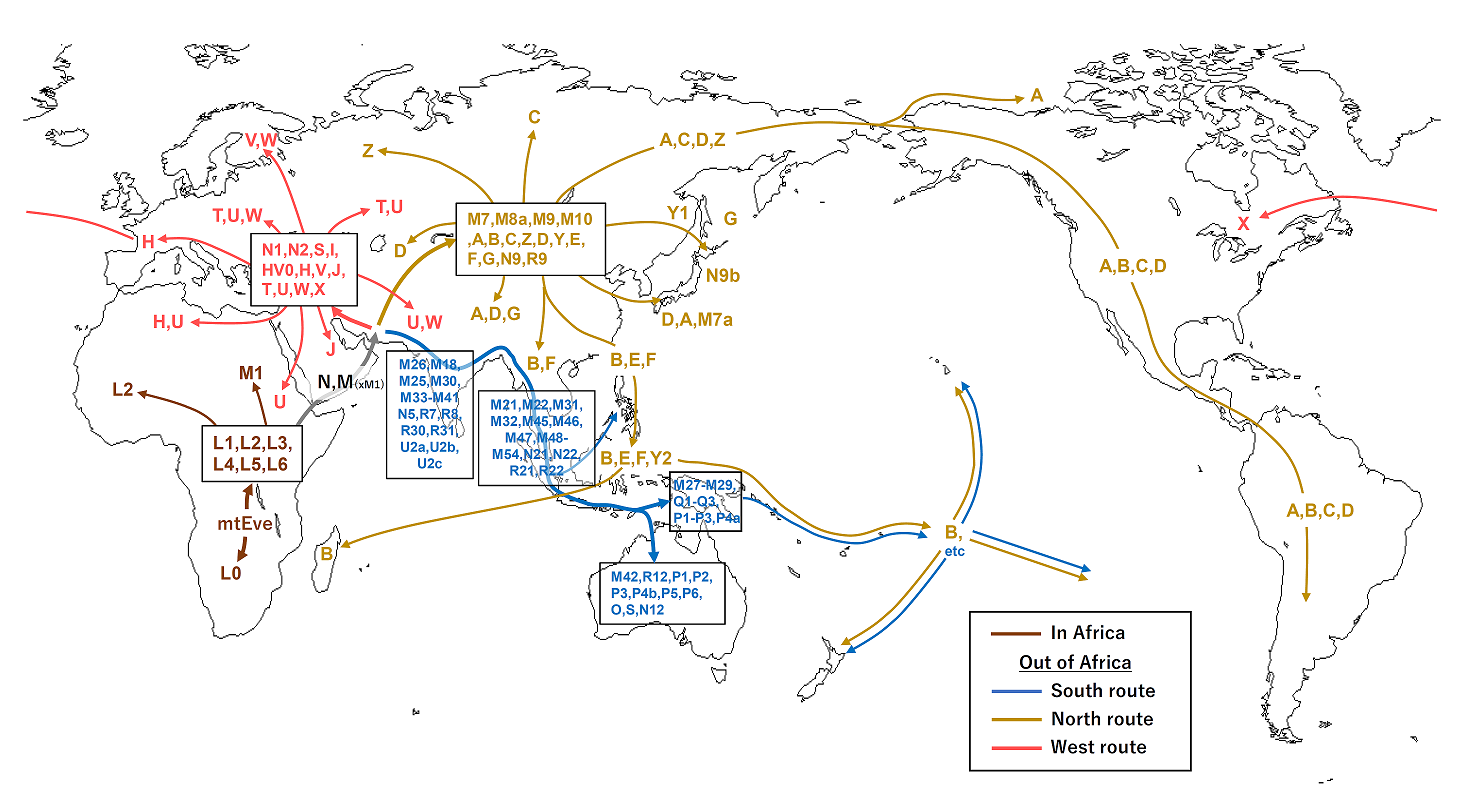
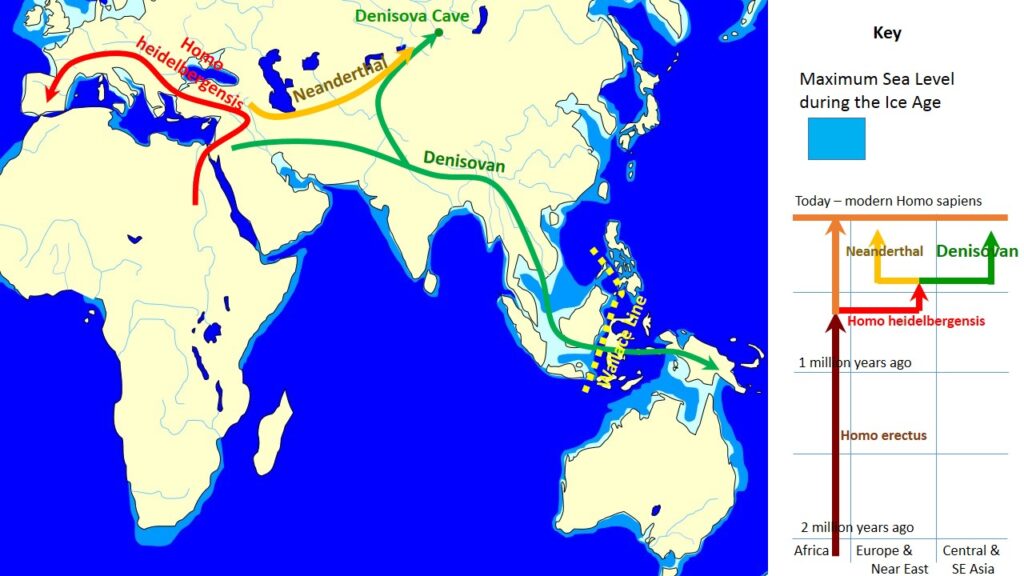
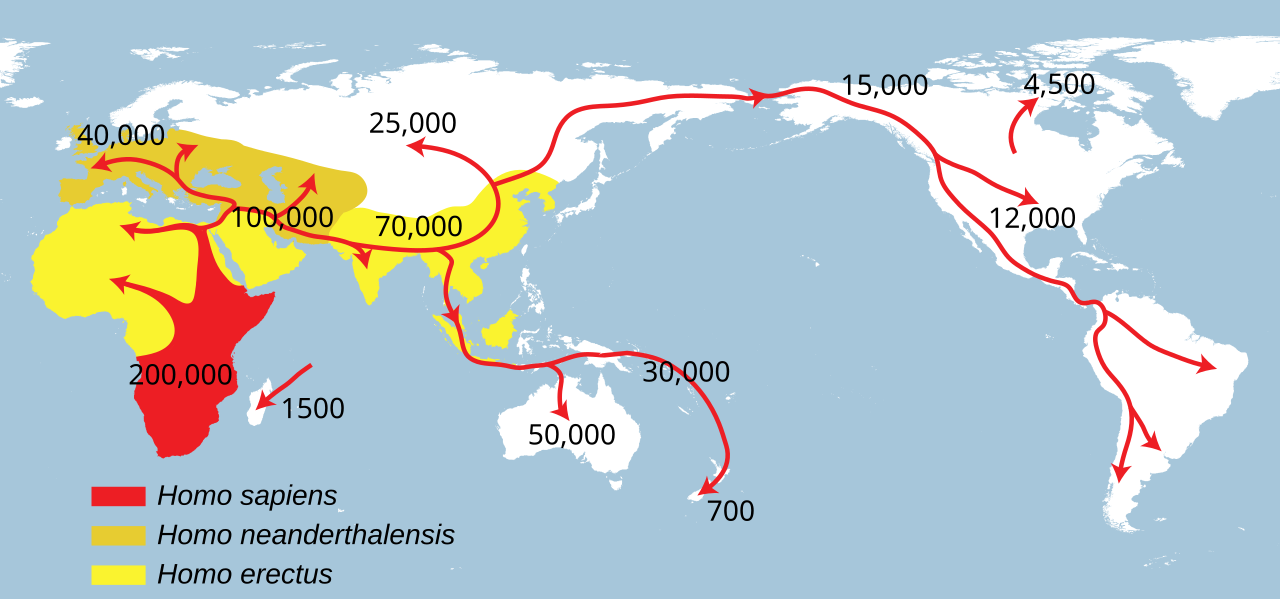
If you want one big framework for human journeys, you usually start with what researchers often call the Out of Africa model. In simple terms, this idea says that your species, Homo sapiens, evolved in Africa and then spread outward in waves, replacing or absorbing other human groups along the way. You can think of Africa here as your original home base, the place where your family story really takes shape before it branches into countless directions.
When you look at genetics, you see that modern humans outside Africa share a subset of the diversity you still find within African populations, like copying just a few chapters from a much longer book. That pattern strongly suggests a common origin. Fossil evidence also backs this up, showing early modern humans first in Africa and then appearing later in the Middle East, Asia, and beyond. So when you hear about other theories, you can often imagine them as variations on this core idea, adding side routes rather than replacing the main road.
2. Multiple Waves, Not One Grand Exodus
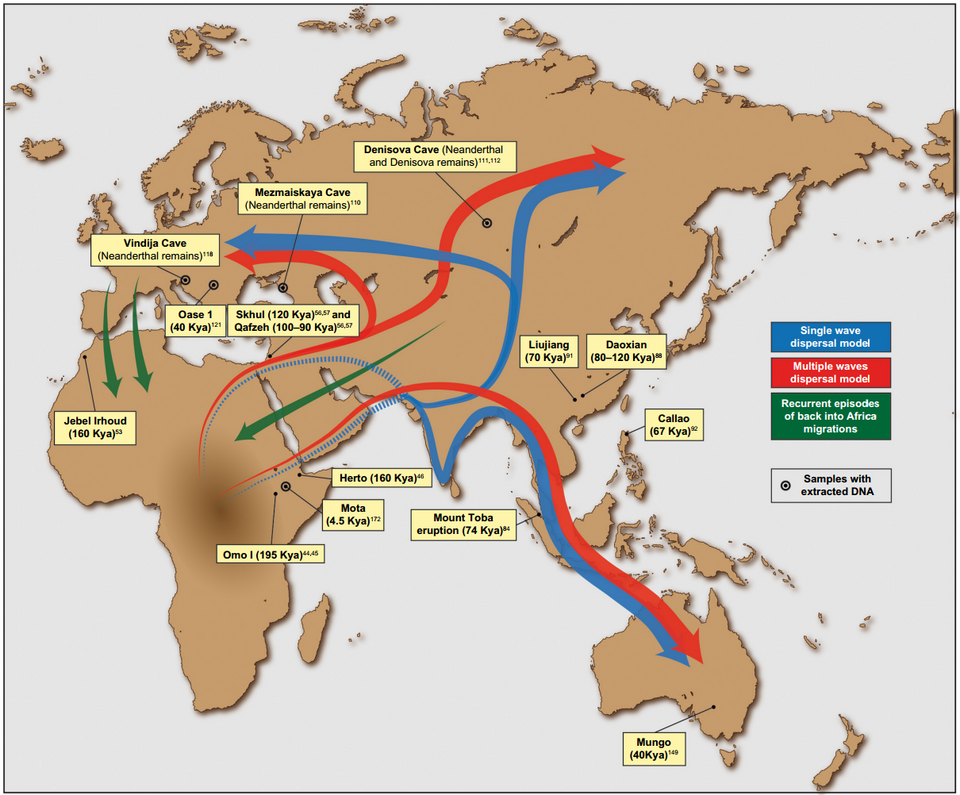
You might picture a single great migration out of Africa, but the evidence nudges you toward a different picture: several waves, separated by thousands of years. Early humans appear to have left Africa more than once, sometimes making it into regions like the Levant or Arabia and then being pushed back or dying out when climates shifted. You can imagine these early journeys as test runs, with some groups venturing out in good times and vanishing when the environment turned harsh again.
The genetic patterns you see in different populations hint that later waves of humans overlapped with, and sometimes replaced, earlier ones. That means your ancestry is more like braided rivers than a single stream. You are not looking at a clean, linear march across continents; you are looking at repeated attempts, back-and-forth movements, and scattered small populations leaving faint traces. This theory tells you that being human has always included trial, error, and trying again under new conditions.
3. The Southern Coastal Route Into Asia
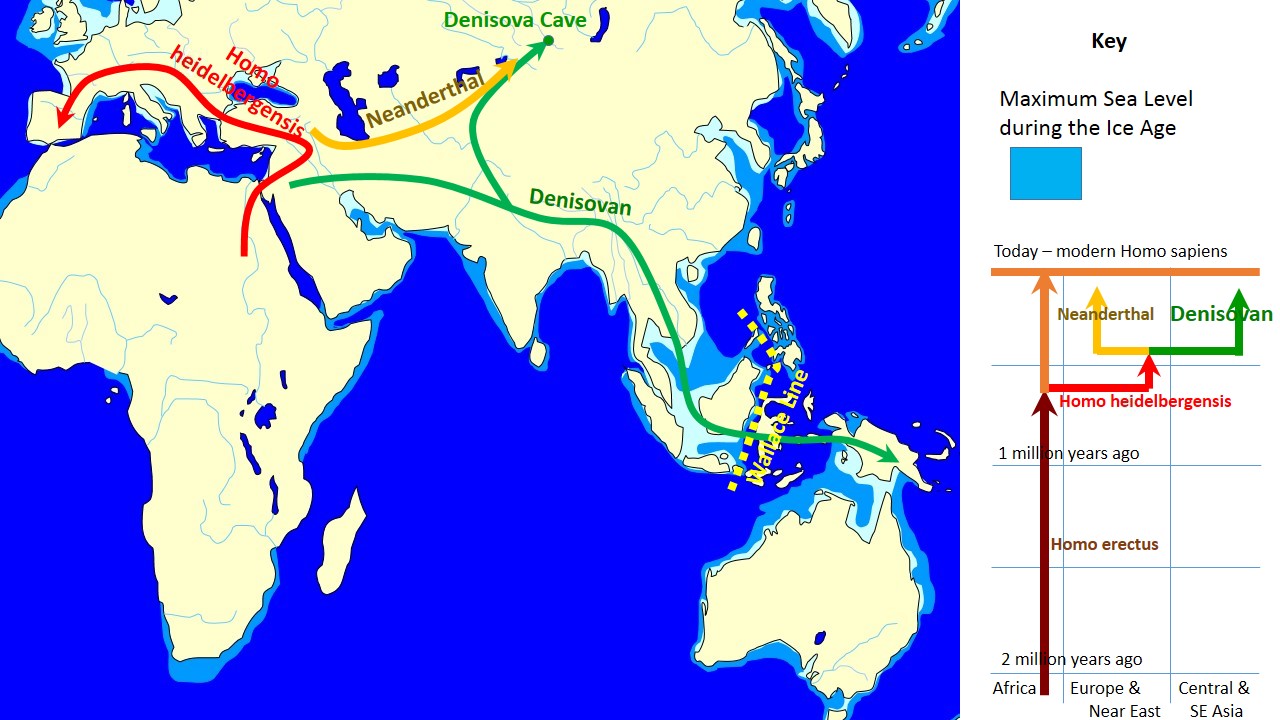
When you imagine early humans moving into Asia, you might picture them following inland river valleys, but another strong idea says many of them hugged the coasts instead. In this coastal route theory, your ancestors left Africa near the Red Sea, possibly crossing a much narrower waterway during times of low sea level, then followed the shorelines of the Arabian Peninsula, India, and Southeast Asia. For you, the coast would have been a kind of survival buffet: fish, shellfish, sea birds, and plant life all packed near the water’s edge.
This theory helps explain how humans could reach distant regions surprisingly quickly, because coastal travel often gives you a predictable path and steady resources. It also fits with the fact that some of the earliest known sites in South and Southeast Asia appear relatively early in the timeline. The catch for you, as a modern observer, is that many of those ancient shorelines are now underwater, so you are left trying to reconstruct a journey from coastlines that largely drowned when the last ice age ended.
4. The Inland Corridor Across the Middle East
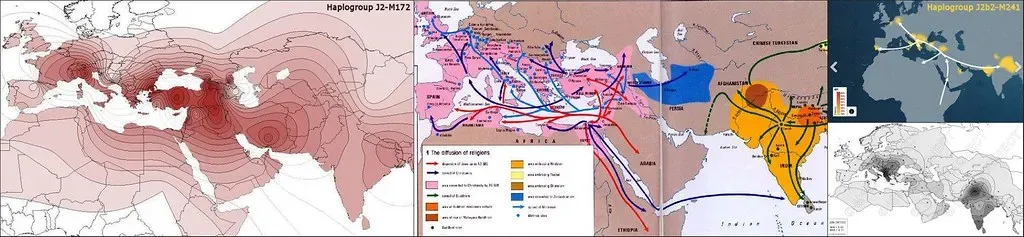
Not all early journeys likely followed the sea. Another major route takes you through a greener, wetter version of what you might now think of as harsh deserts. When climates were different, parts of North Africa and the Arabian Peninsula held lakes, rivers, and grasslands. In these periods, your ancestors could have walked out of northeastern Africa into the Levant and beyond, following freshwater and game animals in an inland corridor that would look nothing like the modern maps you know today.
Stone tools and fossils from the Levant show early modern humans appearing there over a hundred thousand years ago, long before later, larger migrations. If you had been alive then, you might have seen humans moving in and out of that corridor as climates shifted, retreating back into Africa when droughts intensified and pushing northward when conditions improved. This theory reminds you that to understand any ancient path, you have to mentally repaint the climate and landscape, because the world your ancestors walked through does not match the world you see now.
5. Island Hopping and Early Sea Crossings
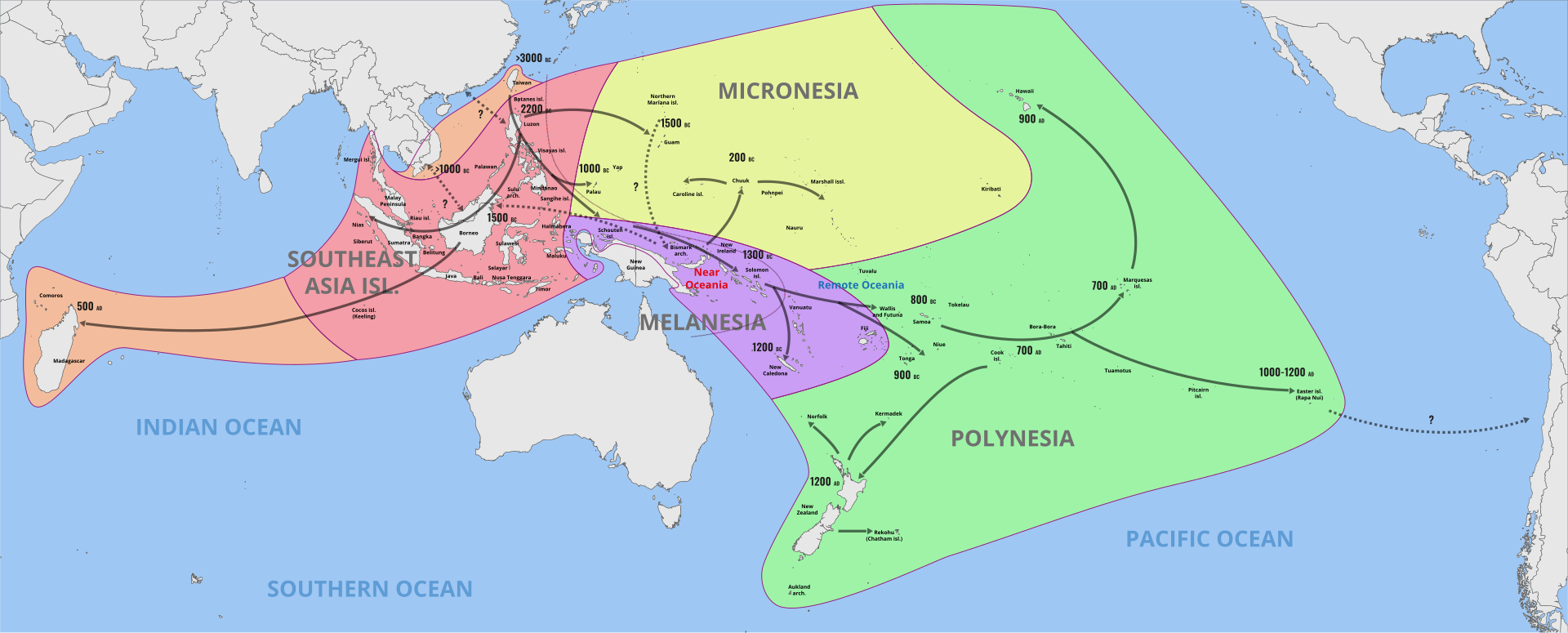
You might assume that your ancestors only started crossing open water recently, but the evidence forces you to widen your imagination. Some early humans and related species seem to have reached islands that were never fully connected to the mainland, which strongly hints at some form of water crossing, even if very simple. For you, that could mean rafts, dugout logs, or just opportunistic drifting on storm-tossed vegetation, but either way, it suggests a willingness to push beyond the visible shoreline.
When you look at places like Southeast Asia and the islands between Asia and Australia, you see humans appearing earlier than you might expect if they only walked. That pattern supports a theory that part of the first great human journeys involved island hopping: moving from one landmass to the next when sea levels were low and distances were shorter, but still significant. If you imagine yourself on one of those journeys, you are not just a land-bound wanderer; you are already flirting with the edges of seafaring, trusting flimsy craft or risky crossings to carry you into the unknown.
6. The Peopling of Australia by Early Seafarers
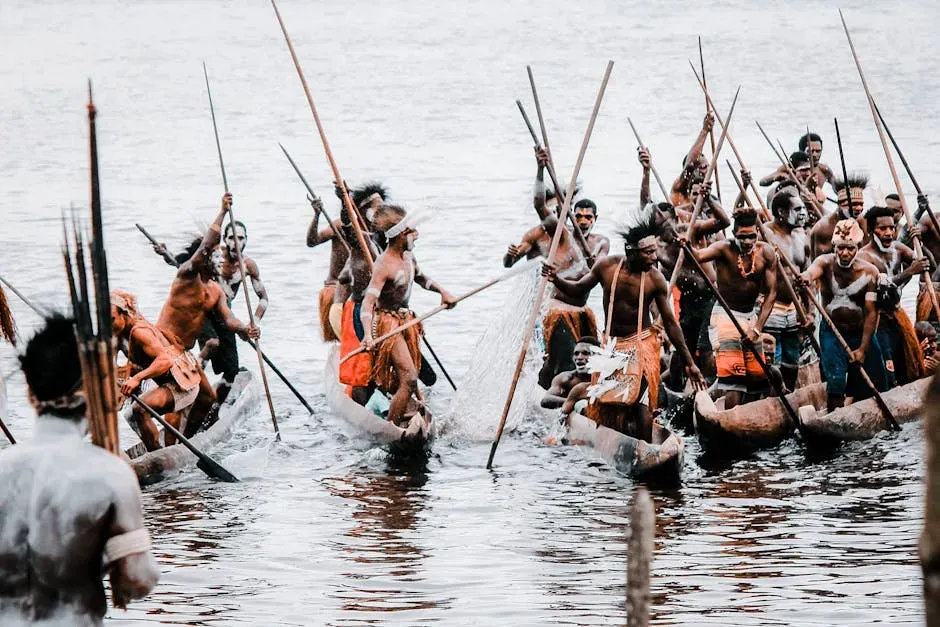
One of the most striking early journeys you can picture is the move into what is now Australia. Even at the lowest sea levels, that continent was never completely attached to mainland Asia, so reaching it required crossing stretches of open water. The people who made that journey did so tens of thousands of years ago, long before written history, leaving you to imagine what it took for small groups to set off toward a horizon where they could not see the land they were aiming for.
Archaeological sites in Australia show a deep human presence, meaning those first arrivals adapted quickly to new environments, from coastal zones to interior deserts. For you, this journey stands as a powerful argument that early humans were not timid drifters; they were innovators willing to experiment with boats or rafts and to plan for group movements across risky channels. When you think about the courage involved in that first crossing, the modern fear of a long flight suddenly feels a lot less dramatic.
7. Crossing into the Americas via Beringia
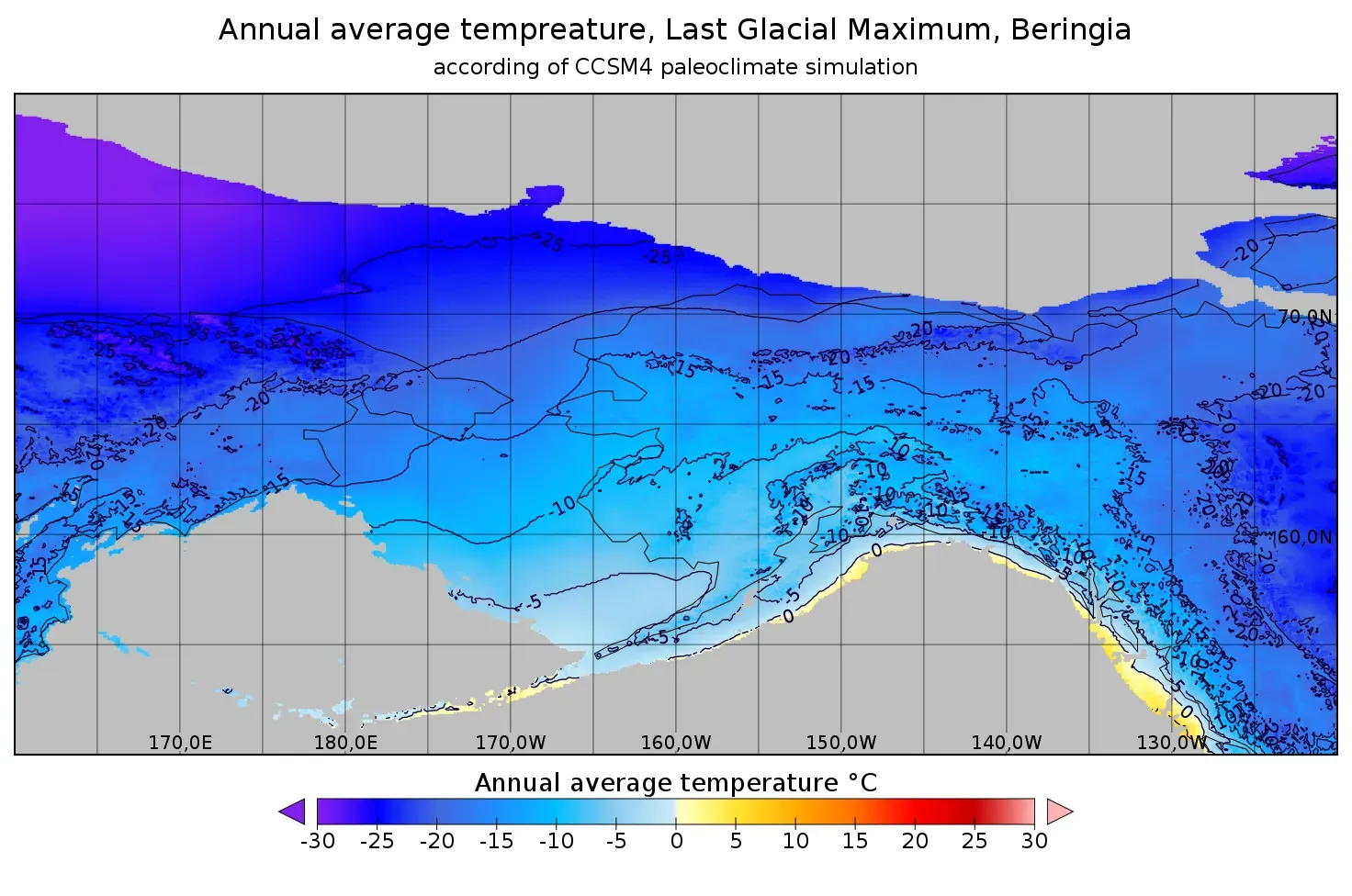
When you consider how humans first reached the Americas, one of the leading ideas points you toward a now-vanished land bridge called Beringia. During the ice ages, sea levels were much lower, exposing a broad expanse of land between northeastern Asia and what is now Alaska. If you had been there, you would have seen not a narrow bridge but a cold, vast region of grasslands and tundra, rich with large animals but demanding to live in.
This theory suggests that your ancestors moved into this region gradually, following herds and adapting to frigid conditions, then slowly filtered south as ice sheets retreated or corridors opened. For you, that means the first American journeys were not a single dramatic crossing, but a long period of living on a different kind of continent, waiting for a chance to move farther. The debate continues on exactly when and how many times this happened, but the idea of Beringia gives you a solid, grounded way to imagine that first step into a brand-new world.
8. Coastal Pathways into the Americas
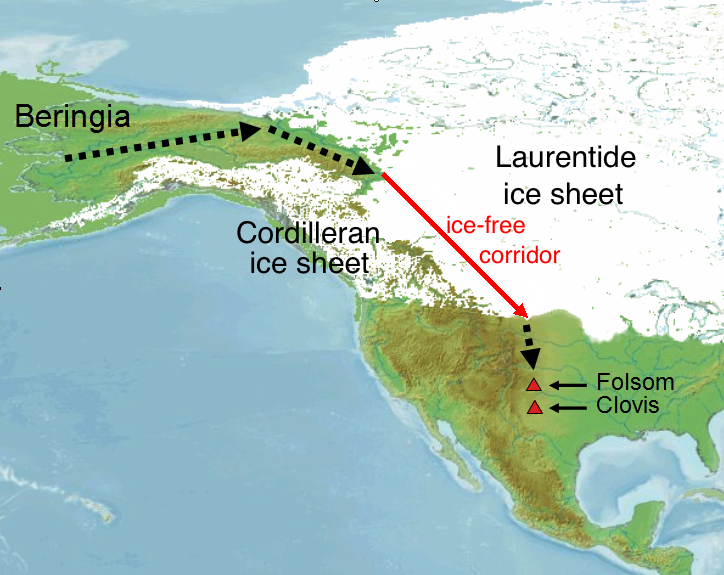
Alongside the land bridge idea, you also have a compelling coastal pathway theory for the Americas. In this version, your ancestors may have moved along the Pacific shoreline in boats or on foot, using marine resources as their main food base. Instead of trudging through interior ice, you imagine small bands navigating rocky coasts, kelp forests, and sheltered bays, hauling in fish and shellfish while slowly creeping southward and eastward.
This helps explain some early sites that appear surprisingly far from the interior routes, hinting that humans reached them sooner than expected if they had to wait for an inland ice-free corridor. For you, it ties back into the broader idea that water was not just a barrier but also a highway, especially for people skilled in coastal living. When you visualize these journeys, you see canoes pulled into coves, drying racks for fish along the shore, and children growing up with the smell of salt air as their world’s constant backdrop.
9. Climate, Curiosity, and the Push–Pull of Migration
Beyond routes and timelines, you need to ask why those first journeys happened at all. One strong theory says that climate swings and environmental changes repeatedly pushed your ancestors out of their comfort zones. Droughts, shifting rivers, changing animal migrations, and expanding deserts all would have nudged groups toward new areas. In that sense, climate acted like a relentless, invisible hand on your shoulder, steering you toward fresh opportunities and away from failing landscapes.
But climate alone does not explain everything, and here your own psychology enters the story. Humans seem to have a deep streak of curiosity and risk-taking, the urge to see what lies beyond the next ridge. When you think about those early travelers, you can picture a mix of necessity and desire: some were surely driven by hunger and pressure, but others likely followed bolder individuals who wanted to explore. This theory tells you that were not purely desperate escapes; they were also acts of imagination and courage that echo in your own urge to travel today.
10. Interbreeding and the Mosaic of Modern Humanity
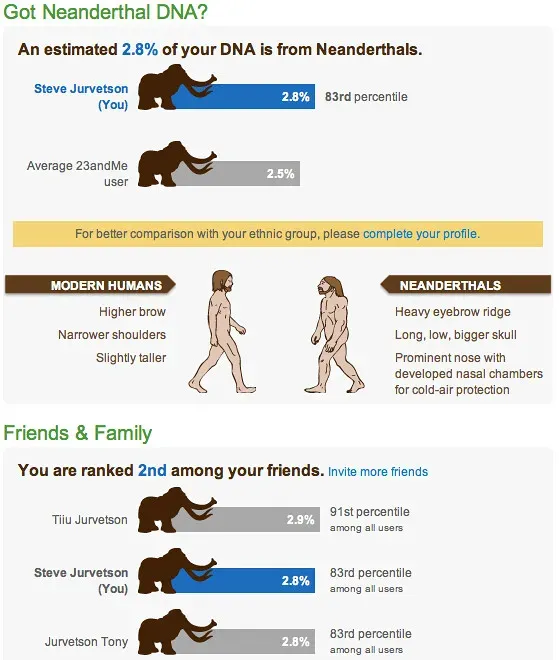
As your ancestors moved into new lands, they did not always find empty space; they often met other human groups already there. Genetic evidence shows that modern humans interbred with Neanderthals, Denisovans, and likely other groups that left little trace except in your DNA. This means the story of first journeys is not just about movement, but also about blending, merging, and absorbing traits that may have helped your ancestors survive in new environments.
When you look at yourself today, you are seeing a mosaic built out of many ancient encounters. Small percentages of genetic material from these other humans can still influence things like your immune system or how you respond to altitude and climate. This theory challenges any simple idea of a pure, isolated lineage. Instead, it asks you to picture those first journeys as threads weaving together different human branches into the complex tapestry you live in now.
When you step back from all these theories, you do not get a single clean map; you get overlapping paths, dead ends, clever shortcuts, and brave experiments written across continents. You see your species as restless and adaptable, shaped by ice and desert, coasts and land bridges, and by encounters with other humans who did not survive as separate species but did leave their mark in you. If anything, the unknowns in this story invite you to stay curious, because new finds could redraw the lines you think you understand today. As you imagine those first journeys, wandering into landscapes no one like you had ever seen, what part of their courage do you recognize in your own desire to keep moving and discovering?