If you grew up thinking Tyrannosaurus rex was the uncontested king of the dinosaurs, Giganotosaurus is the challenger that quietly crashes the party. This massive predator from ancient South America has been stealing some of T. rex’s spotlight, and the more paleontologists uncover, the more it looks like a heavyweight rivalry rather than a one‑sided show. In a way, it feels like finding out your favorite movie hero had a rival studio making an equally terrifying monster on the other side of the world.
What makes Giganotosaurus so compelling is not just its size, but how different its whole “design philosophy” is compared to T. rex. Where T. rex is a bone‑crushing bruiser from North America, Giganotosaurus looks more like a scaled-up, blade‑jawed sprinter. The science is still evolving, and there’s plenty we do not know, but what we do have is enough to take it very seriously as a top-tier apex predator. Let’s dig into the ten things that really put it in T. rex’s league.
1. A Body Size That Potentially Edges Out T. Rex
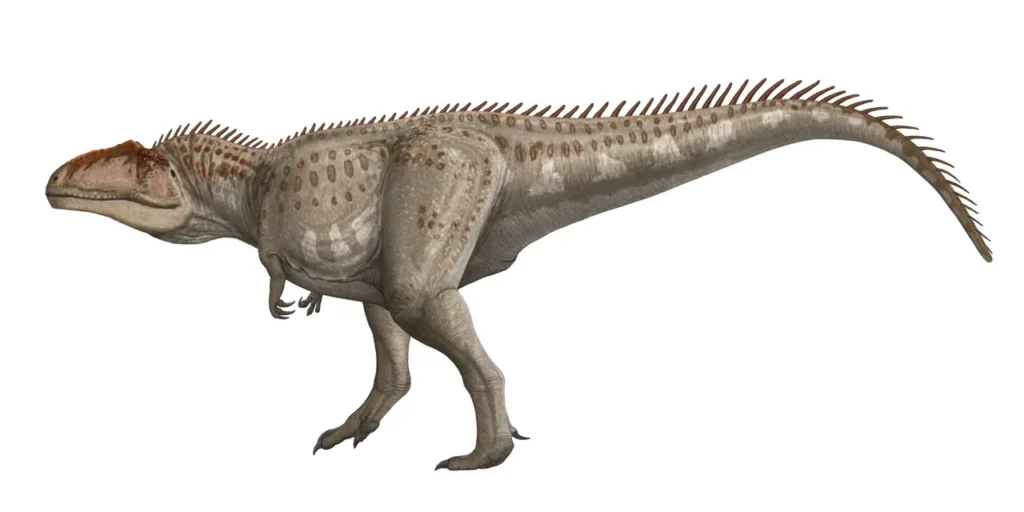
One of the biggest reasons Giganotosaurus is even in this conversation is brutally simple: it may have been slightly longer and heavier than most known T. rex individuals. Estimates suggest Giganotosaurus reached roughly around twelve to thirteen meters in length, with some reconstructions putting it at the upper end of that range. Its mass is often estimated in the several‑ton category comparable to, and in some analyses edging a bit above, the typical T. rex.
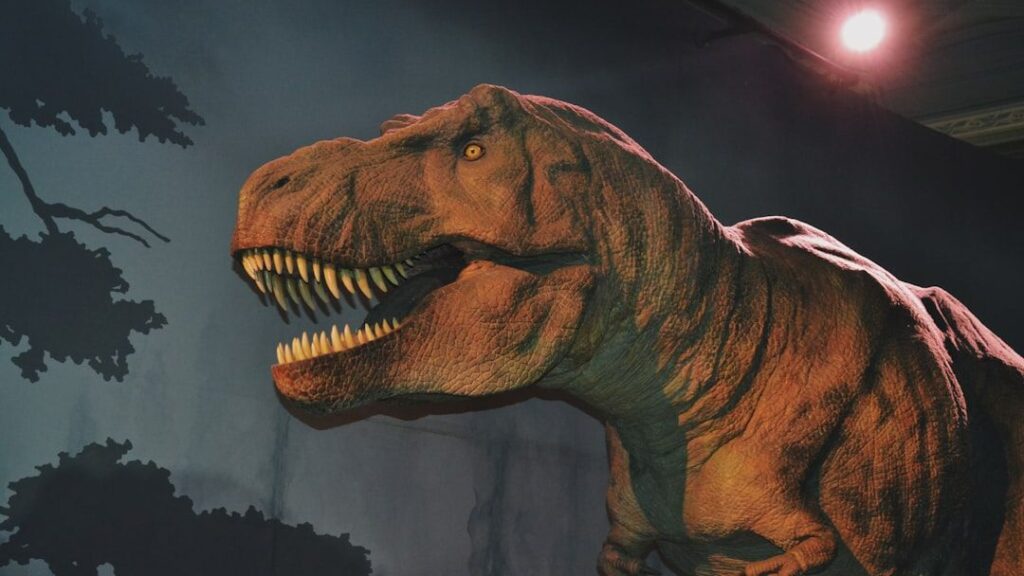
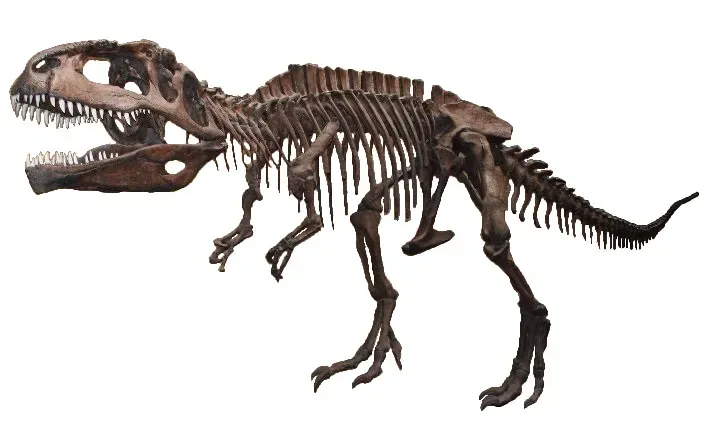
Now, these numbers are not carved in stone; they come from partial skeletons, scaling equations, and a lot of careful but imperfect math. Still, when you place a reconstruction of Giganotosaurus next to a classic T. rex mount, you do not get a clear winner just by eyeballing it. It is more like comparing two heavyweight boxers in adjacent weight classes: the difference, if it exists, is marginal, but it is enough to stir debate. Even that close contest in sheer bulk is part of what makes Giganotosaurus feel like a genuine rival rather than a distant runner‑up.
2. A Skull Built for Slicing, Not Just Crushing
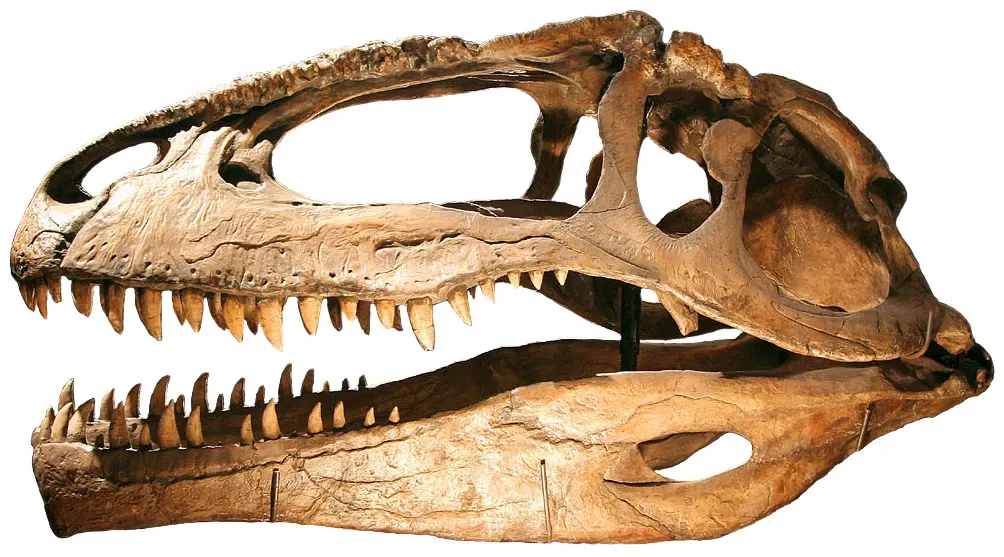
Look at the skull and you immediately see that Giganotosaurus played a different game from T. rex. Its head was long, relatively low, and armed with blade‑like teeth better suited for slashing through flesh rather than pulverizing bone. The upper jaws had a more even, almost knife‑rack arrangement compared to the famously banana‑shaped teeth of T. rex, which are basically nature’s railroad spikes.
This means Giganotosaurus probably used a different attack strategy: quick, powerful bites that opened huge, bleeding wounds, more like a giant theropod version of a shark, rather than going straight for bone‑crunching kill shots. In a way, T. rex feels like the sledgehammer while Giganotosaurus is the oversized machete. Both approaches are horrifyingly effective, but the Giganotosaurus style suggests a predator optimized for large, fleshy targets and repeated slashing attacks, which makes it every bit as lethal in its own right.
3. A Brain and Senses That Were Good Enough to Compete
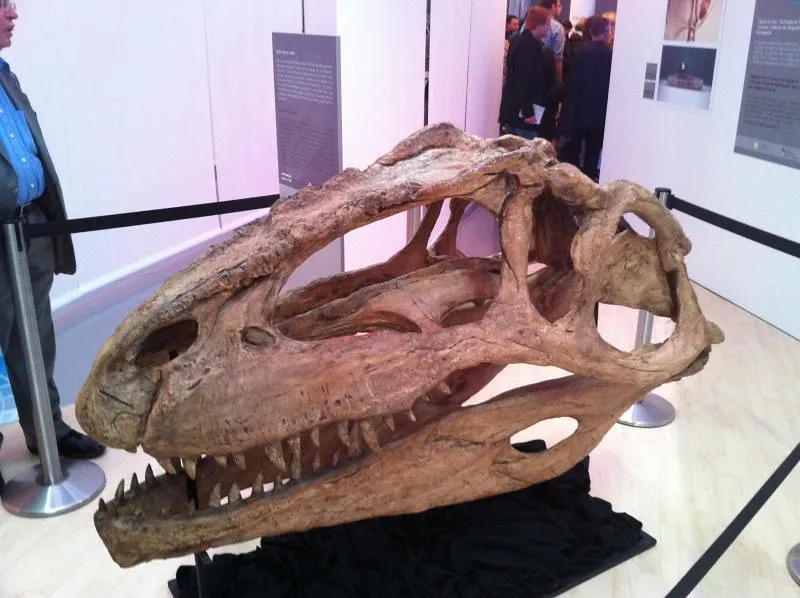
Giganotosaurus probably did not have the same sensory “superstar” reputation that T. rex enjoys, especially when it comes to vision and smell, but that does not mean it was clumsy or dull. Endocasts of related carcharodontosaurids show brains that were typical for big theropods, with decent sensory regions and motor control. It may not have been a genius by mammal standards, but it had what it needed to hunt enormous prey in complex environments.
Compared to T. rex, which seems to have had especially well‑developed vision and olfaction, Giganotosaurus might look slightly less specialized, but that gap is not as dramatic as people tend to imagine. Big predators do not survive for millions of years on bad reflexes and poor situational awareness. It is more fair to think of Giganotosaurus as “good enough at everything that matters” rather than underpowered. When you are a multi‑ton carnivore, competence plus size is already a terrifying combination.
4. A More Lightly Built, Speed‑Friendly Frame
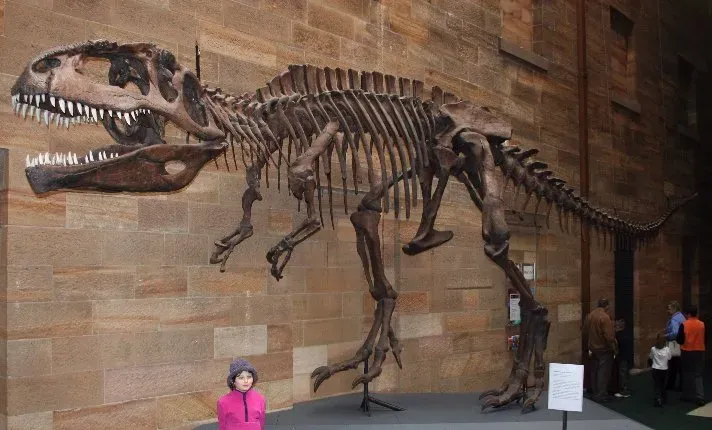
Giganotosaurus did not have the same blocky, barrel‑chested look that T. rex is famous for. Its overall body plan appears a bit more elongated and lightly built, especially through the torso and tail region. The legs were strong but not quite as massively constructed as those of T. rex, giving it a somewhat more graceful profile than the compact, power‑lifter vibe of its North American counterpart.
This build hints that Giganotosaurus might have traded some of the bone‑destroying bite focus for relatively better speed and maneuverability. We are not talking about cheetah levels of sprinting, of course, but for something in the several‑ton range, small biomechanical differences matter. Imagine two trucks: one is built for maximum towing power, the other for slightly better highway speed and handling. Giganotosaurus feels more like that second truck, and that could have been a serious advantage when chasing or ambushing huge, mobile prey.
5. Teeth Designed to Tackle Giant Herbivores
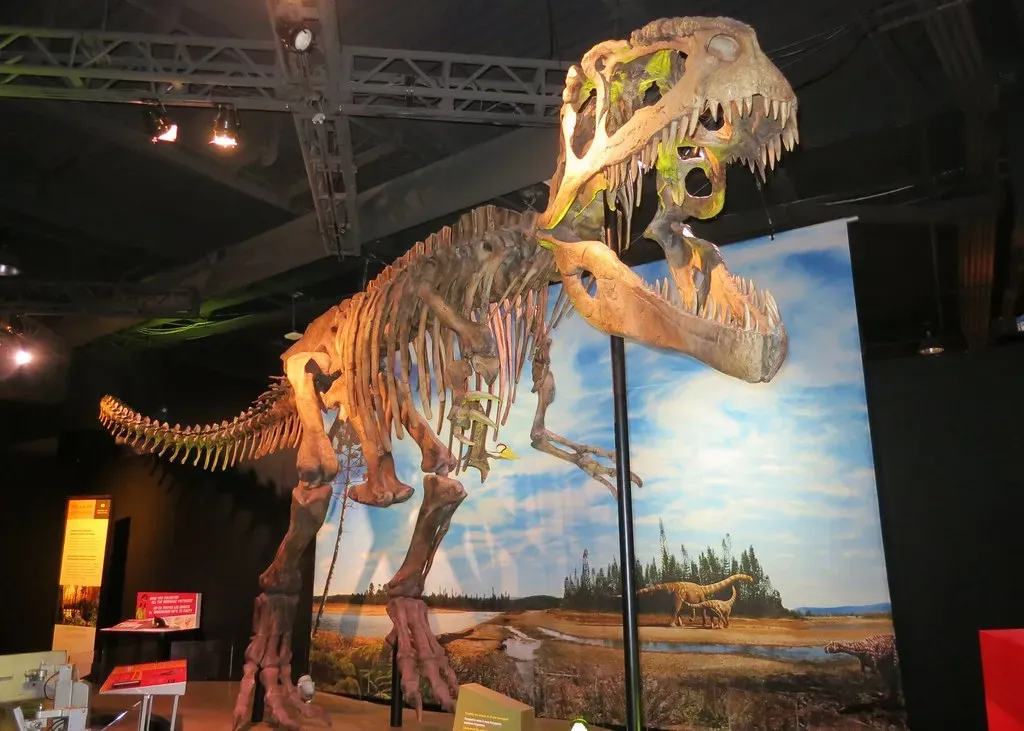
Those long, serrated teeth of Giganotosaurus were not just flashy decorations; they were specialized tools for carving through the thick flesh of enormous herbivores. The fine serrations along the edges worked like the teeth on a saw, helping the animal slice deep into muscle and soft tissue with each bite. In some related species, these teeth show wear patterns that suggest repeated contact with tough, heavily built prey.
When you picture its likely victims – huge sauropods and other large dinosaurs roaming Cretaceous South America – you start to understand why this slicing toolkit mattered. T. rex lived with large herbivores too, but not the same exact lineup, and its crushing, bone‑oriented teeth tell a slightly different story. Giganotosaurus seems geared toward opening long, gaping wounds that would bleed a victim out, rather than cracking bones to access marrow. Different prey, different problems, different evolutionary solutions – but both end up at the top of their respective food chains.
6. A Predator in an Ecosystem of Giants
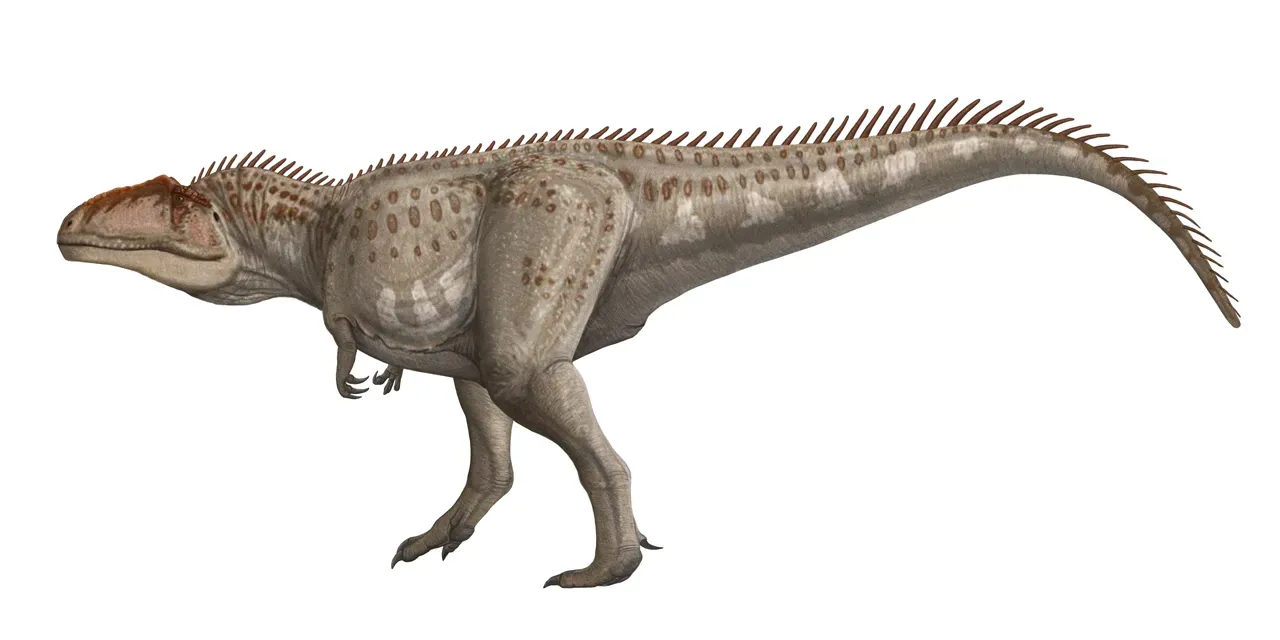
One of the wildest things about Giganotosaurus is the company it kept. It lived in what was essentially a continent of giants, with some of the largest sauropods ever known roaming its environment. Being the apex predator in that kind of ecosystem is not a casual job; it demands both physical power and an ecological niche finely tuned to taking down or at least severely injuring massive plant‑eaters.
This context matters when we compare it with T. rex. While T. rex certainly had giant prey of its own, the South American Cretaceous world pushed body sizes in extreme directions, and Giganotosaurus appears to have held its own there. That alone gives it a kind of ecological credibility: it was not just big for the sake of being big, it was big because it sat atop a community stacked with oversized animals. In terms of status in its home turf, it was every bit the sovereign that T. rex was in North America.
7. Different Hunting Tactics, Equally Terrifying Outcomes
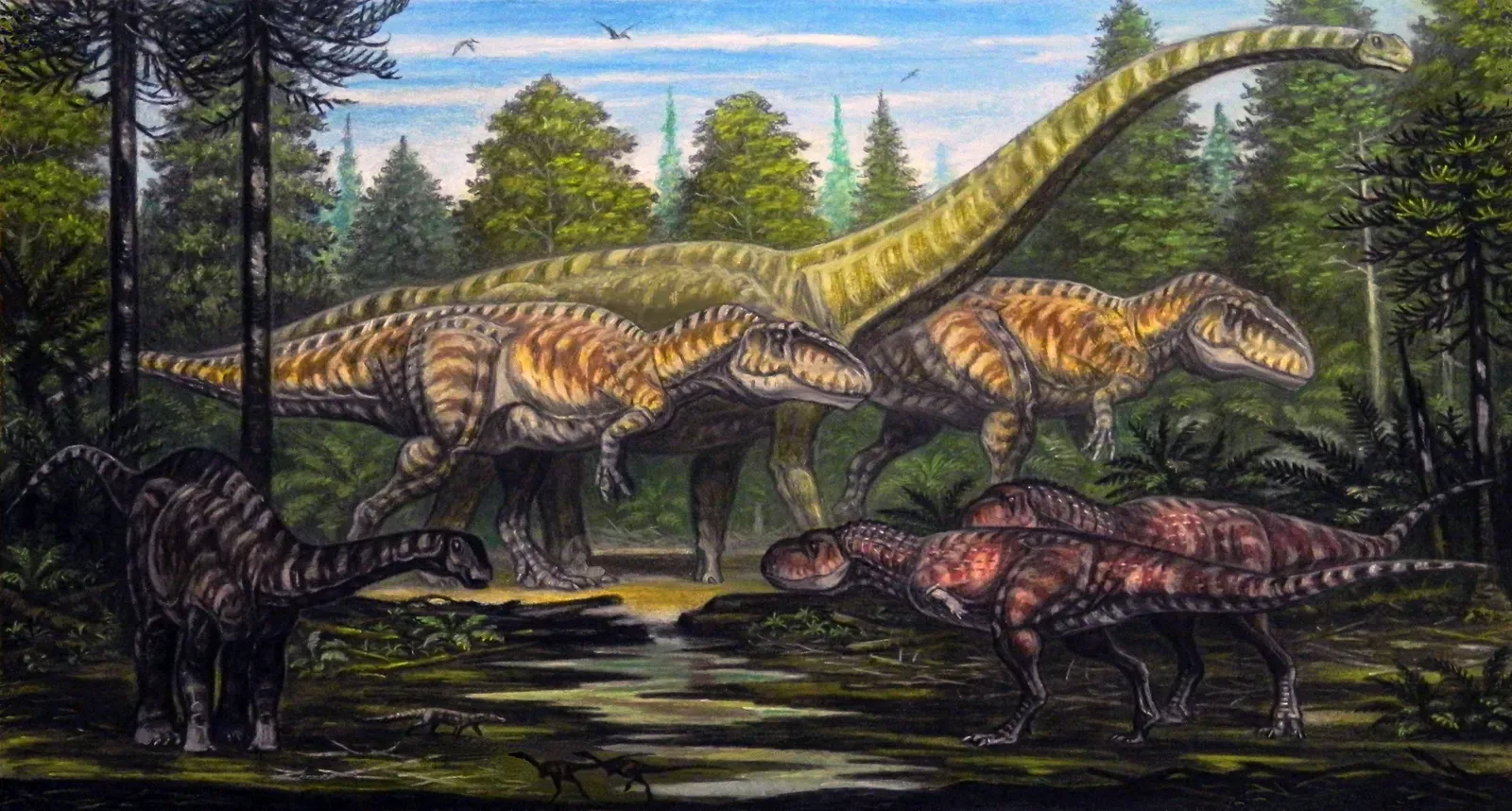
Because of its lighter build and slicing teeth, many paleontologists suspect Giganotosaurus may have hunted differently than T. rex. Instead of going in for a massively powerful, bone‑crunching bite designed to cripple with brute force, it might have relied more on slash‑and‑retreat tactics. Think repeated, debilitating bites aimed at weakening a huge animal over time, much like how some modern predators exhaust larger prey before the final takedown.
There is also the possibility that Giganotosaurus cooperated with others of its kind at least occasionally, especially when dealing with truly enormous herbivores, though the evidence for complex pack behavior in giant theropods is still debated. Even without confirmed pack tactics, its physical toolkit suggests a dynamic, mobile hunter that used speed, reach, and repeated cuts to bring down prey. Different style, same chilling result: if you were a large herbivore in its habitat, it did not matter whether you feared the crusher or the slicer – you were in serious trouble either way.
8. Arms That Were Not Quite as Ridiculous as T. Rex’s
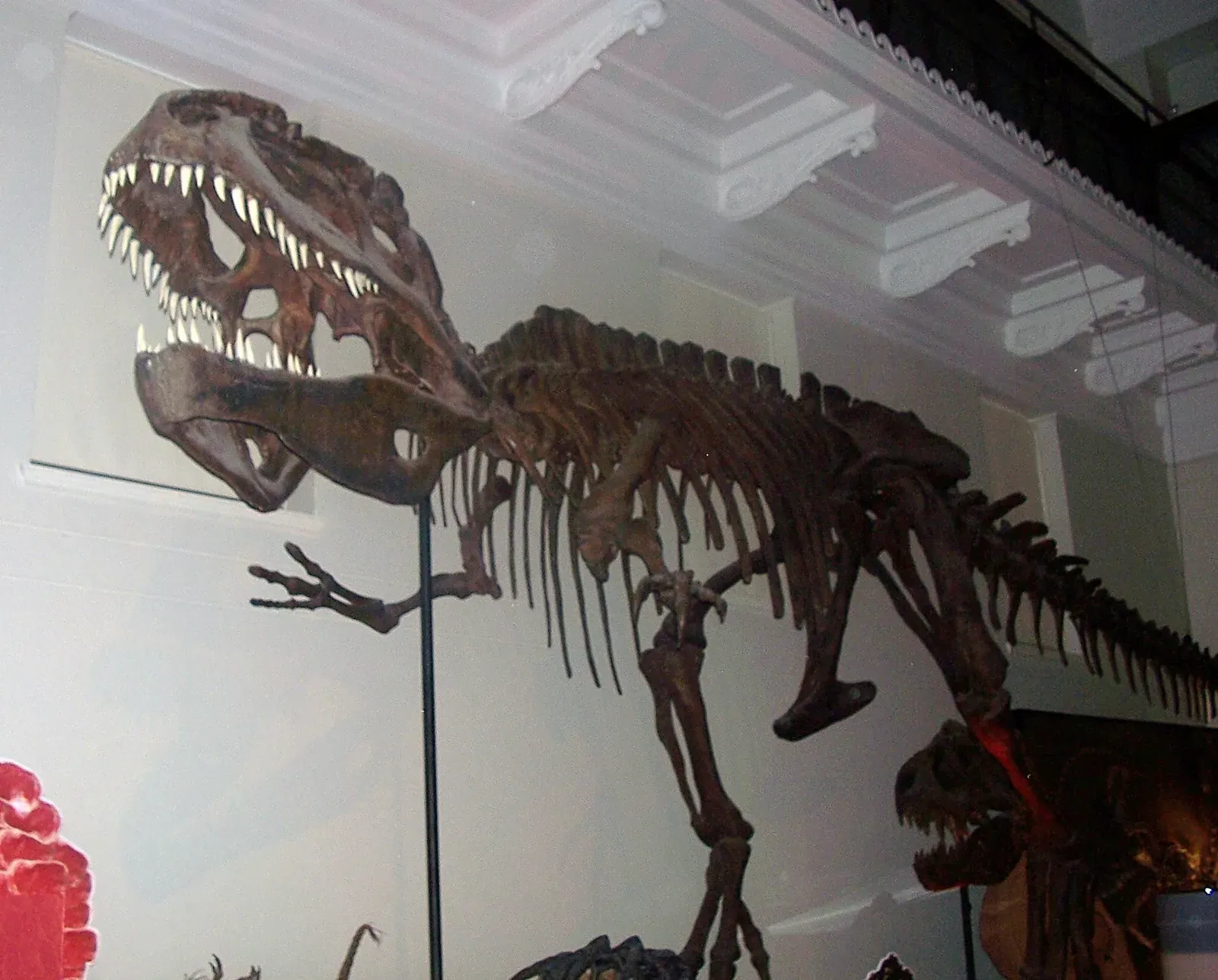
Everyone loves to joke about T. rex’s tiny arms, but Giganotosaurus, while still sporting relatively small forelimbs for its body size, did not take things to quite that extreme. Its arms appear a bit more proportionate, and while still not primary weapons, they were likely more functional than the famously stubby forelimbs of T. rex. They may have helped with balance, gripping, or stabilizing prey in subtle ways.
This does not mean Giganotosaurus hunted like a giant, clawing monster; its arms were still secondary compared to its jaws and neck. But the fact that they are less dramatically reduced than in T. rex hints at slightly different evolutionary pressures. It is a small advantage, but in a direct comparison, you could argue that Giganotosaurus looks a bit less comical and a bit more traditionally “predator‑shaped.” It is a minor point, yet it adds to the sense that this animal was optimized differently, not simply a discount version of T. rex.
9. A Different Time and Place, but the Same Apex Role
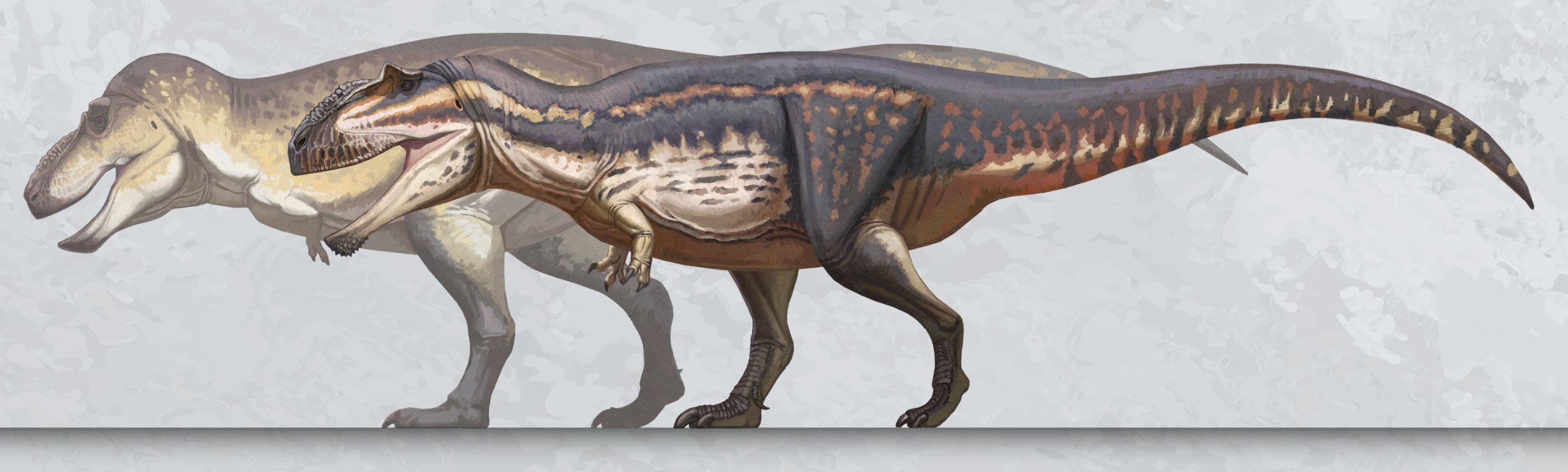
Giganotosaurus and T. rex never met; they are separated by both geography and time. Giganotosaurus lived earlier in the Late Cretaceous of South America, while T. rex appeared later in North America. But despite those differences, both animals ended up filling remarkably similar top‑predator roles in their respective ecosystems. Each was the nightmare that large herbivores had to live with every day.
This parallel evolution is part of what makes Giganotosaurus such a serious rival in the public imagination. It is not just another big carnivore; it is the South American answer to the North American tyrant. For me, that is one of the most fascinating aspects of this rivalry: it shows how different evolutionary paths can still arrive at the same broad solution – a gigantic, highly specialized killing machine at the top of a complex food web.
10. A Growing Reputation That Challenges T. Rex’s Pop‑Culture Crown
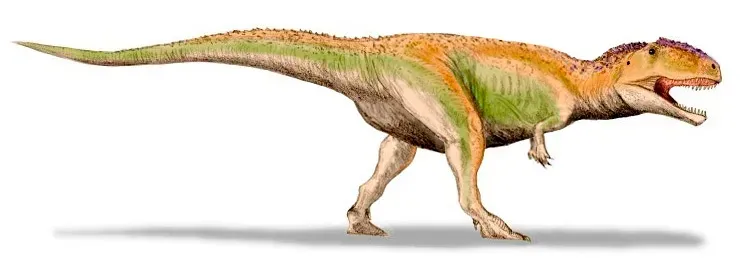
Beyond bones and measurements, there is another arena where Giganotosaurus is emerging as a real rival: pop culture. In the last couple of decades, as more research and reconstructions have been published, Giganotosaurus has started appearing in documentaries, video games, and movies as a legitimate challenger to T. rex. That visibility matters, because it shapes how new generations picture “the biggest, baddest dinosaur.”
Personally, I think this is healthy for how we think about prehistoric life. T. rex will probably always be the most iconic dinosaur, but Giganotosaurus forces us to remember that evolution does not do one‑off masterpieces; it experiments in parallel. When kids (and adults) start asking whether Giganotosaurus could beat T. rex in a fight, the correct scientific answer is that we will never know – but the fact that the question is plausible shows how far its reputation has come. Rivalry has a way of making us look closer, and in Giganotosaurus’s case, the closer you look, the more it earns that spotlight.
Conclusion: The Rival King We Were Late to Notice
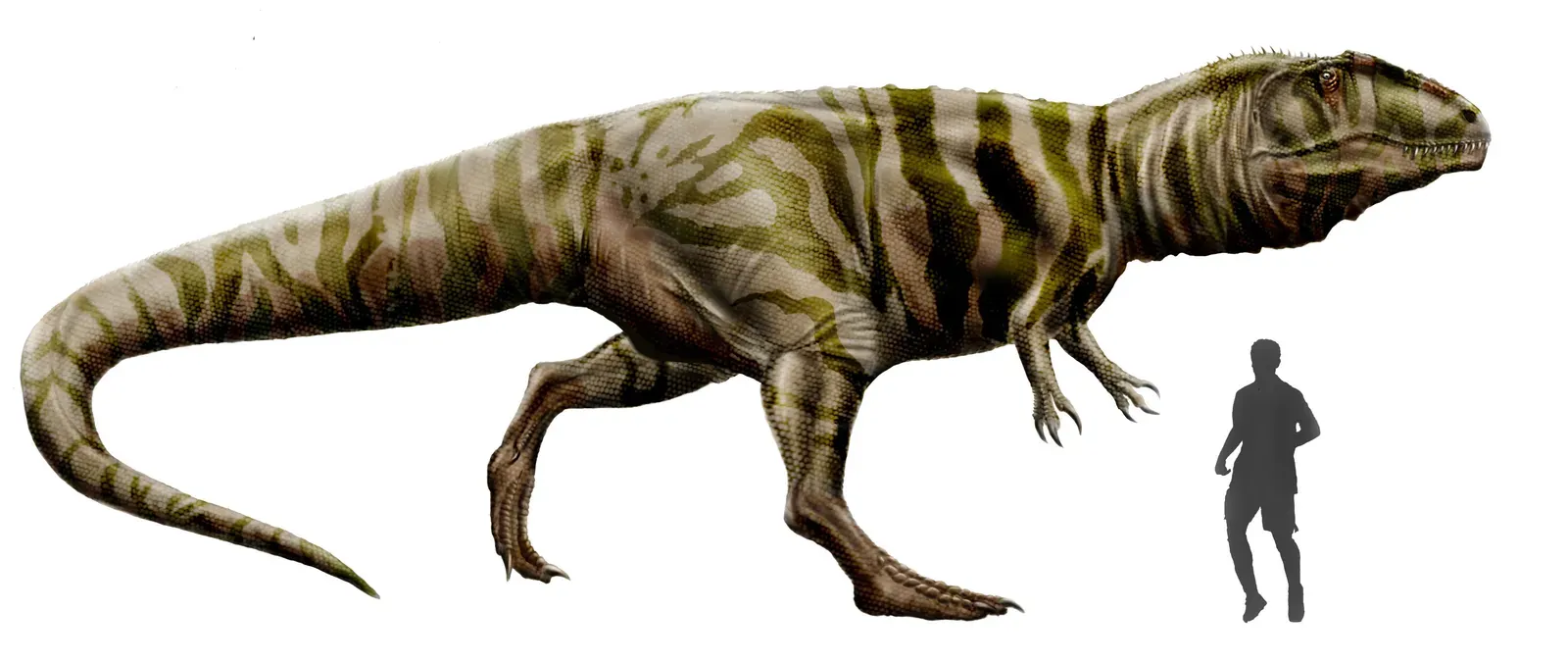
When you line up all the evidence, Giganotosaurus is not a mere understudy to T. rex; it is more like a co‑champion from a different league. It may have been slightly longer, built for slicing rather than crushing, and tuned to an ecosystem overflowing with giants. Its strengths were not carbon copies of T. rex’s, but that is exactly why it deserves serious respect – this was an apex predator that solved the problem of “how to rule a dinosaur world” in its own, brutally effective way.
If I am honest, I still have a soft spot for T. rex, but I think the days of treating it as the undisputed, solitary king are over. Giganotosaurus shows that nature ran multiple versions of the apex‑predator experiment, and at least one of them can stand shoulder to shoulder with the famous tyrant. Maybe the better question is not which one would win in a fantasy showdown, but how many other incredible rivals we still have not fully appreciated. Knowing what you know now, would you really bet everything on T. rex without a second thought?