
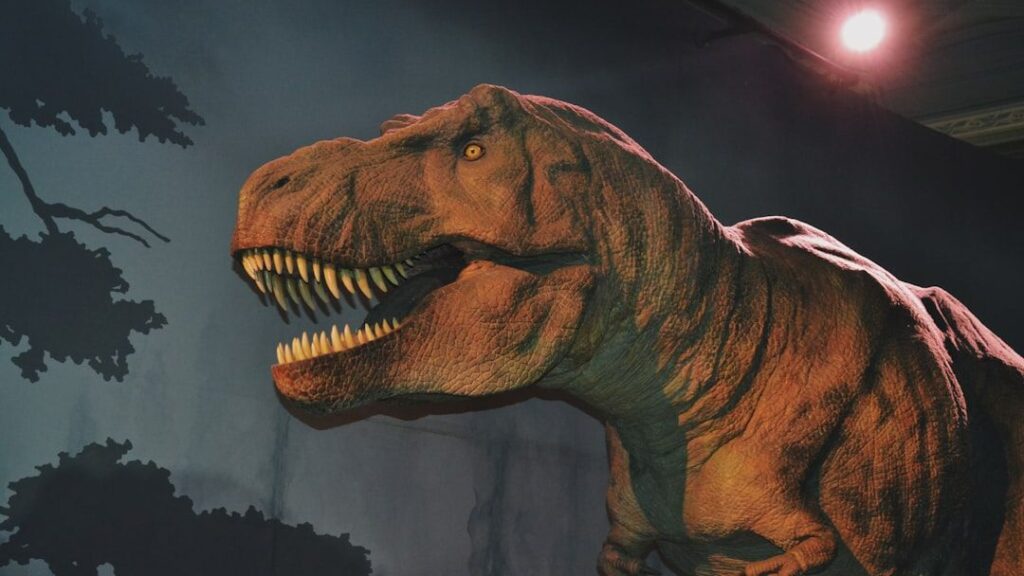
If you grew up picturing Tyrannosaurus rex thundering across some vague, dusty “dinosaur land,” here’s a twist: in the real world, T. rex had a home turf, and it is surprisingly specific. Its bones are not sprinkled evenly across the map like Jurassic popcorn; they are concentrated in a handful of US states that sit on top of the right kind of rock from the right slice of time.
Scientists have described only a few dozen reasonably complete T. rex skeletons so far, and when you track where they actually came from, a clear leaderboard appears. A tight cluster of western states utterly dominates, while most of the country has never produced a single confirmed T. rex bone. Let’s walk that ancient landscape state by state and see where the world’s most famous predator really ruled.
Montana: The Undisputed T Rex Capital
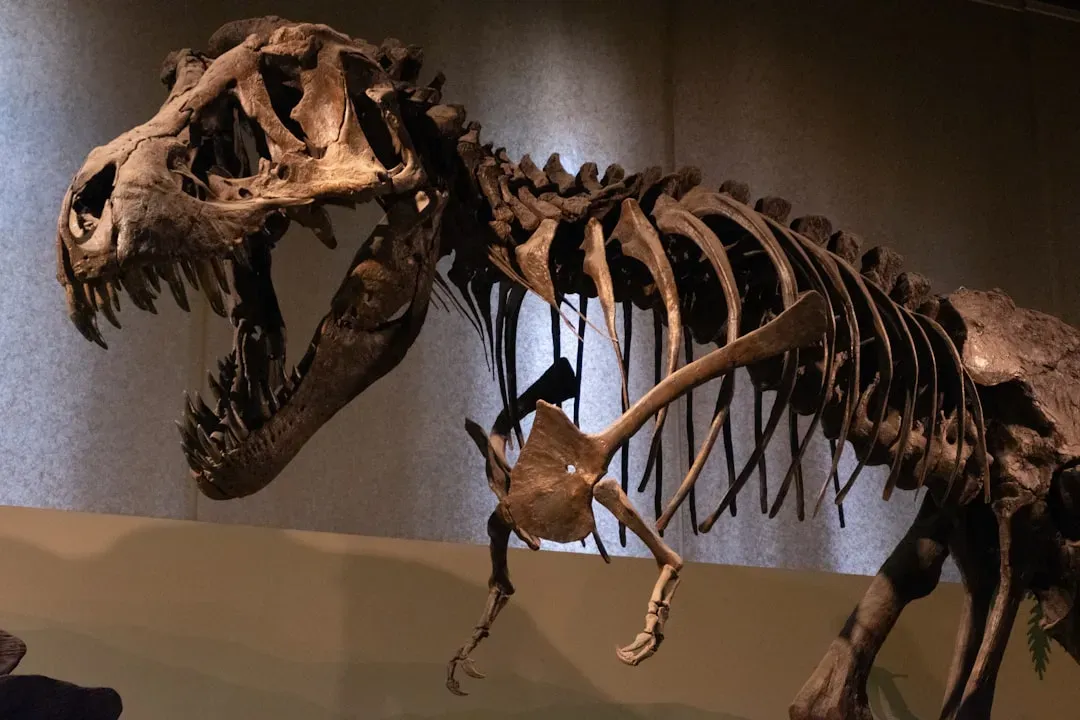
Here’s the surprising reality: if T. rex had a capital city, it would be the badlands of Montana. Multiple scientific tallies that compile known specimens show that a big share of all named T. rex skeletons on Earth were excavated from Montana’s Late Cretaceous rocks, especially the Hell Creek Formation. When you hear about famous individuals like the Wankel T. rex or “Trix,” there is a very good chance their story starts in a Montana butte or coulee rather than some generic desert.
Geology is the real reason Montana punches so far above its weight. The state preserves thick stacks of rocks from roughly the last couple of million years before the dinosaurs went extinct, exactly the time window when T. rex lived. Add in wide open ranchlands, long-running field programs from places like the Museum of the Rockies, and a culture that actually welcomes fossil hunting, and you get a perfect storm for discovery. In my mind, Montana is the only place where “going out for T. rex” sounds almost like going out for trout.
South Dakota: Home Of Iconic Celebrity Rexes
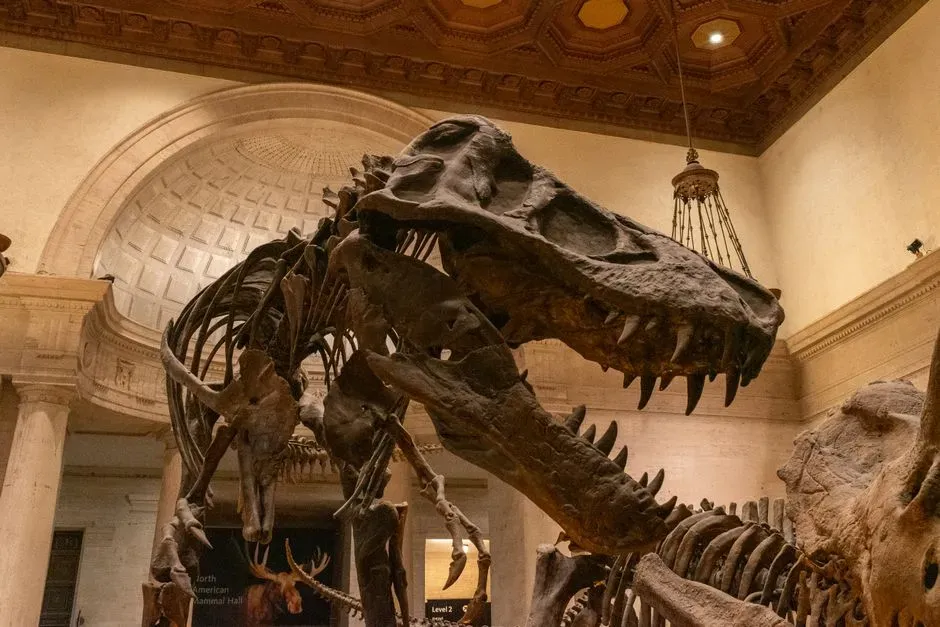
If Montana is the capital, South Dakota is the red-carpet venue where T. rex becomes a celebrity. Some of the most famous skeletons ever found, like “Sue” and “Stan,” were pulled from South Dakota’s Hell Creek badlands before ending up in big-city museums and high-profile auctions. When a new T. rex hits the headlines for record-breaking sale prices or museum crowds, there’s a decent chance its bones were weathering out of a South Dakota hillside decades earlier.
South Dakota’s share of T. rex fossils is smaller than Montana’s in raw numbers, but the specimens tend to be spectacular: large, relatively complete adults that anchor research on growth, biomechanics, and behavior. The state also sits squarely inside the same Late Cretaceous ecosystem belt, so every summer, teams head back into the buttes hoping to find the next superstar. Personally, I think South Dakota is where T. rex fossils stop being just bones and become cultural events, for better or worse.
Wyoming: The Quiet Heavyweight Of The High Plains
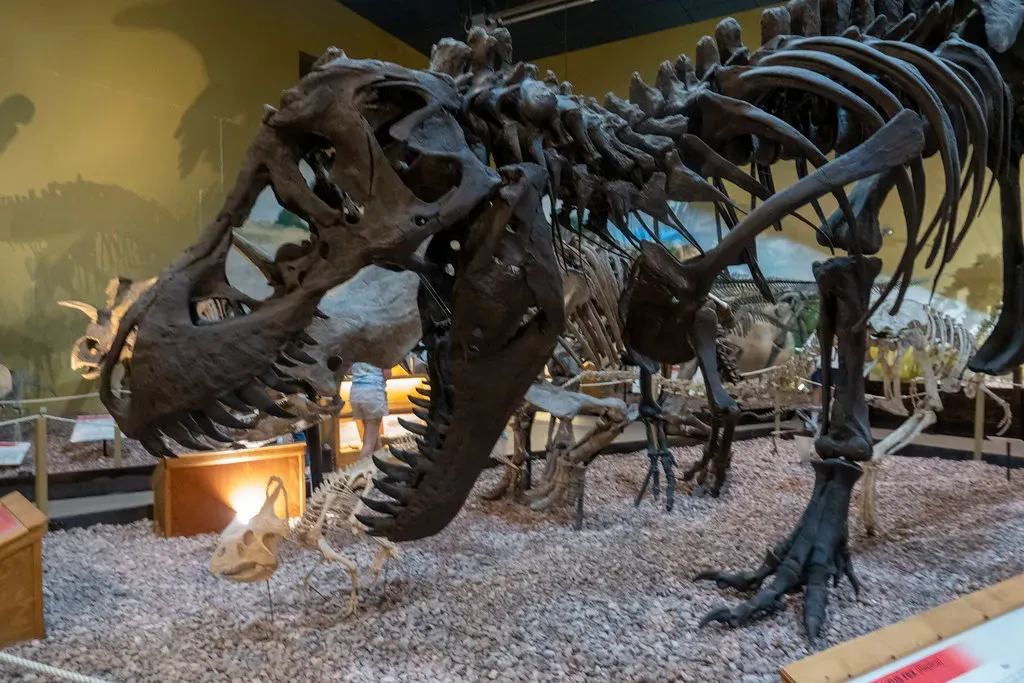
Wyoming rarely shouts about T. rex the way Montana and South Dakota do, but it quietly holds its own in the rankings. Parts of the Hell Creek and related formations spill across the state line, and those rocks have yielded multiple T. rex skeletons and important partial finds. In fact, when paleontologists talk about “Hell Creek country,” they often mean a big blended region that includes eastern Wyoming as naturally as eastern Montana or the Dakotas.
What makes Wyoming interesting is how many different kinds of fossil sites it offers. Ranchland exposures produce isolated bones and skeletons, while federal lands host longer-term research digs. The numbers suggest Wyoming belongs firmly in the top tier of T. rex states, even if the individual specimens are slightly less famous to the general public. I sometimes think of Wyoming as the band member who writes half the songs but never takes the microphone.
North Dakota: Rising Star Of The Rex Badlands
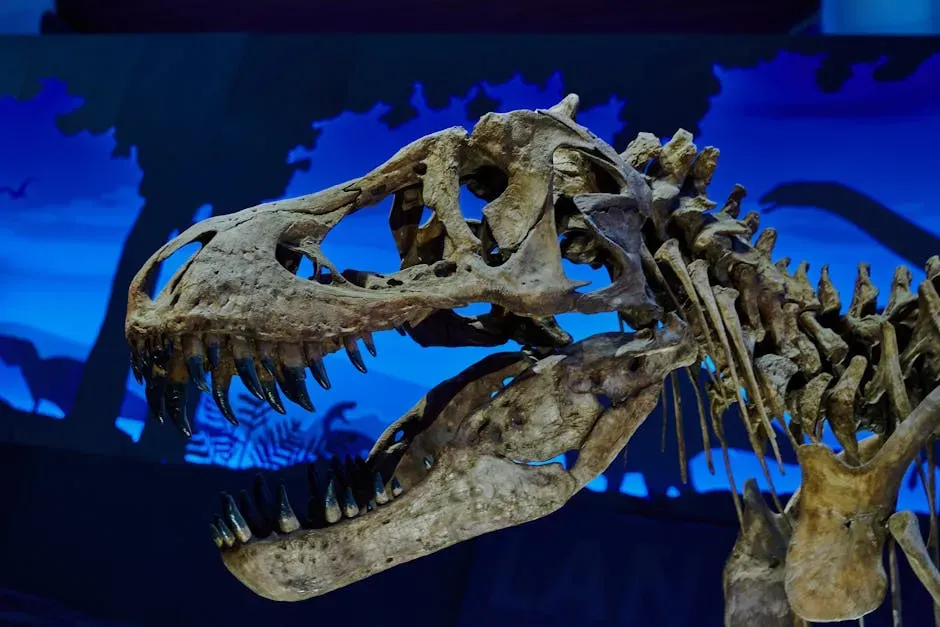
North Dakota used to sit a bit in the shadow of its neighbors, but that is changing fast. Late Cretaceous badlands in the western part of the state are now recognized as solid T. rex territory, and recent finds have pushed North Dakota more clearly onto the map. Stories of kids stumbling across T. rex bones on summer hikes are not urban legends here; they reflect a landscape where the right rocks are literally eroding under your feet.
Scientifically, North Dakota shares the same basic recipe as Montana and South Dakota: the right age rocks, laid down in coastal plains and river systems near the end of the Cretaceous, now carved into open, fossil-rich terrain. The difference is that large-scale collecting there ramped up a bit later, so the state is playing catch-up in tallying big, named skeletons. My hunch is that if you checked back a couple of decades from now, North Dakota’s share of T. rex fossils will look a lot larger than it does today.
New Mexico & Texas: Southern Outposts Of The Tyrant King
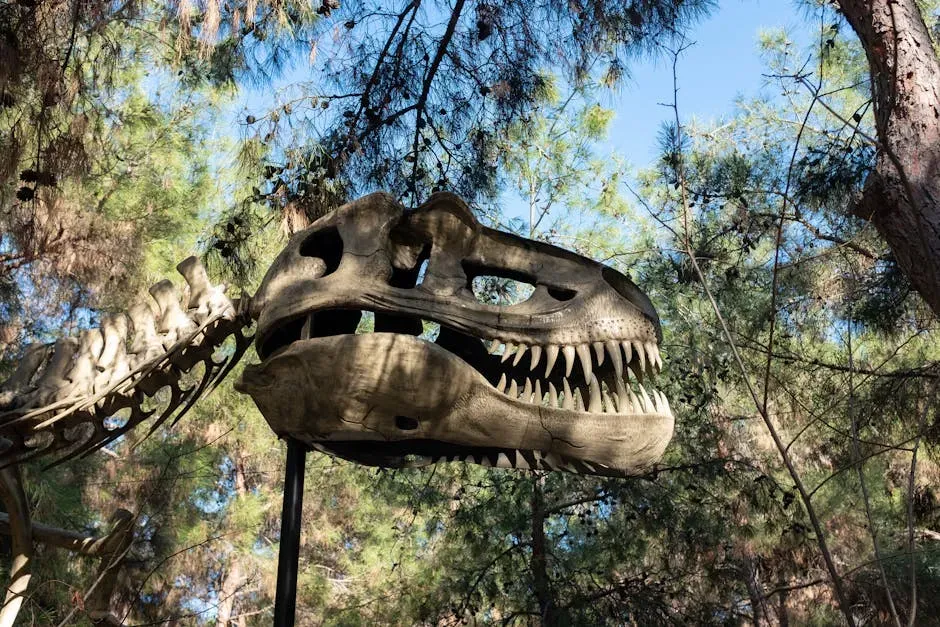
Head south from the northern plains, and you eventually reach the fringe of T. rex country in New Mexico and Texas. These states do not rival Montana or South Dakota in sheer numbers, but they matter because they capture the southern end of the animal’s known range. A small handful of confirmed T. rex specimens, including at least one headline-making skeleton from New Mexico and material from Texas, show that the tyrant was not strictly a northern animal.
What you see in New Mexico and Texas is a more patchy fossil record, where T. rex pops up amid a mix of other dinosaurs and environments. The rocks of the right age are less continuous and sometimes harder to access, so the odds of stumbling on a skeleton are lower. Still, those scattered finds are like boundary flags on a map, proving that T. rex once prowled warm coastal lowlands far to the south. I like that idea; it makes the animal feel less locked into one postcard image and more like a versatile survivor spread across a continent.
Colorado & Utah: On The Edge Of Rex Territory
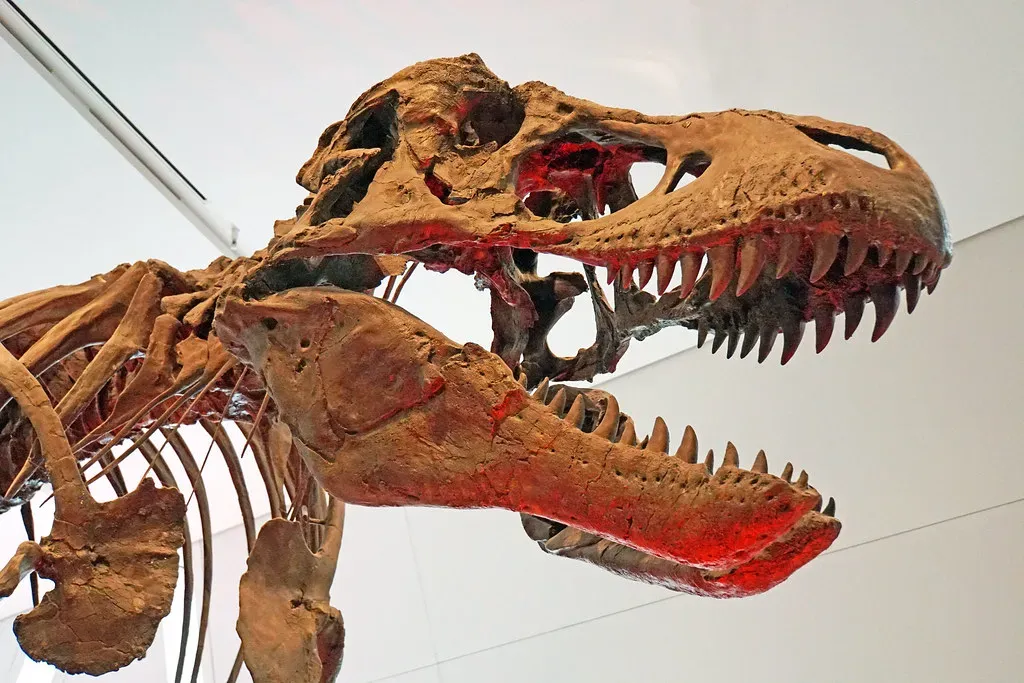
Colorado and Utah are legendary dinosaur states, but when it comes specifically to T. rex, they live on the margins. Most of their blockbuster fossils come from much older Jurassic and early Cretaceous rocks, long before T. rex evolved, which is why names like Allosaurus or Stegosaurus feel more “native” there. Even so, geologists and paleontologists have documented T. rex remains or potential material in Late Cretaceous units that crop out in parts of northeastern Colorado and eastern Utah.
These finds are few compared with the northern plains, but they are important for understanding how far west and south T. rex ventured. Think of Colorado and Utah as the faded edges of a photograph: fewer details, but still part of the picture. In my view, the fact that T. rex shows up at all in states already overflowing with other iconic dinosaurs only underlines how widespread and dominant it was at the bitter end of the Cretaceous.
Why Most States Have No T Rex At All
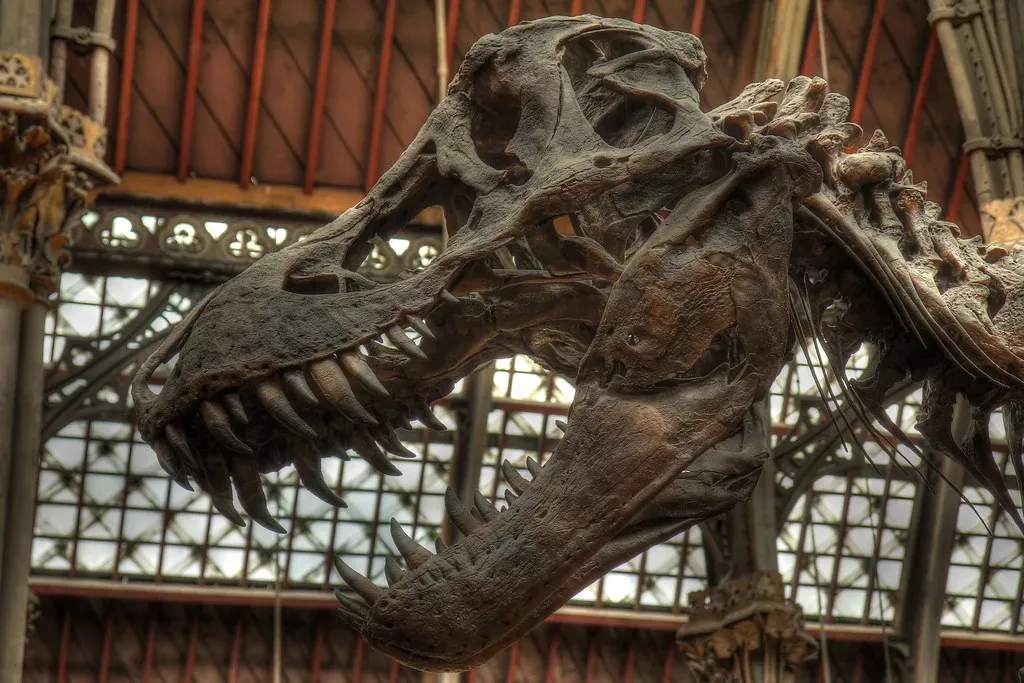
Here’s the awkward truth that almost never makes it into movies: if you live east of the Mississippi, your chances of standing on ground that once held a T. rex skeleton are very close to zero. It is not that T. rex avoided the eastern half of North America on purpose; it is that the right rocks for preserving its bones either were never laid down there, or have been eroded away, buried, or drowned under the Atlantic and Gulf coasts. The fossil record is not a complete movie; it is a handful of surviving frames from a film that mostly burned.
This is why nearly all known T. rex fossils come from that narrow belt of Late Cretaceous rocks in the western interior, running from Montana and the Dakotas down through Wyoming and into parts of the Southwest. When people argue about which US states “have the most T. rex fossils,” they are really arguing about which ones got lucky in a geological lottery that closed roughly sixty-six million years ago. Personally, I think there is something humbling in that: the most famous dinosaur of all time is known from only a few dozen good skeletons, all clustered in a corner of one continent, yet it has conquered our imaginations everywhere else.
Conclusion: A Lopsided Map And A Bigger Question
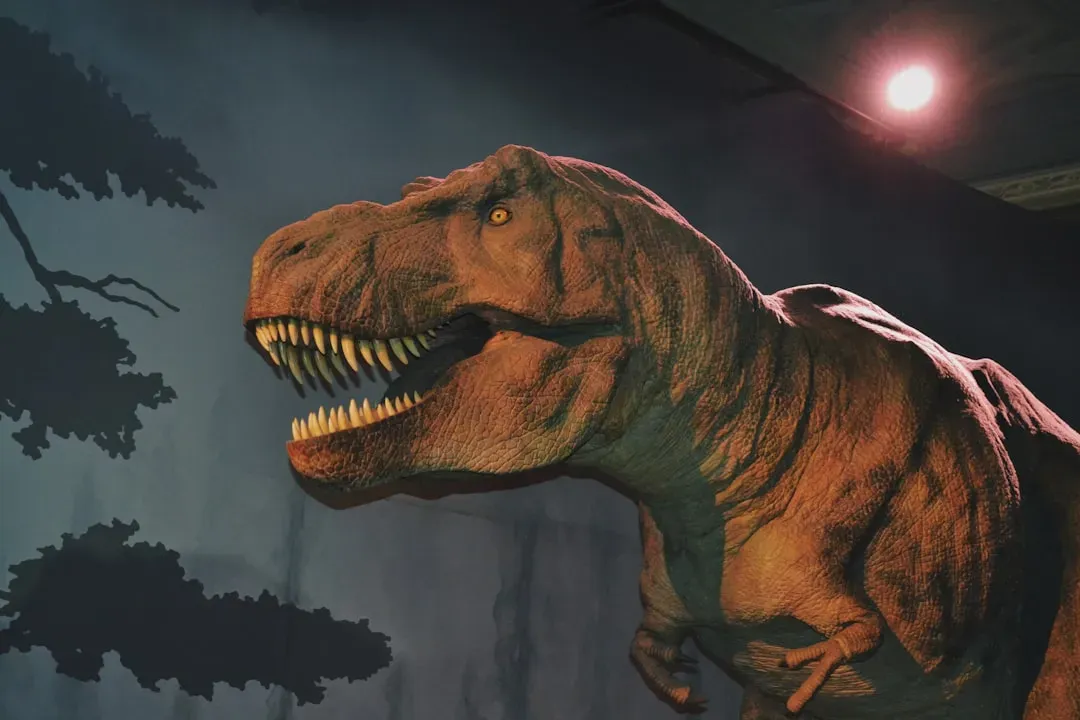
Looking at the distribution of T. rex fossils by state, the map is wildly lopsided: Montana comes out on top by a comfortable margin, followed by South Dakota and Wyoming, with North Dakota, New Mexico, Texas, Colorado, and Utah trailing behind. Most of the United States, including places packed with people and museums, contributes exactly nothing to the direct fossil record of this animal. That imbalance is not a popularity contest; it is a story about rocks, time, erosion, and a bit of human luck layered on top.
My own opinion is that this skewed map makes T. rex more interesting, not less. It forces us to accept just how incomplete and local our window into deep time really is, and it gives those few fossil-rich states an outsized role in writing the global story of dinosaurs. Every new skeleton dragged out of a Montana coulee or a South Dakota butte does not just change the map of one state; it nudges our picture of the entire Cretaceous world. When you imagine T. rex now, will you still see a vague “dinosaur land,” or will you start to picture a very real landscape you could actually visit today?