If you picture the age of dinosaurs as a parade of giant predators stomping around aimlessly, you’re missing the real drama. The Mesozoic Era, stretching across more than 170 million years, was a living, shifting tapestry of ecosystems where different dinosaurs filled roles much like animals do in savannas, forests, and oceans today. Each iconic species you know by name was more than a movie monster; it was a key piece of a global puzzle that shaped food webs, plant evolution, and even the future of life on Earth.
As you move through these 11 dinosaurs, you’re not just meeting celebrities of the fossil record; you’re walking through deserts, floodplains, coastal lagoons, and conifer forests that once covered ancient Earth. You’ll see how some dinosaurs were ecosystem engineers, some were apex predators, and some were quiet background heroes you rarely hear about. By the end, you’ll have a clearer sense of how these animals actually lived, struggled, and interacted, and how much of the modern world still carries their biological fingerprints.
Tyrannosaurus rex: Apex Predator Of Coastal Floodplains
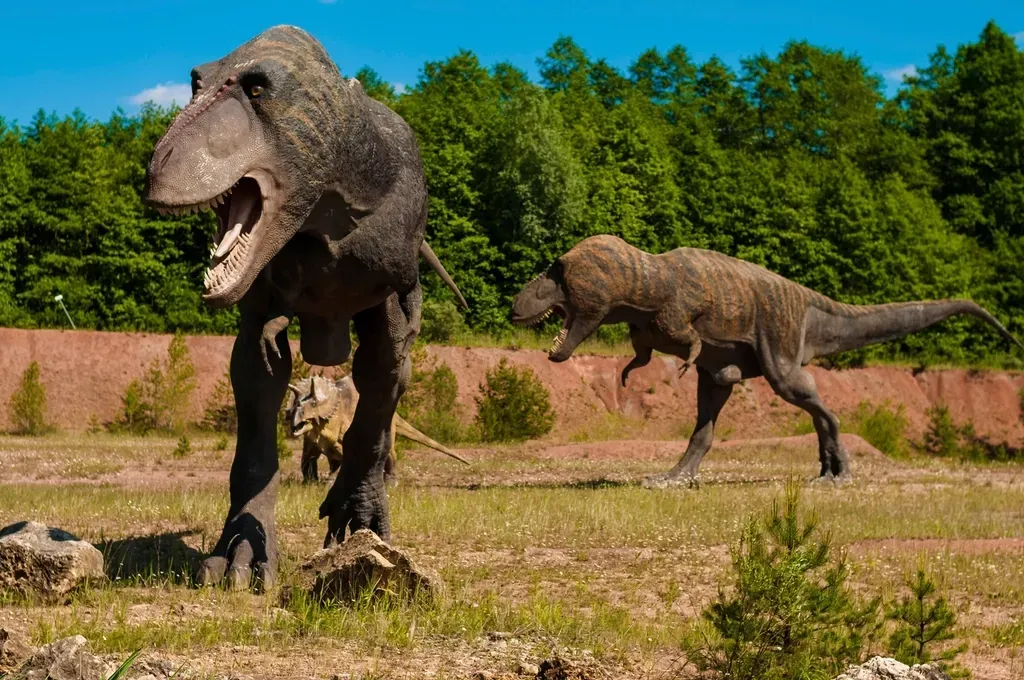
You probably think of Tyrannosaurus rex first when someone says “dinosaur,” and there’s a good reason for that. In the Late Cretaceous of western North America, you would have found this predator ruling lush coastal floodplains along an inland sea, not barren wastelands. You can imagine broad river systems, swamps, and forests of conifers and flowering plants where T. rex hunted or scavenged giant herbivores like hadrosaurs and ceratopsians. Its role at the very top of the food chain helped control herbivore populations, which in turn affected which plants dominated the landscape.
When you look at a T. rex skull, you’re really looking at a tool designed to move energy through an entire ecosystem. Its massive jaws and thick, banana-shaped teeth let it crush bone and extract every bit of nutrition from a carcass, leaving little waste for other scavengers. That kind of efficiency shapes who else can survive in the same habitat, from smaller predators to bone-cracking mammals and crocodiles. In a way, if you could remove T. rex from those environments, everything from plant cover to scavenger species would eventually shift, the same way modern savannas change when lions disappear.
Triceratops: The Living Bulldozer Of The Cretaceous
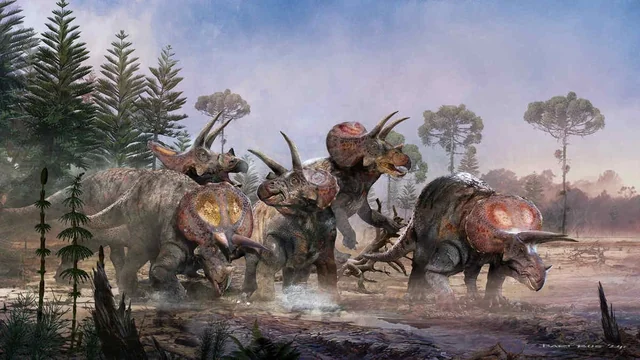
When you picture Triceratops, you probably see a horned tank facing off against a charging predator, but in day-to-day life it was more like a cross between a rhino and a living bulldozer. You would have seen herds of these animals browsing on low-lying plants, stripping leaves and branches, and opening up spaces in the vegetation. That constant feeding and trampling turned them into ecosystem shapers, creating patches where new plants could sprout, much like bison reshape North American grasslands today.
As you follow a herd of Triceratops in your mind, you can imagine dust, broken branches, and freshly exposed soil in their wake. Smaller animals would have taken advantage of that disturbance, feeding on new growth or insects that flourished in churned-up ground. Predators like T. rex likely tracked these herds not only for hunting opportunities but also because the herds themselves concentrated resources. By wearing down paths, redistributing nutrients through dung, and selectively feeding on plants, Triceratops helped maintain a mosaic of habitats rather than a uniform, closed forest.
Stegosaurus: Armored Browser In A World Before Flowers
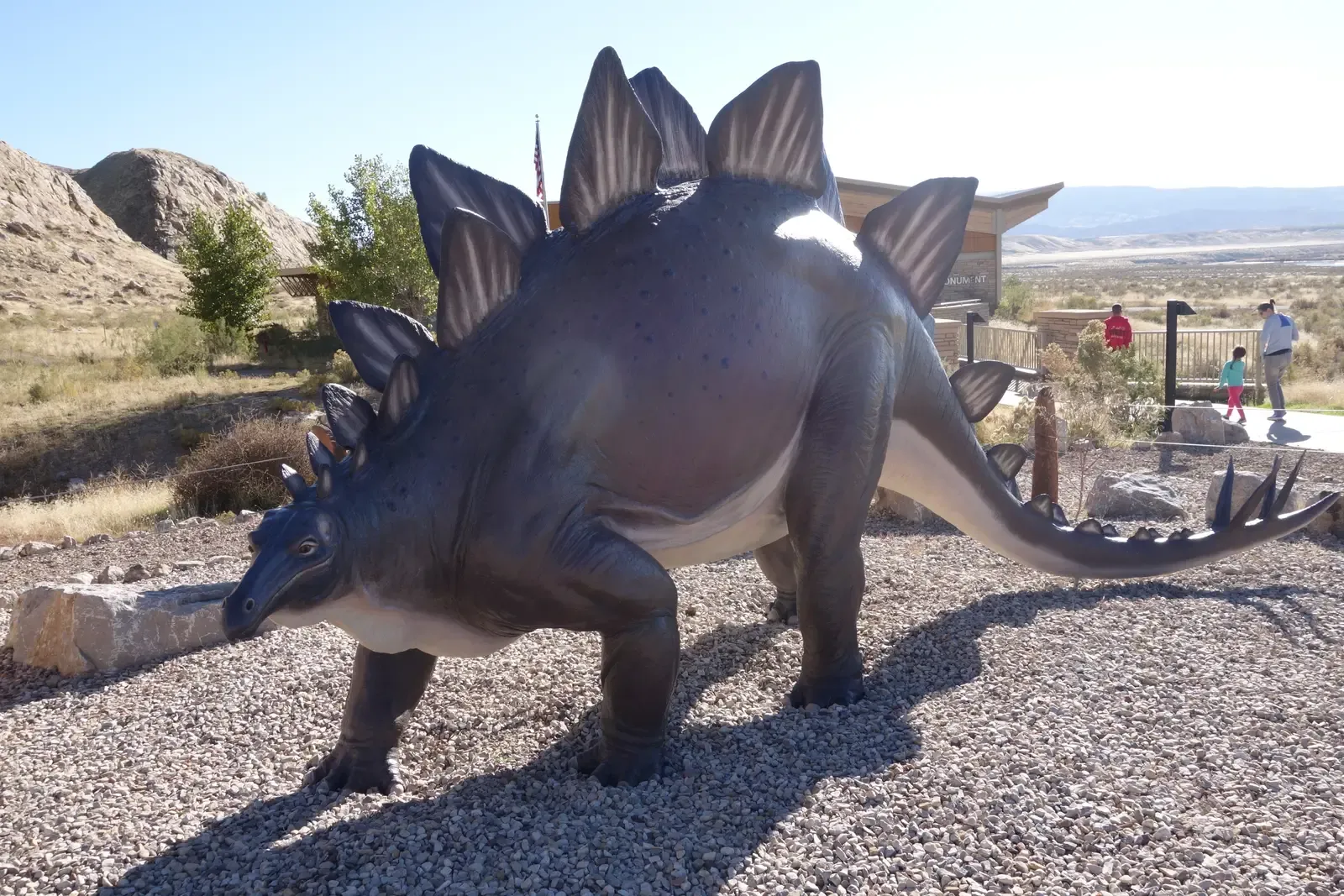
If you step back further in time into the Late Jurassic, you meet Stegosaurus, a dinosaur that looks almost alien to you with its double row of plates and spiked tail. This animal lived in an era before flowering plants had taken over, so it fed mostly on ferns, cycads, and conifers. You can imagine it moving steadily through semi-arid floodplains, head low, beak cropping vegetation, gut working overtime to process tough plant material. In those landscapes, Stegosaurus helped keep older growth in check, opening space for younger plants and maintaining a dynamic plant community.
Those famous back plates probably did more than just make Stegosaurus look impressive. While scientists still debate their exact functions, you can think of them as multi-purpose structures that may have helped with display, temperature regulation, or individual recognition. Whatever their primary role, they signaled that Stegosaurus was not just a passive lump of armor but an active participant in social and ecological interactions. Its spiked tail also meant that predators like Allosaurus had to think twice before attacking, shaping predator behavior and helping maintain a balance between hunter and prey in Jurassic ecosystems.
Allosaurus: The Jurassic Hunter That Balanced Giant Herbivores
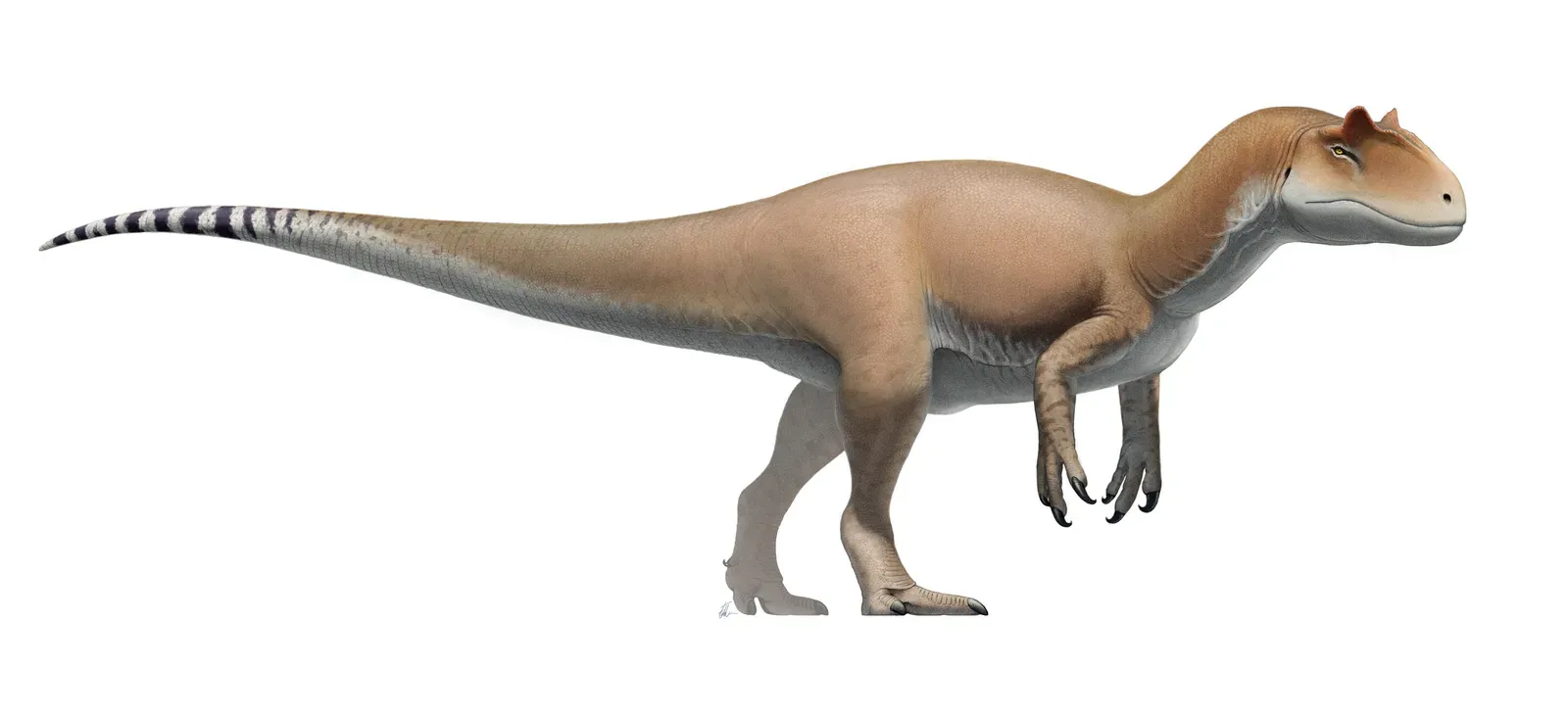
When you place yourself in a Late Jurassic floodplain surrounded by tall conifers and open fern meadows, Allosaurus is the big predator you would most likely fear. It was not as large as T. rex, but in its time and place, it filled a similar top-predator role, targeting large herbivores like sauropods and stegosaurs. By preying on the sick, young, and injured, Allosaurus helped prevent herbivore populations from exploding and stripping the landscape bare. You can think of it as an invisible regulator, keeping the system from tipping into overgrazed chaos.
Allosaurus probably did not hunt alone in choreographed packs the way you see wolves today, but multiple individuals may have been attracted to the same carcass or hunting opportunity. If you imagine a group of Allosaurus worrying at the flanks of a giant sauropod, you can see how their feeding opened up food sources for smaller scavengers once they had taken the best parts. The way they processed kills created a cascade of opportunities for other species, from small dinosaurs to insects. In this way, every big Allosaurus hunt echoed through its ecosystem long after the struggle ended.
Diplodocus: The High-Reach Grazer That Rewired Plant Communities
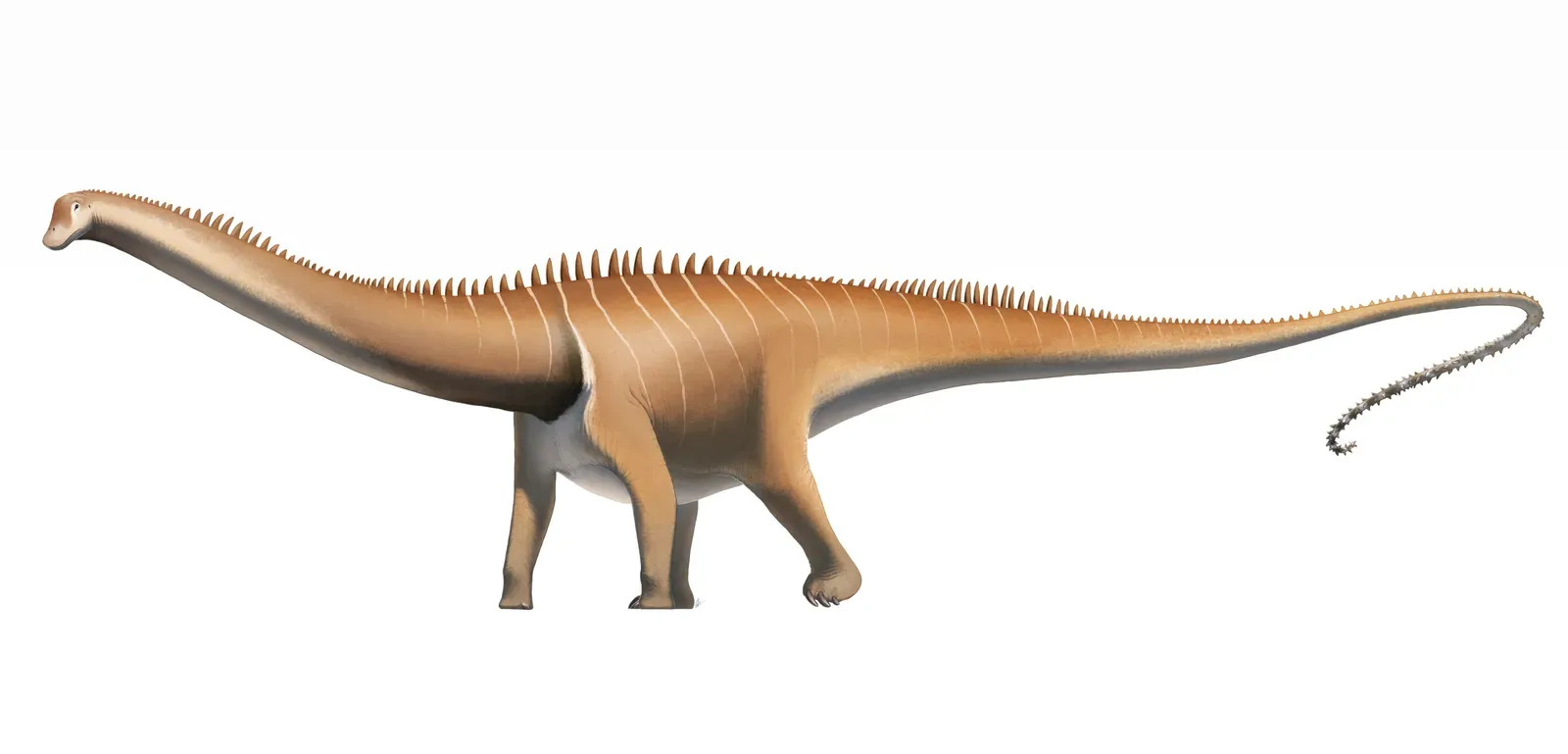
Diplodocus is one of those dinosaurs you almost take for granted, with its long neck and whip-like tail stretched across museum halls. But if you imagine standing under a living Diplodocus in the Jurassic, you start to feel how profoundly it shaped its world. Its long neck let it feed on a wide vertical range of plants, from ground-level ferns up to high branches of conifers. That kind of reach meant it could exploit food sources that smaller herbivores could not touch, affecting which plants survived and where they could grow.
When vast herds of sauropods like Diplodocus moved through an area, they must have created dramatic changes in vegetation, much like herds of elephants do today. You can picture trampled saplings, broken branches, and nutrient-rich dung scattered across the floodplain. Those disturbances favored fast-growing plants that could recover quickly, and over time, that selective pressure probably shifted plant communities toward species that could withstand heavy browsing. Diplodocus did not just live in its environment; it constantly remodeled it through sheer scale and appetite.
Velociraptor: Small Predator In A Harsh Desert World
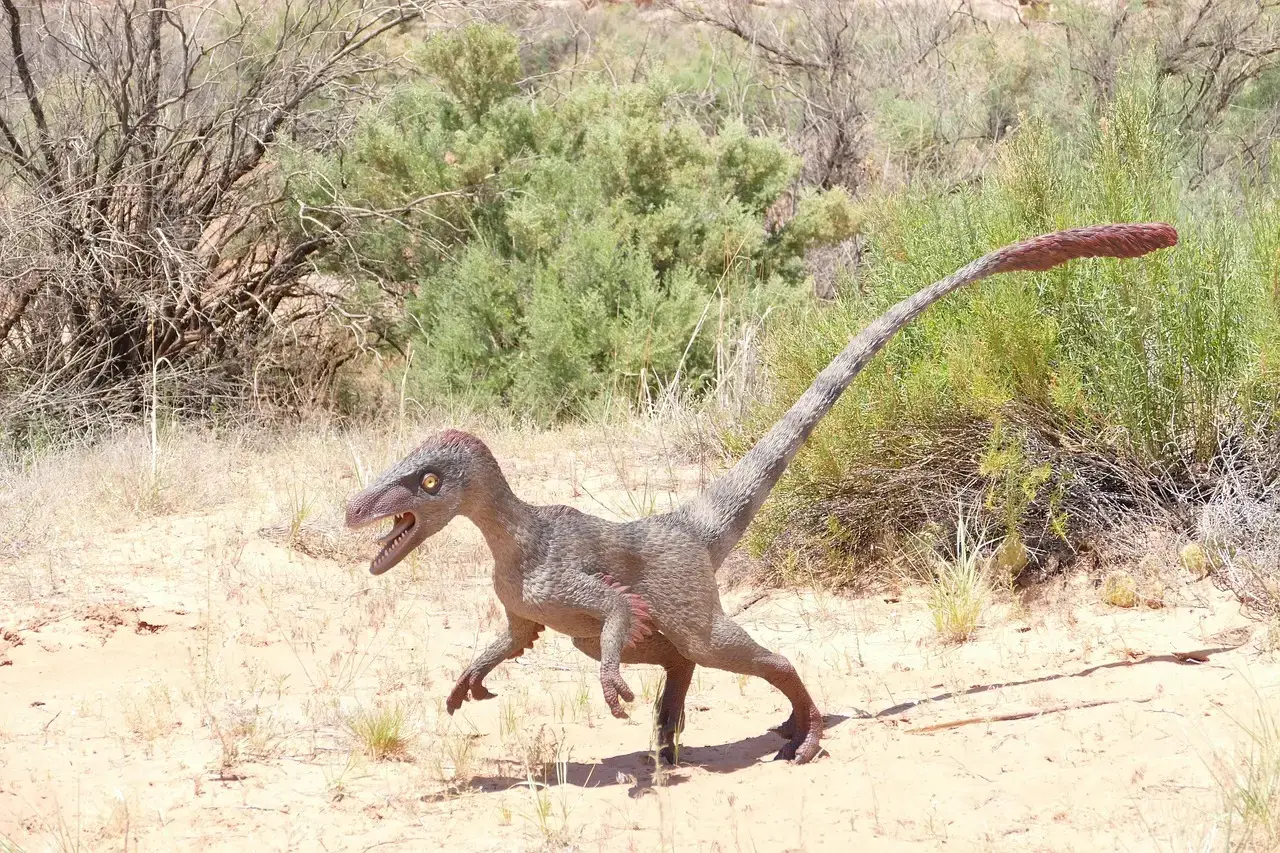
Because of movies, you might picture Velociraptor as a human-sized jungle hunter, but the real animal was smaller and lived in drier, harsher environments. In Late Cretaceous deserts and semi-arid regions of what is now Mongolia, you would have seen Velociraptor as a lithe, feathered predator about the size of a large turkey or small dog. It likely hunted smaller animals and perhaps scavenged when opportunities arose, using agility and sharp sickle-shaped claws more than brute force. In that setting, it filled the role that foxes or medium-sized cats fill in many ecosystems today.
If you walk through that ancient desert in your mind, you can picture Velociraptors weaving among sand dunes and sparse vegetation, stalking lizards, mammals, and small dinosaurs. Their presence kept smaller herbivores alert and on the move, which prevented localized overgrazing and concentrated their impact over wider areas. They also competed with other small predators, creating a complex web of interactions that determined who got access to limited resources. Even though they were not the largest or strongest dinosaurs, their numbers and adaptability made them crucial players in their ecosystems.
Hadrosaurus And The Duck-Billed Dynasty Of Herbivores
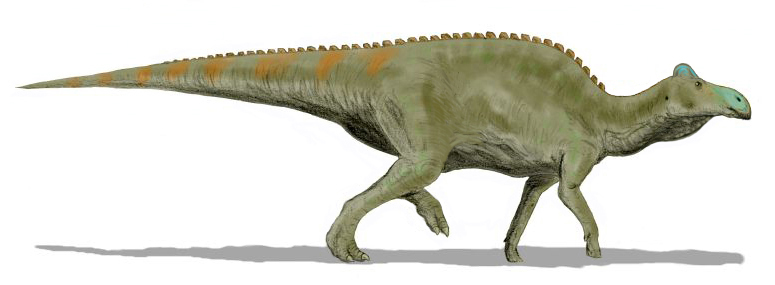
When you think about the Late Cretaceous of North America and Asia, you should picture duck-billed dinosaurs, or hadrosaurs, as the backbone of many ecosystems. Hadrosaurus and its relatives were incredibly successful medium to large herbivores, often moving in large groups and feeding on a wide range of plants. Their complex tooth batteries allowed them to grind tough vegetation the way grazing mammals do today. That versatility meant they could exploit different plant communities and thrive across varied environments, from coastal plains to inland forests.
Because hadrosaurs were so abundant, they acted as primary energy converters, turning plant matter into flesh that supported predators, scavengers, and even decomposers. You can imagine vast migratory movements or seasonal shifts in their ranges, redistributing nutrients through dung and carcasses as they went. Their feeding patterns influenced which plants spread and which retreated, while their nesting colonies disturbed soils and created open patches for new growth. If you look at a Late Cretaceous food web, hadrosaurs sit right in the middle, tying plants to predators in a way few other dinosaur groups managed.
Ankylosaurus: Living Tank And Understory Gardener
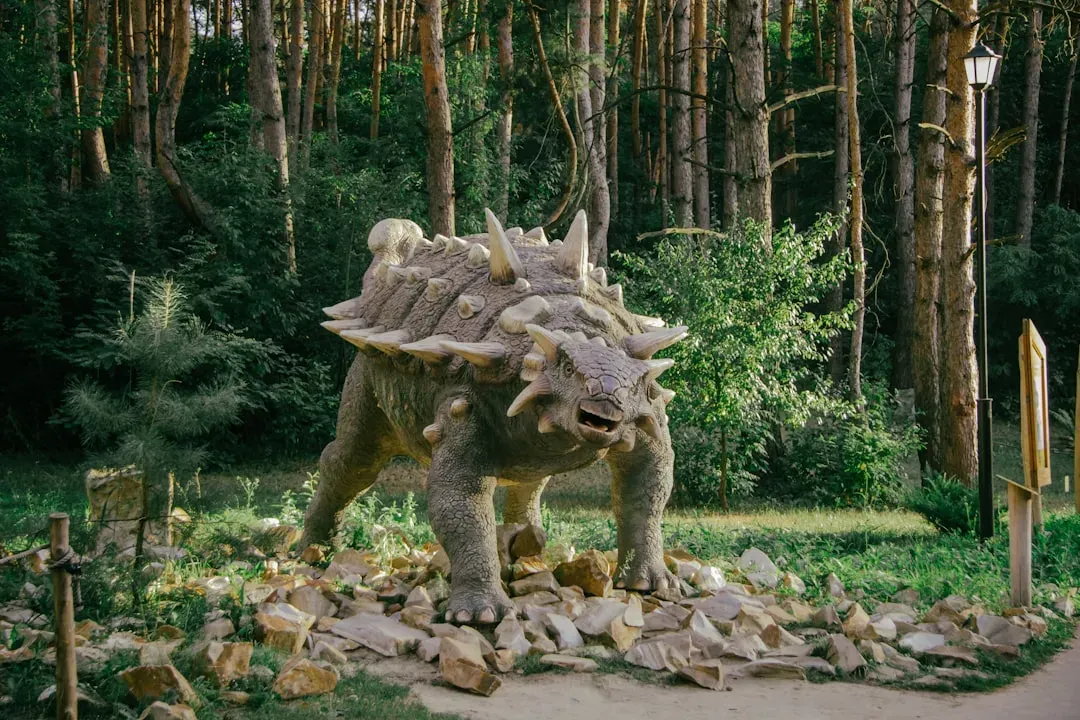
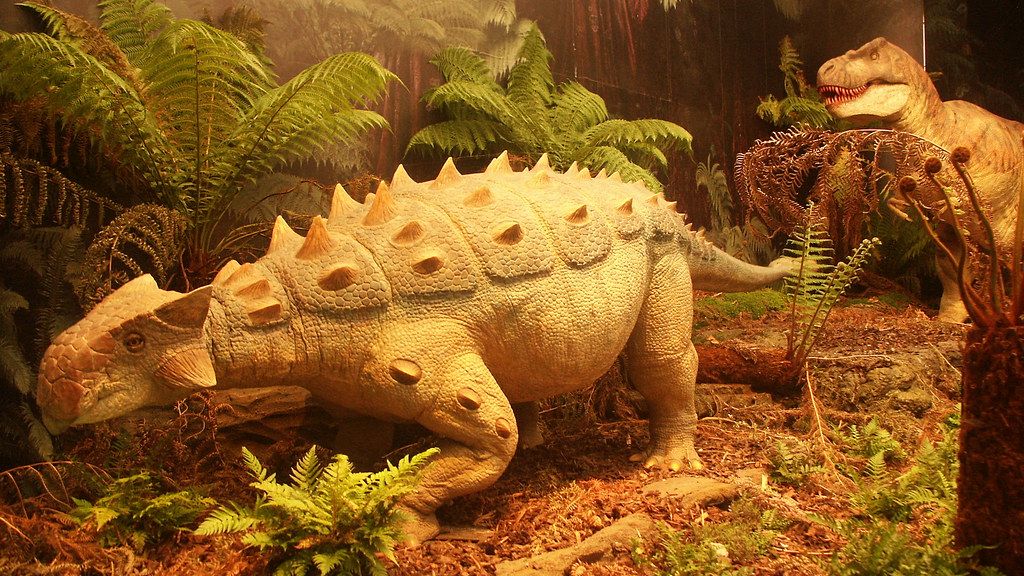
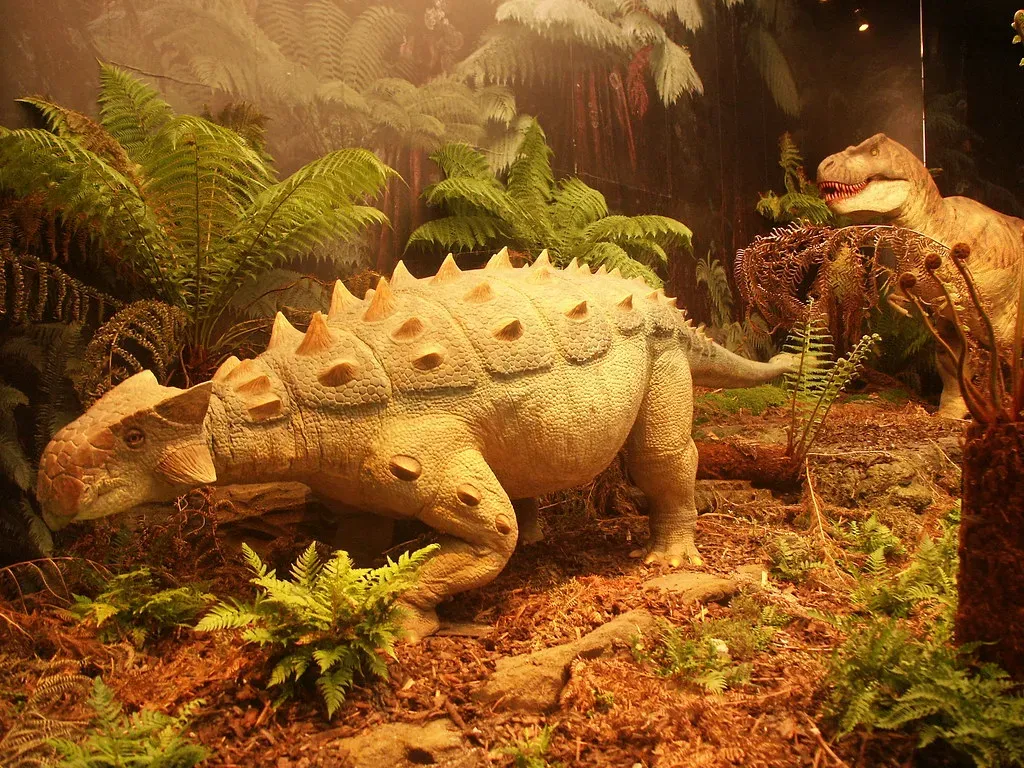
When you encounter Ankylosaurus in your imagination, you probably notice its armor and massive tail club first, and that makes sense. This dinosaur was essentially a living tank, with bony plates embedded in its skin and a tail capable of delivering devastating blows. But if you pull back and watch how it behaved in its environment, you see a low-slung browser that likely focused on low-growing plants, shrubs, and possibly fallen branches. In that niche, it quietly managed the understory vegetation in forests and floodplains.
As it fed, Ankylosaurus would have opened up space at ground level, changing how light reached the soil and how seedlings established themselves. Its heavy body and short legs meant it did not move as far or as quickly as other herbivores, so its impact was more localized and intense. That patchy feeding could have created pockets of different plant communities right next to each other, increasing habitat variety for insects, small vertebrates, and other organisms. Meanwhile, its armor and tail club discouraged most predators, which meant it could go about this ecosystem gardening with relatively little threat compared to more vulnerable herbivores.
Spinosaurus: Semi-Aquatic Giant Of River And Delta Ecosystems
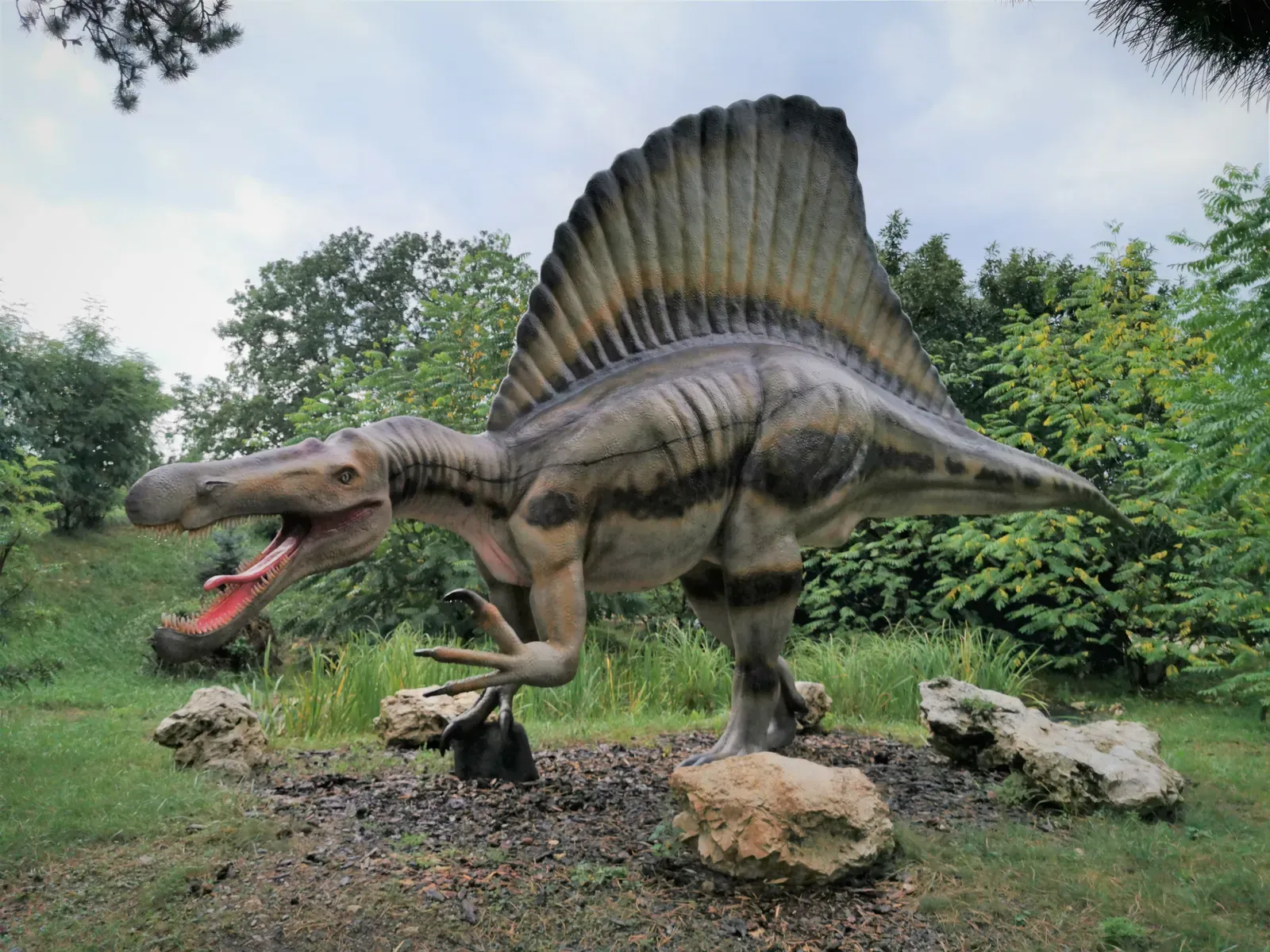
If you shift your view to ancient North African river systems and coastal deltas, Spinosaurus steps into focus as one of the strangest large theropods you’ll ever meet. With its elongated snout, conical teeth, and crocodile-like adaptations, it appears to have been strongly tied to aquatic or semi-aquatic habitats. You can picture it wading through shallow rivers or stalking fish-rich channels, using its snout to grab slippery prey. That lifestyle set it apart from more land-focused predators and carved out a unique top role in riverine food webs.
By focusing so heavily on aquatic prey, Spinosaurus linked water ecosystems to the surrounding land in a powerful way. Nutrients from fish and other aquatic animals ended up in its body and, eventually, its dung or carcass, returning to soils and feeding terrestrial decomposers and scavengers. Its presence likely influenced the behavior and distribution of other predators, which might have avoided the water’s edge when Spinosaurus was around. If you think about modern ecosystems where large crocodiles or bears dominate river corridors, you get a sense of how Spinosaurus helped structure access to some of the richest food resources in its world.
Parasaurolophus: Social Herds And Sonic Landscapes
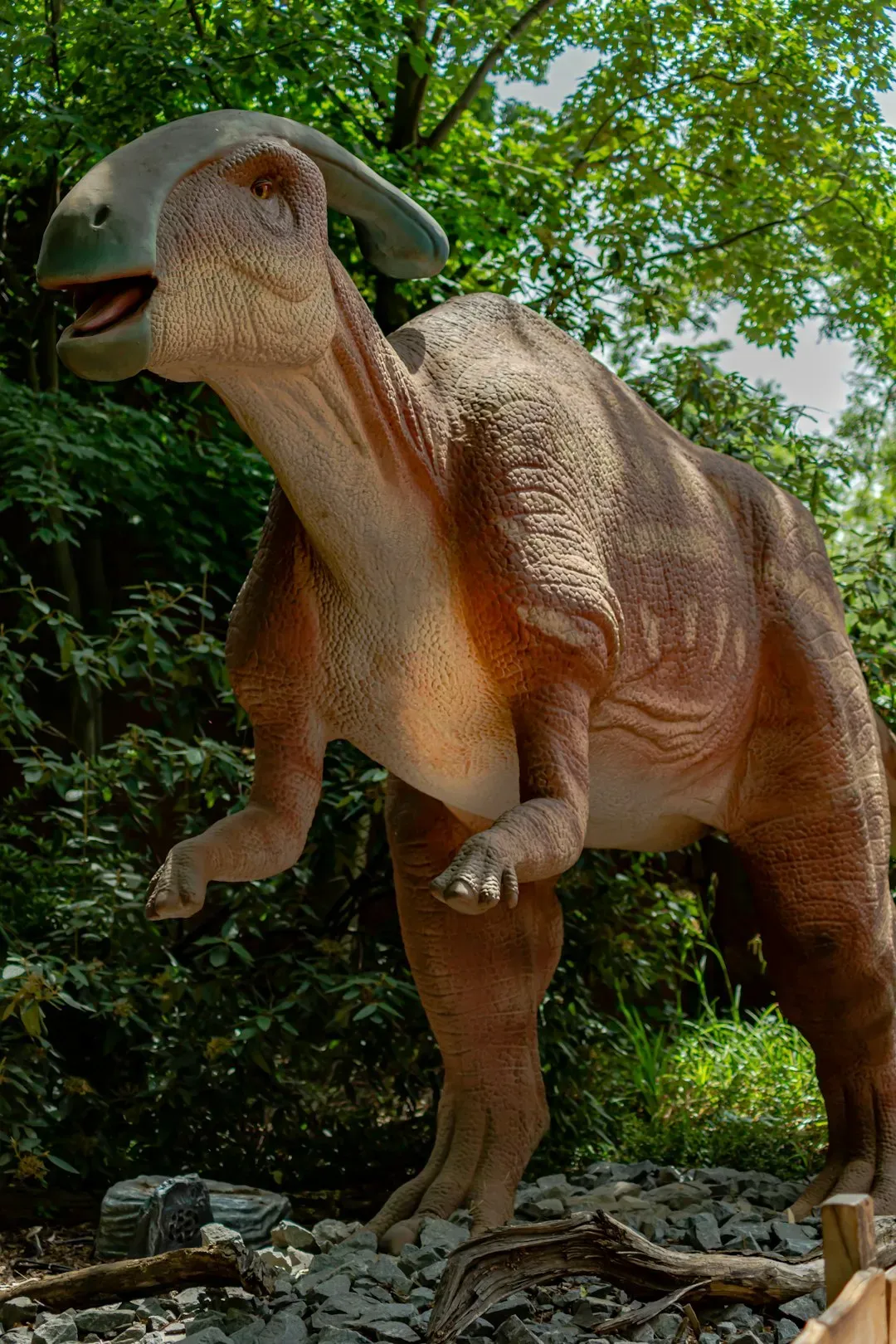
Parasaurolophus catches your eye mainly because of that long, backward-curving crest, but its ecological role goes deeper than impressive looks. This hadrosaur lived in Late Cretaceous environments of North America, where it probably moved in social groups across floodplains, forests, and lake margins. Like other duck-billed dinosaurs, it could process a wide variety of plant material, helping to shape plant communities through heavy, repeated browsing. Where these herds traveled, they would have left trampled trails and grazed zones that other species could exploit.
That crest may have been used to produce sounds, which suggests to you that Parasaurolophus helped define not just the physical but also the acoustic environment of its ecosystem. Imagine deep, resonant calls carrying over misty rivers at dawn, coordinating herd movements or signaling individuals across distances. These vocal displays influenced social interactions, mating opportunities, and possibly even predator avoidance. By gathering in large numbers and communicating across landscapes, Parasaurolophus herds created moving centers of activity that pulled in predators, scavengers, and smaller species looking to benefit from their disturbance.
Coelophysis: Early Carnivore In The Dawn Of Dinosaur Ecosystems
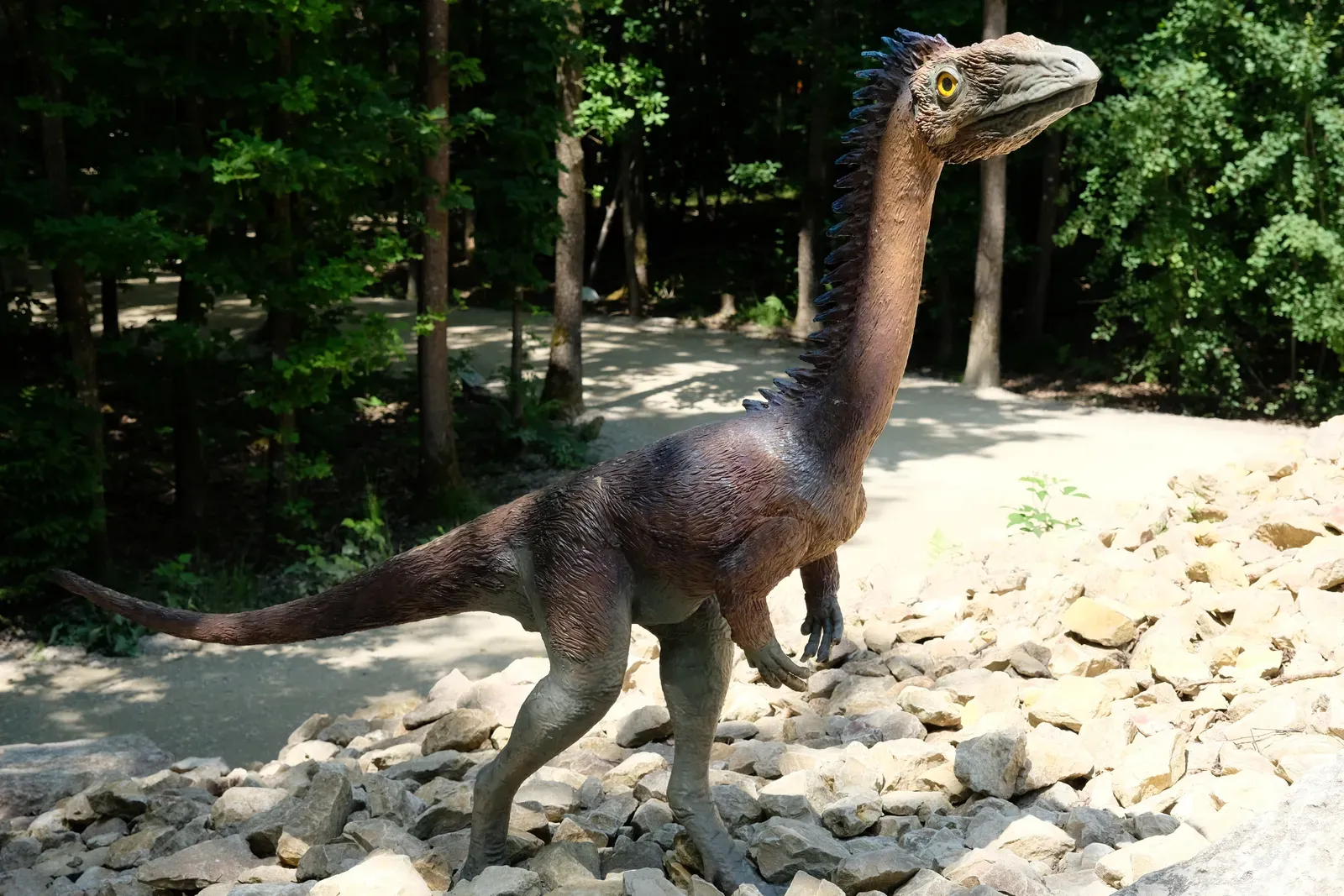
If you travel all the way back to the Late Triassic, long before the giants appeared, Coelophysis is waiting for you as one of the earlier, more widespread theropods. It was a slender, lightly built predator, probably preying on small reptiles, early mammals, and juvenile dinosaurs. In those relatively new dinosaur-dominated ecosystems, Coelophysis played a role similar to that of small to medium predators in modern woodlands and floodplains. It did not tower over its environment, but it helped structure the lower tiers of the food web.
Because Coelophysis appears in large numbers at some fossil sites, you can picture it as a common sight in its habitats, constantly on the move and testing every corner for food. Its presence would have put steady pressure on small prey populations, pushing them to hide, burrow, or adapt new defenses. At the same time, Coelophysis itself was prey for larger predators and possibly for giant amphibians that still survived in some regions. Its position in the middle of these early food webs helped stabilize them and gave dinosaurs a foothold as an increasingly important group in Mesozoic ecosystems.
Conclusion: A World Built On Interlocking Roles
When you pull back from these 11 dinosaurs and look at the Mesozoic as a whole, you stop seeing isolated creatures and start seeing a tightly woven network of roles. Top predators like T. rex and Allosaurus controlled herbivore populations, while giant plant-eaters like Diplodocus and Triceratops reshaped forests and floodplains with every mouthful. Smaller predators such as Velociraptor and Coelophysis kept the lower levels of the food web in motion, and odd specialists like Spinosaurus connected aquatic and terrestrial worlds. Even heavily armored or seemingly slow animals like Ankylosaurus turned out to be quiet engineers of the spaces near the ground.
As you look at modern ecosystems, from African savannas to river deltas and temperate forests, you can still recognize patterns that echo the age of dinosaurs: apex predators, bulk grazers, stealthy mid-sized hunters, and social herbivores that shape the land simply by living in it. The names have changed, but the underlying rhythms of energy flow and ecological balance feel surprisingly familiar. In that sense, when you imagine these dinosaurs, you are not just looking into a lost world; you are seeing an earlier draft of the one you live in now. Which role do you find yourself most drawn to: the lone hunter, the herd shaper, or the quiet engineer working in the background?