The prehistoric world is one of humanity’s most enduring obsessions. Think about it – we are drawn to creatures we will never see, touch, or hear, yet somehow feel we know deeply. There is something almost magical about the way a single bone poking out of a desert cliff can unravel millions of years of mystery in one afternoon.
What you might not realize, though, is just how radically new discoveries have forced scientists to tear up their old textbooks and start again from scratch. The story of ancient Earth is not settled. It is alive, volatile, and constantly surprising. Buckle up, because what follows will genuinely change how you picture the age of dinosaurs. Let’s dive in.
Megalosaurus: The Fossil That Started Everything
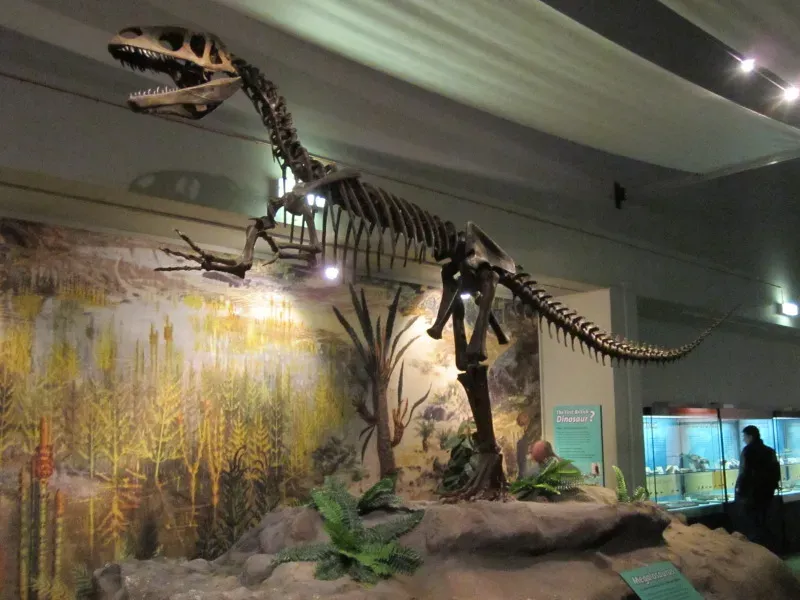
Imagine holding a jawbone so strange and so massive that it defies any creature you have ever known. That is essentially what scientist William Buckland faced in the early 1800s. On February 20, 1824, during a meeting of the Geological Society of London, paleontologist William Buckland formally introduced Megalosaurus, and in doing so, accidentally launched one of the most exciting scientific fields in human history.
In 1842, Richard Owen decided that these fossils were so utterly different from any known reptiles that they deserved to be classified as a completely new group of giant fossil reptiles: Dinosauria, meaning “terrible, or fearfully great, reptiles.” Before that moment, nobody on Earth had ever heard the word “dinosaur.” Honestly, let that sink in. You can think of Megalosaurus as the key that unlocked an entire hidden chapter of Earth’s story, one buried just beneath our feet.
Feathered Dinosaurs from China Changed the Bird-Dino Link Forever
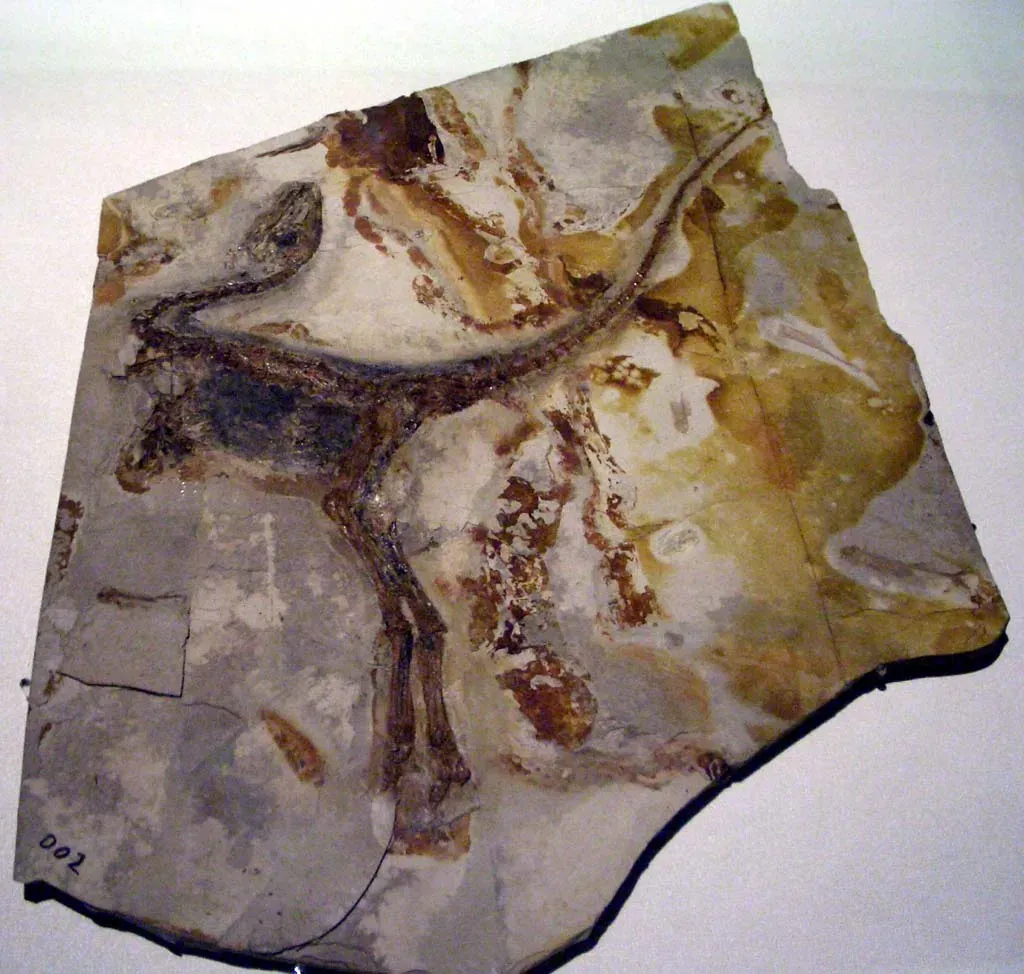
For the longest time, people pictured dinosaurs as cold, scaly, slow-moving lizard-like giants. That image was about to get a dramatic makeover. In the 1990s, fossils unearthed in China definitively revealed that dinosaurs had feathers, confirming a long-held theory that they are the direct ancestors of the birds that flap around in backyards. This was not a minor update – it was a full revolution.
Sinosauropteryx, meaning “Chinese reptilian wing,” is an extinct genus of coelurosaurian theropod dinosaurs. Described in 1996, it was the first dinosaur taxon outside of Avialae to be found with evidence of feathers. It was covered with a coat of very simple filament-like feathers. Even more remarkably, in some feathered fossils, tiny structures called melanosomes that once contained pigment are preserved. By comparing the melanosomes with those of living birds, scientists can tell the possible original colors of the feathers. Your backyard robin, it turns out, is far more “dinosaur” than you ever imagined.
Archaeopteryx: The Original Missing Link Between Reptiles and Birds
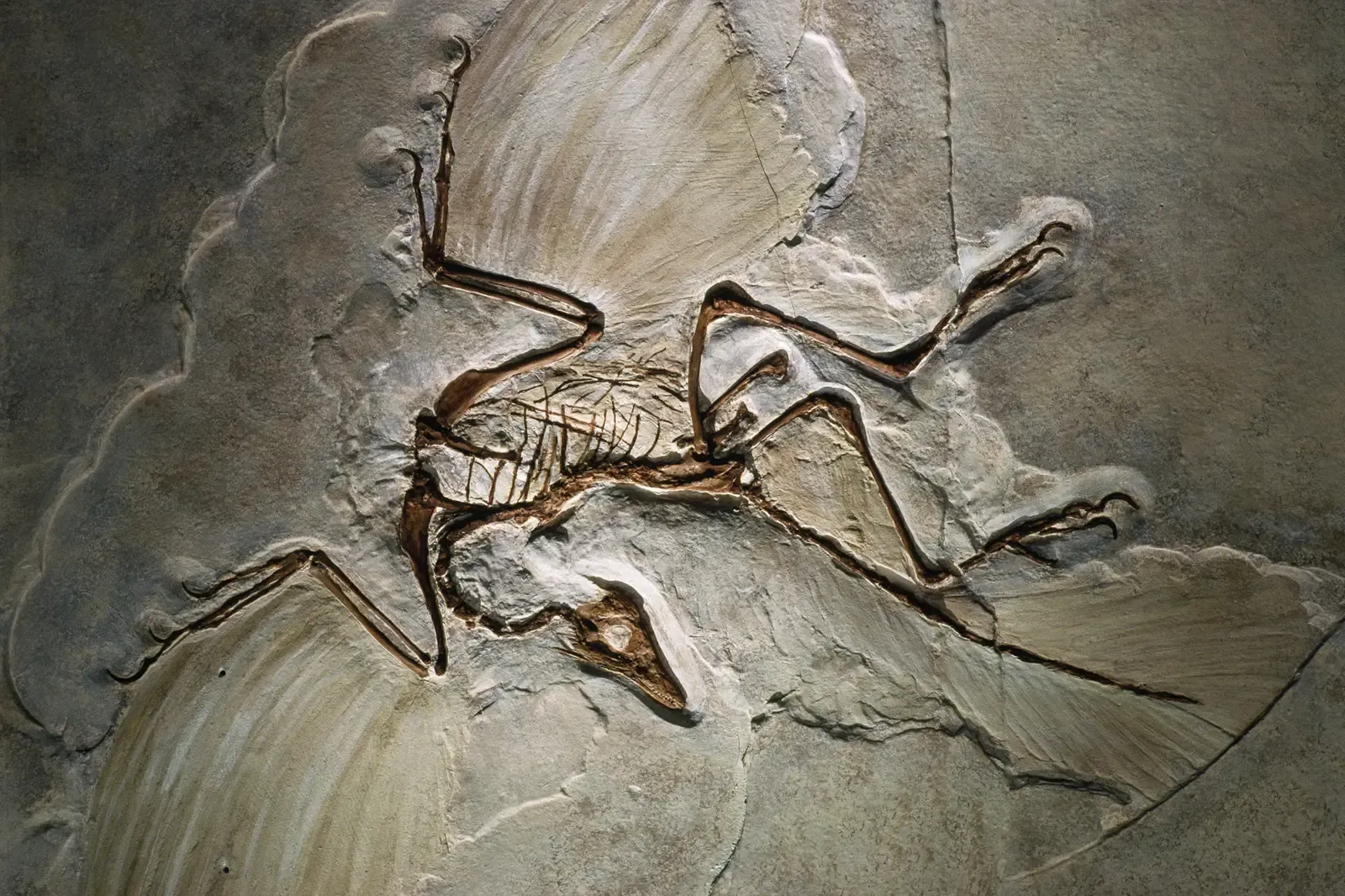
Few fossils have ever caused as much scientific excitement as the discovery of Archaeopteryx. This animal was an absolutely perfect “missing link” that connected living birds with feathers to the group of scaly reptiles with teeth in their jaws, clawed fingers and long bony tails. It was the kind of fossil that appears in your scientific dreams – a creature caught perfectly between two worlds, like a sentence whose first half is one language and second half is another.
Just a few years after this discovery was announced, a friend and colleague of Darwin’s, Thomas Henry Huxley, suggested on the basis of the structure of Archaeopteryx that birds and dinosaurs were close relatives. Not many agreed with Huxley at the time, but he has been proved to have been absolutely correct. It is hard to say for sure whether scientists of that era fully appreciated what they were looking at, but the fossil they held in their hands would permanently rewire evolutionary science for generations to come.
Patagotitan Mayorum: The Largest Land Animal That Ever Walked the Earth
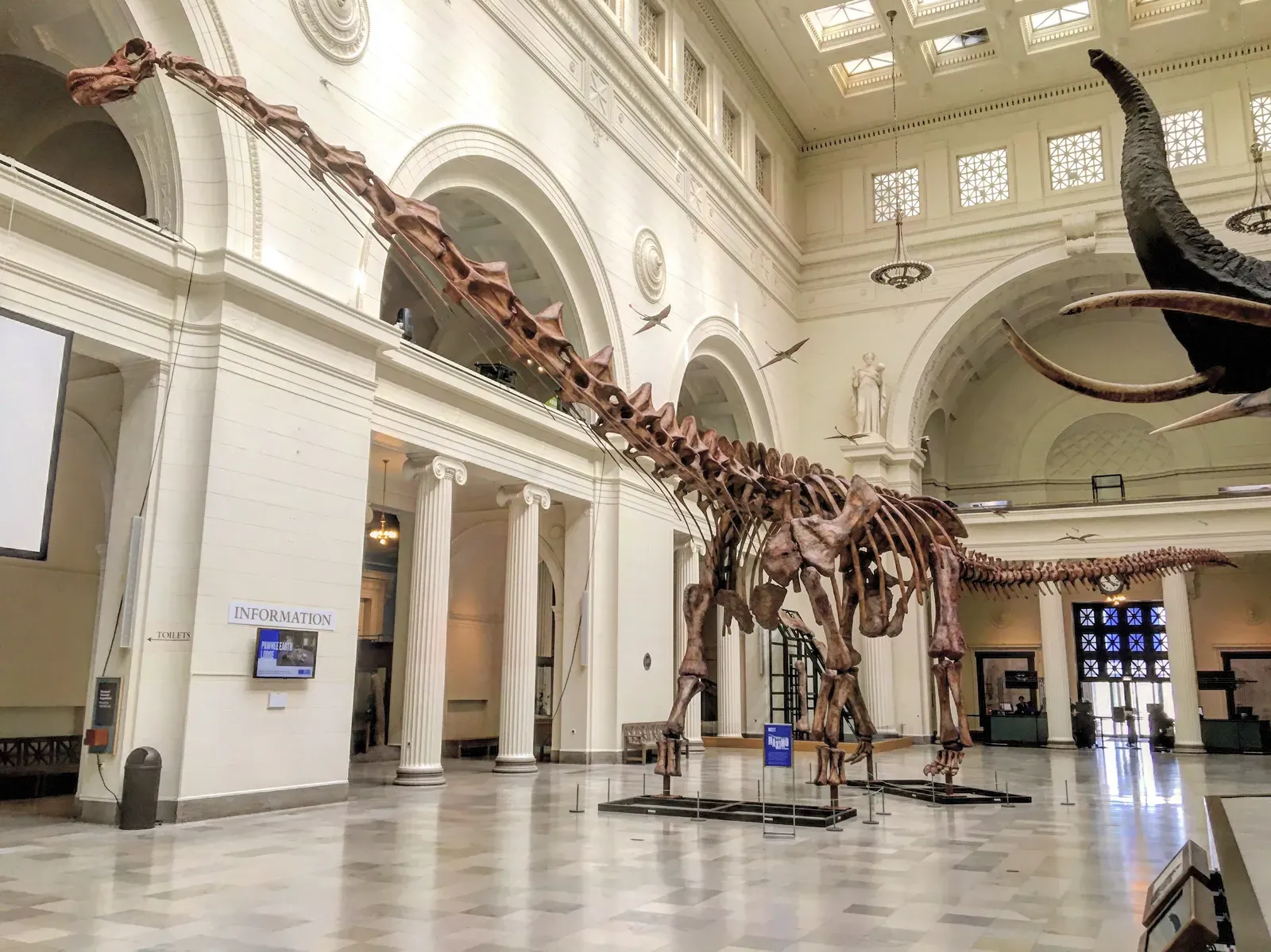
Here’s the thing – we talk about big animals all the time. But nothing really prepares you for Patagotitan mayorum. Clocking up some 57 tonnes in weight and measuring 37 metres from nose to tail, Patagotitan is the largest, most complete dinosaur currently known. To put that into perspective, this creature was roughly as long as four double-decker buses placed end to end. Staggering does not even begin to cover it.
Patagotitan was found at La Flecha Ranch in Patagonia, Argentina, in 2010, when a ranch worker spotted an enormous dinosaur bone poking out of the ground. Scientists were brought in to investigate, and during digs in 2012, 2013 and 2015, they unearthed hundreds of fossil bones belonging to at least six dinosaurs, which died and were buried in three distinct floods. In Patagonia, paleontologists uncovered the remains of Patagotitan mayorum, a massive titanosaur that quickly became a contender for the title of the largest land animal ever discovered. Estimated to exceed 120 feet in length and weigh around 69 tons, this colossal sauropod offered new insight into the size limits of terrestrial vertebrates.
The Chicxulub Crater: Earth’s Most Consequential Scar
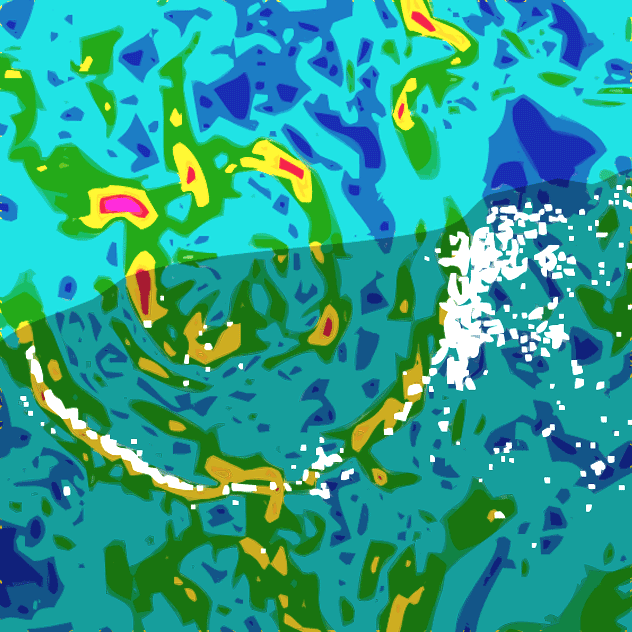
You might think that knowing what killed the dinosaurs would have been obvious early on. Surprisingly, it was not. For decades, scientists argued over volcanic eruptions, climate shifts, and a dozen other theories. Then came the breakthrough that settled it all. In the late 1970s, geologist Walter Alvarez and his father, Nobel Prize-winning scientist Luis Walter Alvarez, put forth their theory that the Cretaceous-Paleogene extinction was caused by an impact event. The main evidence was contained in a thin layer of clay at the Cretaceous-Paleogene boundary in Gubbio, Italy. The Alvarezes reported that it contained an abnormally high concentration of iridium, a chemical element rare on Earth but common in asteroids.
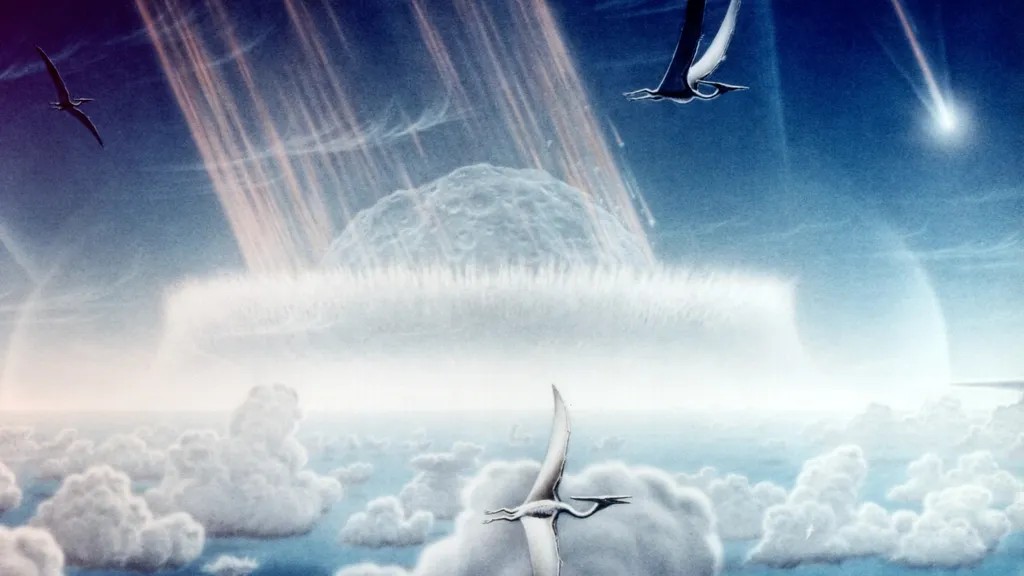
The Chicxulub crater was formed slightly over 66 million years ago when an asteroid, about ten kilometers in diameter, struck Earth. The crater is estimated to be 200 kilometers in diameter and is buried to a depth of about 1 kilometer beneath younger sedimentary rocks. It is now widely accepted that the devastation and climate disruption resulting from the impact was the primary cause of the Cretaceous-Paleogene extinction event, a mass extinction of 75% of plant and animal species on Earth, including all non-avian dinosaurs. One rock, one moment, and life on Earth was never the same again.
Nanotyrannus: The Discovery That Turned T. rex Research Upside Down
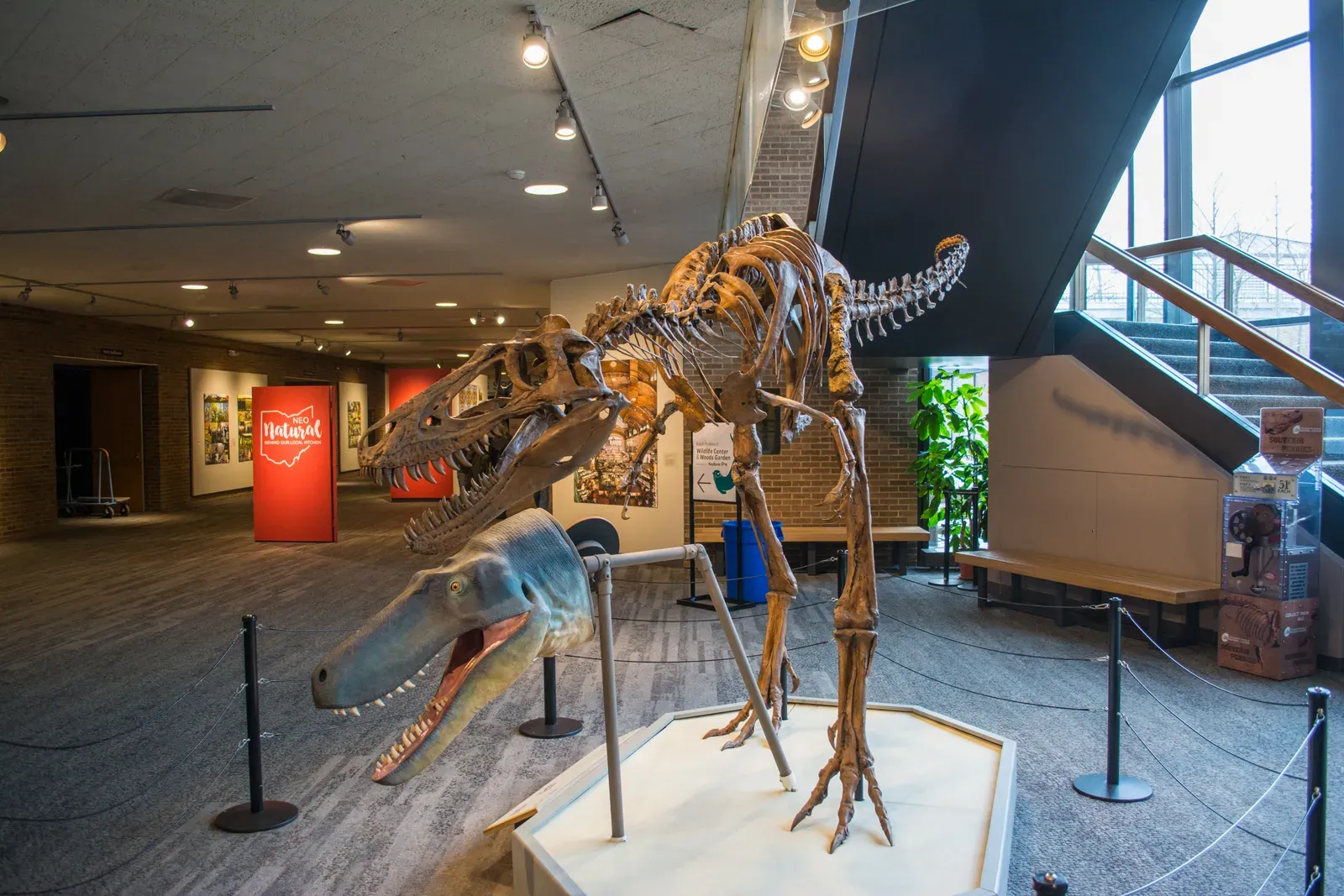
For decades, paleontologists thought Nanotyrannus was simply a teenage T. rex. Turns out they were looking at something else entirely, and the implications are massive. The fossil, part of the legendary “Dueling Dinosaurs” specimen unearthed in Montana, contains two dinosaurs locked in prehistoric combat: a Triceratops and a small-bodied tyrannosaur. That tyrannosaur is now confirmed to be a fully grown Nanotyrannus lancensis, not a teenage T. rex, as many scientists once believed.
For years, paleontologists used Nanotyrannus fossils to model T. rex growth and behavior. This new evidence reveals that those studies were based on two entirely different animals, and that multiple tyrannosaur species inhabited the same ecosystems in the final million years before the asteroid impact. Think about what that means – every textbook chapter on T. rex development now needs a rethink. The find will cause paleontologists to reconsider how T. rex grew up and how both predatory species coexisted. It is one of the most deliciously disruptive discoveries in modern paleontology.
Spinosaurs in Europe: Rewriting the Map of Prehistoric Predators
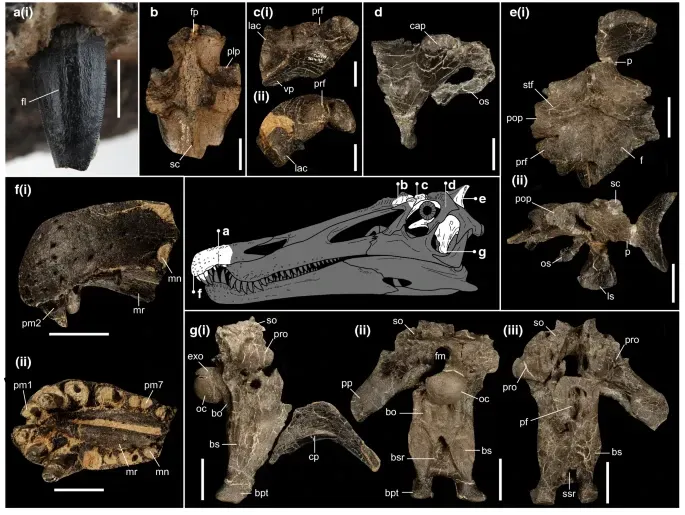
Most people, if asked where spinosaurs came from, would say Africa. That assumption seemed perfectly reasonable for a long time. Then, a pair of new fossil finds from a small English island sent scientists back to the drawing board. In 2021, paleontologists identified two new spinosaurid species, Ceratosuchops inferodios and Riparovenator minerae, from sediments on the Isle of Wight in the United Kingdom. These semi-aquatic predators, adapted for hunting fish, expanded the known diversity of spinosaurs in Early Cretaceous Europe. Their discovery challenged the assumption that spinosaurs originated primarily in Africa, suggesting that the group may have evolved first in Europe before dispersing to other continents.
Both species revealed unique anatomical traits suited to life along waterways, highlighting the ecological variety within this enigmatic family of predators. Let’s be real – the idea that a crocodile-snouted, fish-hunting predator was roaming what is now an English holiday island is both ridiculous and absolutely wonderful. It is a reminder that ancient Earth would be almost unrecognizable to us today, a planet shaped by creatures whose stories we are still slowly, patiently unfolding.
Pangaea’s Breakup: The Continental Discovery That Redefined Dinosaur Distribution
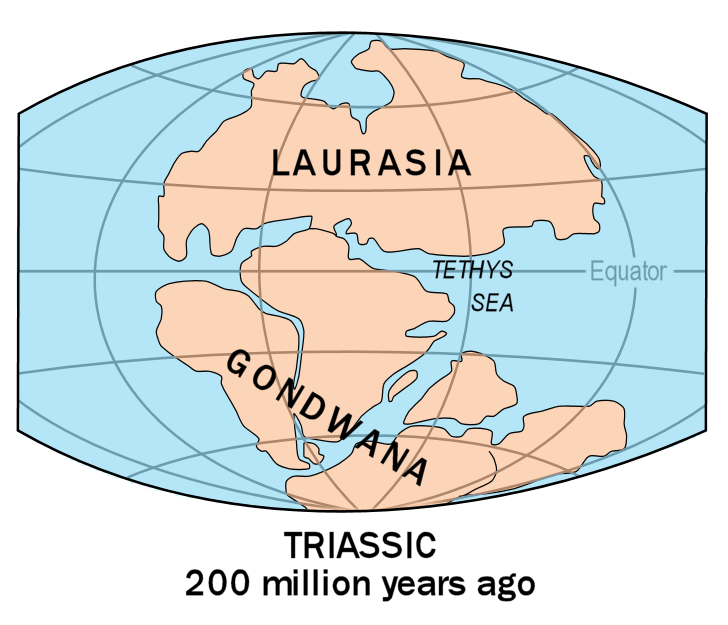
Here is one that operates on a truly jaw-dropping scale. The discovery and scientific confirmation that all of Earth’s continents were once joined into a single supercontinent – Pangaea – completely transformed our understanding of why similar dinosaur fossils appear on opposite sides of the planet. At the outset of the Mesozoic, all of Earth’s continents were joined together into the supercontinent of Pangaea. By the close of the era, Pangaea had fragmented into multiple landmasses. The fragmentation began with continental rifting during the Late Triassic. This separated Pangaea into the continents of Laurasia and Gondwana.
The Mesozoic Era is divided into three periods: the Triassic, Jurassic, and Cretaceous, during which continents began to break apart from the supercontinent Pangaea, leading to a configuration closer to what we see today. Think of it like a giant prehistoric puzzle – one that was slowly, relentlessly pulling itself apart over millions of years. Major new dinosaur discoveries have been made by paleontologists working in previously unexplored regions, including India, South America, Madagascar, Antarctica, and most significantly China, and the continental drift story explains exactly why that is. Dinosaurs did not stay in one place because the land beneath their feet refused to.
Conclusion
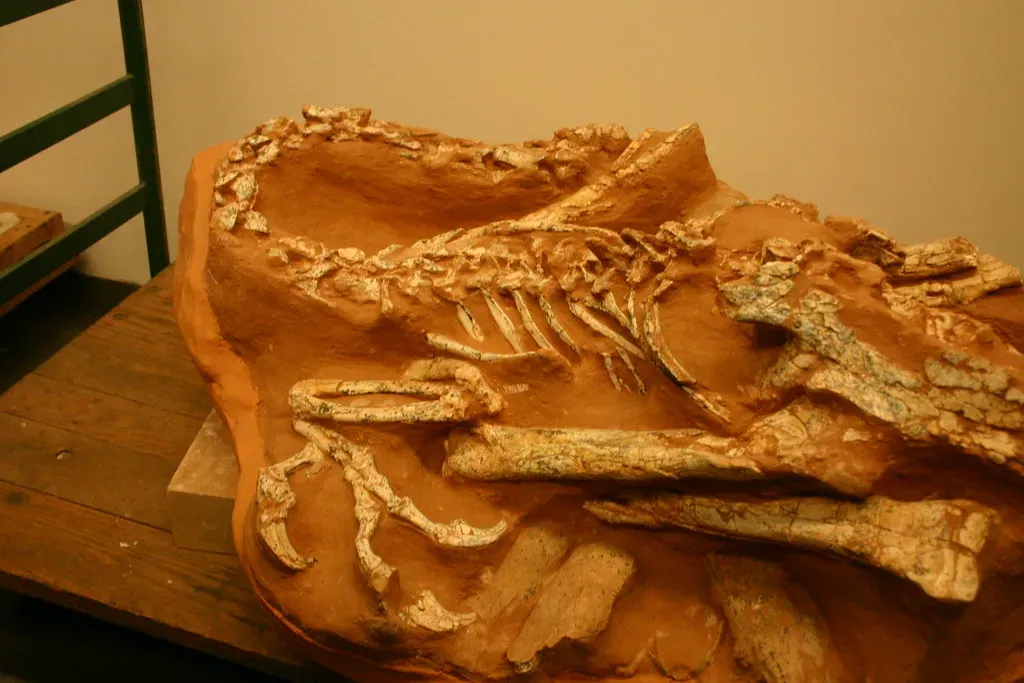
What unites all eight of these discoveries is something genuinely profound – each one forced the scientific world to admit it was wrong, and then bravely start again. From the very first named dinosaur to a tiny metal element in Italian clay that pointed to a city-sized rock from space, the story of ancient Earth is one of perpetual surprise. It is humbling. It is thrilling. It is science at its most honest.
The Mesozoic era ended roughly 66 million years ago, yet we are still only beginning to truly understand it. Dinosaurs may be long extinct, but 2025 made it abundantly clear that they are anything but settled science. Over the past year, new fossils, reanalyses of famous specimens and the use of increasingly sophisticated tools have continued to upend what we thought we knew about how these animals lived. Every shovelful of desert sand, every crumbling cliff face, every overlooked museum drawer could be hiding the next world-changing fossil. What ancient secret do you think is still waiting to be found?