Articles for author: Awais Khan

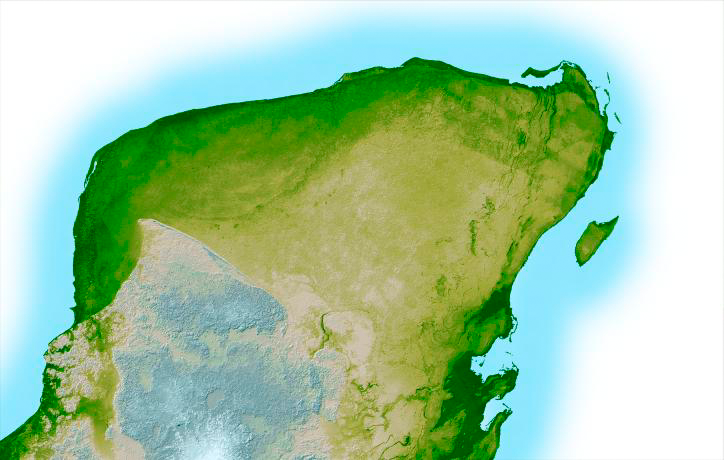
Digital elevation map of the Yucatán Peninsula with green land masses and light blue water. Elevation changes highlighted in darker shades.

How the Chicxulub Impact Changed Life Forever

The day Earth changed forever arrived approximately 66 million years ago when a massive asteroid, roughly 10-15 kilometers in diameter, slammed into what is now the Yucatán Peninsula in Mexico. This cataclysmic event, known as the Chicxulub impact, represents one of the most significant turning points in our planet’s history. The collision released energy equivalent ...

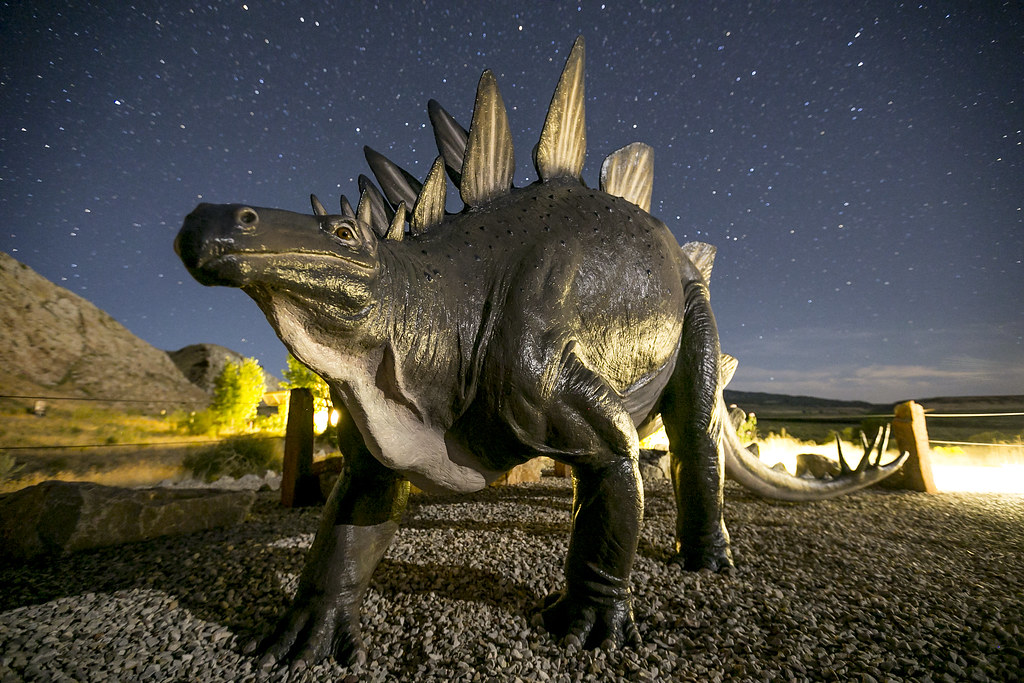
The discovery of marine fossils alongside dinosaur remains illuminates the complex ecological connections that existed between terrestrial and marine environments during the Mesozoic Era.

10 Dinosaurs That Could Swim

In the vast prehistoric world, dinosaurs dominated land environments for over 165 million years. However, not all dinosaurs were confined to terrestrial habitats. Recent paleontological discoveries have revealed that several dinosaur species possessed adaptations that enabled them to navigate aquatic environments with remarkable proficiency. From specialized limbs to streamlined bodies, these swimming dinosaurs challenge our ...

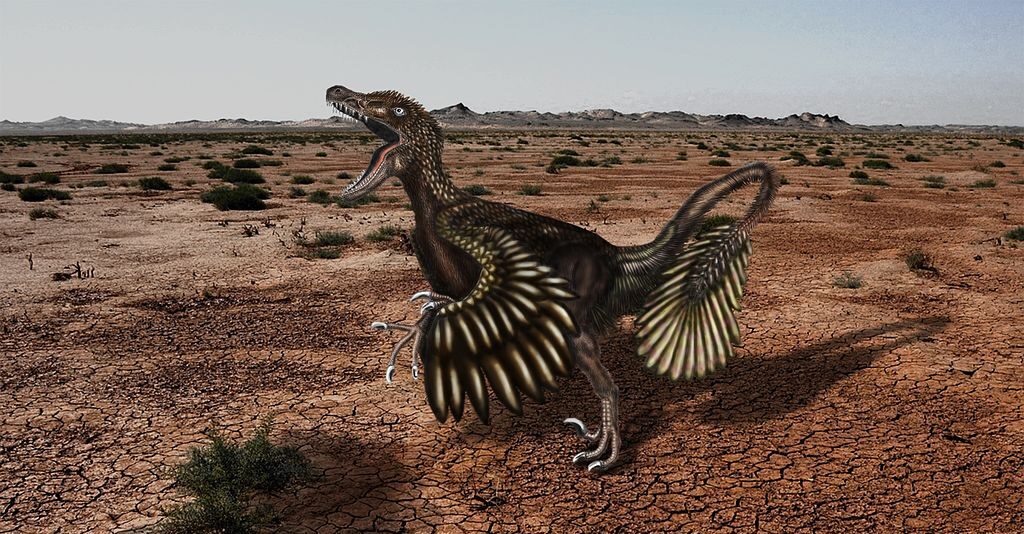
Velociraptor Mongoliensis Painting

Could Raptors Fly? Some Scientists Think So

The iconic image of raptors as earth-bound, speedy predators has dominated both scientific literature and popular culture for decades. However, recent paleontological discoveries and innovative research techniques have prompted some scientists to reconsider whether these fearsome dinosaurs might have possessed limited flight capabilities. This controversial hypothesis has ignited passionate debates within the paleontological community, challenging ...

Large blue T-Rex statue in snowy park, mouth open in a roar. Dinosaur eggs nearby, with buildings and trees in the background. Majestic and thrilling.

Why Dinosaurs Are a Timeless Icon in Pop Culture

The massive footprint of dinosaurs extends far beyond the prehistoric world they once dominated. Since their scientific discovery in the 19th century, these ancient reptiles have stomped, roared, and clawed their way into our collective imagination, becoming one of popular culture’s most enduring and versatile icons. From scientific marvels to movie monsters, educational tools to ...

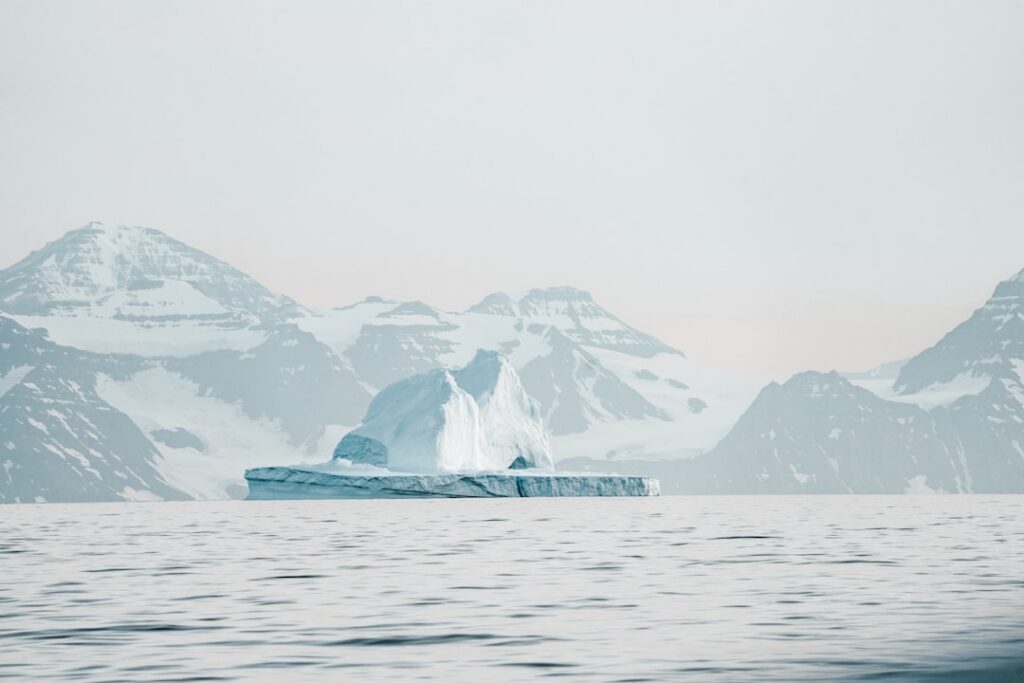
Was the Arctic Once a Dinosaur Sanctuary?

Was the Arctic Once a Dinosaur Sanctuary?

Picture this: where polar bears now trudge across endless ice sheets, massive dinosaurs once roamed through lush, tropical forests. The Arctic Circle, today one of Earth’s most unforgiving environments, harbored some of the planet’s most incredible prehistoric creatures millions of years ago. This isn’t science fiction—it’s a remarkable chapter in our planet’s history that continues ...

Ornithomimids, often called “ostrich dinosaurs” due to their striking resemblance to modern flightless birds, were built for speed and agility. Species like Gallimimus and Struthiomimus had long, powerful hindlimbs that made them among the fastest dinosaurs of their time.

How Accurate Is the Science in Popular Dinosaur Films?

Dinosaurs have captivated human imagination for centuries, but our collective vision of these prehistoric creatures is largely shaped by their portrayals in popular films. From the groundbreaking special effects of Jurassic Park to the family-friendly adventures of The Land Before Time, movies have brought dinosaurs to life in ways paleontologists could only dream of. Yet, ...

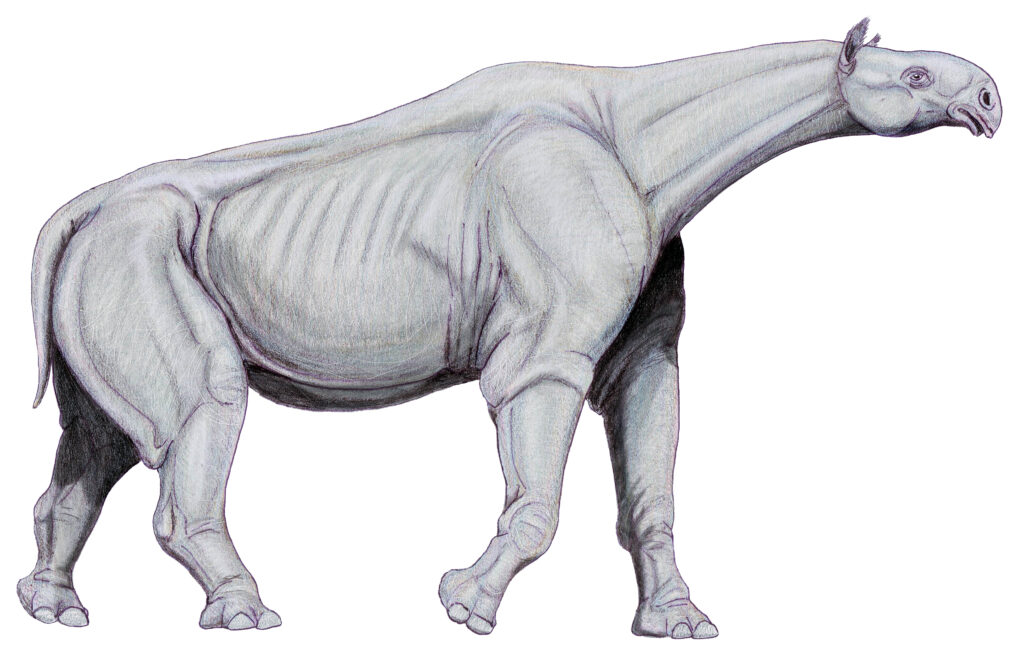
Illustration of a large, prehistoric mammal with a long neck and robust body. It appears dinosaur-like, with thick legs and a serene expression.

The Largest Prehistoric Mammal That Ever Lived – Bigger Than a T. Rex

In the vast timeline of Earth’s history, colossal creatures have come and gone, leaving behind only fossils to tell their stories. While dinosaurs often dominate our imagination of prehistoric giants, mammals have their impressive contenders. Among them stands Paraceratherium (formerly known as Indricotherium or Baluchitherium), the largest land mammal known to have ever existed. This ...