Articles for author: Awais Khan

Conchoraptor, a feathered, beaked oviraptorid dinosaur with a compact body and clawed hands.

Why Some Dinosaurs Had Giant Claws – Theories on Their Use

Dinosaurs, those magnificent creatures that roamed our planet millions of years ago, have never ceased to captivate our imagination. Among their most striking features were the enormous claws possessed by certain species. These weren’t just slightly oversized fingernails – some were massive weapons that could stretch several feet in length. But why did these prehistoric ...

Illustration of a green, long-necked dinosaur with dark spots walking among trees. The background shows a blurred forest, conveying a prehistoric setting.

How Dinosaurs Have Inspired Sci-Fi and Fantasy Stories

From the moment dinosaur fossils were first classified in the 19th century, these prehistoric creatures have captured our imagination in powerful ways. Their enormous size, alien appearance, and mysterious extinction have made them perfect subjects for speculative fiction. Dinosaurs represent both the wonders and terrors of a lost world—a bridge between scientific reality and fantasy ...

Green and brown dinosaur amid trees

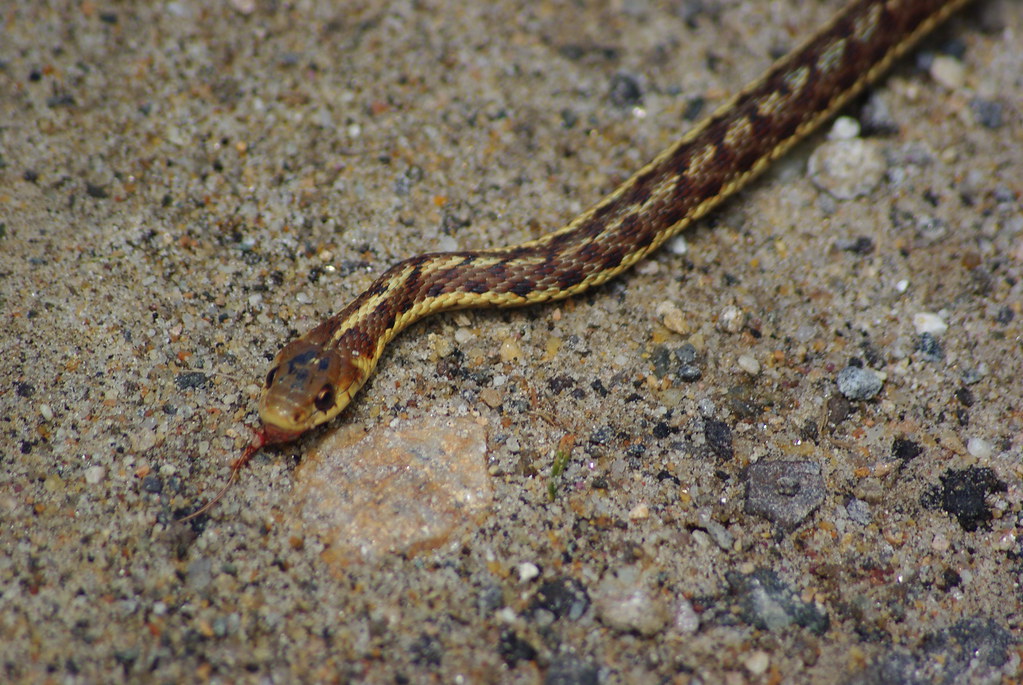
Could Dinosaurs Smell as Well as Modern Snakes?

Dinosaurs dominated the Earth for over 165 million years, evolving incredible adaptations that helped them thrive in diverse environments. Among these adaptations, sensory capabilities like smell played a crucial role in their survival. Today, some reptiles like snakes have exceptionally acute olfactory systems that allow them to detect prey, predators, and potential mates with remarkable ...

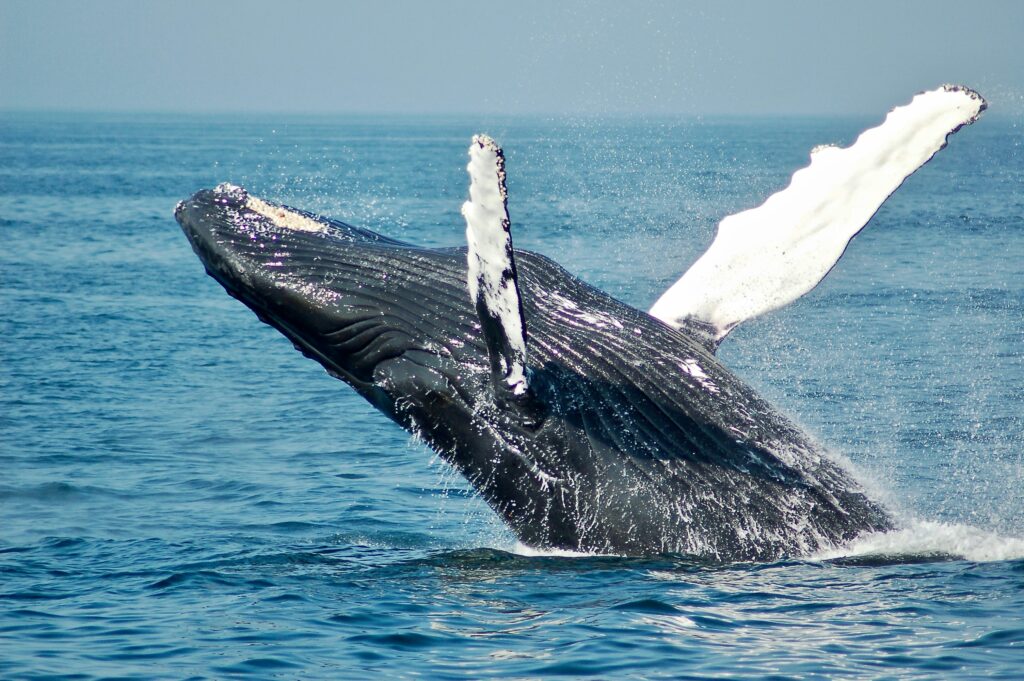
A humpback whale breaches, arching out of the ocean against a clear blue sky. Sunlight glistens on its wet skin, creating a dynamic and majestic scene.

How Big Was the First Whale? It Looked Nothing Like Modern Whales

The evolution of whales represents one of the most fascinating transformations in mammalian history. While today’s whales are massive, streamlined marine giants, their earliest ancestors were surprisingly different creatures. The first whales, emerging roughly 50 million years ago, were small, four-legged mammals that only vaguely hinted at the ocean behemoths they would eventually become. This ...

Prehistoric Parasites: Not Even Dinosaurs Were Safe

Prehistoric Parasites: Not Even Dinosaurs Were Safe

Imagine the most fearsome predator that ever walked the Earth – a massive Tyrannosaurus rex with bone-crushing jaws and razor-sharp teeth. Now picture this apex predator scratching desperately at its hide, tormented by tiny invaders it can’t even see. While we often think of prehistoric life as a battle between giants, some of the most ...

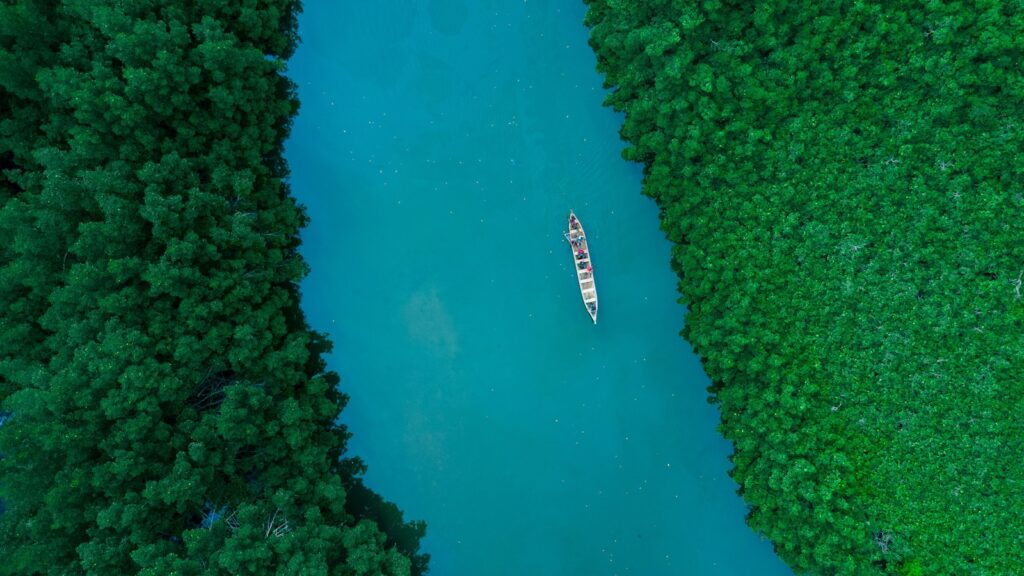
Aerial view of a narrow turquoise river flanked by dense green mangrove forests. A small boat with passengers floats centrally, evoking tranquility.

The Rise and Fall of Mangrove Forests in the Mesozoic

The Mesozoic Era, from approximately 252 to 66 million years ago, witnessed dramatic shifts in Earth’s ecosystems as the supercontinent Pangaea gradually broke apart. Among this time’s fascinating but often overlooked ecological developments was the emergence, expansion, and ultimate decline of prehistoric mangrove forests. These ancient coastal ecosystems, while sharing some characteristics with their modern ...

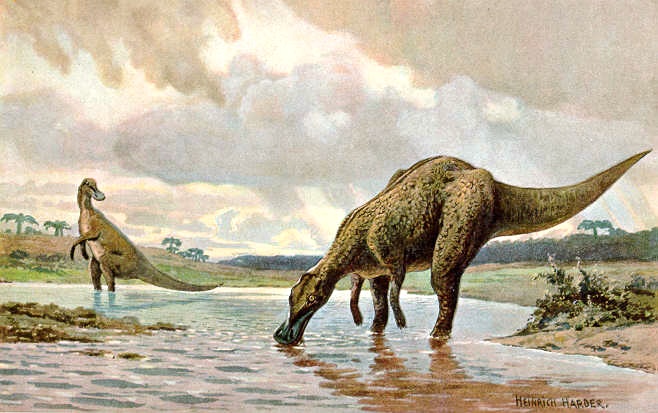
Two dinosaurs by a riverbank with a cloudy sky. One dinosaur stands in water drinking, while the other watches from the shore. The scene is calm and prehistoric.

The Most Colorful Dinosaurs – New Discoveries in Fossil Pigments

Dinosaurs have captivated our imagination for generations, but until recently, their true colors remained a mystery. Scientists traditionally depicted these prehistoric creatures with speculative coloration based on modern reptiles. However, groundbreaking discoveries in the field of paleontology have revolutionized our understanding of dinosaur appearance. Recent research into fossil pigments has revealed that the dinosaur world ...