Articles for author: Mitul Biswas

A reddish-brown crayfish fossil, facing right, on tan stone

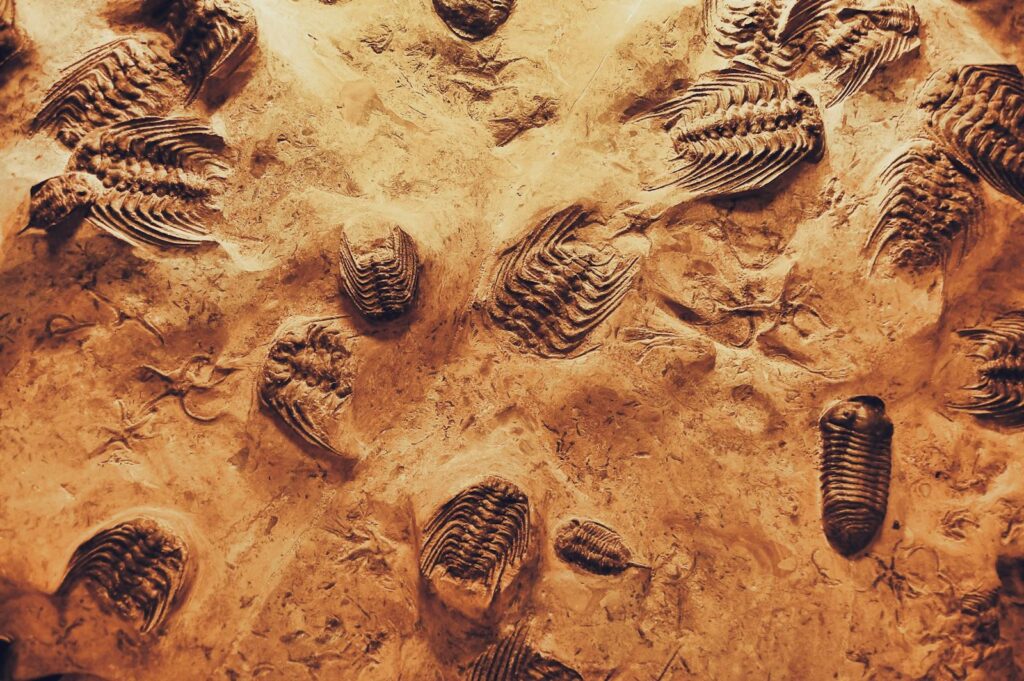
Why Some Fossil Sites Are Called “Lagerstätten” and Why They Matter

Fossil-rich sites are scattered across the globe, but only a select few earn the coveted designation of “Lagerstätten.” These extraordinary fossil deposits offer scientists a rare glimpse into ancient ecosystems with exceptional preservation and completeness that standard fossil sites simply cannot match. The term “Lagerstätten” (singular: Lagerstätte) comes from German, combining “Lager” (storage place) and ...

Illustration of the Brontosaurus by Charles R. Knight

How Fossils Can Fool Us Mistakes and Misinterpretations in Paleontology

Paleontology, the study of prehistoric life forms through fossil examination, has revolutionized our understanding of Earth’s biological history. However, this scientific field is not immune to errors. The very nature of working with incomplete remains millions of years old creates ample opportunity for misinterpretation. Throughout paleontology’s history, scientists have made fascinating mistakes—some small, others monumental—that ...

Stegosaurus Skeleton

Are We Over Relying on Artistic Reconstructions in Paleontology

Paleontology, the study of prehistoric life through fossils, has long captivated both scientists and the public alike. However, between the bare bones of scientific evidence and our understanding of ancient creatures lies a vast interpretative space filled by artistic reconstructions. These vivid depictions of prehistoric animals and environments have become integral to how we visualize ...

Dinosaur Visual Effects

Could Dinosaurs See in Color or Even UV Light

The world of dinosaurs continues to captivate our imagination, yet many aspects of their sensory experiences remain shrouded in mystery. Among the most intriguing questions is how these prehistoric creatures perceived their vibrant Mesozoic world. Did tyrannosaurs see their prey in full color? Could pterosaurs detect ultraviolet light invisible to human eyes? Modern paleontological techniques ...

Parrots Help Us Understand Dino Communication

How Parrots Help Us Understand Dino Communication

When we imagine dinosaurs, we often picture them as silent giants stalking through prehistoric landscapes. But were they really so quiet? Recent scientific research suggests otherwise, and surprisingly, modern parrots—those colorful, chatty companions—are helping paleontologists decode how dinosaurs might have communicated millions of years ago. The evolutionary connections between birds and dinosaurs provide researchers with ...

Powerful Biters in Evolutionary History

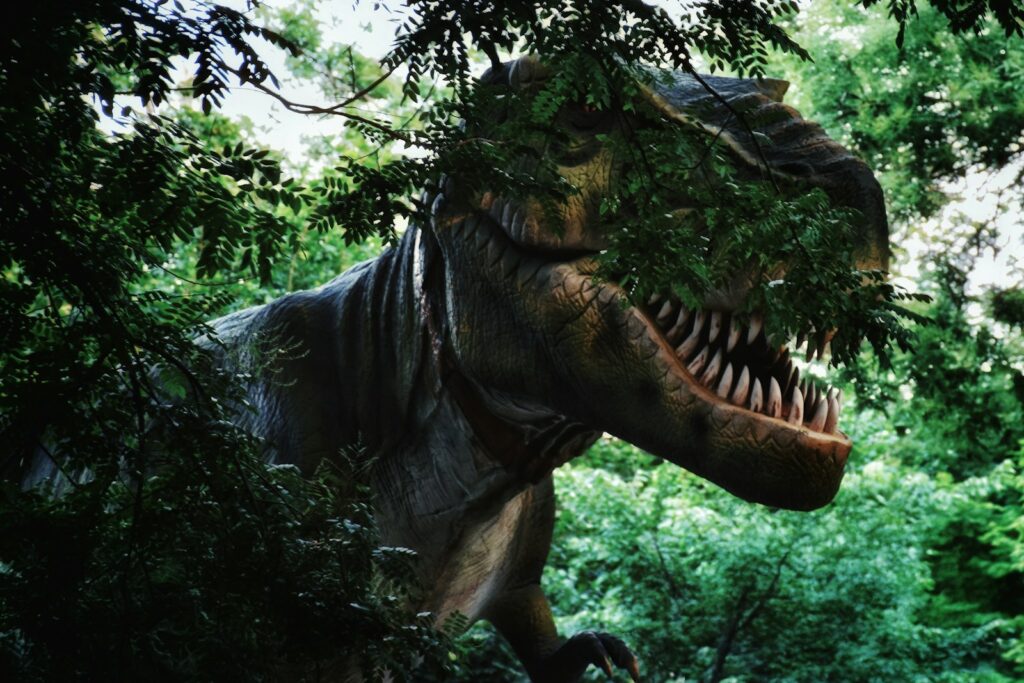
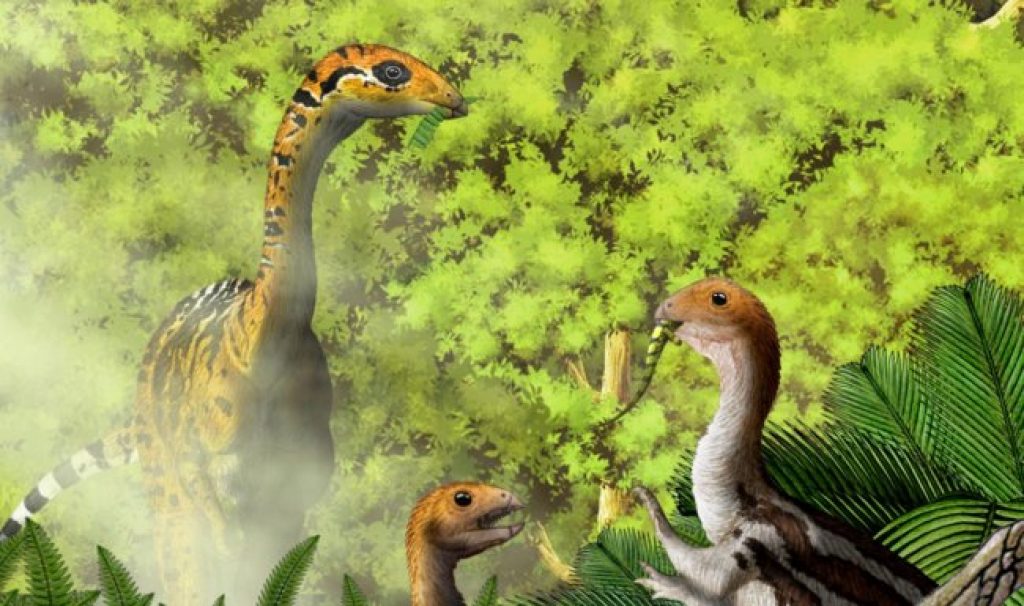
What Dinosaurs Ate And What That Says About Them

The dietary habits of dinosaurs offer us a fascinating window into their lives, behaviors, and evolutionary adaptations. For over 165 million years, these remarkable creatures dominated Earth’s terrestrial ecosystems, evolving diverse feeding strategies that shaped their physical characteristics and ecological roles. By examining fossil evidence, tooth morphology, digestive adaptations, and comparative anatomy with modern animals, ...