Articles for category: Dino Descendants

Mac P

Modern Birds of Prey

Fossil Evidence That Connects Raptors to Modern Hawks and Eagles

The evolutionary history of birds of prey represents one of the most fascinating chapters in avian paleontology. When we observe a modern hawk’s silent, precise hunting techniques or the majestic soaring of an eagle, we’re witnessing behaviors refined through millions of years of evolution, tracing back to their dinosaurian ancestors. The connection between ancient raptors ...
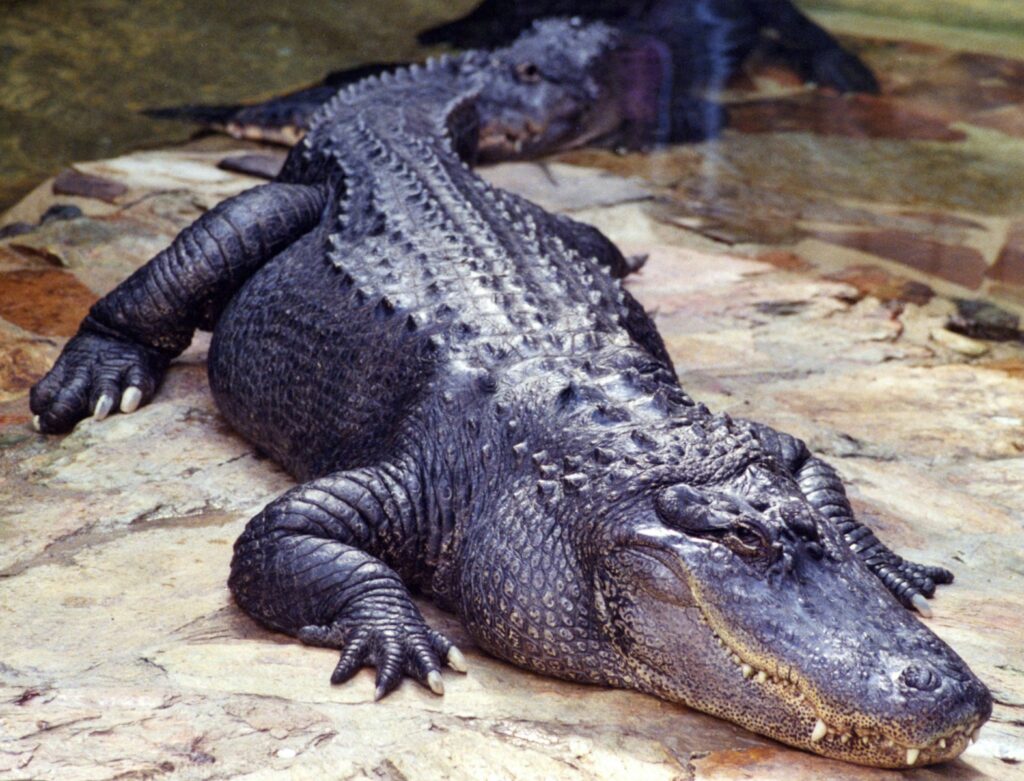
Crocodiles and alligators, alongside birds, are the closest living kin to dinosaurs.

How the Ancestors of Dinosaurs Diverged from Crocodile-Like Reptiles

The evolutionary journey that led to dinosaurs dominating the Mesozoic Era represents one of the most fascinating chapters in the history of life on Earth. Around 250 million years ago, a critical evolutionary split occurred among archosaurs—the “ruling reptiles”—that would forever alter the course of terrestrial vertebrate evolution. On one branch, the lineage leading to ...

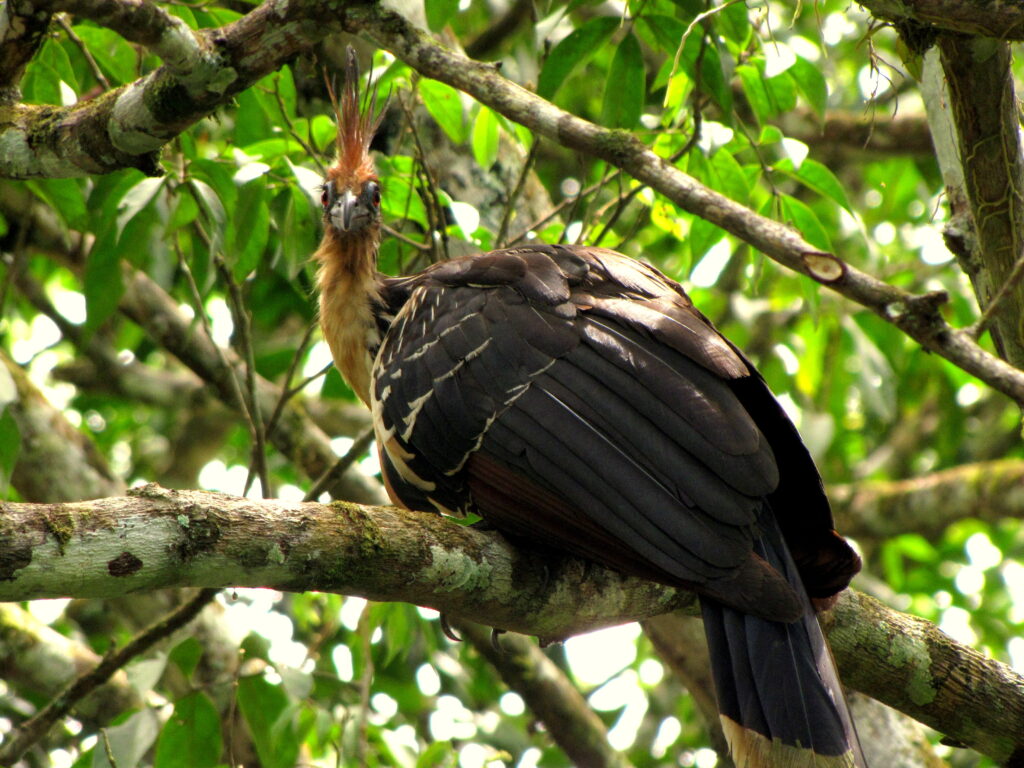
A hoatzin bird perches on a tree branch in a dense, green forest. Its brown plumage and spiky crest stand out against the leafy background.

The Strange Case of the Hoatzin: A Bird With Dinosaur-Like Claws

The hoatzin (pronounced ho-AT-sin) stands as one of ornithology’s most fascinating enigmas—a living puzzle piece that seems to bridge ancient prehistory with modern avian evolution. Native to the Amazon and Orinoco basins of South America, this peculiar bird has captivated scientists for centuries with its bizarre physical characteristics, most notably the clawed digits on its ...

Advantage of Beaks

How the Evolution of Beaks Helped Dinosaurs Survive Through Birds

In the dramatic story of life on Earth, few evolutionary tales are as fascinating as how dinosaurs survived extinction through their avian descendants. The asteroid impact 66 million years ago wiped out all non-avian dinosaurs, yet their legacy continued through birds—the only dinosaur lineage that persists today. Central to this survival story is the evolution ...

modern day dinosaur relative chicken being handfed

Chickens and T-Rex: How DNA Links Them Across Time

When you look at a backyard chicken pecking for seeds, you might not immediately think of the fearsome Tyrannosaurus rex that ruled the prehistoric world. Yet, these seemingly unrelated creatures share a profound genetic connection that spans over 65 million years of evolution. Recent scientific breakthroughs in paleogenomics and molecular biology have revealed fascinating links ...

A small, gray bird with a white belly perches on a mossy branch against a blurred green background, conveying a serene, natural setting.

How Birds Became the Last Living Dinosaurs

When we gaze at a robin on our garden fence or watch an eagle soaring through the sky, we’re witnessing living dinosaurs in action. This statement, once considered scientifically outlandish, now represents a cornerstone of modern paleontology. The evolutionary journey that transformed ferocious dinosaurs into the diverse birds that populate our world today stands as ...

blue and white bird on brown wooden surface

The Hidden Dinosaur Traits in Your Backyard Birds

Gazing out your window at a cardinal perched on a feeder or watching a robin hop across your lawn, you might not immediately think “dinosaur.” Yet these familiar backyard visitors are the last descendants of the mighty beasts that once ruled our planet. Modern birds didn’t just evolve from dinosaurs—they are dinosaurs, specifically avian theropods ...

Mac P

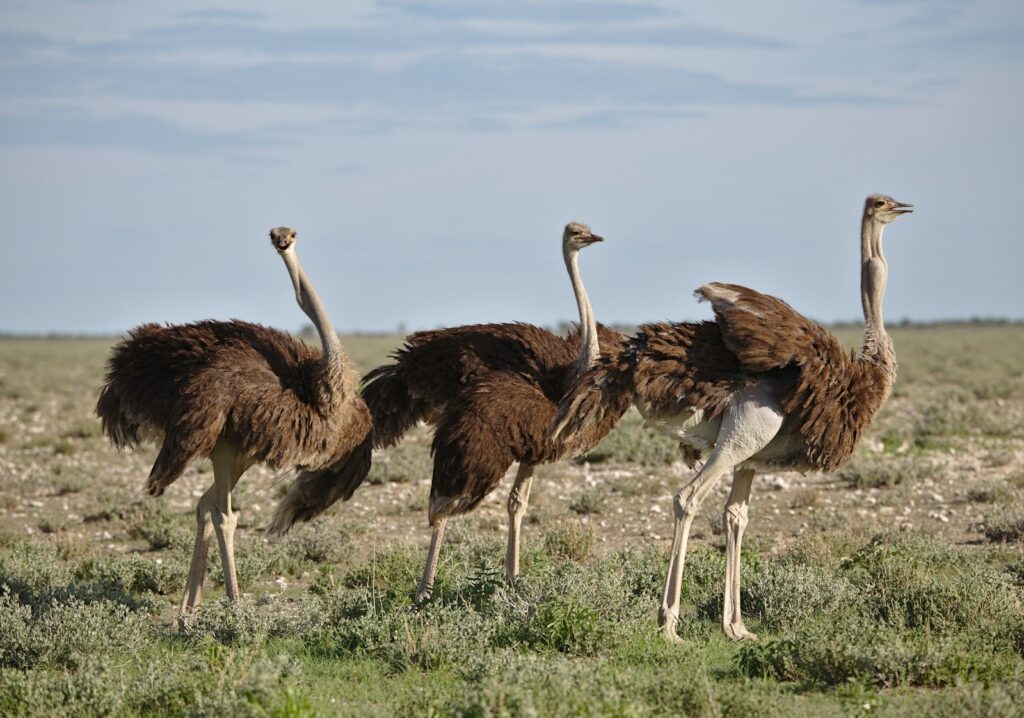
Three ostriches stand on a grassy plain, their feathers ruffled by the wind. The sky is clear, giving the scene a sense of open, natural serenity.

Why Did Flightless Birds Dominate After Dinosaurs Disappeared?

The extinction of dinosaurs 66 million years ago marked one of the most significant turning points in Earth’s biological history. While most large land animals vanished, birds—the surviving dinosaur lineage—endured and evolved in fascinating ways. Particularly intriguing is how flightless birds, rather than their flying cousins, emerged as dominant avian species in many ecosystems following ...

Two vibrant red birds with brown wings; one perched on a branch, the other in mid-flight against a blurred green background, conveying a lively atmosphere.

How the Colorful Feathers of Modern Birds Trace Back to Dinosaurs

The vibrant plumage of a peacock, the iridescent sheen of a hummingbird, or the striking patterns of a mandarin duck all share a remarkable evolutionary history that stretches back over 150 million years. Modern birds, with their spectacular array of colors and feather types, didn’t develop these features overnight. Instead, these characteristics evolved gradually from ...