You live in a world ruled by clocks, calendars, deadlines, and notifications. Time is everywhere for you, sliced into seconds and synced across the planet. But if you strip all that away and imagine yourself tens of thousands of years ago, staring at a night sky with no electricity, no phone, and no written numbers, a simple question suddenly feels huge: did people back then actually understand time, or were they just drifting through endless days?
When you look at the evidence archaeologists and anthropologists have pulled from caves, ancient camps, bones, and stones, a very different picture appears from the stereotype of “primitive” . You start to see a species obsessively tracking the sky, the seasons, the animals, and their own bodies. You see people who may not have had words for “Tuesday” or “3:00 p.m.” but clearly lived by rhythms and cycles you’d instantly recognize. In some ways, you might even feel that they noticed time more deeply than you do now.
You Already Think in Time the Way Prehistoric People Probably Did

Before you ever learn to read a clock, you already feel time in your body. You know when you are hungry, when you are sleepy, when your energy lifts in the morning or drops in the late afternoon. Prehistoric humans, without clocks, likely leaned on this internal sense even more than you do. Their survival depended on noticing when dawn was coming, when evening was falling, and when seasons were shifting. Instead of minutes and hours, they probably thought in terms like “before sunrise,” “when the shadows are longest,” or “after the first frost.”
If you have ever camped in the wilderness for a few days, you know how fast your sense of time changes. You stop checking your phone and start looking up at the light in the sky or the color of the horizon. That shift is probably the closest you can get to the prehistoric experience. You become more like them: guided by the position of the sun, the behavior of animals, and the feeling in your muscles and bones, rather than by numbers on a screen.
Night Skies as the First Giant Clock Above Your Head
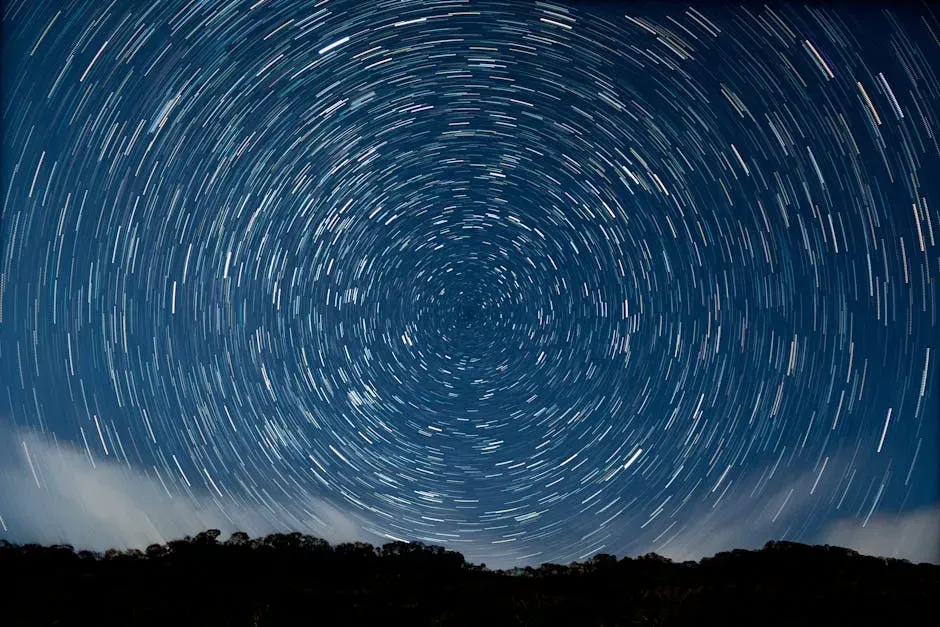
Imagine you step outside every clear night with no light pollution: the sky is not decorative, it is overwhelming. For prehistoric humans, that sky was probably the most reliable clock they had. You can see how certain bright stars rise at specific times of night or how particular constellations show up in certain seasons. Over many years, if you are paying attention, you notice that the appearance of a star pattern can line up with real-life changes: herds migrating, rivers swelling, plants fruiting. That is time, measured not by numbers but by repeating sky events.
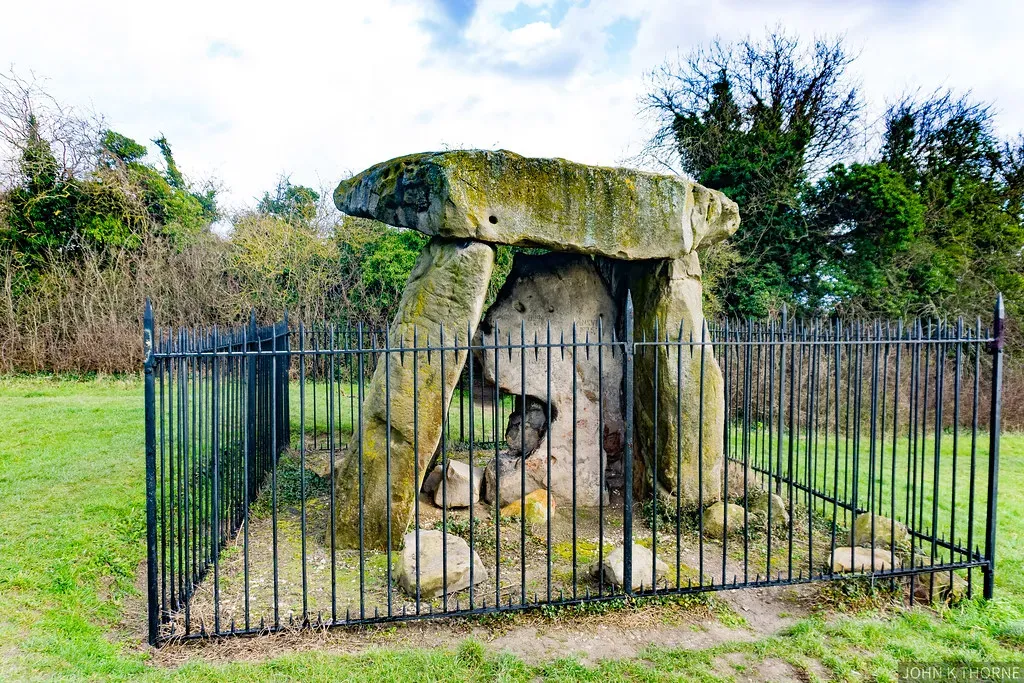
Archaeological sites suggest that some prehistoric groups tracked these patterns with surprising precision, using stone circles or alignments that match up with solstices and equinoxes. When you stand in a place like that and imagine people gathering at dawn to watch the sun rise exactly between two stones, it becomes hard to claim they did not understand time. They may not have drawn calendars like you hang on a wall, but they clearly recognized that certain days in the year were special, repeatable, and worth marking.
Seasons, Migration, and the Harsh Reality of Bad Timing

When your food comes from supermarkets, timing mistakes rarely kill you. For prehistoric humans, they absolutely could. If you left too late for a hunting ground, you might miss the migration. If you planted or gathered too early, frost could wipe out your effort. That kind of risk forces you to pay relentless attention to seasonal time. You would notice when the days get slightly longer or shorter, when certain birds appear, when insects start buzzing again, and you would connect those signs to actions you needed to take.
You already do a mild version of this when you pack away winter clothes or notice the first warm evening and think, “Summer’s coming.” For prehistoric people, that feeling was amplified and sharpened by necessity. Understanding time on a seasonal scale was not an abstract idea, it was a survival skill. You can think of them as people constantly asking the same question you ask about your calendar: is this the right time to do this, or will waiting or rushing ruin everything?
Early Calendars: Bones, Notebooks, and Tally Marks of Time
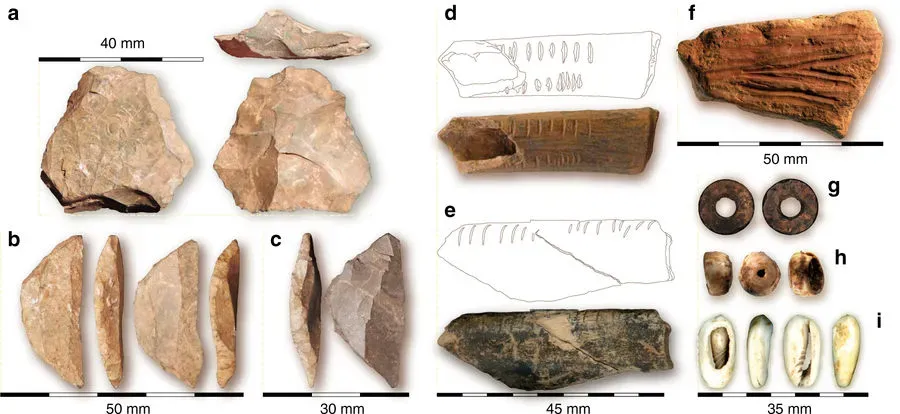
If you jot down workouts on a notepad or track your sleep in an app, you are doing something very similar to what some prehistoric people appear to have done with bones and stones. Archaeologists have found artifacts marked with repeated, carefully grouped notches that many researchers think record cycles like days, lunar phases, or animal patterns. When you see a sequence that seems to match the roughly monthly cycle of the moon, it is hard not to interpret it as someone actively tracking time, not just doodling.
These carved objects are like proto-calendars, personal time notebooks you could carry. You can imagine someone scratching a new line each night, comparing patterns from month to month, and learning when certain events were likely to repeat. That is not just awareness of time; that is time management. Even if you never learn exactly what each set of marks meant, the fact that someone bothered to consistently record them suggests they cared deeply about timing their life.
Life, Death, and How You Sense the One-Way Flow of Time
You do not need a calendar to understand that time flows in one direction. You age, your parents age, people are born and die, and you watch that arrow move forward. Prehistoric humans experienced this just as intensely as you do, probably more. They buried their dead with goods, arranged bodies carefully, and sometimes returned to the same burial sites for generations. That behavior implies that they saw life as a journey with a beginning, middle, and end, and that they recognized themselves as part of a larger line stretching into the past and the future.
Think about how you mark birthdays, anniversaries, or the date of someone’s death. You might feel a shift on those days, a sense that “this is when it happened.” Prehistoric people may not have known the exact number of years that had passed, but they clearly connected certain times and places with memory, identity, and loss. That is a powerful kind of time awareness: not just counting cycles, but feeling that time shapes who you are and what your story means.
Did They Think About “Future You” the Way You Do Now?

You probably plan for “future you” all the time, even in small ways: laying out clothes for tomorrow, saving money, buying extra groceries before a storm. Behavioral research on modern hunter-gatherer groups shows that people living with very simple tools still plan ahead, store food, and make choices that only pay off much later. It is reasonable to think that prehistoric humans did something similar, adjusting their behavior now in order to benefit their future selves. That means they did not just feel time passing; they projected themselves into it.
Of course, they almost certainly did not imagine the far future in the same detailed, calendar-driven way you do. There is no evidence they were thinking about specific years or decades ahead. But they likely thought in horizons: the next season, the next migration, the next birth, the coming lean period. You do the same without noticing when you say things like “after winter” or “once the baby is born.” In that sense, you and a person living twenty thousand years ago share the same mental trick: creating a version of yourself that exists later and caring enough about that version to act differently today.
Myths, Stories, and How You Turn Time into Meaning
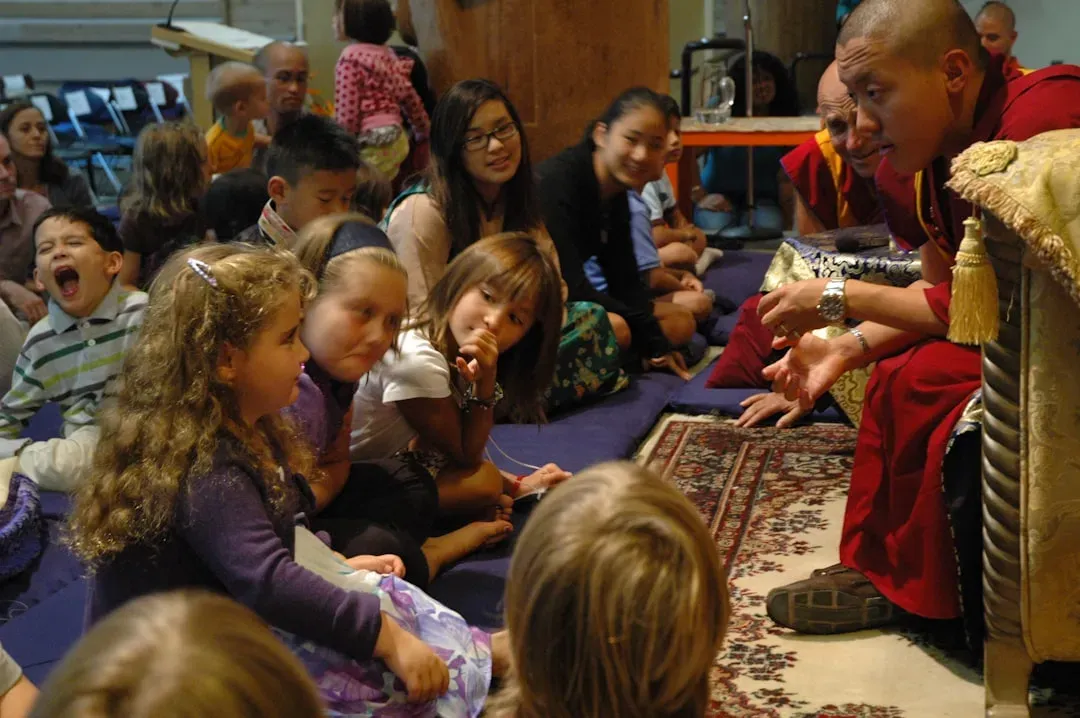
You do not learn about time only from clocks, you absorb it from stories. Tales that begin long ago, legends that explain why the sun rises, or narratives about a world before people all teach you how to place events in a timeline. Prehistoric humans almost certainly used myths and oral tales in a similar way, to stitch past, present, and future into a meaningful thread. When you tell a child a story that starts with “before you were born,” you are doing something those people probably did all the time: giving shape to otherwise fuzzy time.
Rituals and ceremonies also act like time anchors. Think about how you treat the New Year, or a yearly festival, as a reset or turning point. Evidence of repeated gatherings, painted caves revisited, and objects arranged in consistent patterns hints that prehistoric groups had their own recurring rituals. For them, these events might have marked the start of a hunting season, honored ancestors, or celebrated the return of light after winter. Each ritual would say to the community, in its own way, “We have been here before, and we will be here again,” turning raw time into a predictable, emotionally charged rhythm.
What You Mean by “Understanding Time” Really Matters
When you ask whether prehistoric humans understood time, you might secretly be comparing them to modern life, with its digital calendars and world clocks. By that standard, of course they did not understand time the way you do. They had no precise seconds, no leap years, no atomic standards. But if you shift the question to something more basic – did they grasp cycles, anticipate change, remember the past, and plan for what was coming? – the evidence points strongly toward yes.
In many ways, you are using the same mental tools they did: noticing patterns, telling stories, marking important days, and trying to avoid bad timing. The main difference is that you have wrapped those instincts in layers of technology and mathematics. They wrapped theirs in stars, stones, bones, and rituals. When you look at it that way, prehistoric humans did not live outside of time; they lived inside a rawer, quieter version of the same river you swim in every day.
Conclusion: You Share More with Them Than You Think
If you strip away the buzz of modern life, you and a prehistoric human are not as different as they first seem. You both watch the sky, feel the pull of seasons, track the aging of bodies, and worry – at least a little – about what happens next. They carved marks into bones; you swipe on screens. They waited for herds; you wait for emails or paychecks. The objects are different, but the underlying relationship with time smells strangely familiar.
When you wonder whether they understood time, you might really be asking whether you yourself are using time well, or just letting it slip past. Prehistoric people had no choice but to notice and respect it, because their lives depended on it in obvious, brutal ways. You have the luxury to forget, but the same rhythms are still there, ticking underneath everything you do. The next time you glance at a clock, you might ask yourself: if someone from twenty thousand years ago stood beside you, would they really find your sense of time so advanced – or would they recognize more of themselves in you than you expect?