The fossil record of mollusks, one of Earth’s most enduring animal groups, reveals a striking pattern in the development of new physical traits. Researchers examined this extensive history spanning 540 million years and uncovered a clear trajectory: bursts of novelty in the early stages gave way to longer intervals between innovations. This shift highlights how evolutionary creativity can diminish and standardize across geological epochs.
Explosive Beginnings in Ancient Seas
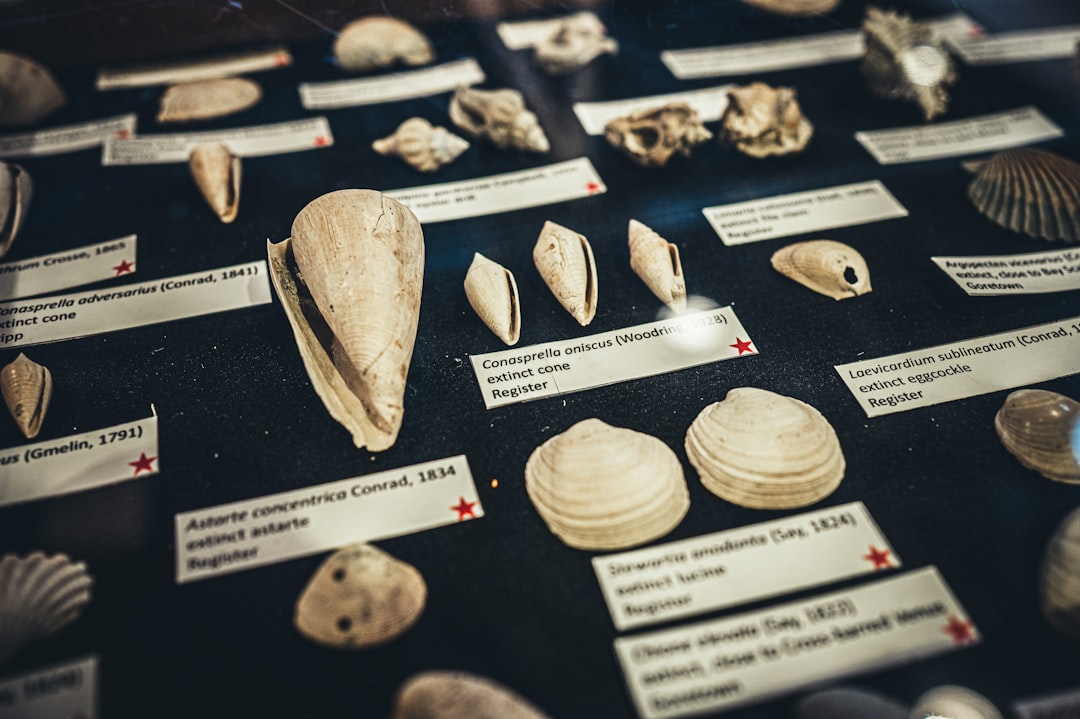
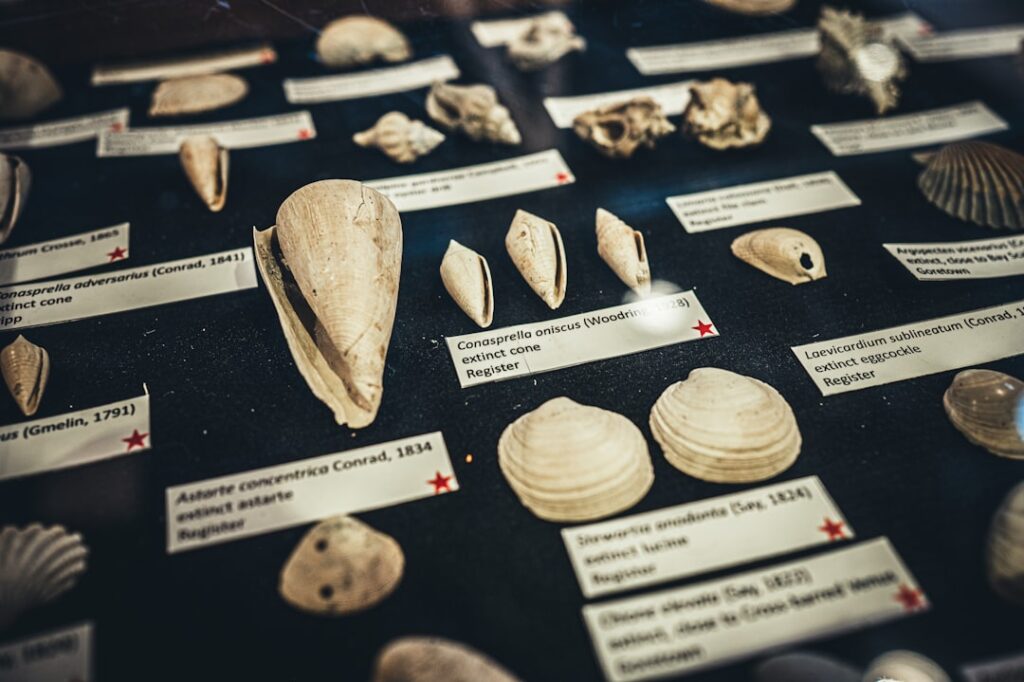
Explosive Beginnings in Ancient Seas (Image Credits: Unsplash)
In the earliest phases of mollusk history, evolution operated at a rapid clip. The study documented 96 unique physical traits, with fully half emerging within the first 96 million years. This period saw a new distinctive feature arise approximately every 2 million years, fueling an explosion of forms from coiled shells to specialized appendages.
Such frequency underscored the openness of early ecosystems to experimentation. Mollusks, including ancestors of modern snails, clams, and octopuses, diversified quickly amid Cambrian-like conditions. This foundational phase laid the groundwork for their dominance in marine environments.
A Marked Decline After 444 Million Years Ago
The pace changed dramatically once the timeline passed 444 million years ago. Innovations slowed to roughly one new trait every 9 million years, a stark contrast to prior rates. This deceleration persisted through subsequent eras, reshaping the trajectory of mollusk morphology.
Factors tied to ecological saturation likely contributed. As niches filled and competition intensified, fewer opportunities arose for radical departures. The fossil evidence points to a stabilization where incremental adjustments overshadowed bold reinventions.
Patterns of Predictability Emerge
Beyond mere slowdown, the research noted growing predictability in trait origins. Later developments clustered in familiar categories, suggesting constraints from existing body plans. This trend implies that deep time favors refinement over revolution in mollusk design.
Analysis of the 96 traits showed concentrations in specific intervals, with early dominance giving way to sparsity. Such distribution challenges views of evolution as uniformly dynamic, instead portraying it as episodically innovative.
Timeline of Trait Milestones
The study’s breakdown offers a clear chronology of this evolutionary arc. Key intervals highlight the shift from abundance to scarcity.
| Period | Duration | New Traits Frequency |
|---|---|---|
| Initial 96 million years | 0-96 mya | ~50 of 96 total traits |
| Early phase overall | Full early span | 1 every 2 million years |
| Post-444 million years ago | After 444 mya | 1 every 9 million years |
This table distills the fossil data into digestible benchmarks. It illustrates how the first tenth of mollusk history captured disproportionate creativity, while the remainder stretched innovations thin.
Broader Insights from the Fossil Ledger
The findings resonate beyond mollusks, informing debates on long-term evolutionary dynamics. Predictability in later traits may reflect genetic or developmental canalization, where core architectures resist overhaul. Researchers emphasized the value of comprehensive fossil datasets in tracing such macro-patterns.
Modern mollusks, thriving in oceans today, bear the imprint of this history. Their relative morphological conservatism echoes the ancient slowdown.
- Half of all 96 unique traits arose in the first 96 million years of 540-million-year history.
- Early rate: one new trait every 2 million years.
- Later rate: one every 9 million years after 444 million years ago.
Mollusks demonstrate that evolution’s most inventive chapter often lies in the distant past, with predictability reigning thereafter. This pattern invites reflection on whether other lineages follow suit. What patterns do you see in the history of life? Share your thoughts in the comments.