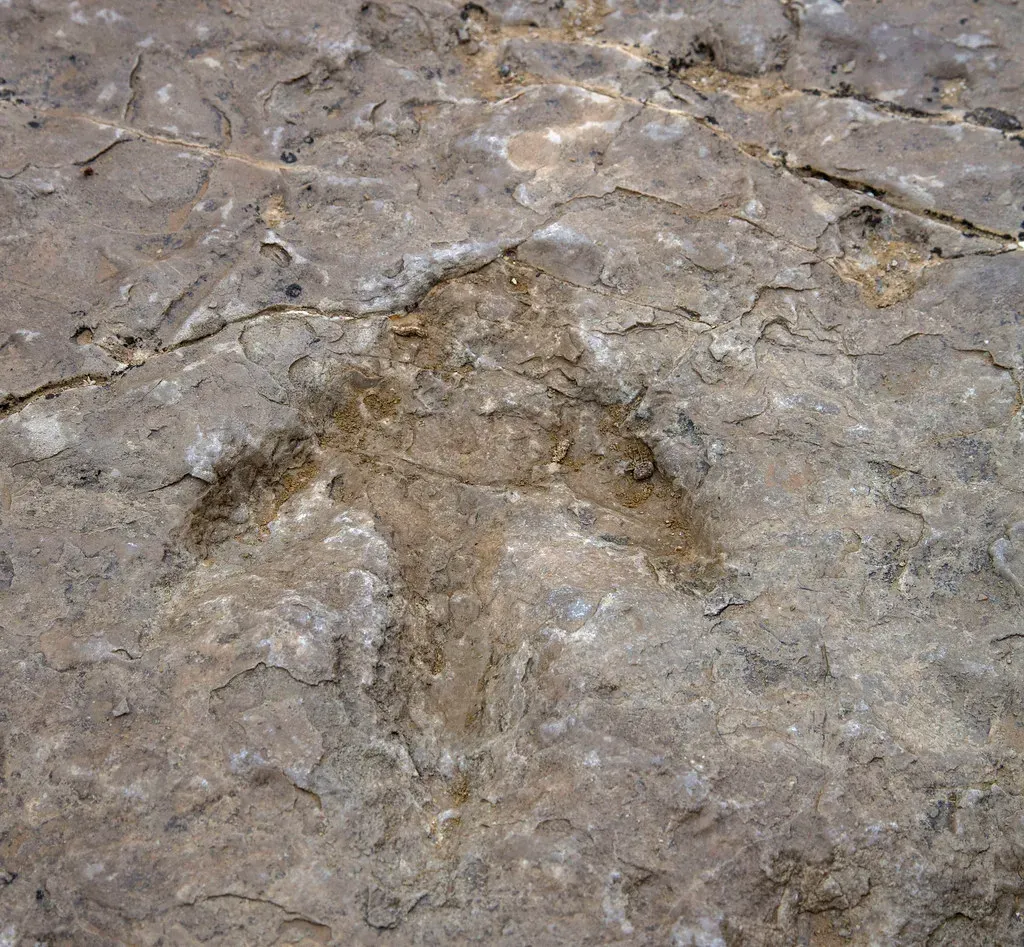
You usually picture dinosaurs as lonely giants thundering across the landscape, but the ground beneath your feet tells a different story. All over the world, fossil trackways are revealing crowded, bustling scenes where herds moved together, parents guarded young, and massive animals navigated ancient shorelines and riverbanks in surprisingly organized ways. These tracks are not just footprints; they’re frozen moments of behavior, laid down in mud and sand tens of millions of years ago and preserved like pages in a stone diary.
When you look closely at what scientists have uncovered, the story becomes even more astonishing. You’re not just learning how big a dinosaur was or how many toes it had; you’re learning how fast it walked, whether it was alone or in a group, and sometimes even how it reacted to danger. In many cases, the tracks tell you more about dinosaur lives than the bones ever could. Once you see how much is hidden in a single trail of prints, it changes how you imagine these ancient lands forever.
How Dinosaur Footprints Turn Into Time Capsules
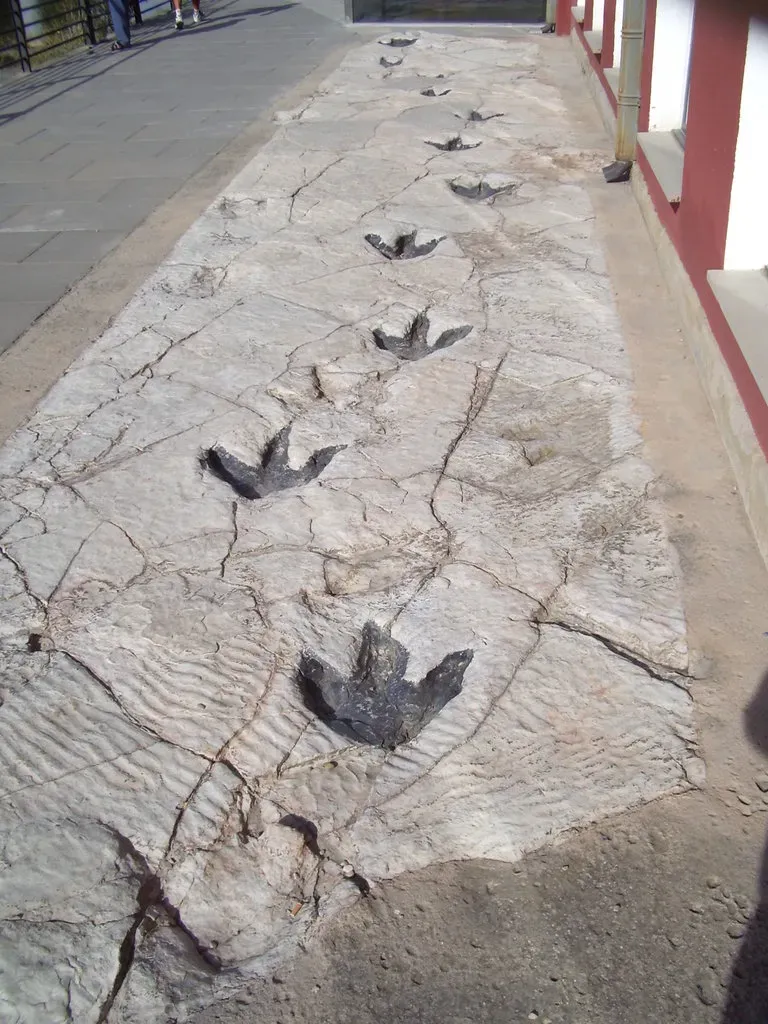
If you have ever left footprints on a muddy riverbank or a wet beach, you already understand the first step in making a fossil track. A dinosaur’s foot pressed into soft sediment, deforming the layers beneath and leaving a detailed impression of its shape, weight, and even the texture of its skin. For that moment to survive, the surface had to dry just enough to hold its form, but not so much that wind, rain, or waves erased it before the next step of burial.
Then nature had to work very fast on a slow timescale. New layers of mud, sand, or volcanic ash covered the prints, protecting them from erosion, scavengers, and plant roots. Over millions of years, those stacked layers turned into rock, locking the tracks in place. When you see a fossil footprint today, you’re looking at a rare success story in a process where almost everything usually gets destroyed. Each print is a tiny geological miracle, and an entire trackway is like a perfectly preserved scene from a film that you’re only now replaying.
Reading Behavior From Stone: What Trackways Actually Tell You
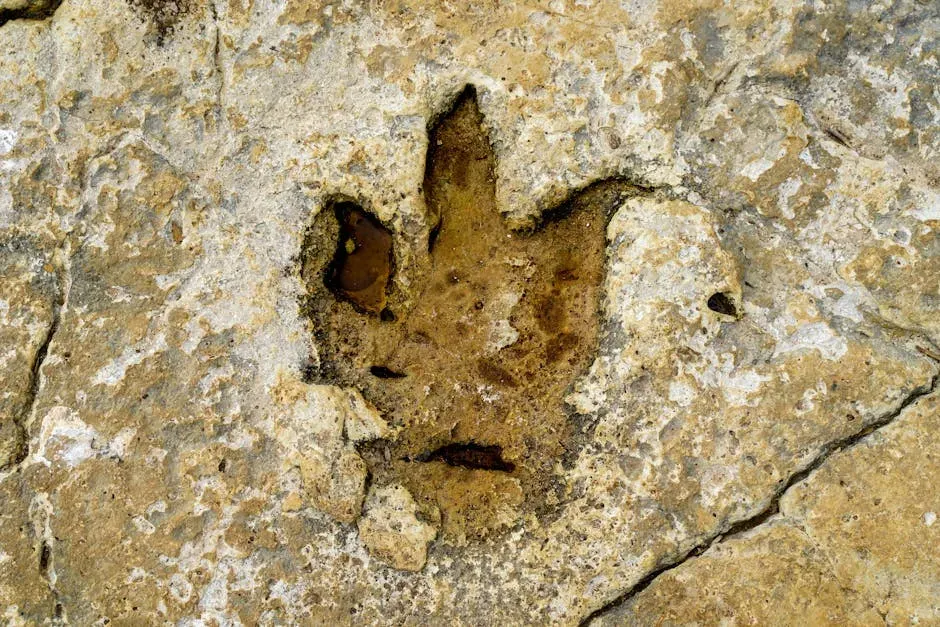
When you first look at a dinosaur trackway, it may seem like just a series of repeated shapes, but you can read it almost like handwriting once you know what to look for. The distance between successive footprints tells you about stride length and, combined with the size of the prints, lets you estimate how fast the animal was moving. Narrow trackways often suggest a more upright, efficient gait, while wide-set prints can show a sprawling stance or heavily built body. Subtle details like drag marks or tail traces hint at how the animal carried itself.
You can even glimpse moments of hesitation or urgency. Sudden changes in direction or spacing can signal a burst of speed, perhaps as a dinosaur sped up to chase prey or escape a threat. Overlapping footprints from different species on the same surface sometimes show you a sequence: one animal walked through, then another passed over its path later. Instead of a single frozen moment, you get a layered, time-stretched record of interactions, almost like reading overlapping notes on the same page.
Evidence That Dinosaurs Traveled in Herds
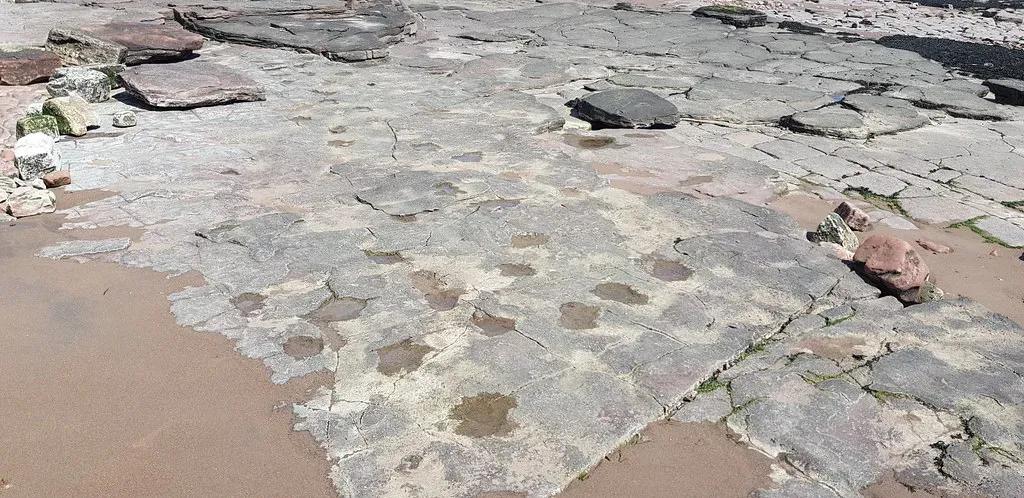
Some of the most moving discoveries come from long, parallel trackways left by multiple animals traveling in the same direction. When you see several sets of footprints aligned side by side, with similar spacing and orientation, you’re likely looking at a group moving together rather than random individuals wandering around. In some sites, you can follow these group trackways for surprisingly long distances, suggesting committed travel across open terrain, much like modern herds of wildebeest or caribou.
What makes this especially compelling is the mix of footprint sizes you often find. Large prints from adults appear alongside smaller ones made by juveniles, matching the pattern you’d expect if families moved together in protective groups. Instead of imagining a lone giant stalking across a desolate plain, you can picture several animals pacing in loose formation, adjusting their speed to the slowest members, and using strength in numbers to navigate a world full of predators and environmental hazards.
Family Trails: Adults and Young Moving Together
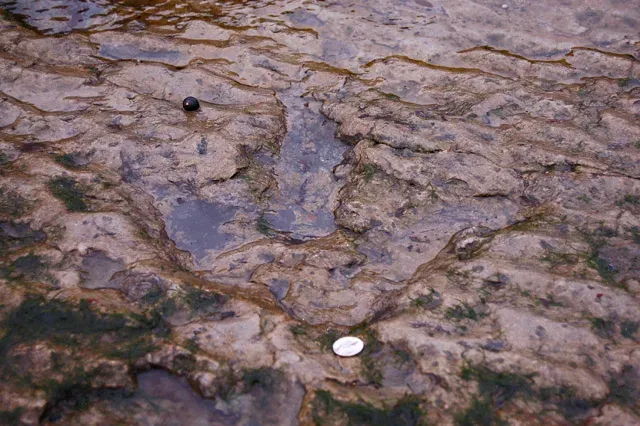
Few fossil scenes are as emotionally powerful as a trackway showing tiny footprints clustered close to much larger ones. When you see juvenile tracks wandering slightly but staying near adult-sized impressions, it paints a vivid picture of ancient family life. You can almost imagine a young dinosaur trotting to keep up, stopping to investigate something, then hurrying back into the safer zone near a parent. The spacing and pattern of such tracks strongly suggest deliberate coordination rather than coincidence.
These family trails also help you test ideas about dinosaur parenting. If you repeatedly find small and large tracks moving in the same direction at the same time, it supports the idea that at least some species invested real effort in guiding and protecting their young, instead of simply laying eggs and leaving. For you, that changes dinosaurs from anonymous skeletons into social animals with relationships and responsibilities, echoing patterns you see in many large animals today.
Ancient Landscapes Reconstructed Under Your Feet
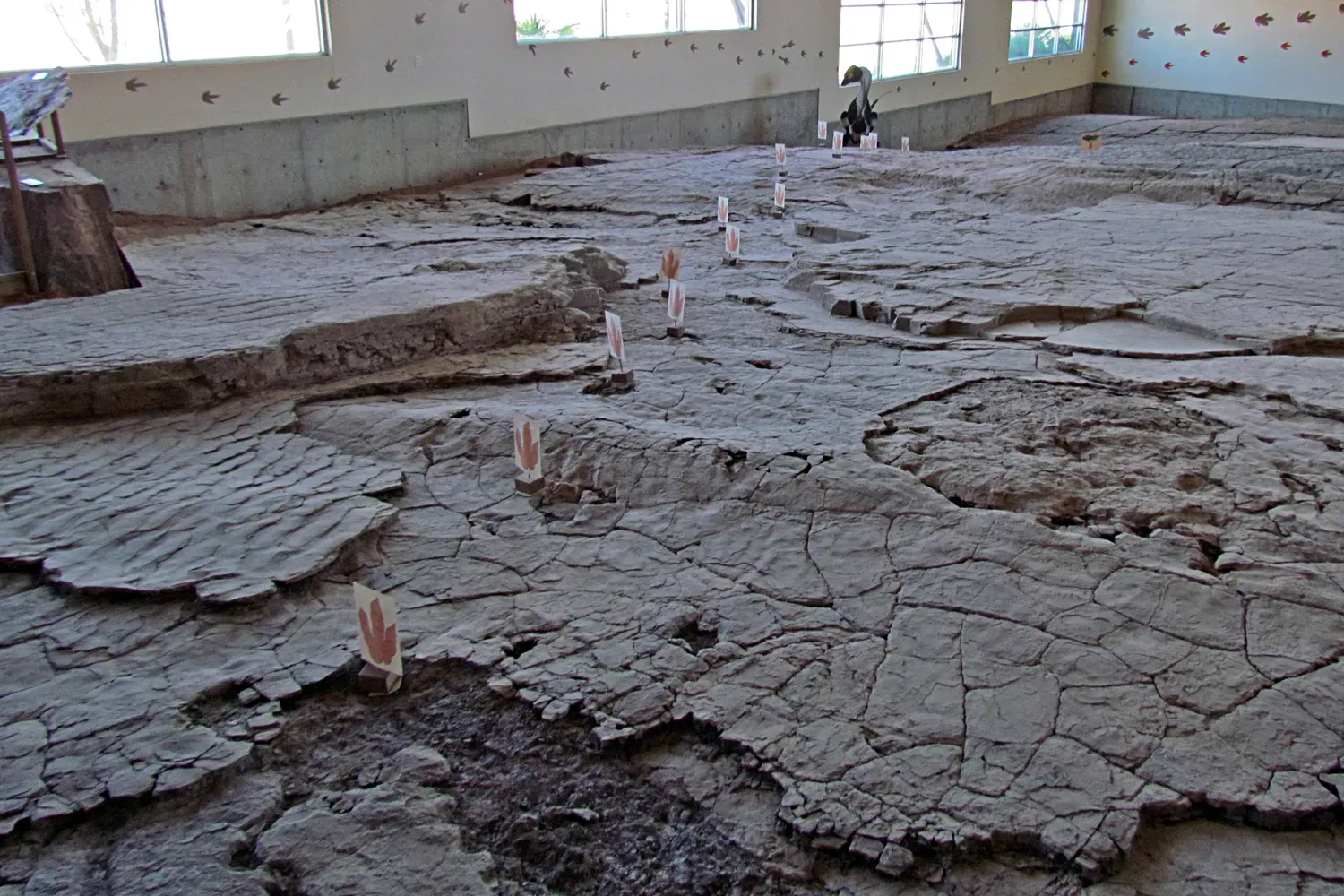
Fossil tracks do more than tell you how dinosaurs moved; they also help you rebuild the landscapes they crossed. When you find prints preserved in what used to be muddy floodplains, lake shores, or coastal flats, you can see which habitats were busy travel corridors and which were relatively quiet. Ripple marks, cracks from drying mud, and traces of plant roots embedded around the tracks act like background details in a painting, filling in climate and environment. Together, they show you whether a herd walked along a calm lagoon, a tidal flat, or a seasonal river.
By combining track sites from different layers and locations, you can piece together migration routes and favored pathways. If certain types of dinosaurs repeatedly used similar shoreline zones over long spans of time, it suggests stable ecosystems that drew them back generation after generation. For you, that means a fossil trackway is not just a path; it is a pointer to vanished wetlands, shifting coastlines, and ancient climate patterns that shaped how dinosaur herds lived, fed, and moved through their world.
Footprints vs. Bones: Why Tracks Show a Different Side of Dinosaurs
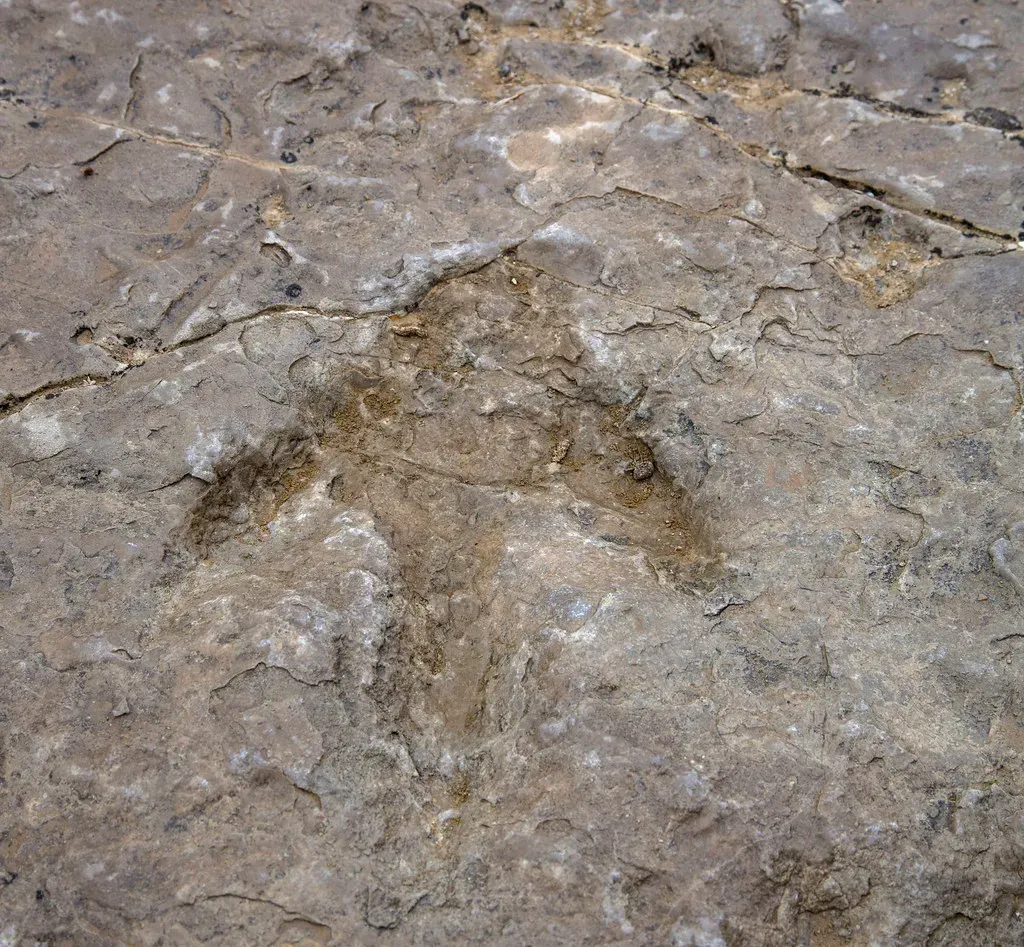
When you think of paleontology, you probably picture towering skeletons in museum halls, but those bones mostly tell you about anatomy and death. Tracks, in contrast, are all about life in motion. A skeleton might reveal that a dinosaur had strong hind legs, yet the trackway shows you how those legs were actually used in real time. You see pacing, turning, speeding up, and slowing down, all captured as a trail of evidence burned into the ground. It is the difference between seeing a portrait and watching someone walk across the room.
Tracks can also preserve the presence of animals whose bones are rarely found, because carcasses are less likely to fossilize than fleeting impressions in mud. That means your view of dinosaur communities widens when you include track evidence: suddenly, you detect more individuals, more age classes, and more behaviors. Instead of a handful of skeletons scattered over a huge area, you get the ghostly imprint of an entire crowd passing by, leaving behind a better sample of what life really looked like on a typical day.
How You Might Visit and Interpret Track Sites Today
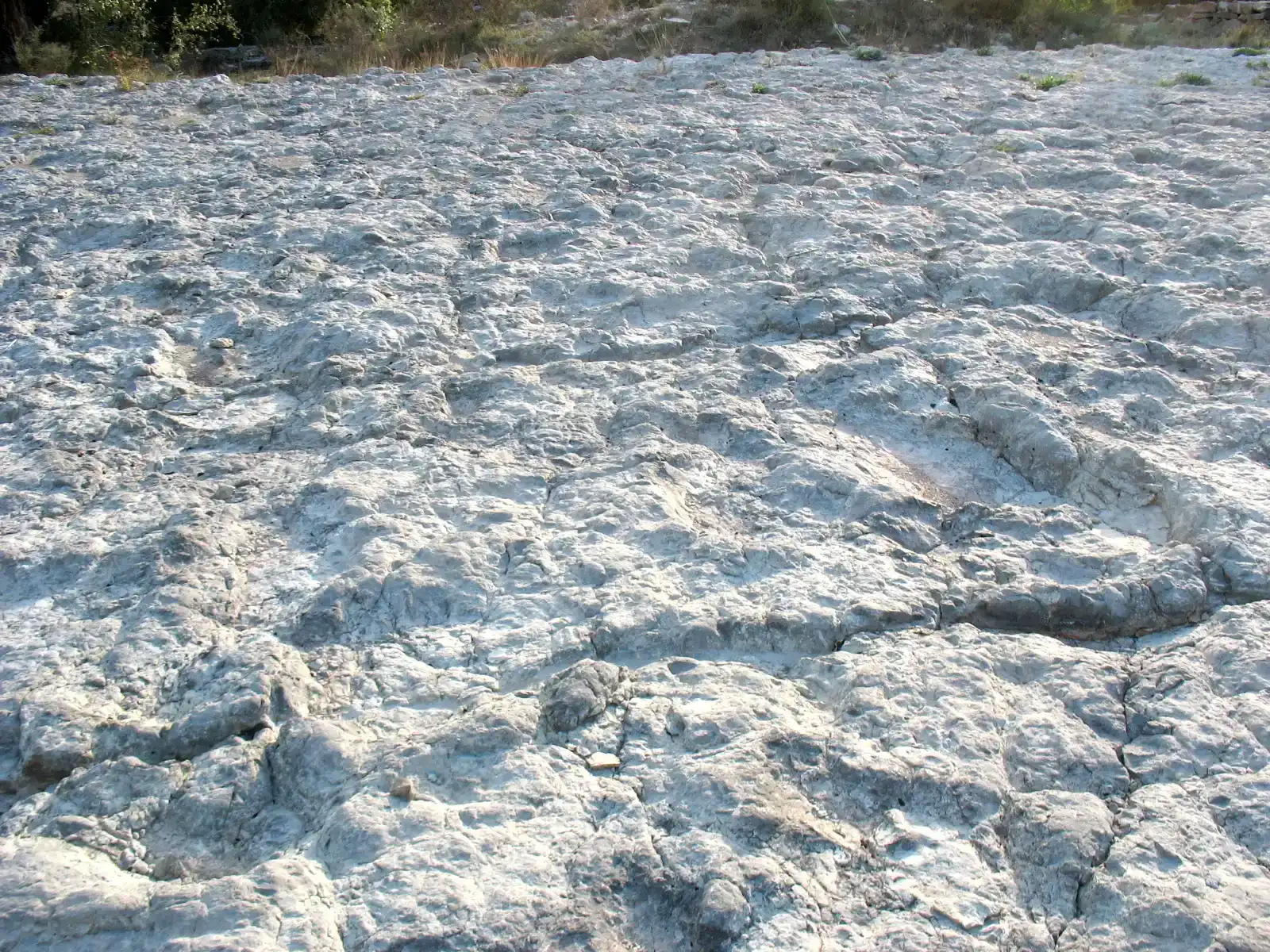
If you ever visit a dinosaur track site in person, you quickly realize how different it feels from looking at a single bone behind glass. You can stand where a dinosaur once stepped, match your stride to its footprints, and literally walk in its path. That kind of direct physical connection makes deep time feel strangely close, like you are sharing the same landscape across a gap of millions of years. It is humbling and a little eerie, in the best way.
When you’re there, you start to notice practical details scientists use to interpret the tracks. You might see how the depth of each print changes along the path, hinting at shifts in speed or ground firmness. You can trace how multiple trackways cross or merge, trying to guess which animals walked first and which came later. By paying attention to spacing, orientation, and surrounding rock features, you’re not just a tourist; you’re briefly stepping into the role of a field researcher, decoding the muted conversations these footprints left behind.
What These Herds Teach You About Dinosaurs as Living Animals
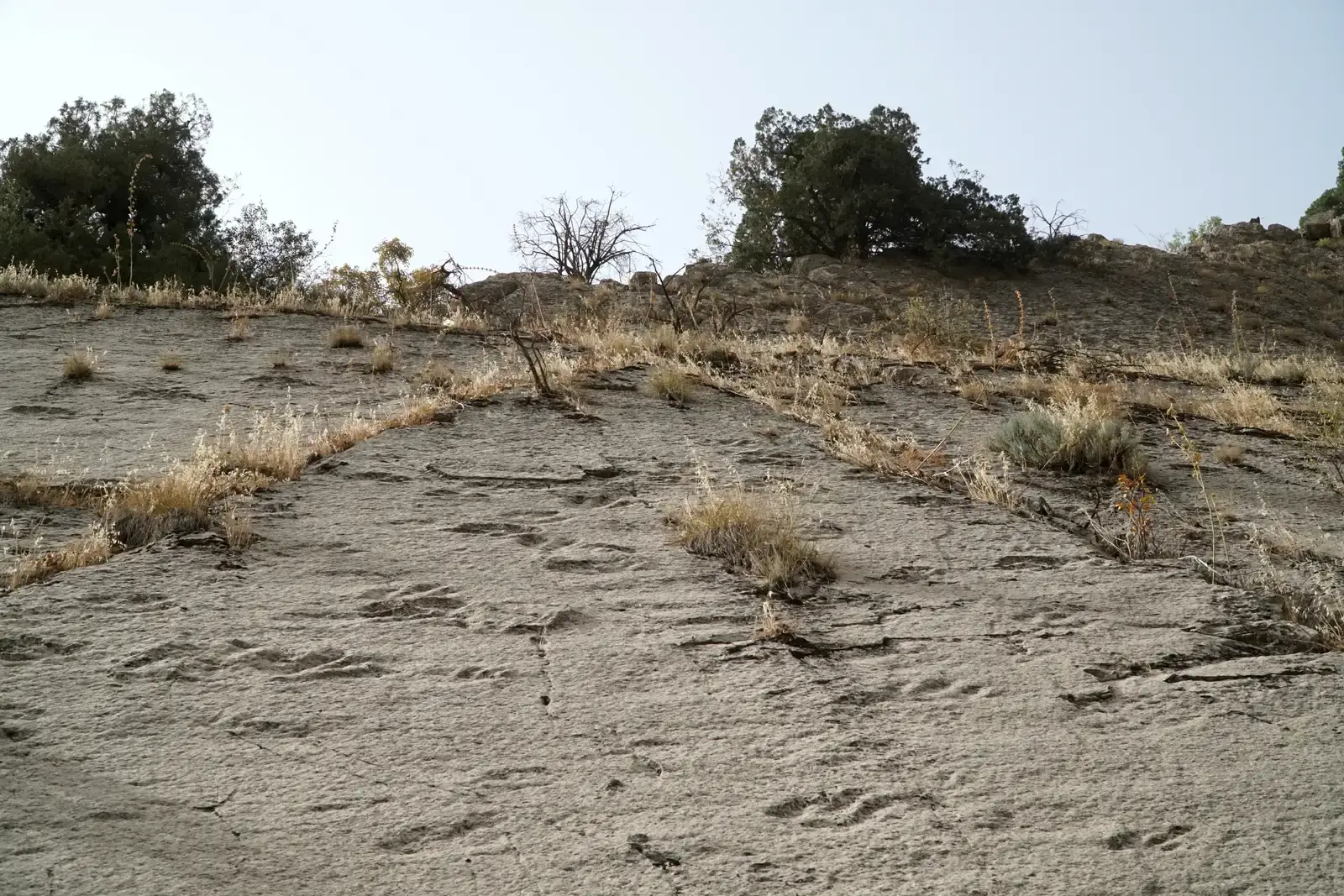
When you pull all this evidence together, the picture that emerges is richer and more relatable than the old image of cold, lumbering reptiles. Herd trackways, family trails, and complex movement patterns suggest that many dinosaurs lived structured, social lives with coordinated movement and shared routes. You see echoes of modern herds of elephants or bison, not just in body size but in the way groups stick together, protect the young, and negotiate the landscape as a unit. That gives you reasons to think of dinosaurs as active, behaviorally sophisticated animals.
These insights also reshape how you think about evolution and survival. Animals that move in herds have to solve problems of communication, group decision-making, and conflict, and track evidence hints that some dinosaurs faced similar challenges. When you imagine their ancient worlds, you can now fill in more than just plants and predators; you can picture shifting clusters of individuals, seasonal journeys, and learned routes passed from one generation to the next. In that sense, every preserved footprint pushes you a little closer to seeing dinosaurs not as monsters, but as complex creatures living out ordinary lives in extraordinary bodies.
In the end, these remarkable fossil tracks remind you that the past is not just a pile of bones; it is a record of steps, choices, and shared journeys written across ancient ground. Whenever you see those impressions, you’re looking at the exact spots where heavy feet pushed into soft earth and then moved on, leaving the rest to time and chance. The fact that you can still read those stories today feels almost like a small miracle of geology and patience. Next time you leave your own footprints in wet sand, will you find yourself wondering who might someday read your steps the way you’re reading theirs now?