You have probably asked yourself some version of this question before: when did people first start feeling like a “me” instead of just another body in the crowd? It is a haunting idea, because buried inside it is your own story too: the moment you first realized you are not just alive, but a particular someone, with a name, a history, a place in the world. When you look back across human evolution, that private feeling of being a self does not leave fossils, but it does leave clues in tools, burials, art, language, and the way people began to treat one another as irreplaceable.
When you trace those clues, identity stops looking like a switch that flipped one afternoon in prehistory and starts looking more like a sunrise. First there is only darkness. Then, very slowly, dim shapes appear: a sense of “my group,” “my body,” “my dead,” “my story.” By the time the light is bright, you are dealing with names, gods, borders, and social media profiles. To understand , you have to walk back down that path, all the way to the faint glimmer where a creature a lot like you first thought, in some wordless way, “this is mine, and this is me.”
The Animal Roots Of Your Sense Of Self

Before you imagine ancient humans gazing into still water and discovering themselves, you need to go even further back, into your animal ancestry. Many animals already show a basic kind of self-awareness: they guard their territory, protect their offspring, and distinguish between their own body and something else. Some species even pass the so‑called mirror test, where they notice a mark on their body when looking at a reflection, suggesting some level of bodily self-recognition. That does not mean they are writing autobiographies in their heads, but it does mean the seeds of “this is my body” existed long before you.
In your brain, that basic bodily sense of self is still there, humming quietly in the background. You feel where your limbs are, you flinch if something threatens your eyes, and you recognize your reflection without thinking. This is not yet the rich, layered identity you live with each day, but it is the foundation. When early humans inherited this animal self-awareness, they already carried in their nervous systems a simple but powerful fact: the world is out there, and you are over here, in a particular body that can be hurt, helped, or held.
From “My Body” To “My People”
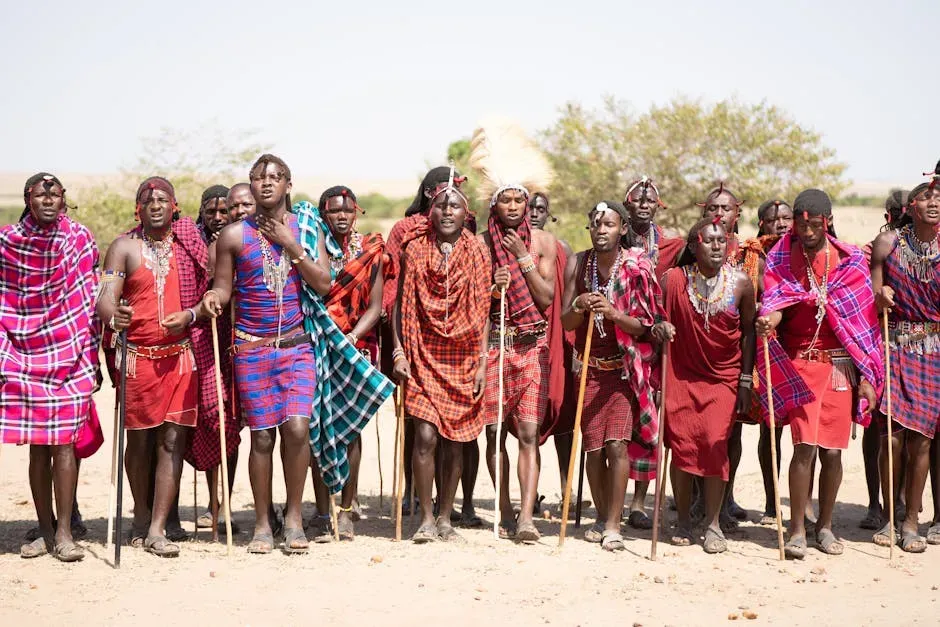
Once you can sense your own body as distinct, the next big step in identity is the realization that you belong to a particular group. Long before there were nations or tribes with flags, there were small bands of hunter‑gatherers, usually a few dozen people, who depended on each other to survive. You can imagine how, within such groups, individuals began to notice who was “one of us” and who was not. Shared hunting grounds, common dangers, and familiar faces would have taught you that your fate is tightly tied to these people and not those strangers over the ridge.
In your own life, you feel this group identity when you cheer for a team, defend your hometown, or instinctively stand up for your family. Early humans felt something similar, even if they lacked the words you use today. The first glimmer of social identity might have been as simple as the comfort of seeing your group’s campfire in the dark or the fear that rose when outsiders appeared. Over time, these feelings – of trust toward “us” and caution toward “them” – would have carved deep grooves in human psychology, giving you a powerful sense that who you are is partly defined by the people you belong to.
The Shock Of The First Graves
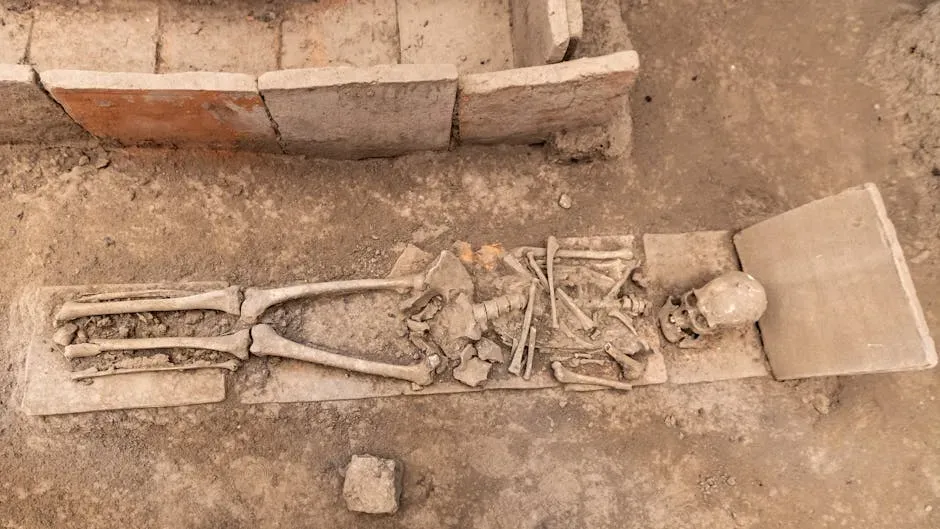
One of the most haunting clues about the birth of human identity comes from the first deliberate burials. When you place a body in the earth with care, sometimes with objects or pigments, you are making a bold statement: this person mattered. Early human graves scattered across Africa and Eurasia suggest that, at some point, people stopped treating the dead as simple remains and started treating them as individuals with ongoing significance. If you have ever stood at a grave and felt that aching tug of memory, you are feeling the same emotional current that started there.
When you bury someone, you are not just honoring them; you are also saying something about yourself. You are admitting that relationships extend beyond life, that your grief and loyalty are strong enough to shape your actions. That implies a sense of personal identity for both the living and the dead: you were not just losing a body, you were losing this specific person, with their quirks, stories, and role in your group. In those early graves, you can almost see identity crystallizing – each burial a quiet declaration that there are unique “someones” in the world, and that you are one of them.
When You First Saw Yourself In Art
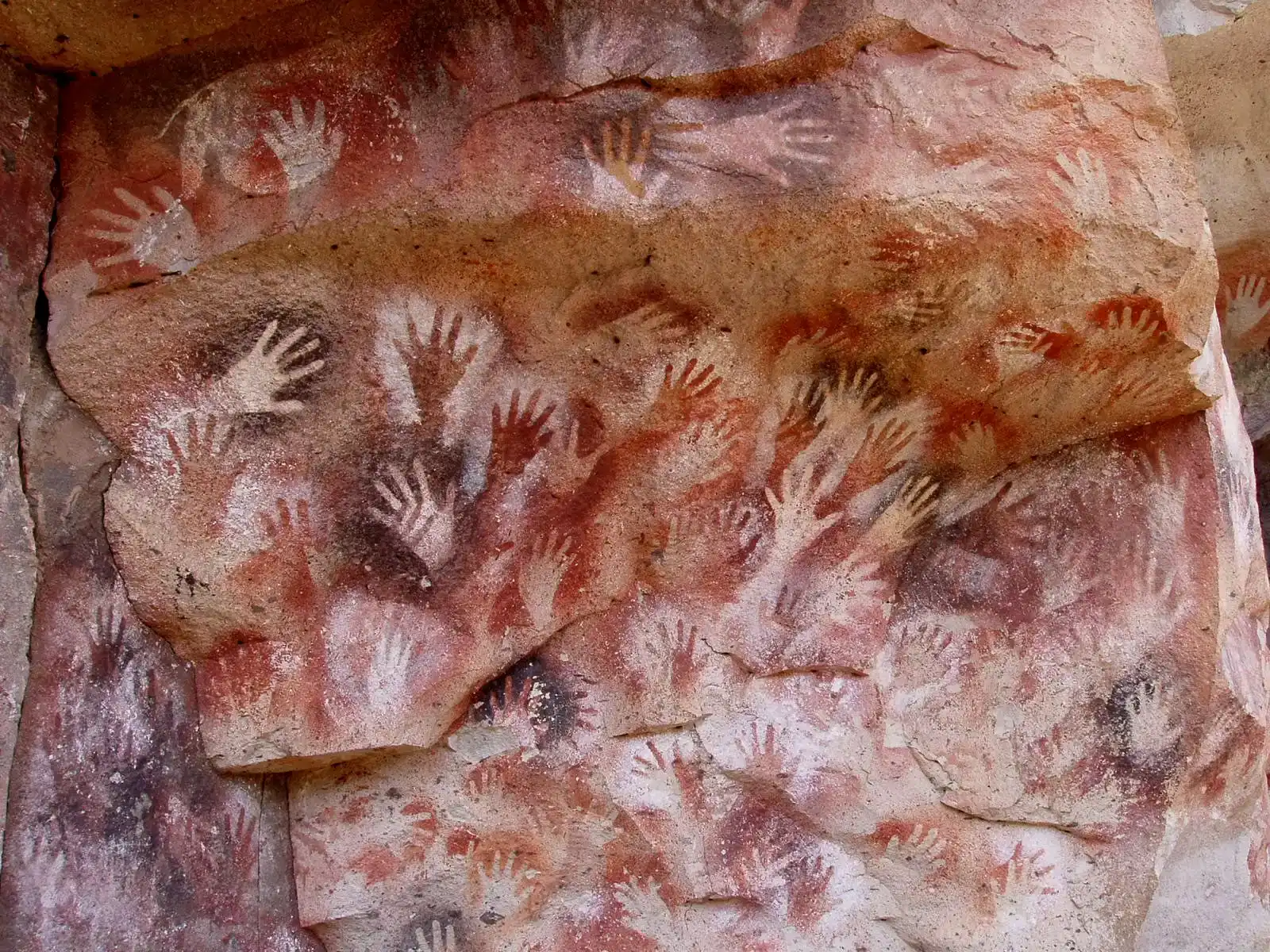
Imagine walking into a cave tens of thousands of years ago and seeing a handprint on the wall, made by someone pressing their palm against the rock and blowing pigment around it. If you were that person, you might not have thought of it as “art” in the modern sense, but you would have left a mark that said, without words, “I was here.” Early art – hand stencils, figures, animals, abstract symbols – gives you a rare window into minds that had begun to think beyond immediate survival. A hand on stone is not food, shelter, or fire; it is presence made visible.
When you create or look at art today, you are doing something similar: you are reaching for a sense of self that is larger than the moment. in art may have been when they recognized their own handprint, or when they saw the familiar outline of an animal they hunted, or when they followed a repeated symbol and understood that it meant something shared. Through those images, you start to see the birth of a narrative self: a being who does not just live, but remembers, anticipates, and wants to be remembered in turn.
Language: The Moment “I” Entered The Story
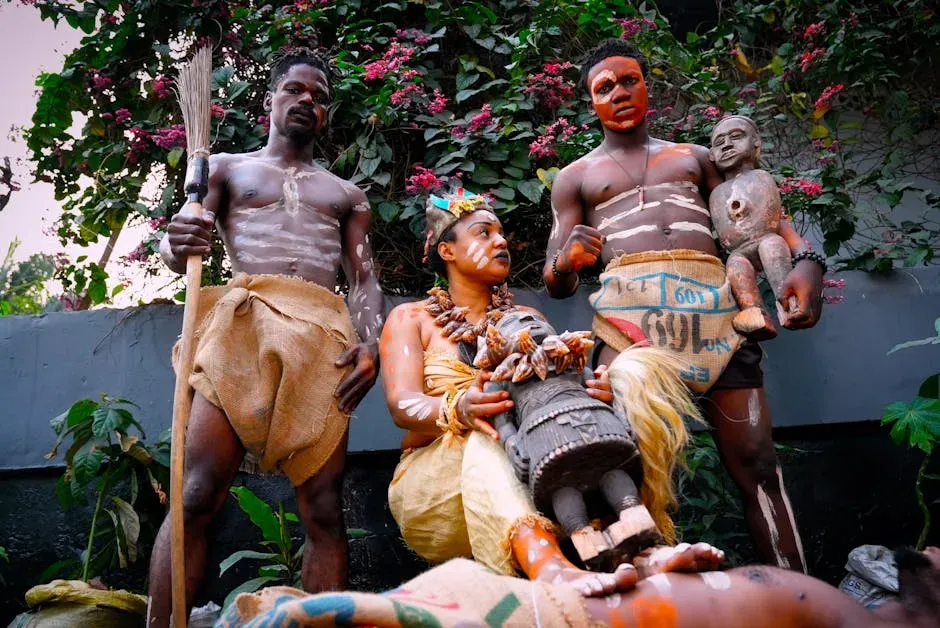
Without language, your sense of self is like a movie running silently in your head; vivid, but hard to organize. When spoken language evolved, identity took a dramatic leap, because you could finally label yourself and others in a precise way. You could say “I,” “you,” “we,” and “they,” and in doing so, you carved the social world into clear shapes. Even more importantly, you could tell stories about yourself: what you did yesterday, what you fear tomorrow, what you hope for your children. This ability to narrate your life stitched your experiences into a coherent “me.”
Think about how you constantly talk to yourself, even silently: you replay conversations, imagine arguments, plan your next move. That inner voice relies on language, and with it you build an ongoing biography. The first time early humans strung together simple sentences about their own actions and feelings, they were not just exchanging information; they were constructing identities. You can picture someone around a fire saying, in whatever early tongue they used, that they are a skilled hunter, or a good caretaker, or unlucky this season. In those conversations, personal identity stopped being private sensation and became shared social reality.
Names, Roles, And The Birth Of Social Identity

Once language and stories were in place, identity became even more concrete through names and social roles. Being able to call someone by name turns them from a generic member of the group into a specific person whose presence or absence matters. Names, nicknames, and titles all serve as mental handles that let you track individuals across time. When you think about your own name, you probably feel that it carries your history, your family, and even some expectations about how you should be in the world.
Roles add another layer. As societies grew, people started to specialize: some hunted more, some gathered, some healed, some led, some created tools or rituals. These roles shaped how others saw you and how you saw yourself. You experience this now when you think of yourself as a parent, a friend, a worker, an artist, or a leader. in this sense was likely when someone realized that others consistently expected specific things from them – and when they took pride or shame in living up to that image. Your modern social identity, with all its labels and responsibilities, is a direct descendant of those early, simple roles.
Inner Life: When You Started Watching Yourself Think

There is another crucial step in the story of identity that does not show up in bones or artifacts: the dawning of introspection. At some point, your ancestors did not just feel fear, joy, or anger; they began to notice that they were feeling those things. This ability to turn attention inward, to ask yourself what you want, what you believe, and why you acted a certain way, is a defining feature of human consciousness. It is the moment when “I am afraid” turns into “I am the kind of person who is often afraid” or “I wish I were braver.”
You experience this inner observer all the time. You lie awake at night replaying choices, or you catch yourself reacting in a familiar pattern and wonder where it came from. That reflective loop can be painful, but it is also what gives you the power to change, to grow, and to build a more stable sense of who you are. The first time humans felt this kind of identity, they might have been puzzled by dreams, troubled by guilt, or stirred by unexpected courage. In each case, they were not just living their lives; they were starting to examine them from the inside out.
From Ancient Selves To Your Modern Identity

Today, your sense of identity is wrapped in layers that early humans could never have imagined: nationalities, online profiles, personal brands, psychological labels, and more. You can change careers, move countries, shift beliefs, and reinvent yourself several times in one lifetime. Yet under all that complexity, the ancient building blocks are still the same. You inhabit a particular body, you belong to certain groups, you care about particular people, you tell ongoing stories about yourself, and you watch your own mind with a mixture of curiosity and confusion.
When you ask about , you are really asking about the roots of your own questions: Who am I? Where do I belong? What will remain of me when I am gone? The truth is that identity did not arrive in a single lightning bolt; it emerged gradually from countless moments of recognition, attachment, grief, pride, and reflection. You carry that whole history inside you every time you say “I.” The real challenge now is not just to understand where that feeling came from, but to decide, with all the freedom you have, who you want that “I” to become.