If you zoom out on human history, one pattern jumps out: you have always been on the move. Long before highways, maps, or passports, people just like you were walking across entire continents, sailing into the open unknown, and crossing frozen land bridges with nothing but courage, memory, and the stars to guide them. Long-distance travel is not some modern invention; it is baked into what it means to be human.
When you ask when humans first started , you are really asking when curiosity, survival, and imagination first pushed your species to leave home and keep going far beyond the horizon. The truth is, it did not happen at a single moment; it unfolded in waves over tens of thousands of years. As you follow that story from ancient footprints to ocean-spanning voyages, you start to see your own vacations, road trips, and flights as the latest chapter in a very old adventure.
Following the Herds: Hunter-Gatherers on the Move
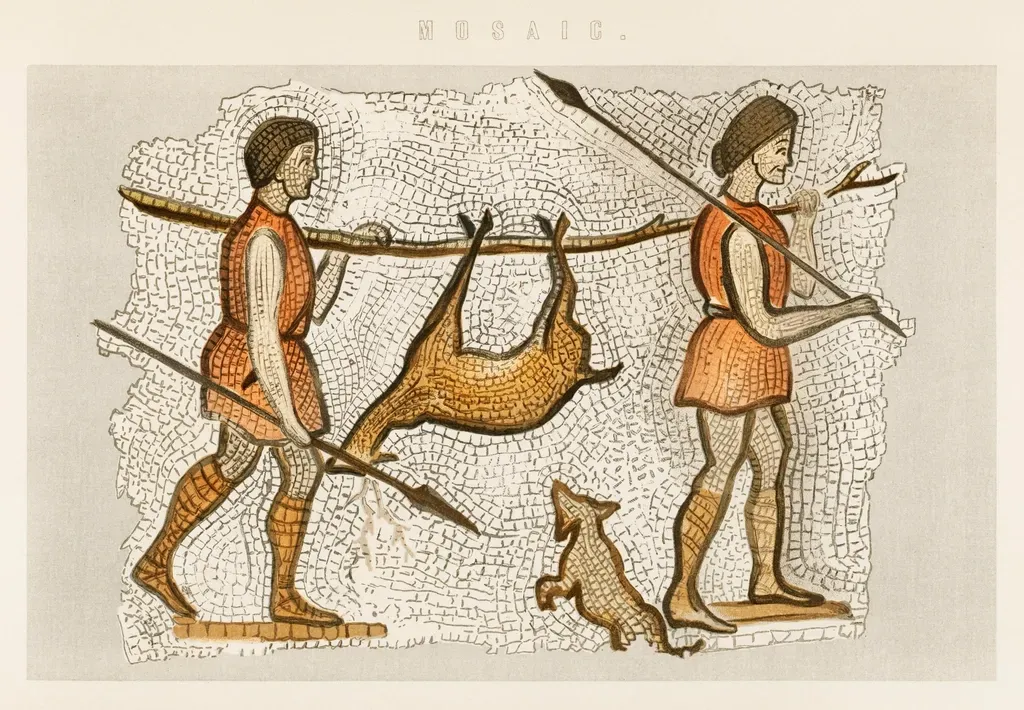
Imagine you live more than fifty thousand years ago. You do not have a permanent house, but you do have a territory that might stretch hundreds of miles, and your survival depends on knowing it like the back of your hand. You travel long distances because the animals you hunt and the plants you gather never stay in one place for long. When herds of large animals move with the seasons, you and your group move too, sometimes across vast grasslands or along long river valleys.
In this world, long-distance travel is not a rare expedition; it is your lifestyle. You might return to the same seasonal camps over and over again, teaching younger people the paths, water sources, and landmarks they must memorize. On foot, with limited tools, you still cover serious ground, because if you stay put when food moves on, you risk hunger. Your legs, memory, and cooperation with others become your main “technology” for moving through huge landscapes.
Out of Africa: The First Continental Journeys
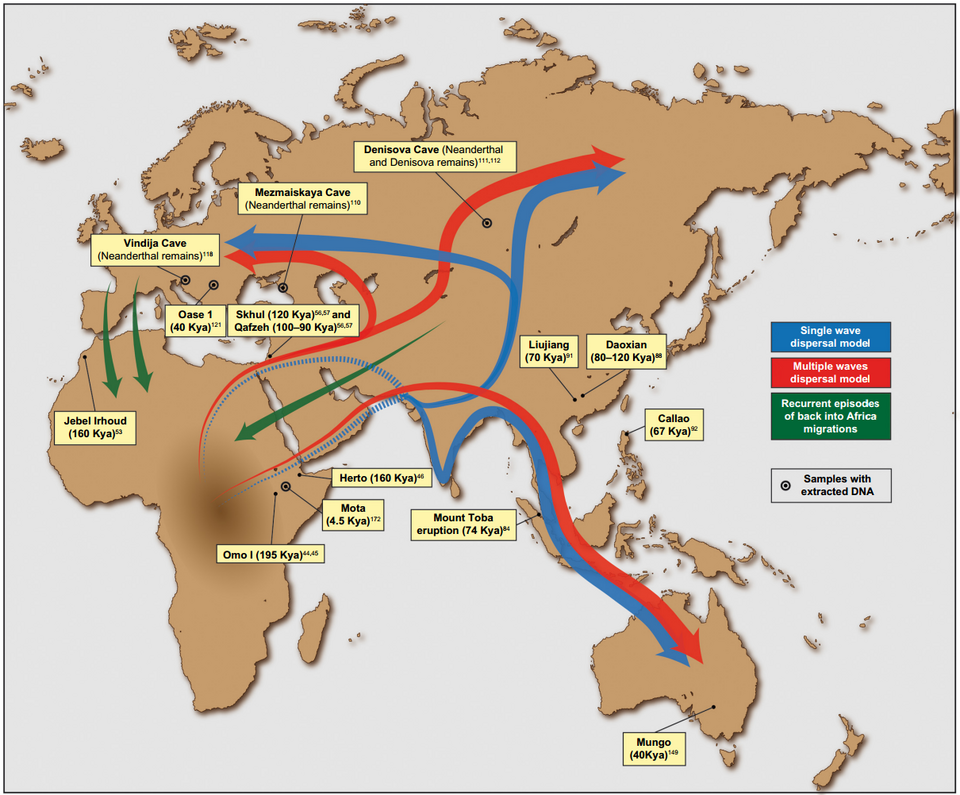
One of the boldest long-distance journeys your species ever made began in Africa more than sixty thousand years ago. At that time, small groups of modern humans started leaving the continent where your species first evolved and gradually spread across Eurasia. You can picture these journeys not as one big migration wave, but as countless small steps: families walking a bit farther, settling a new area, and over generations pushing into unfamiliar lands.
As you move north and east, you adapt to new climates: open steppes, chilly forests, and eventually colder northern regions. This slow but steady expansion means that by around forty thousand years ago, humans like you are living across large parts of Europe and Asia. Each long-distance journey might just be a few days’ or weeks’ walk, but across centuries, those walks add up to tens of thousands of miles, reshaping where people live on the planet.
Crossing Land Bridges: Into Australia and the Americas
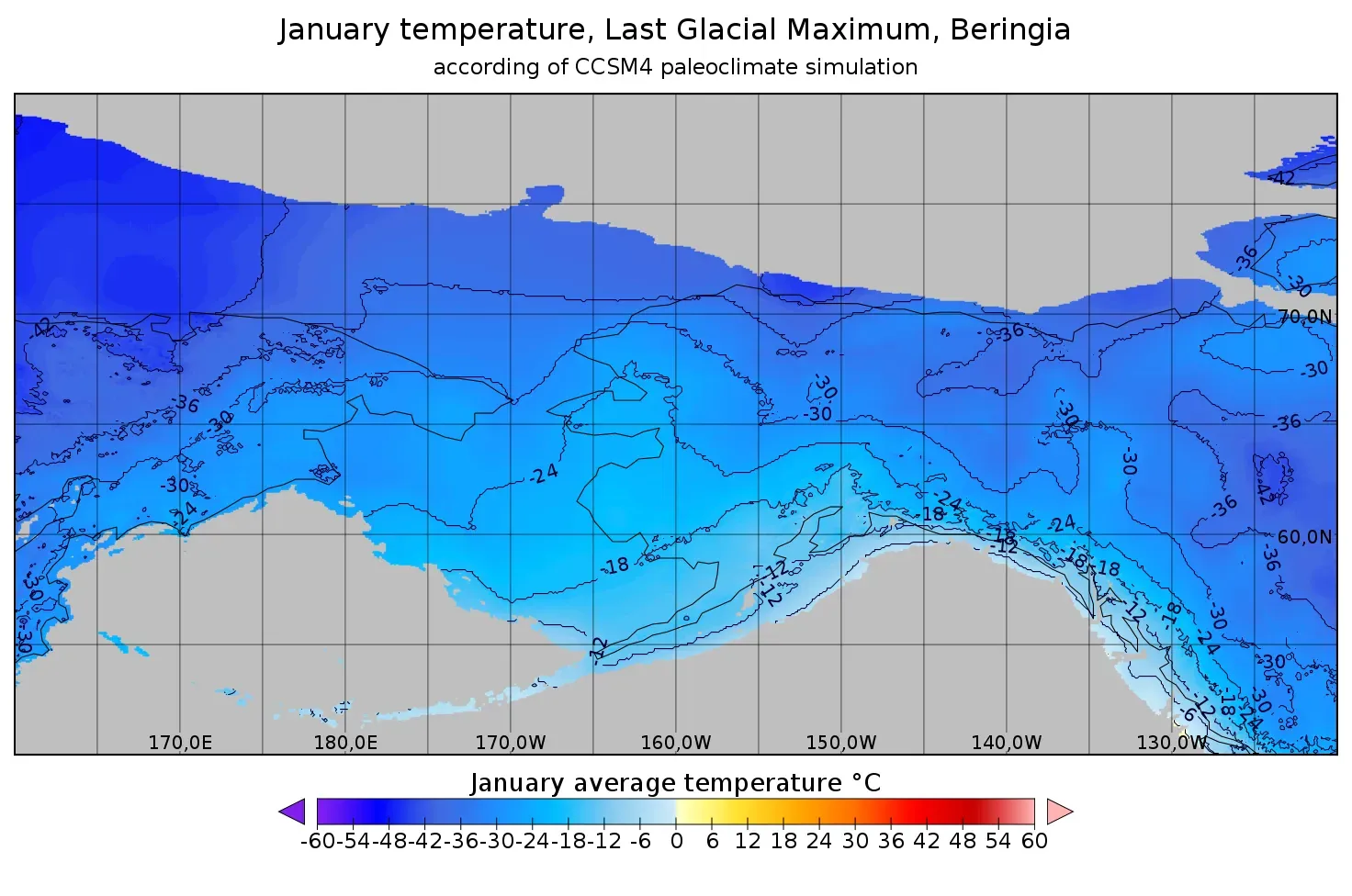
At certain times in the Ice Age, huge amounts of water were locked up in ice, so sea levels were lower than today. For you, that meant new routes opened up: land bridges that connected places now separated by ocean. One famous example is the land connection that once linked northeastern Asia to what is now Alaska. At some point more than twenty thousand years ago, small groups of humans used this route to move into the Americas, gradually spreading all the way down to South America over many generations.
Another astonishing chapter is the peopling of Australia. Tens of thousands of years ago, you and your relatives managed to reach Australia and nearby islands, even though that required short sea crossings. You were not yet building giant ships, but you were already using simple watercraft and island-hopping strategies. This shows you that long-distance travel did not wait for advanced technology; even with basic tools and a sharp eye on the coastline, your ancestors were willing to risk moving beyond sight of familiar shores.
On the Open Water: Early Seafaring and Island Hopping
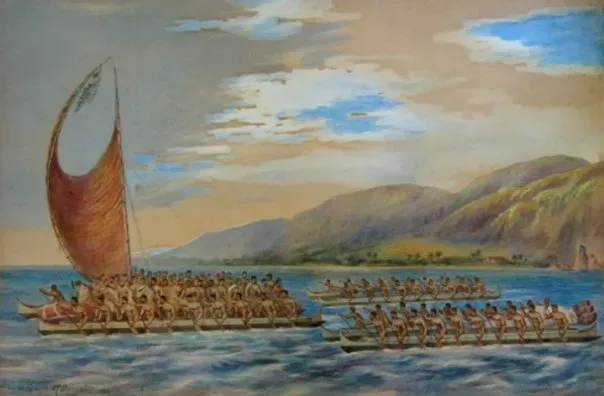
Once you learn to trust the sea as a pathway rather than a barrier, your world expands dramatically. Thousands of years ago, people along coasts in places like Southeast Asia, the Mediterranean, and the Pacific began using boats to fish, trade, and explore. At first, these trips might hug the shoreline, but over time, you push farther, using knowledge of winds, currents, and stars to guide you. Even without metal tools or written maps, you can memorize routes the way you might memorize a favorite song.
In the Pacific, this kind of long-distance seafaring becomes especially impressive. Your ancestors there learned to navigate by reading wave patterns, bird behavior, and the night sky, steering double-hulled canoes across open ocean to find islands that are little more than specks on the horizon. Each successful voyage makes the next one slightly less unknown, turning terrifying blue emptiness into a web of remembered paths. By doing this again and again, you transform scattered islands into a connected world.
Footpaths to Highways: Overland Routes That Shaped Civilizations
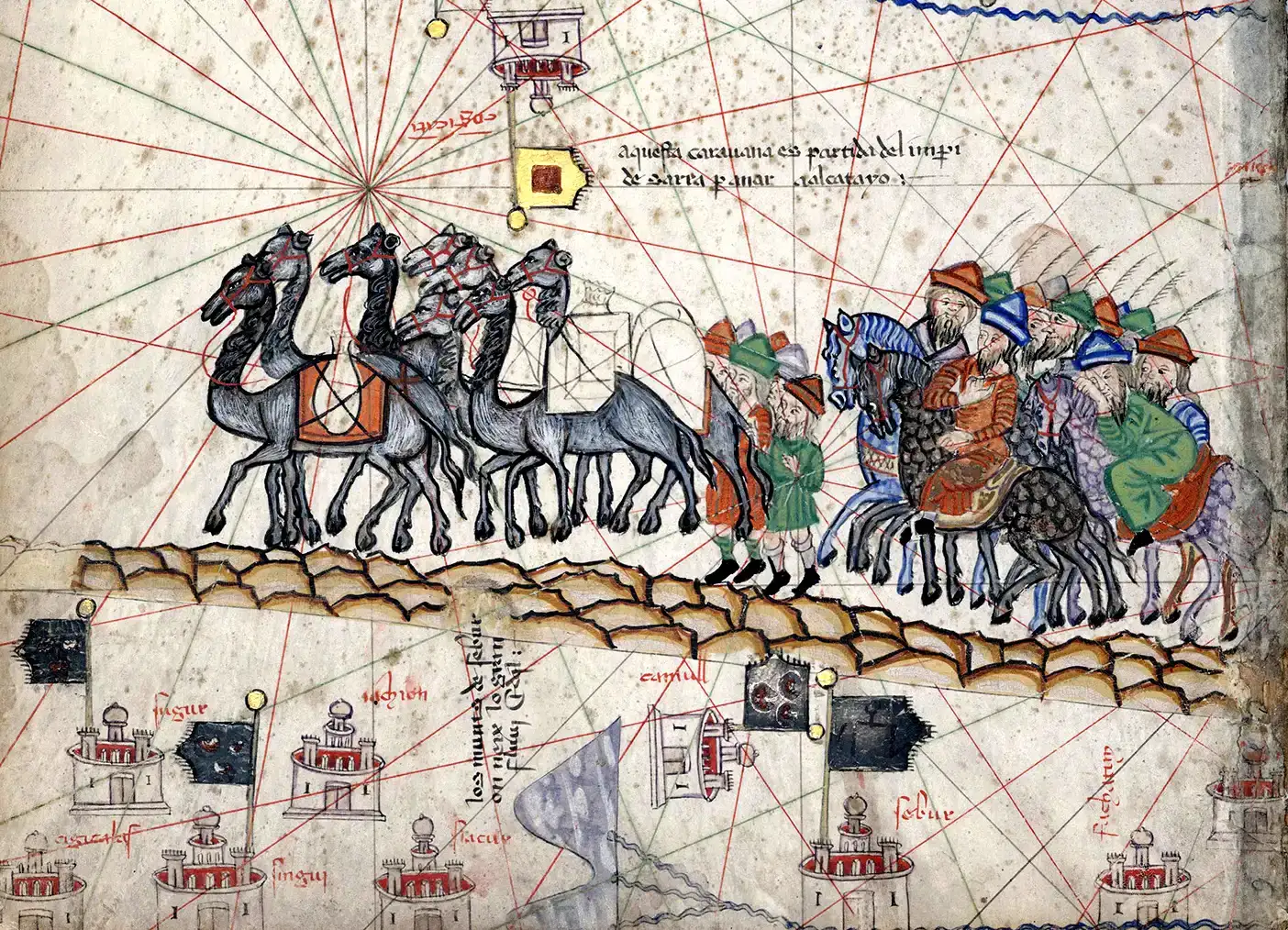
As farming spreads and permanent settlements grow into towns and early cities, your reasons for begin to shift. You no longer move only to follow herds; now you also travel to trade, share ideas, and form alliances. Over time, repeated footpaths become recognizable routes, like early versions of highways. You and others walk these tracks with pack animals carrying goods such as salt, metals, spices, or textiles, and each journey links distant communities a little more closely.
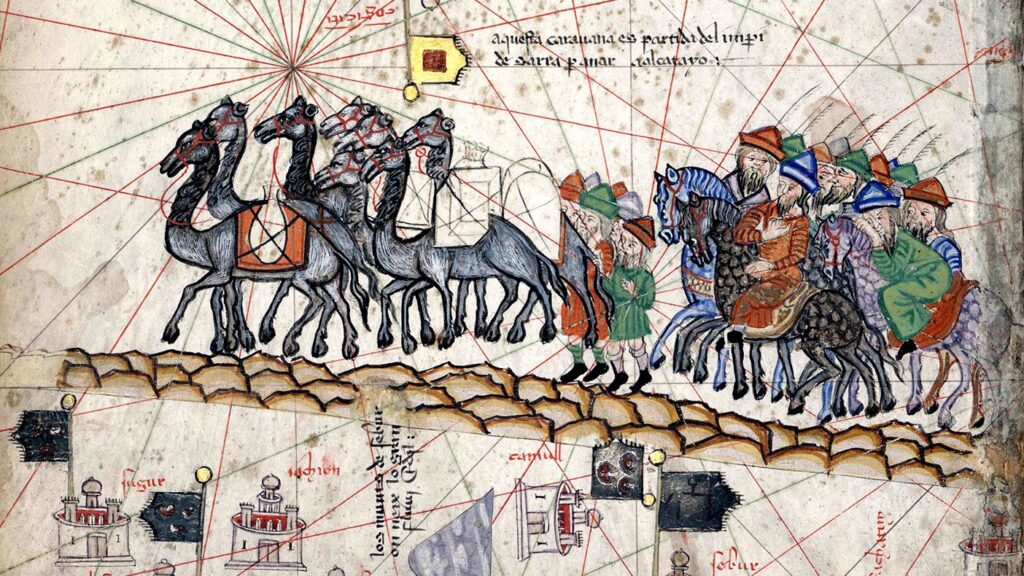
One of the best-known examples of this is the network of routes across Eurasia often called the Silk Road. You can imagine caravans walking for weeks or months across deserts and mountains, stopping at oases and trading towns along the way. You might start your journey in one region and meet people from places you have only heard about, exchanging not only goods but also stories, religious ideas, and technologies. In this way, long-distance overland travel becomes a backbone of cultural exchange and shared human history.
Horses, Wheels, and Empires: Speeding Up the Journey
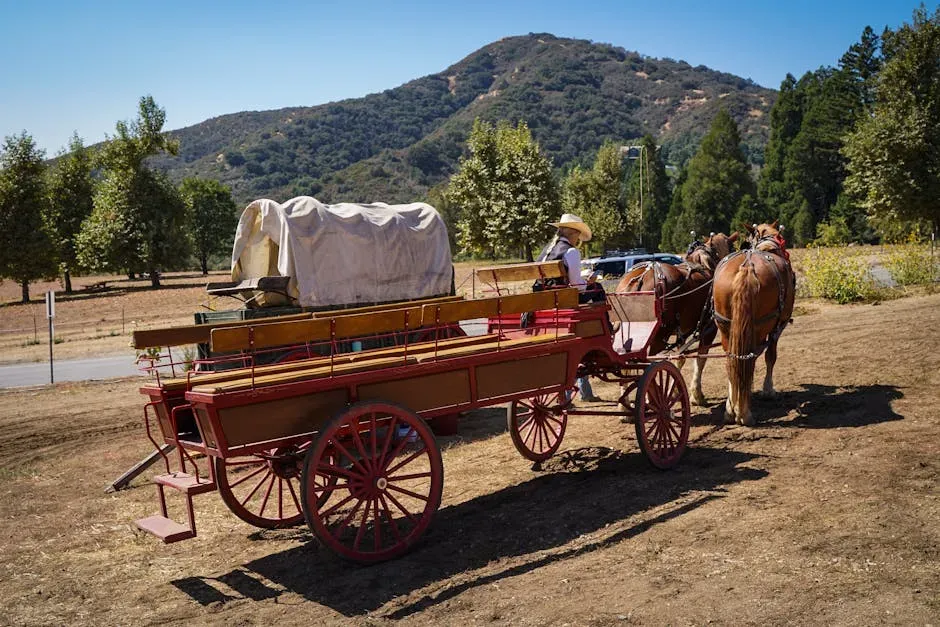
At some point, humans realize you do not have to rely only on your own feet. When you domesticate animals like horses and invent wheeled vehicles, the entire scale of long-distance travel changes. Now, you can cover the same distance in days that once took weeks. If you imagine yourself riding along a road with supplies loaded onto wagons or carried by pack animals, you can feel how much more reachable distant lands suddenly become.
Large empires take this idea and build road systems to keep far-flung regions connected. In some places, you have well-maintained routes with way stations where travelers can rest or change horses, making it easier and faster to move messages, soldiers, and goods. For you as a traveler in such a world, long-distance journeys are still challenging, but they are no longer rare acts of desperation or pure exploration. They become regular parts of political control, trade networks, and, occasionally, personal adventure.
From Adventurers to Everyday Travelers: The Modern Shift

Compared to the deep past, your modern travel options feel almost magical. You can cross oceans in hours by plane, ride high-speed trains from city to city, or drive across entire countries in a matter of days. What used to demand life-threatening risk and months of hardship has turned into something you might do for work, family visits, or even just a vacation. In a single lifetime, you can see more of the planet than most of your ancestors could in many generations.
Yet when you step into an airport or onto a highway, you are still tapping into the same urges that drove those first long-distance journeys: curiosity, opportunity, and sometimes sheer necessity. Modern technology has changed the speed and comfort of travel, but not the basic human drive behind it. When you look at it this way, every boarding pass, bus ticket, or packed backpack is a small echo of people walking out of Africa, crossing land bridges, or pushing into uncharted waters with hope and a bit of fear.
How This Ancient Wanderlust Still Lives in You
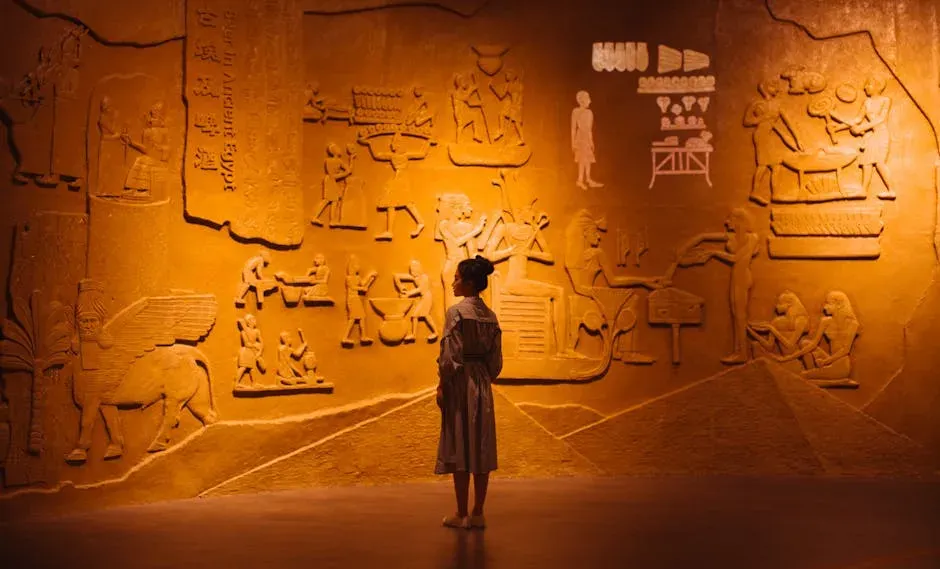
If you have ever felt a strange pull toward the horizon, you are feeling something that has guided humans for tens of thousands of years. That itch to see what lies beyond the next hill or across the sea helped your ancestors survive, find new lands, and adapt to changing climates. Long-distance travel was not just an adventure for them; it was often the difference between thriving and disappearing. In a quiet way, that same instinct still shapes your choices today, from moving to a new city to booking a spontaneous trip.
You might travel now for comfort, curiosity, career, or connection rather than pure survival, but the emotional core is similar. You leave behind what is familiar, accept uncertainty, and trust that something worthwhile is waiting for you down the road. When you remember how early and how often humans have taken that leap into the unknown, it becomes easier to see your own journeys – big or small – as part of a much older story that you are still helping to write.
In the end, humans first started when you first needed to survive, explore, and imagine a life beyond what you already knew. From tracking herds on foot to soaring through the sky, every stage has built on that same stubborn willingness to move. The next time you stand on a platform, sit in a car, or daydream about a faraway place, you might ask yourself: are you just planning a trip, or are you quietly continuing the oldest journey your species has ever known?