If you stop for a second and look around your life, almost everything you see began as someone’s . The house you live in, the phone in your hand, even the idea of “a weekend” once existed only in a human mind. When you really think about it, is not a cute extra feature you picked up along the way; it is the engine that made your entire world possible.
But where did this strange power come from? Why can you picture things that have never happened, worlds that do not exist, futures that haven’t arrived yet? To understand that, you have to go backwards – deep into your brain, deep into your childhood, and deep into the long, messy story of your species. As you do, you start to see that is not just daydreaming; it is a survival tool, a social glue, and maybe even your most human trait.
The Evolutionary Roots: as a Survival Tool
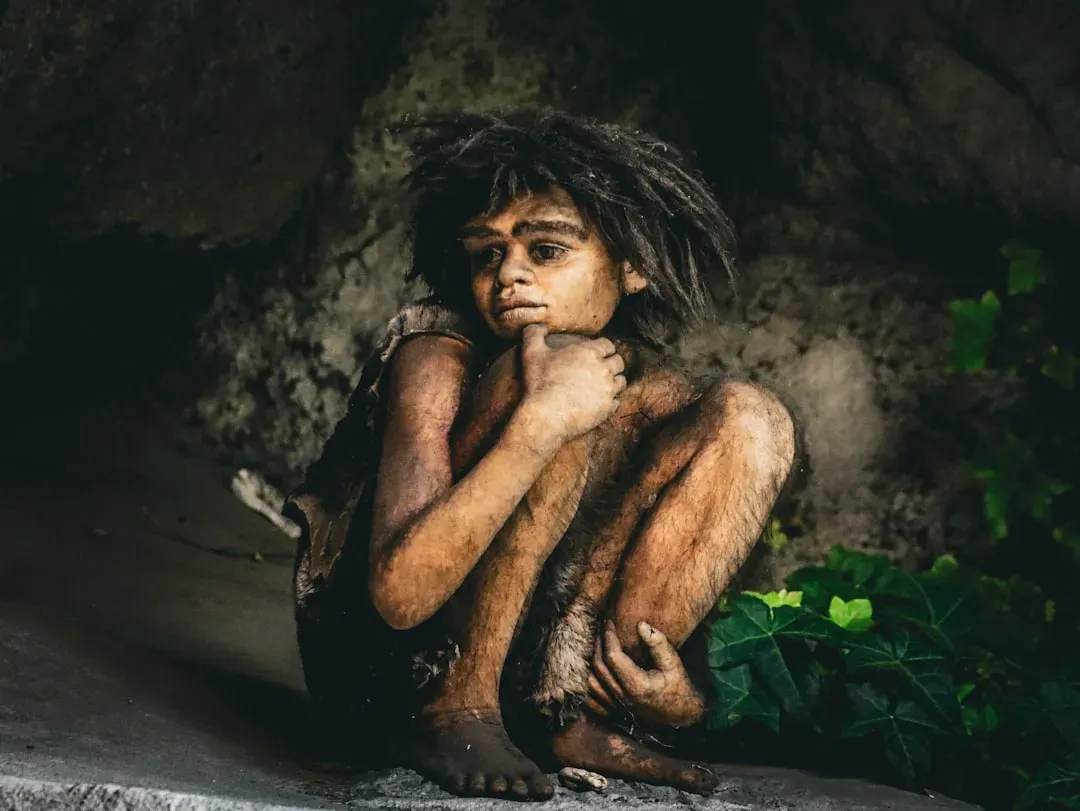
Imagine one of your distant ancestors standing at the edge of a dark forest, trying to decide whether to enter. There are no warning signs, no data charts, no maps – only sounds, shadows, and a gut feeling. The moment that ancestor starts to picture a hidden predator behind the trees, or a safer path around the hill, has already kicked in. You are watching your brain’s oldest talent: running simulations of “what might happen” before reality forces the issue.
From an evolutionary point of view, your ability to imagine is basically a mental rehearsal system. Instead of learning only by painful trial and error, you can test actions in your head first. You imagine the hunt before it happens, the storm before it hits, the argument before you say something you regret. Brains that could do this had a huge edge: they could anticipate danger, strategize, innovate tools, and coordinate complex group actions. Over tens of thousands of years, those brains – and their imaginative circuits – were rewarded and passed on, until became a built-in survival feature you still rely on every day, even if you now use it more for planning vacations than escaping predators.
The Social Brain: Storytelling, Myths, and Shared Worlds
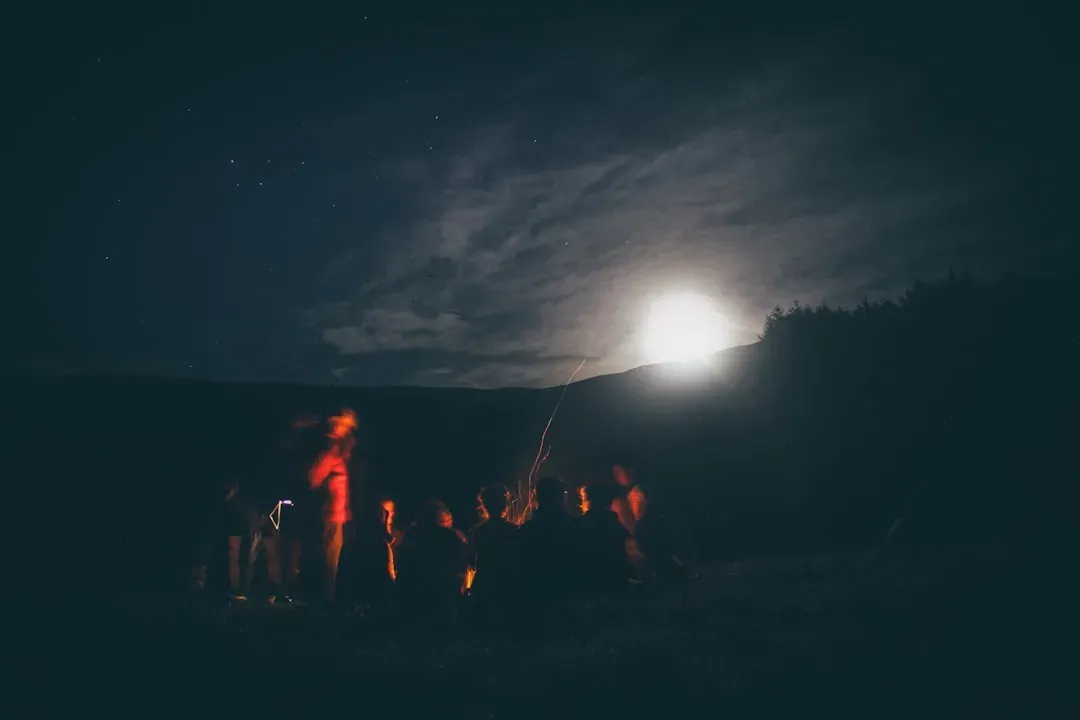
You do not just imagine privately; you build entire mental worlds with other people. Think about how quickly a story can pull you in, how you can feel real tension about fictional characters you’ll never meet. Long before novels, movies, or video games, your ancestors sat around fires and told stories about brave hunters, tricky spirits, or distant lands. Those stories were not just entertainment – they were shared simulations that taught lessons, reinforced group values, and welded people together around common beliefs.
When you join in a story, you temporarily sync your with someone else’s. You picture what they describe, feel what they hint at, and travel through a world that exists only in your collective minds. This ability to enter shared imagined realities – whether it’s a religion, a national identity, a set of laws, or a fictional universe – is one of the most powerful social technologies humans have ever developed. It lets you coordinate with huge numbers of strangers, trust people you’ve never met, and act together as if invisible rules and imagined entities were as solid as stone.
The Child’s Mind: How Blooms Early in Life
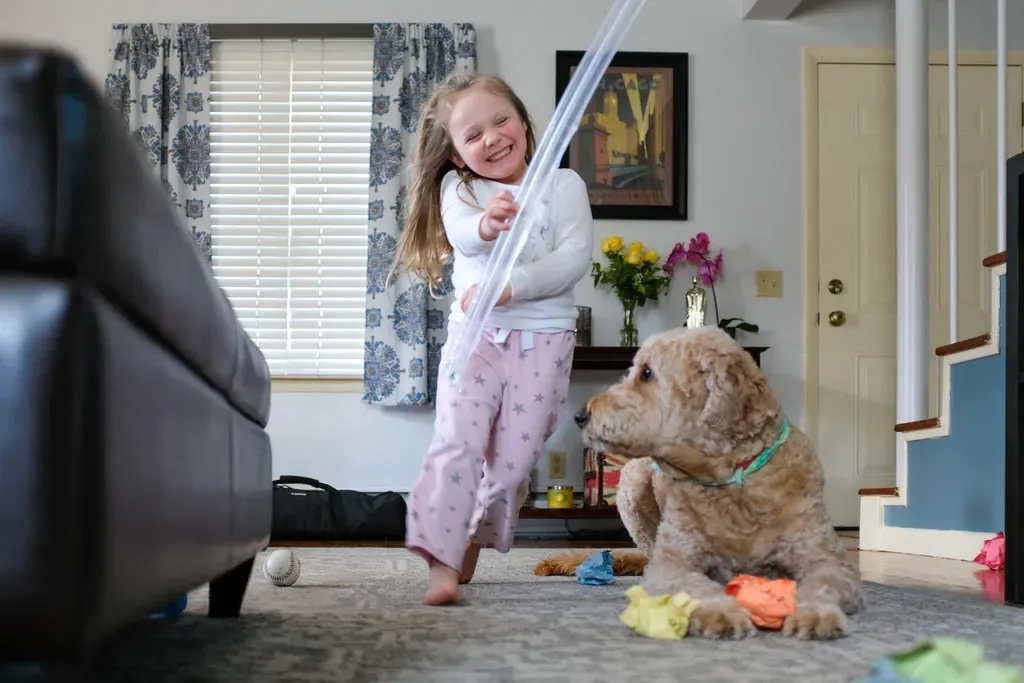
If you want to see grow in real time, watch a young child at play. A stick becomes a magic wand, a cardboard box turns into a spaceship, and an empty room fills up with invisible friends. You might smile at this and call it “pretend,” but what you are really seeing is a brain aggressively practicing its ability to create and hold alternate realities. Children spend an incredible amount of time in this make-believe mode, and it is not random – it is training.
Through pretend play, a child learns to flip back and forth between “what is” and “what could be.” They experiment with roles, rules, consequences, and emotions, all in a safe, low-stakes environment. When a child imagines being a doctor, a superhero, or a teacher, they are rehearsing complex social situations and problem-solving patterns before facing them in real life. You did this too, even if you do not remember every game. That early, wild creativity laid the foundation for your adult skills: planning, empathy, creativity, and even your sense of self as someone who has a past, a present, and a possible future.
The Brain’s Machinery: Networks Behind Your Inner Movies
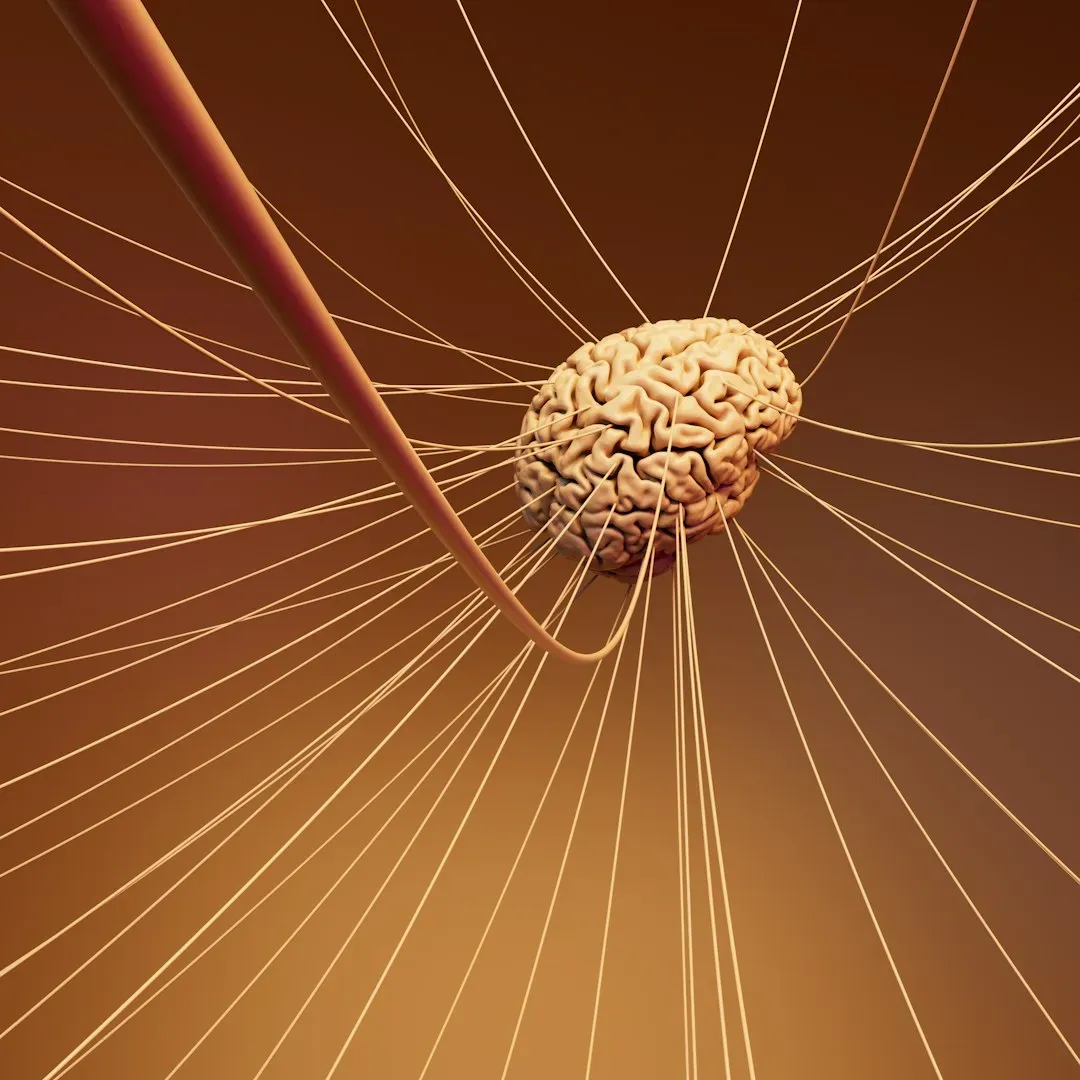
When your mind drifts off during a boring meeting and you suddenly find yourself imagining a beach, a conversation, or some future success, a particular set of brain networks lights up. Researchers often call one of these the “default mode network,” because it becomes especially active when you are not focused on an immediate task. In that off-duty state, your brain starts stitching together memories, feelings, and possibilities, almost like it is quietly running its own internal cinema.
You experience this as daydreaming, future planning, or even those random mental tangents you sometimes feel guilty about. But this so-called wandering is doing serious work. You are rehearsing different futures, replaying past moments to learn from them, and combining ideas in ways that sometimes produce genuinely new insights. In other words, what may feel like mental noise is actually your brain’s way of exploring the space of “what if,” working in the background to prepare you for challenges and opportunities you have not yet met.
Language, Symbols, and the Power to Think Beyond the Present
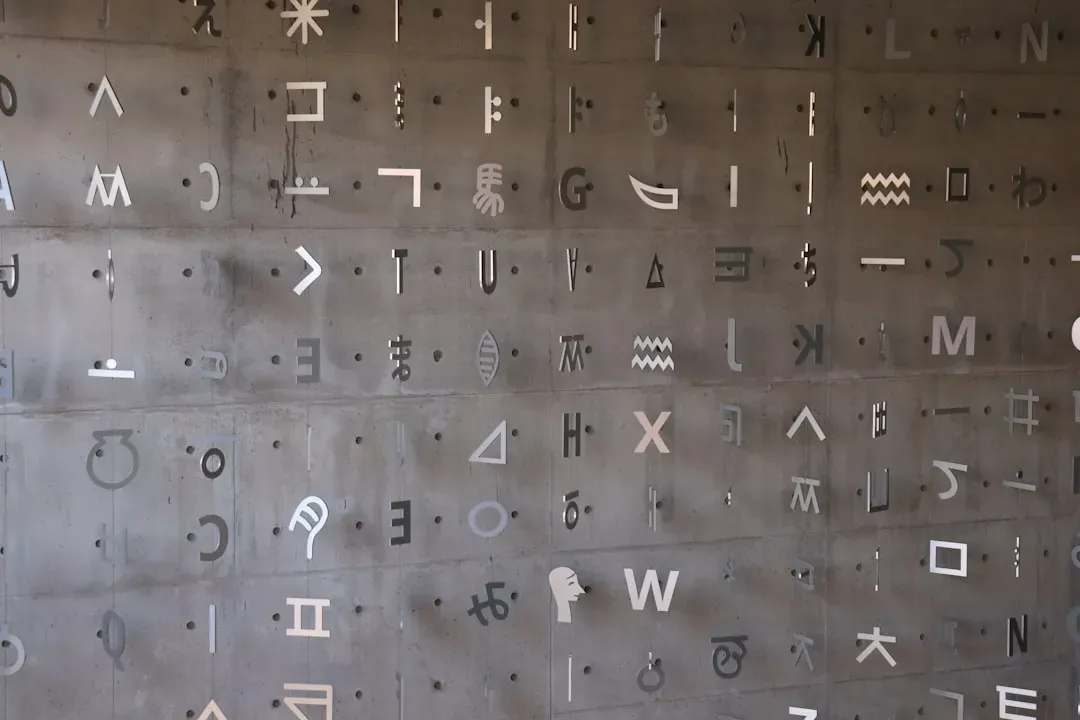
Once you have language, your suddenly gains a set of precision tools. Words, numbers, and symbols act like mental shortcuts, letting you hold and manipulate complex ideas that you could never juggle as raw images alone. When you think about “justice,” “freedom,” or “tomorrow,” you are dealing with abstractions that do not exist in front of you. Language lets you name these invisible things and treat them as if they were objects you can pick up and turn around in your mind.
This symbolic power is part of why you can design a bridge before it exists, draft a constitution before a country is born, or work out the steps of a scientific theory long before anyone has the technology to test it. You move easily between concrete experiences and abstract concepts, often without noticing the jump. Every time you use a metaphor, do mental math, or describe a feeling that is hard to pin down, you are watching your symbolic at work – stretching your mind far beyond the limits of the present moment.
, Memory, and the Sense of Self
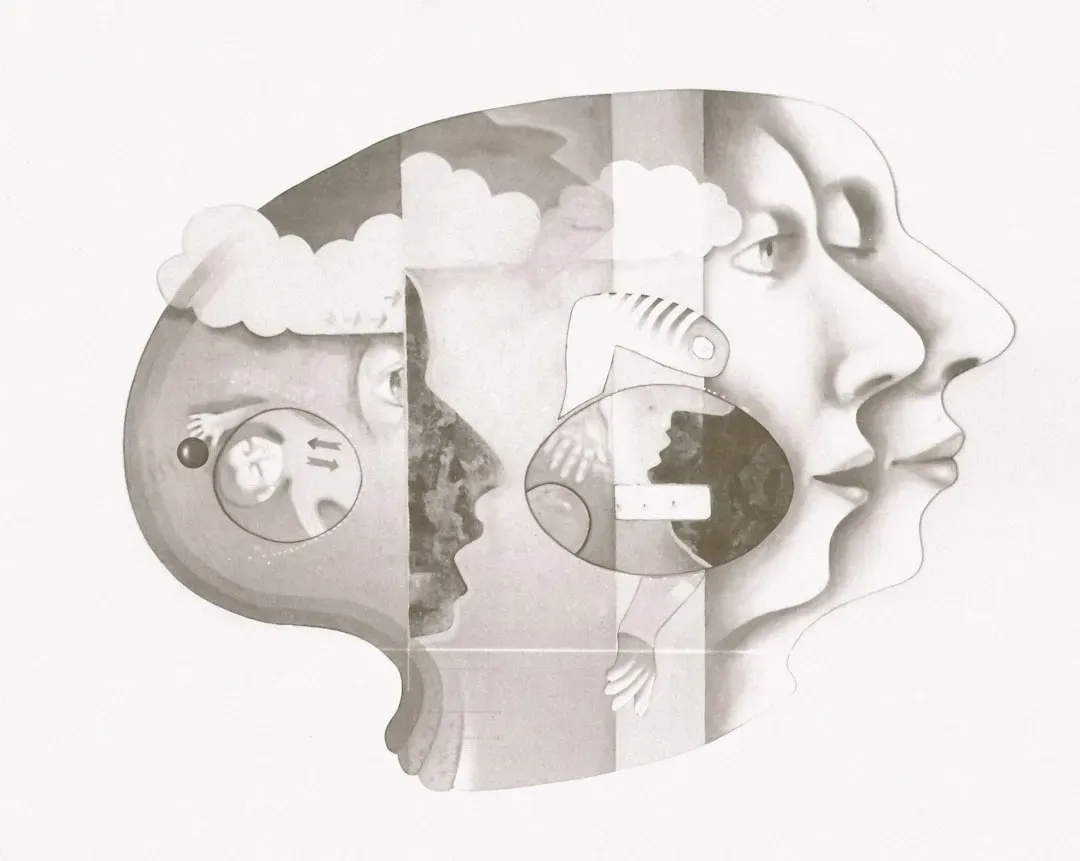
Your is not only about dragons, gadgets, or future vacations; it is also deeply involved in how you remember your own life. When you recall a past event, you are not playing back a perfect recording. You are actively recreating it, filling in gaps, smoothing over details, sometimes even reshaping it based on who you are now. In a very real way, you are imagining your past each time you remember it, blending fact and interpretation into something that feels solid and true.
The same machinery lets you project yourself forward, picturing who you might become in five years or how you might feel if you made a different choice today. This ability to mentally travel in time – to re-experience the past and pre-experience the future – is central to your sense of being a continuous “you.” Without it, you would be stuck in the present, with no real story holding your life together. Your gives you that storyline, with all its edits, revisions, and hopeful plot twists.
Culture, Art, and Technology: When Scales Up
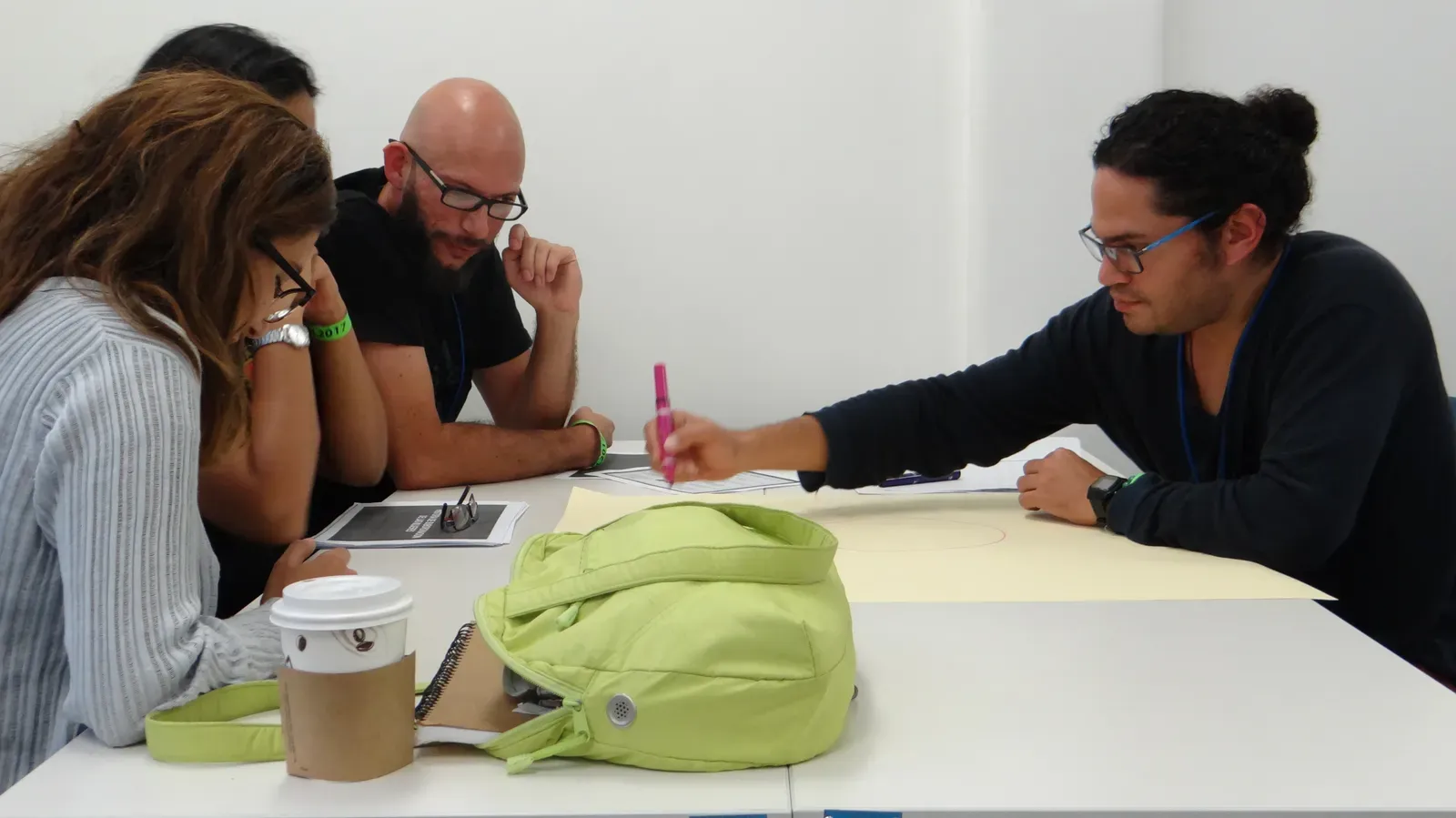
When enough people share and build on each other’s imaginative leaps, you get something bigger than any single mind: culture. Every song you listen to, every movie you watch, every piece of art you enjoy is someone else’s inner world made visible. You step into that world, and then you carry parts of it back into your own thinking. Over time, this back-and-forth exchange of imagined realities shapes what entire societies believe is possible or desirable.
Technology is one of the clearest examples of turning into concrete reality. Someone once imagined artificial light, powered flight, space travel, and digital communication long before they existed. Now you live in a world where you casually send messages across the planet, simulate whole cities on a computer, and talk to machines as if they were people. You are living inside layers of other people’s past s, while adding your own ideas to the pile for whoever comes next.
The Future of : AI, Virtual Worlds, and New Frontiers
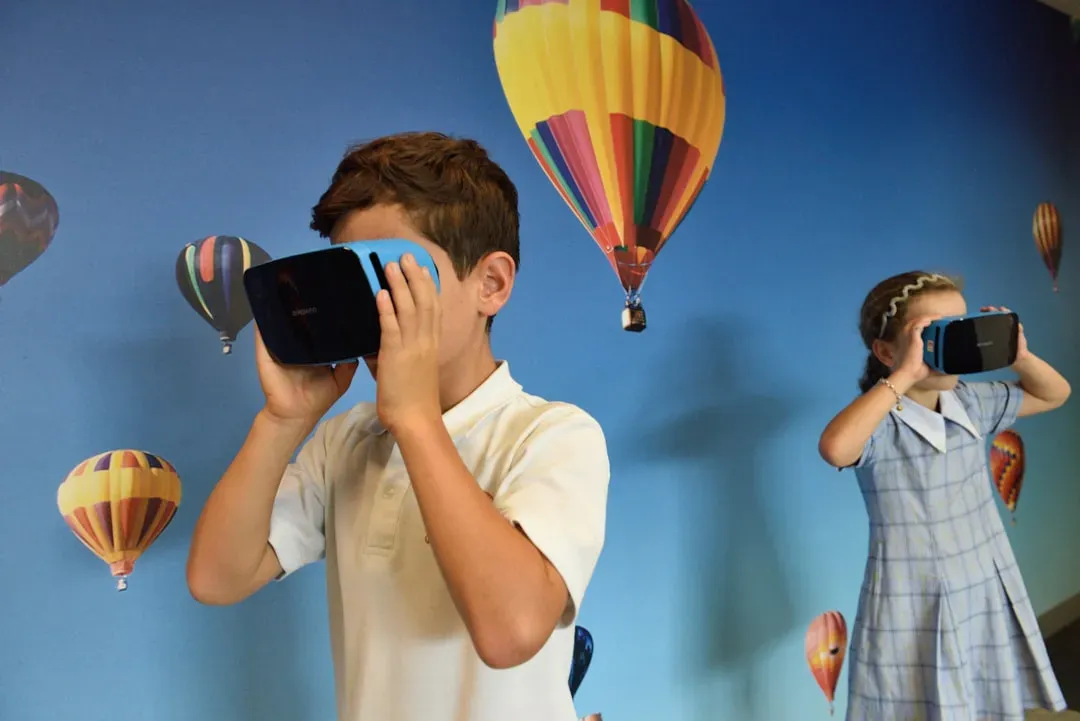
Right now, your is colliding with something unprecedented: machines that can generate images, text, sound, and entire virtual environments on demand. You can already step into digital worlds that feel strangely real, or ask a system to visualize a scene that existed only in your head a few moments before. This does not replace your , but it does amplify it, letting you test and refine ideas faster than any previous generation.
At the same time, this new power raises uncomfortable questions. If you can immerse yourself in endlessly customizable fantasy worlds, how do you stay grounded in reality? If algorithms can mimic creative output, what does that mean for your sense of uniqueness as an imaginative being? These are not just tech questions; they are questions about who you are and what kind of mental worlds you want to build, inhabit, and share with others.
Conclusion: Living With the Fire in Your Head

When you trace back through evolution, childhood, brain networks, and culture, you start to see it less as a luxury and more as the core of how you operate in the world. You survive by imagining dangers, you connect by sharing stories, you grow by rehearsing futures, and you heal by reshaping memories. Even on days when you feel stuck or uncreative, that quiet engine is still running – testing paths, assembling images, suggesting alternatives.
The real question is not whether you have , but what you choose to do with it. You can use it to scare yourself with worst-case scenarios, or to design better versions of your life and your world. You can let it run on autopilot, or you can steer it with intention, curiosity, and a bit of courage. If your entire reality is already shaped by things that once lived only in someone’s mind, what new possibilities might begin in yours today?