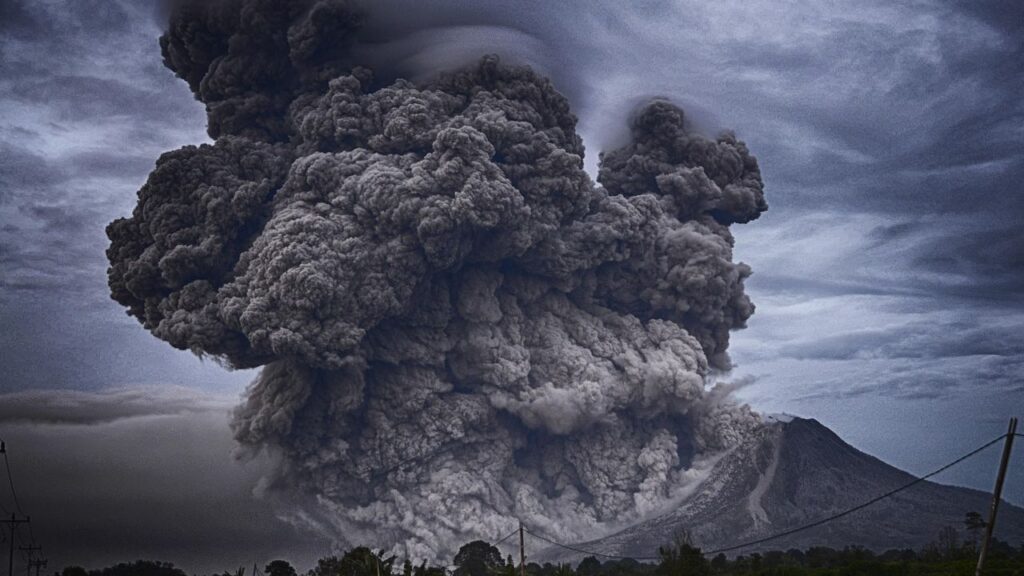
You grow up hearing about the dinosaurs and the asteroid, but no one really tells you that humanity itself may have almost been erased by something far more familiar: the ground beneath your feet. Long before cities, writing, or the internet, giant volcanoes exploded with a power that makes anything you see on the news look tiny, reshaping the climate and squeezing early humans into a fight for survival.
When you start to look into these ancient eruptions, the story of human history suddenly feels a lot more fragile. You realize that your existence depends not just on your ancestors’ choices, but on whether a few gigantic magma chambers happened to blow at slightly different times. In a way, you are here because the planet had a few near misses. Once you see that, you never look at a calm, peaceful landscape the same way again.
The Day Lake Toba Turned Into a 1,000-Kilometer Scar
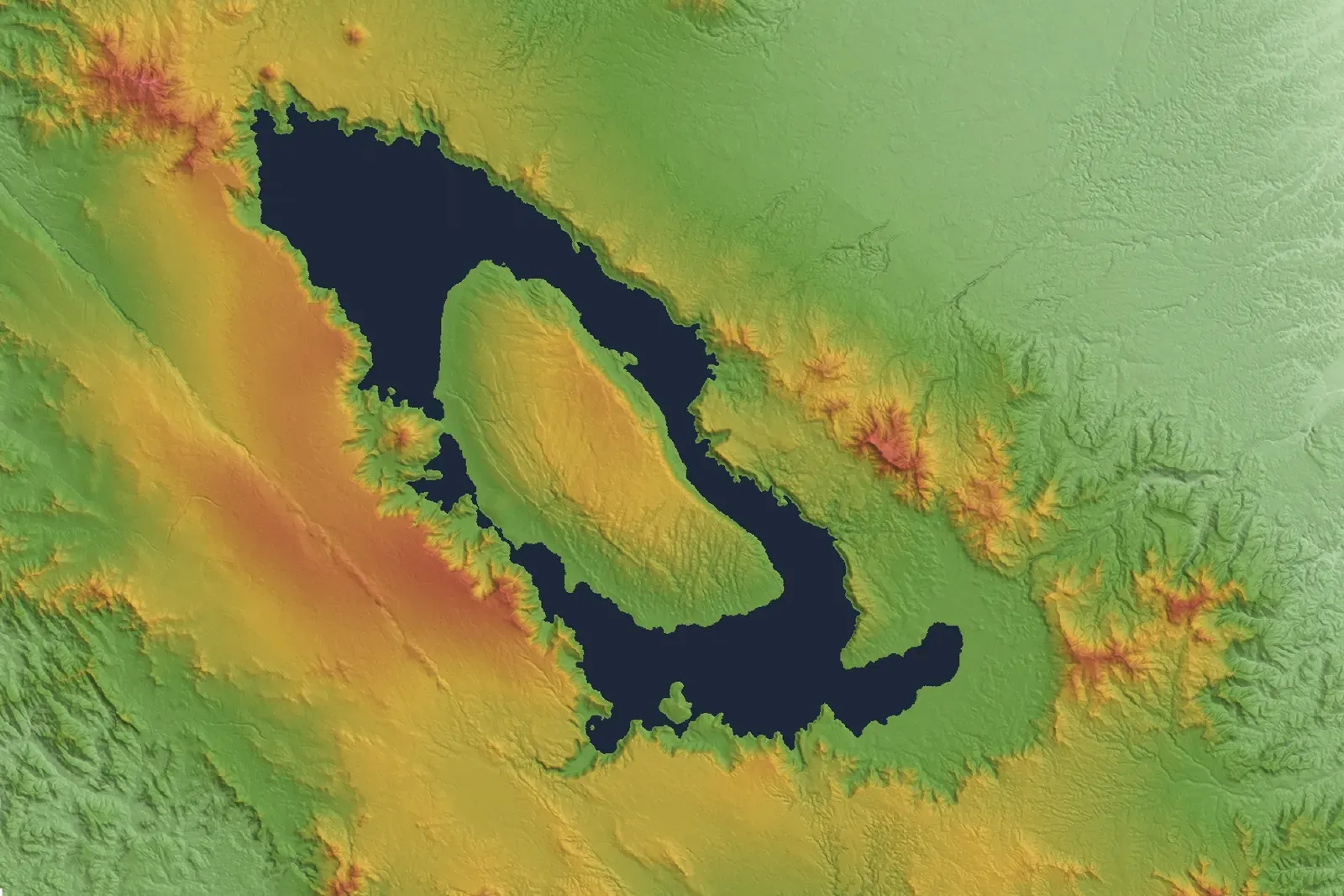
If you ever feel small, imagine standing near what is now Lake Toba in Indonesia about seventy to seventy-five thousand years ago. You would have seen the sky darken, the ground shake, and an unimaginable column of ash punching into the upper atmosphere, dwarfing any storm cloud you have ever seen. Scientists estimate that this single eruption released enough material to blanket entire regions in deep ash and changed global climate patterns for years.
Today, when you look at Lake Toba on a map, you are really staring at the collapsed roof of that ancient explosion, a caldera stretching roughly the length of a small country. Some researchers have suggested that this event may have pushed early humans to the edge by triggering a volcanic winter, shrinking habitable zones and food supplies. Even if the debate over the exact impact continues, you can be sure of one thing: if you had been alive in that era, your life would have depended on where you were standing when Toba blew.
Yellowstone: The Sleeping Giant Under Your Vacation

You might think of Yellowstone as a place for family road trips, geysers, and bison jams, but underneath the boardwalks and selfie spots lies one of the largest active volcanic systems on Earth. Instead of building a classic cone-shaped mountain, Yellowstone hides a vast, shallow magma reservoir that has exploded catastrophically multiple times in the last couple of million years. Each time, it left behind a wide caldera rather than a sharp peak, the kind of landscape you do not notice as volcanic at first glance.
When you stroll past Old Faithful, you are actually walking across the crust of a still-living supervolcano. Past eruptions here have thrown ash across much of North America, disrupting ecosystems on a continental scale. You are fortunate that, in your lifetime, Yellowstone mostly expresses itself through hot springs and geysers instead of planet-altering blasts. Every time you see steam rising from a pool, you are getting a polite reminder that Earth’s interior is never completely at rest.
Campi Flegrei: The Quiet Threat Beneath a Densely Packed Coast
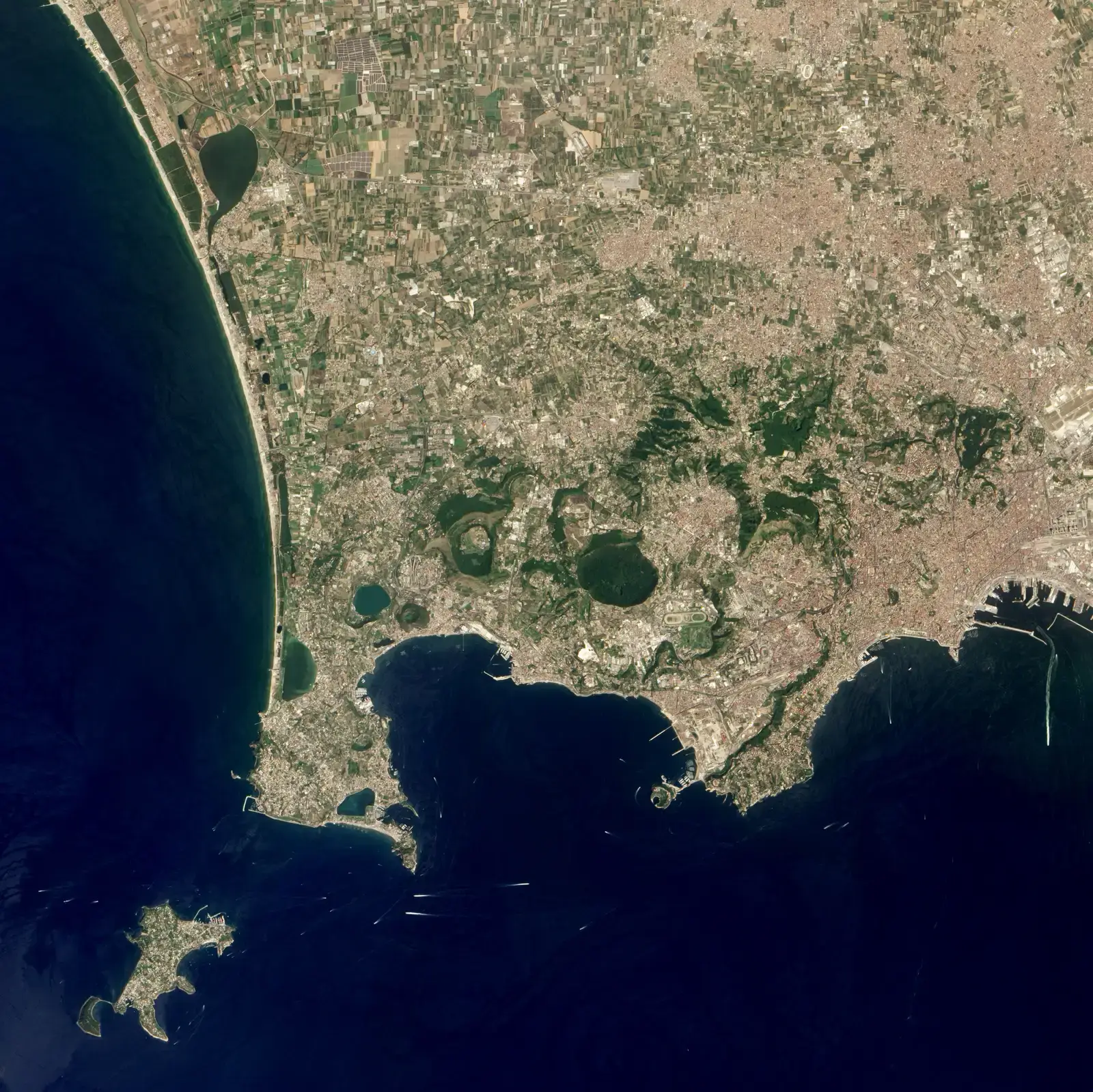
If you love the idea of strolling along the Bay of Naples in Italy, you are not alone; people have been drawn to that coastline for thousands of years. What you may not realize is that just a short distance from the iconic silhouette of Vesuvius lies a broader and even more dangerous volcanic system called Campi Flegrei, or the Phlegraean Fields. Instead of a single mountain, it looks like a patchwork of small craters, hot springs, and uplifted ground, the surface signs of a massive caldera beneath.
In the distant past, eruptions here have been powerful enough to send ash across the Mediterranean and disrupt climates far beyond Italy. Today, millions of people live directly above this restless system, relying on scientists to watch every subtle rise in the land and every small swarm of earthquakes. When you see footage of Naples’ bustling streets, it is easy to forget that the ground there has a memory of eruptions large enough to alter human history if they were to repeat at the wrong moment.
Taupo: The Supervolcano Hiding in a Peaceful New Zealand Lake
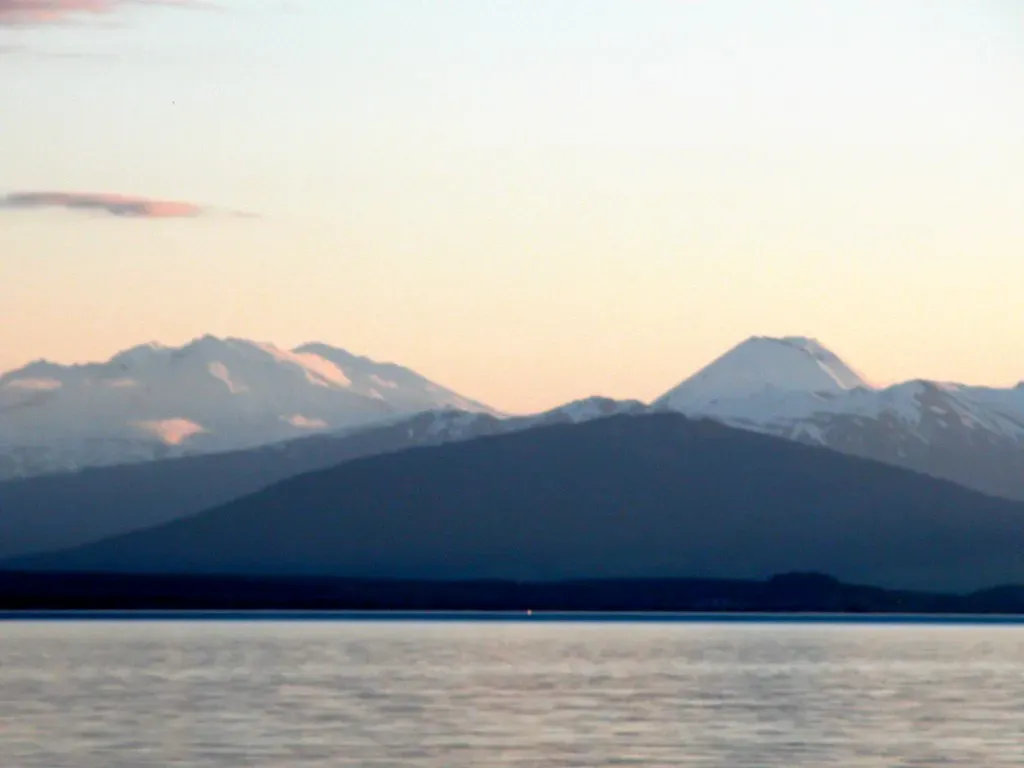
If you visit New Zealand’s North Island and gaze out over the calm waters of Lake Taupo, you might feel a sense of serene, postcard-perfect beauty. What you are really staring at, though, is a colossal volcanic scar left by multiple gigantic eruptions over the last few hundred thousand years. One relatively recent blast, around two thousand years ago, was powerful enough to leave clear traces as far away as Antarctica, a reminder that even “recent” history has included events on a staggering scale.
When you walk along Taupo’s shores, you are literally standing on the rim of a hidden giant that once ejected so much ash and pumice that landscapes were transformed across much of the region. If early human communities in the wider area were caught in its path, their stories would have been erased without a trace, long before they could write them down. You are left piecing together that past through ash layers and rocks, trying to imagine what it would feel like if a quiet lake suddenly turned into the center of a global event.
Long Valley: The Overlooked Supervolcano in California’s Backyard
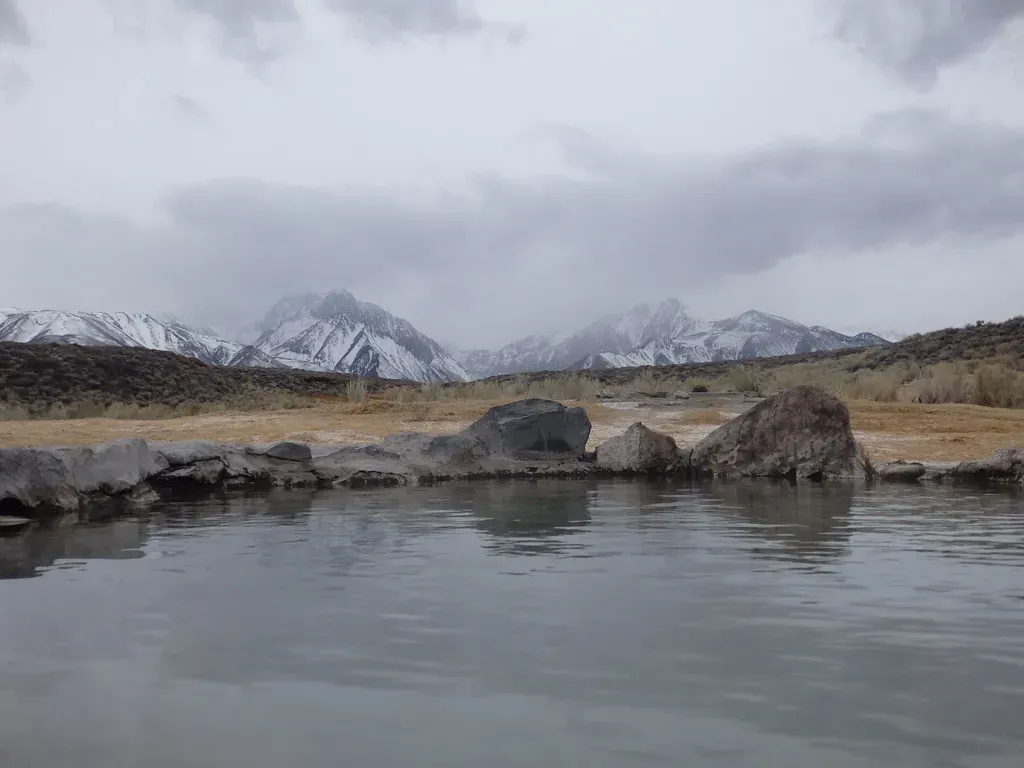
When you think about California hazards, you probably picture earthquakes or wildfires, not a buried supervolcano sitting in the eastern Sierra Nevada. Yet that is exactly what the Long Valley Caldera is: a huge depression formed by an eruption roughly three quarters of a million years ago that spread ash across large parts of what is now the United States. To the untrained eye, Long Valley looks like a broad basin rather than a classic volcano, which is precisely why you might not realize how violent its past has been.
Today, you can soak in hot springs or ski nearby mountains while a restless magma system quietly simmers deep below. Subtle ground swelling, gas emissions, and small earthquake swarms remind you that the system is not dead, just in a long, slow cycle compared to your lifetime. If you could rewind time and watch that ancient eruption unfold, you would see skies darken over vast areas and ecosystems forced to adapt or perish. Your modern life feels very stable compared to that kind of chaos.
Siberian Traps: When Volcanism Nearly Pressed Reset on Life Itself
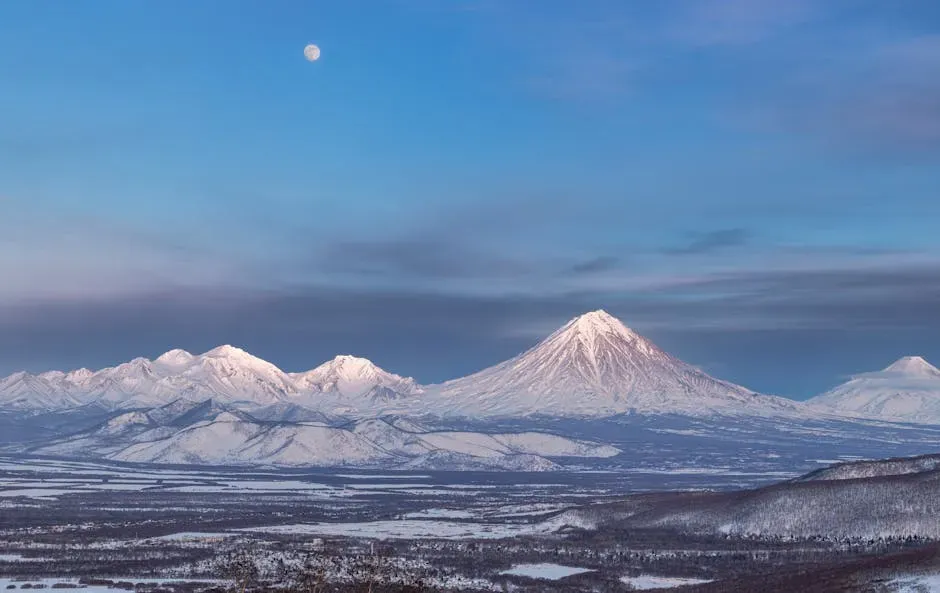
If you push your imagination far enough back, about a quarter of a billion years ago, you would find yourself in the middle of one of the most catastrophic volcanic episodes Earth has ever seen. In what is now Siberia, colossal volumes of lava spilled out over hundreds of thousands of years, building thick layers of basalt in a region known as the Siberian Traps. Instead of one sudden explosion, you would have witnessed repeated outpourings of magma, releasing vast quantities of gas into the atmosphere again and again.
Even though this happened long before humans existed, it is a stark reminder of how close life on Earth can come to a total reset. Many scientists connect these eruptions with the greatest known mass extinction, when the majority of marine and land species disappeared. When you look at this event, you are seeing the upper limit of what volcanic activity can do to a planet’s climate and ecosystems. It shows you that if similar large-scale volcanic processes had flared up during early human evolution, civilization might never have had the chance to begin.
How Ancient Supereruptions Shaped Your Climate, Genes, and Myths
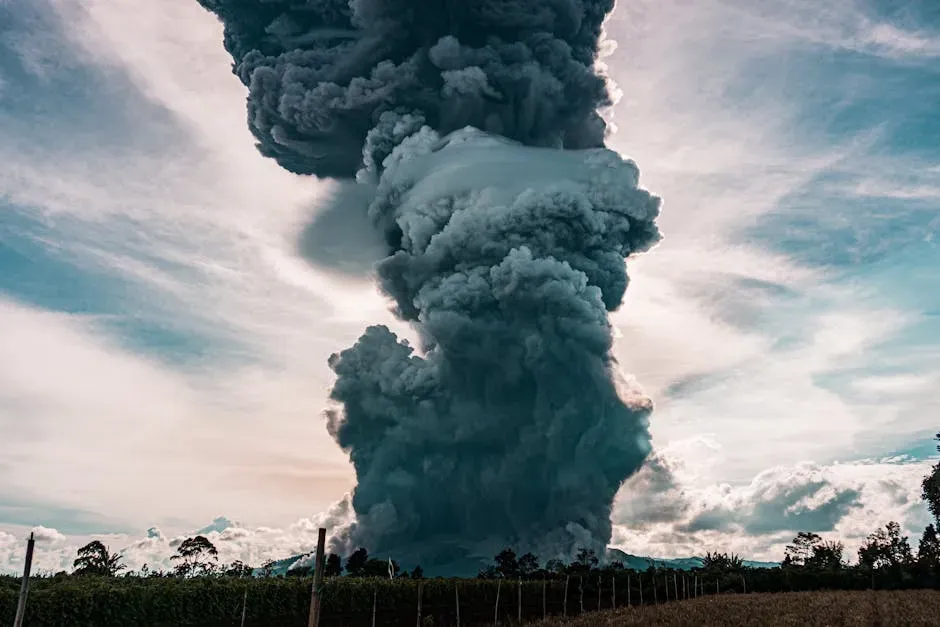
When you hear about these supervolcanoes, it is tempting to treat them as isolated disasters, but they are woven into your story in ways you do not always notice. Powerful eruptions can pump ash and sulfur into the atmosphere, dimming sunlight and cooling the planet for years, a volcanic winter that would twist growing seasons and force people to move or die. If your distant ancestors lived through anything like that, they would have had to adapt rapidly, changing where they settled, what they ate, and how they organized their groups.
Some researchers have suggested that severe bottlenecks in early human populations might line up with major eruptions, hinting that your genetic heritage carries the imprint of these disasters. Even your myths and religious stories may echo memories of ash-darkened skies and fiery mountains, transformed over generations into tales of angry gods or world-ending floods. When you step back, you realize that supervolcanoes did not just threaten to end civilization; they may have helped shape the kind of humans you are. In a strange way, you are a survivor of eruptions you never saw.
What These Hidden Giants Teach You About the Future
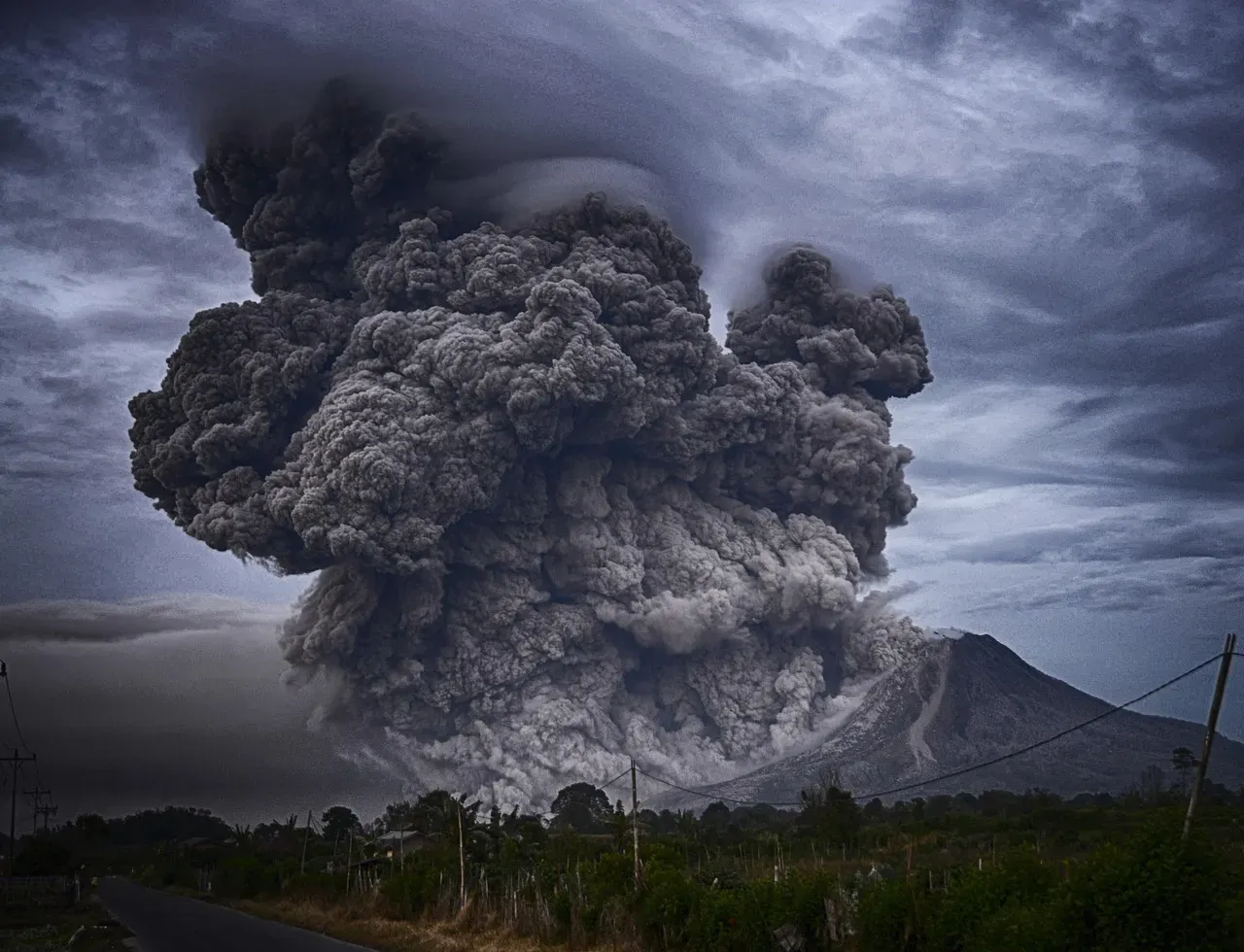
Once you start to see the world through the lens of supervolcanoes, modern life feels both safer and more precarious at the same time. On one hand, you live in an era with satellites, global communication, and scientific monitoring networks that constantly watch places like Yellowstone, Campi Flegrei, and Taupo. On the other hand, you know that the timescales of supereruptions are so long that your experience of “normal” might just be a calm moment in a much larger cycle.
What you can take from this is not panic but perspective. You are part of a species that has already survived ice ages, volcanic winters, and environmental shocks that would flatten most civilizations. By understanding how these hidden giants behave, you give yourself a better chance of responding wisely if one of them stirs again. In the meantime, every calm sunrise and quiet horizon is a small, unspoken victory over all the times Earth nearly hit the reset button before you were even here.
In the end, when you hear the word “supervolcano,” you are not just hearing about distant geology; you are hearing about why you exist at all. Your story, and the story of civilization, is balanced on a knife edge of magma, climate, and chance. The next time you stand on a lakeshore or drive past a peaceful valley, you might wonder what is really sleeping underneath it. If the ground could talk, what near misses would it tell you about, and how differently would you see your place in the world?