You live on a quiet after-party of Earth. Long before you and everyone you know showed up, the planet pulsed with giant ground sloths heavier than cars, armored armadillos the size of small vans, elephant birds taller than you could reach, and sharks that could have swallowed a great white like an appetizer. If you could step through time, you’d feel like you’d walked into a strange, over‑cranked version of a wildlife documentary where almost everything is just… bigger.
When you imagine “prehistoric life,” your mind probably jumps to dinosaurs. But the dinosaur age ended tens of millions of years before humans appeared. In between, and even overlapping with early humans, there was another cast of titans: megafauna. These giant mammals, birds, and reptiles shaped ecosystems, moved nutrients, and literally built landscapes in ways you still feel today. Once you start seeing Earth through their footsteps, your familiar world starts to look like a ghost town built on the ruins of something wild and enormous.
The Age Of Giants: What Megafauna Really Were
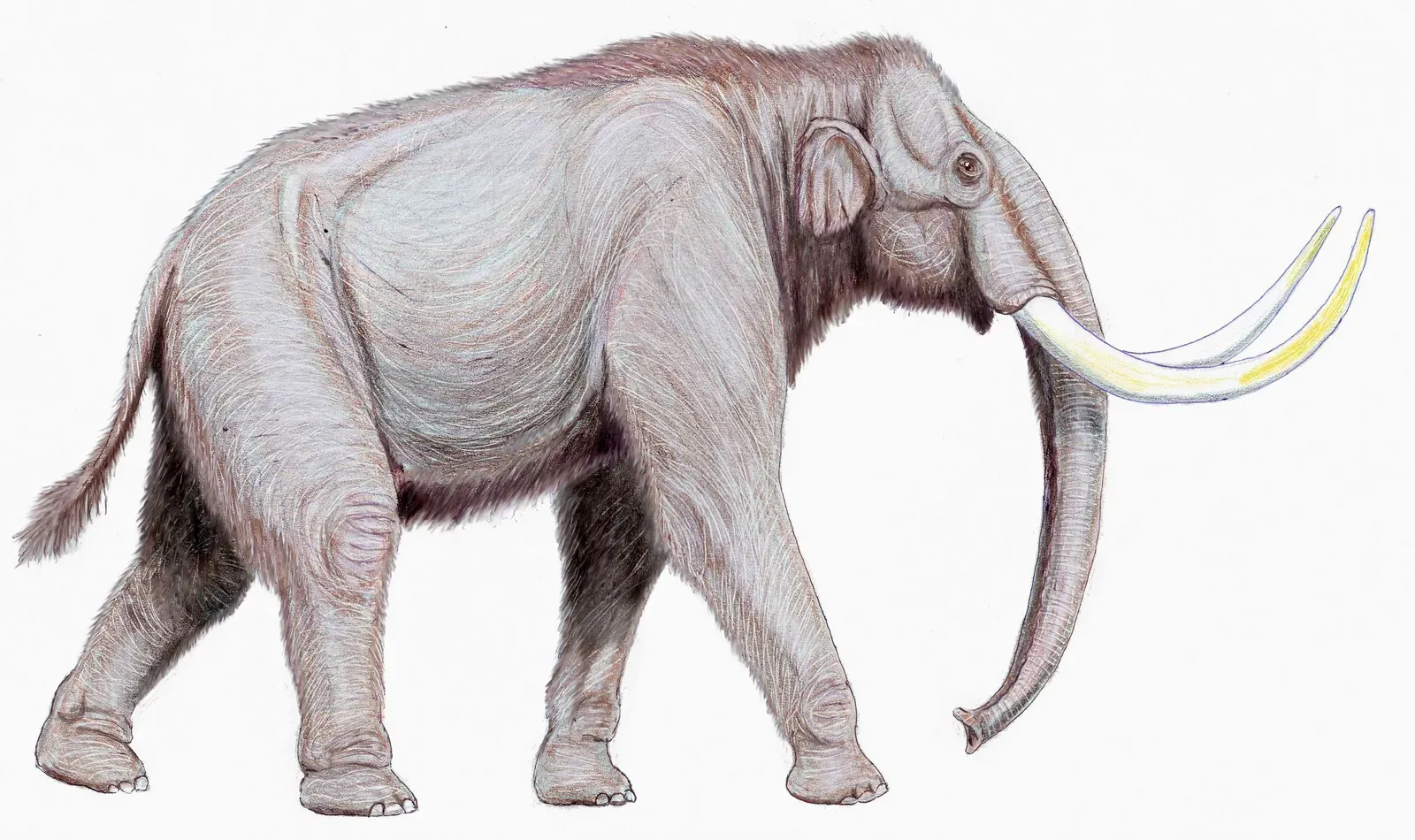
When you hear the word “megafauna,” you might picture cartoonishly big animals and assume it is just a fancy name for anything huge. In reality, scientists usually use it for land animals heavier than a large dog, and especially those weighing several hundred pounds or more. That category once included towering mammoths, huge ground sloths, giant kangaroos, rhino-like beasts, enormous flightless birds, and even massive rodents that would make your neighborhood squirrels look like toys.
You can think of megafauna as the heavyweight engineers of ancient ecosystems. Their size gave them incredible reach: they could knock down trees, dig deep pits, browse high branches, and travel long distances while carrying seeds, nutrients, and even parasites across entire continents. When you look at today’s African elephants or rhinos, you’re basically seeing the last living hints of a lifestyle that used to be common almost everywhere on land.
Continents As Kingdoms: How Giants Shaped Their Worlds
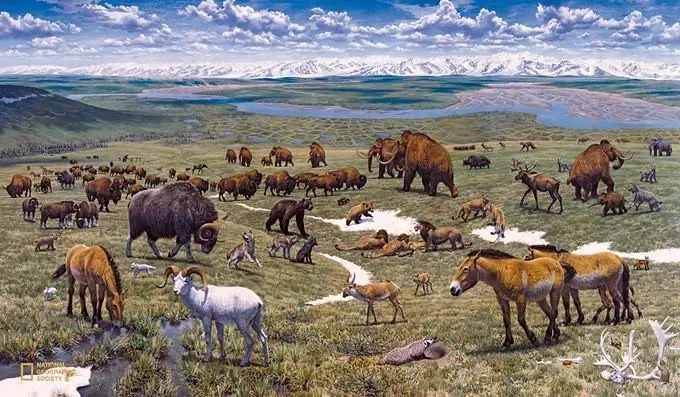
If you could hover in the sky over Earth during one of its megafauna peaks, you wouldn’t just see big animals wandering randomly. You’d see them redesigning the planet around themselves. Herds of massive herbivores trampled saplings and opened up grasslands, turning what could have been dense forest into open plains where other animals could graze and hunt. Their dung fertilized soils, fed insects, and even influenced where plants thrived or failed.
You’d also notice that these giants acted like moving rivers of nutrients. When they migrated, they carried minerals from rich valleys to poor uplands, from wet riverbanks to dry interior lands. Some plants seem almost purpose-built for large mouths and long intestines, relying on big animals to crack tough seeds or move them over great distances. When you walk through savannas, open woodlands, or grasslands today, you’re still walking through landscapes that were once constantly edited by megafauna, like a garden that lost its gardeners but still keeps their old paths.
Ice Age Titans: Mammoths, Mastodons, And Their Frozen Realms
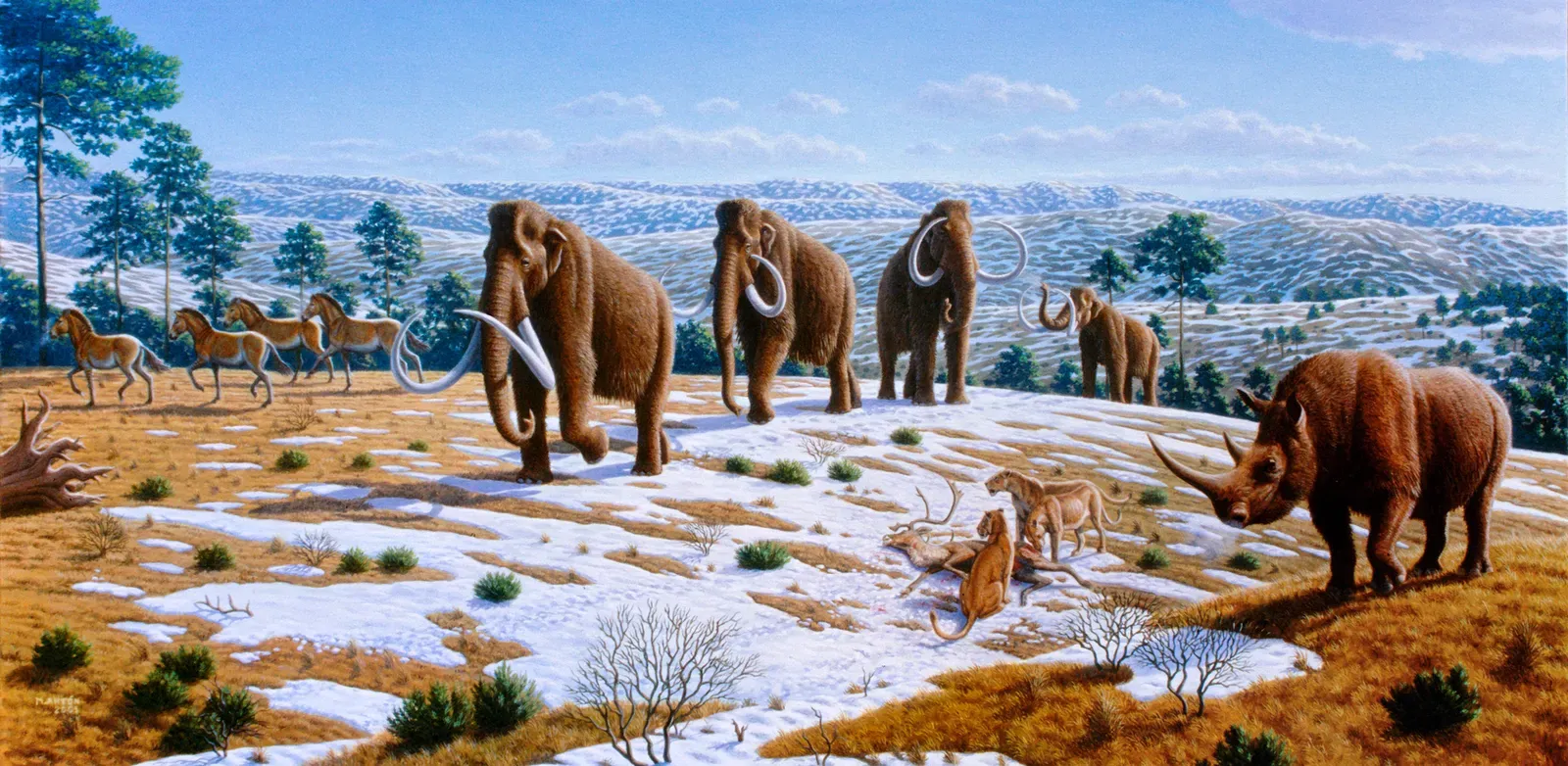
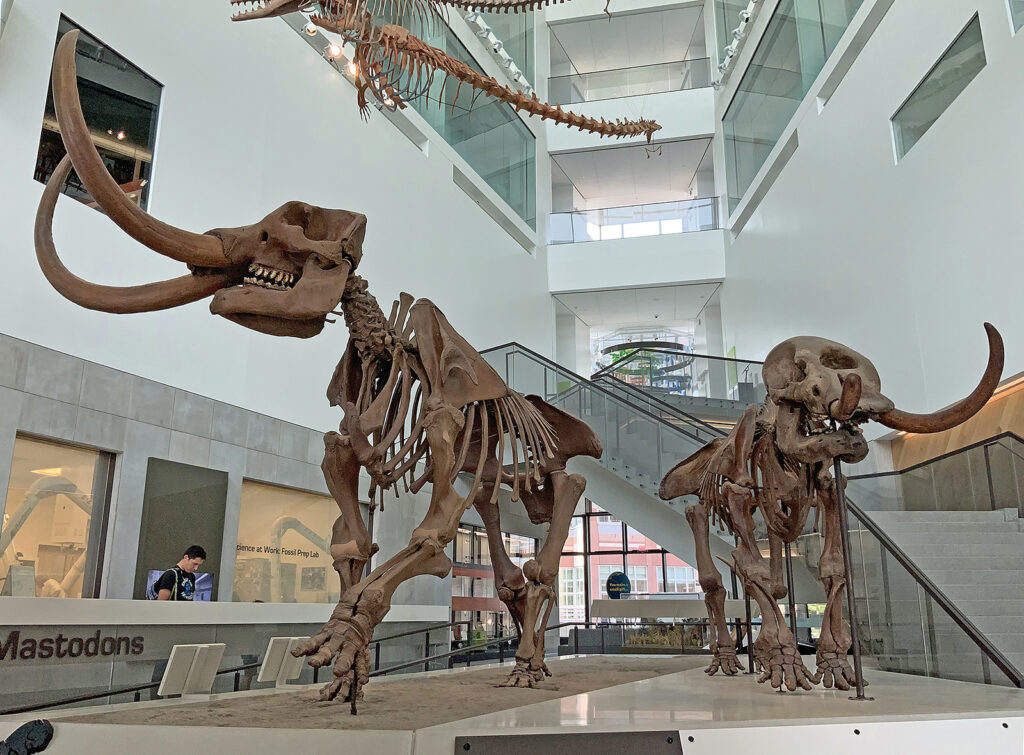
When you picture mammoths, you probably imagine shaggy elephants stomping through snow with curved tusks slicing the air. That mental image is actually not far off, especially for woolly mammoths that roamed the vast cold steppes of Eurasia and North America. They lived alongside mastodons, which looked broadly similar but had different teeth and often preferred more forested environments, browsing on twigs and leaves instead of mostly grass.
These animals did far more than just survive in the cold; they helped create the very environments they depended on. By ripping up shrubs, toppling trees, and churning up soil with tusks and feet, they encouraged open grasslands rather than thick, closed forests. Some scientists even argue that these large herbivores helped maintain what you might think of as “mammoth steppe,” a cold but surprisingly productive grassland that stretched across huge areas. When you see tundra and boreal forest now, you are looking at landscapes that may have changed in part because those massive shapers disappeared.
Southern Giants: Ground Sloths, Glyptodons, And The Americas
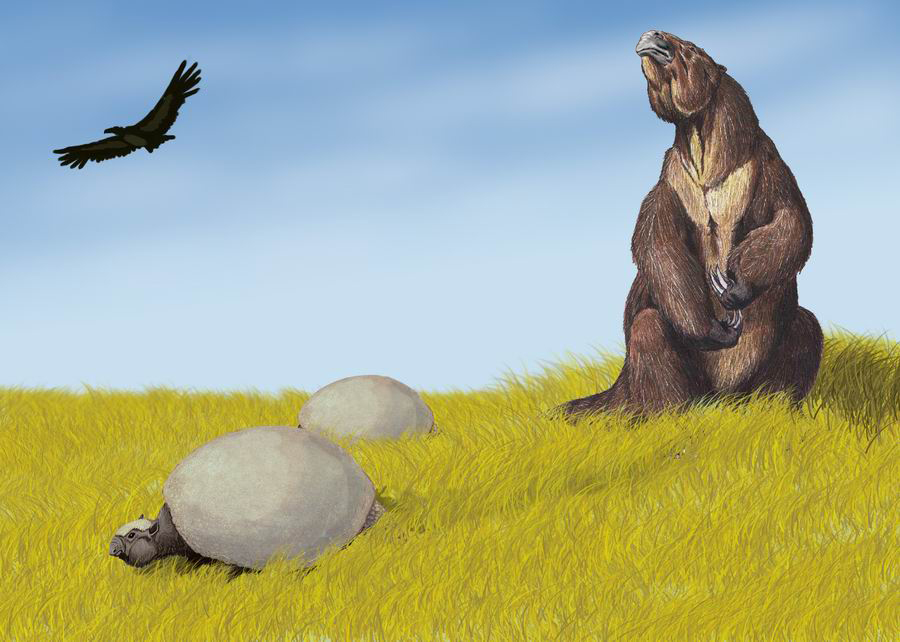
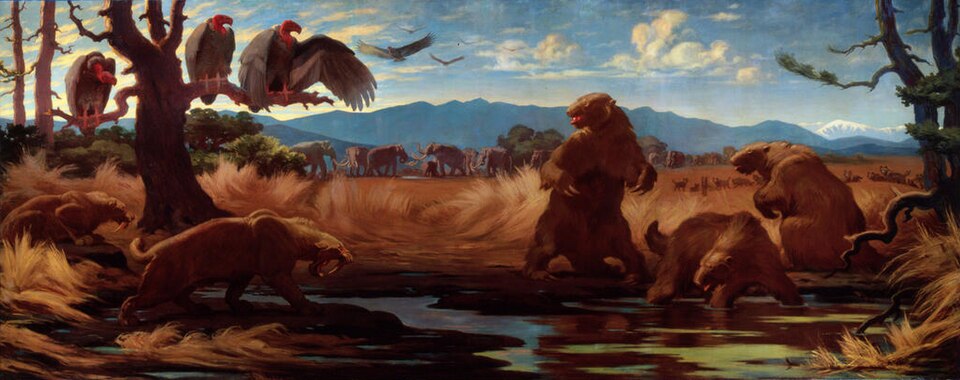
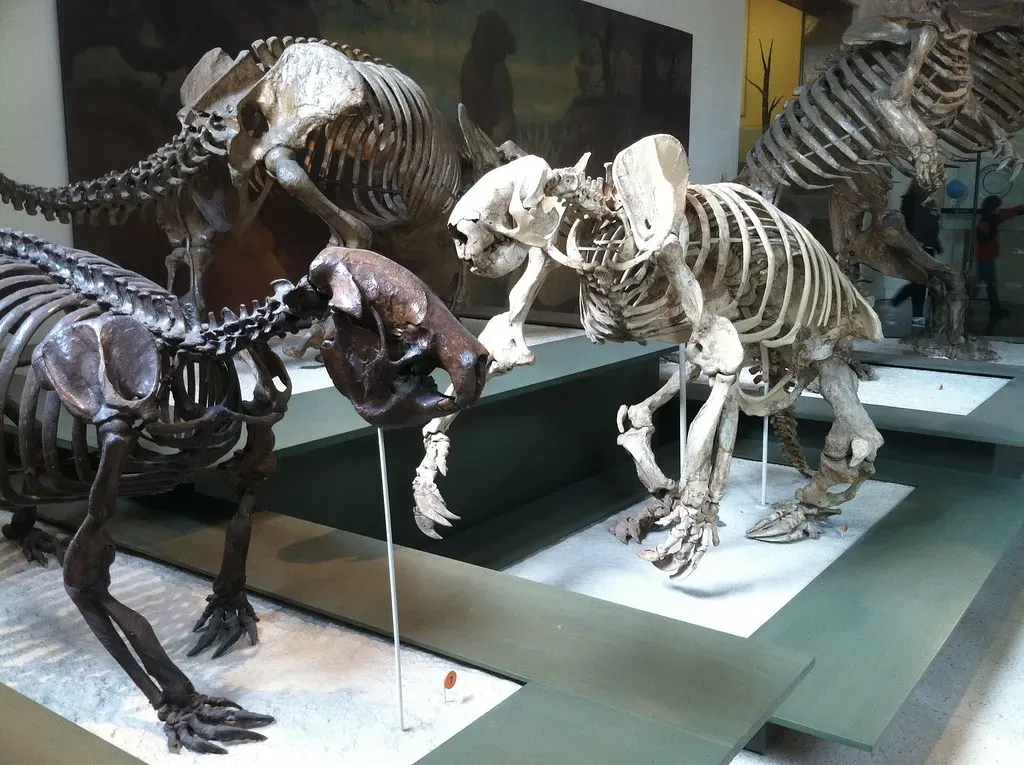
If you could time‑travel to ancient South America, you’d find a place that makes modern wildlife documentaries feel almost understated. You’d see ground sloths standing as tall as small houses when they reared up, using massive claws to pull down branches like oversized gardening tools. Unlike their tree‑dwelling relatives today, these sloths moved on land, slow but imposing, more like living excavators than gentle tree loungers. Their size alone would have rewritten your sense of what a “sloth” can be.
Beside them, you might watch glyptodons, huge relatives of armadillos, encased in thick domed armor with tails that could be club‑like and dangerous. Imagine a turtle merged with a tank and you are not far off. These armored herbivores grazed open areas, probably shaping vegetation much like bison and cattle do now. Together with other large mammals, they created a dynamic mosaic of forests, shrublands, and grasslands from North to South America, turning the continents into shifting patchworks of habitats you would barely recognize today.
Australia’s Lost Monsters: Giant Kangaroos, Wombat Tanks, And Marsupial Lions
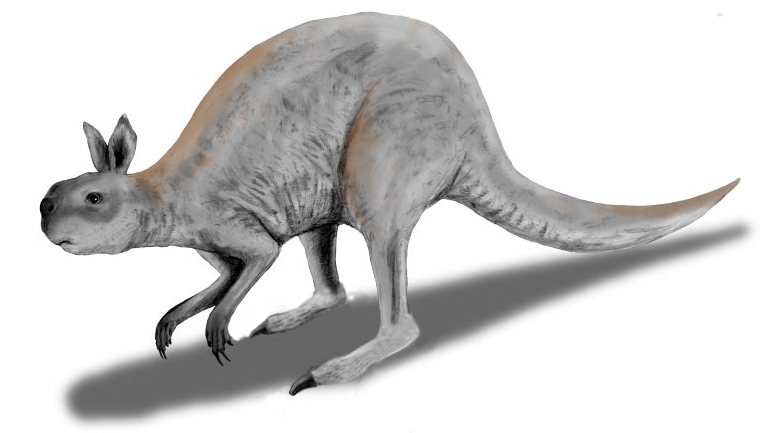
Australia feels unusual to you now with its kangaroos, koalas, and platypuses, but its lost megafauna would have left you even more stunned. There were giant kangaroos that likely moved differently from today’s jumpers, some possibly more like powerful walkers than perpetual hoppers. There were enormous wombat relatives, sometimes described as living bulldozers, that weighed more than a modern car and could reshape soils and vegetation as they fed and dug.
Then there was the so‑called marsupial lion, a powerful predator with strong jaws and sharp claws that likely hunted large prey across forests and open habitats. It was not a lion in the way you know lions, but a carnivorous marsupial that filled a similar ecological role at the top of the food chain. When you look at modern Australia with its relatively smaller marsupials and introduced species like foxes and cats, you are seeing a quiet echo of a time when the continent was ruled by a homegrown cast of giants.
Island Colossus: Giant Birds, Giant Rats, And The Peril Of Isolation
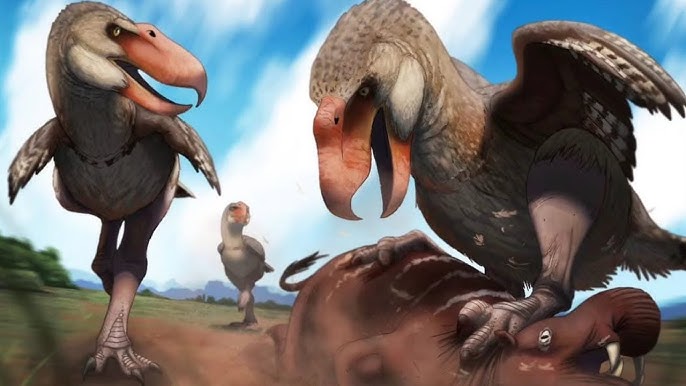
Islands gave rise to some of the strangest megafauna you would ever meet, partly because isolation lets evolution do unexpected things. On places like Madagascar and New Zealand, you would have seen enormous flightless birds, some taller than you with eggs bigger than your hands could grasp. These birds often evolved without large mammalian predators, becoming oversized, slow, and strangely confident rulers of the forest floor. To you, they might feel like living relics from a lost, gentler world – until you remember how vulnerable they were to sudden change.
Other islands hosted giant rodents and oversized reptiles, where in the absence of big carnivores you might see herbivores grow large and bold. But island megafauna had a recurring problem: they were fragile when new threats appeared. Limited space, small populations, and dependence on specific habitats meant that changes in climate or the arrival of new predators or humans could topple their entire world quickly. When you hear about vanished island birds or giant lizards, you are really hearing about how isolation can build marvels that are wonderfully impressive but also heartbreakingly easy to break.
Why They Vanished: Climate Swings, Human Hunters, Or Both?
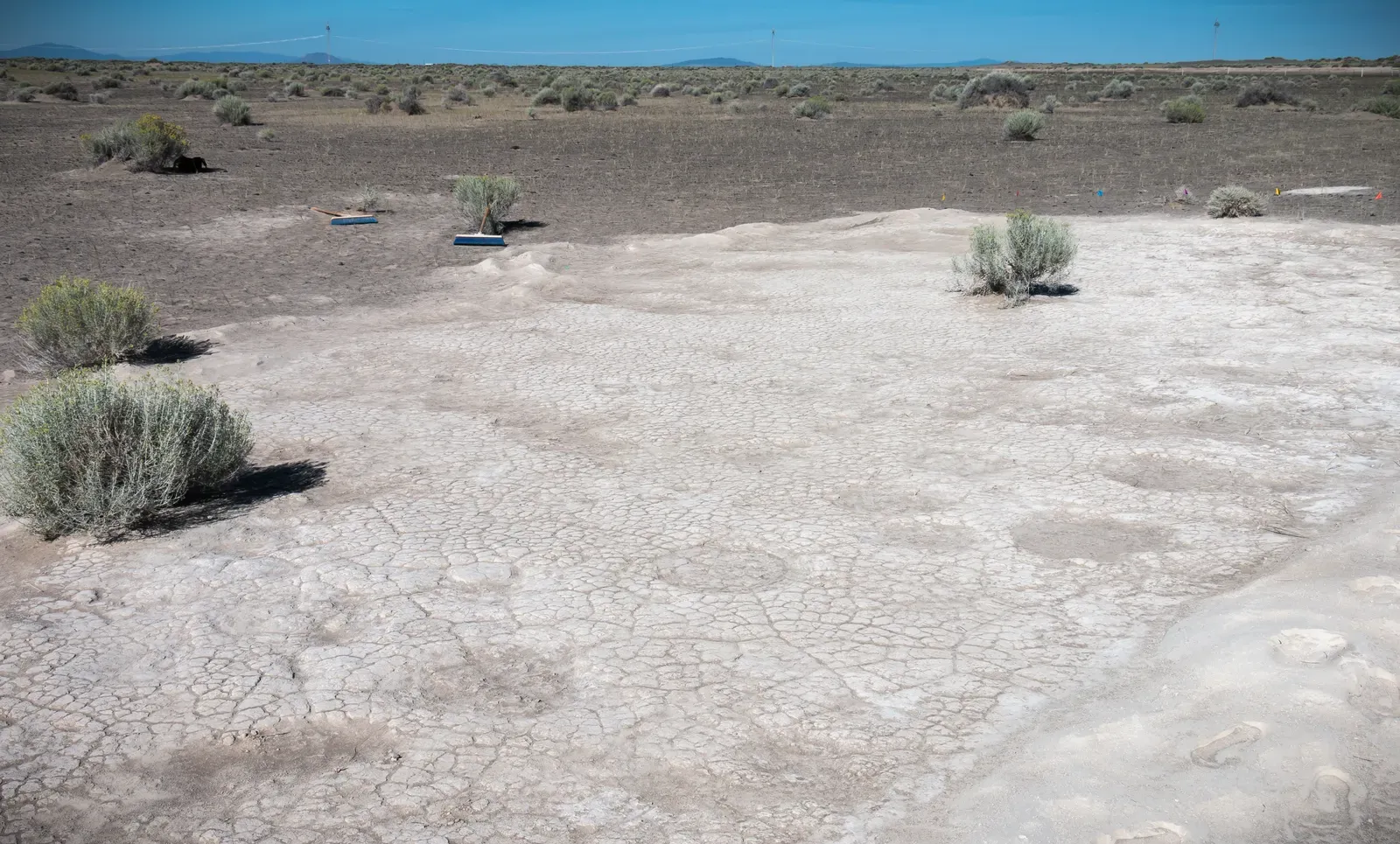
When you ask what killed the megafauna, you step right into one of the big debates in paleontology. On one side, you have dramatic climate shifts, especially at the end of the last Ice Age, when temperatures, rainfall patterns, and vegetation zones moved rapidly. If you imagine being a specialist giant animal adapted to a certain kind of grassland or tundra, then picture that habitat shrinking or breaking apart within a few thousand years, you start to see how survival could become very difficult.
On the other side, you have the spread of humans with sophisticated tools, fire, and eventually coordinated hunting strategies. As people moved into new continents and islands, many large animals vanished within a few thousand years, sometimes even faster. The truth for many places is likely a messy mix: climate stress weakened populations, and human pressures – hunting, habitat burning, or introducing new species – pushed them over the edge. When you look at the timing of human arrival and megafauna disappearance across the globe, you are not just studying the past; you are watching the first chapters of a pattern that still plays out when people and vulnerable wildlife meet.
The Ghosts Under Your Feet: How You Still Live In A Megafauna World
Even though you will never see a living mammoth or a giant ground sloth, you are surrounded by their fingerprints. Many plants today carry heavy fruits or extra‑hard seed coats that make more sense if they once relied on large animals to swallow, transport, and deposit them. Some trees and shrubs seem overly defensive for the herbivores that now nibble them, as if they still expect the rough mouths and tough stomachs of long‑vanished giants. In a way, you live in a world filled with orphaned plant strategies, waiting for partners that will never return.
You can also see their legacy in the way ecosystems function – or fail to function – as smoothly as they might. Without huge grazers and browsers, some landscapes become choked with woody vegetation or lose the open, mixed structure that once supported a wider variety of species. Modern elephants, bison, and hippos give you tiny previews of how powerful large animals can be, but they are only fragments of a once‑global pattern. When you walk through a forest, a prairie, or even a city park, you are walking on the buried trails of mighty megafauna that quietly shaped the ground you stand on.
Conclusion: Rethinking Your Place In Earth’s Long Story
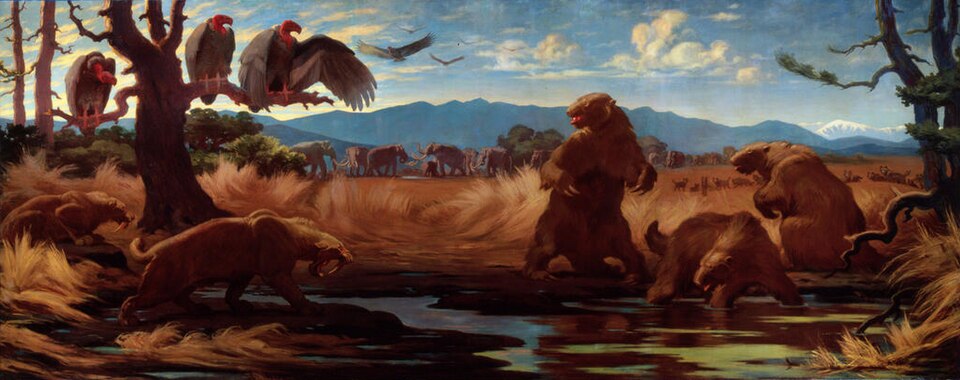
When you zoom out and see Earth as a planet that once teemed with giant sloths, armored grazers, towering birds, and mammoths scraping at icy ground, your own era starts to feel strangely narrow. You are living in a relatively low‑giant chapter after a long run of spectacular titans. Instead of being the star of the show, humanity looks more like the latest arrival to a theater already filled with vanished performances and empty seats. That perspective can make you feel small, but it can also be quietly liberating.
By understanding how megafauna ruled ancient continents, you also see how fragile and powerful big life can be – and how your species has joined that story as both participant and disruptor. You inherit a world reorganized by extinctions you never witnessed, yet you still hold the power to decide what survives next. When you think about that, you might find yourself standing a little more carefully on the ground beneath you, aware of all the heavy footsteps that came before. If you had been born a few tens of thousands of years earlier, which giants do you think you would have met first?