You probably grew up learning a neat, simplified version of North American history: a few well-known tribes, a handful of famous leaders, and then a fast jump to European contact. But when you look closely at the artifacts left behind in river valleys, dry caves, and windswept plains, a very different picture starts to appear. You begin to see a continent packed with diverse cultures, long trade routes, sophisticated beliefs, and entire communities that barely get a footnote in most history books.
Ancient pottery, carved stones, copper tools, shell ornaments, and woven textiles are not just museum pieces; they are the closest thing you have to a time machine. When you learn how archaeologists actually read these objects, you start to realize how much has been forgotten – and how much can still be rediscovered. You are not just looking at old things; you are listening in on conversations that took place hundreds or thousands of years ago, where every pattern, break, and stain has something to say.
How Artifacts Become Your Only Voice from Forgotten Cultures
If you take away written records, you are left with objects as your main storytellers. In many parts of pre-contact North America, people did not leave books or stone inscriptions that you can read today, so the tools, ornaments, and everyday items become your primary source. When you hold a flaked stone spear point in your mind’s eye, you are not just seeing a weapon; you are seeing a record of local stone sources, hunting traditions, and even teaching methods passed down through generations.
This is why archaeologists treat artifacts almost like witnesses. The wear on a stone blade can show you whether it was used to scrape hides, cut plants, or butcher animals. Residues on pottery can reveal which foods were cooked, from maize and beans to fish and nuts. When you start to notice these details, you realize that even a broken shard or a chipped tool can tell you where people moved, what they ate, and how they organized their lives, turning scattered objects into a surprisingly rich historical archive.
Pottery and Stone Tools: Decoding Daily Life and Regional Identity
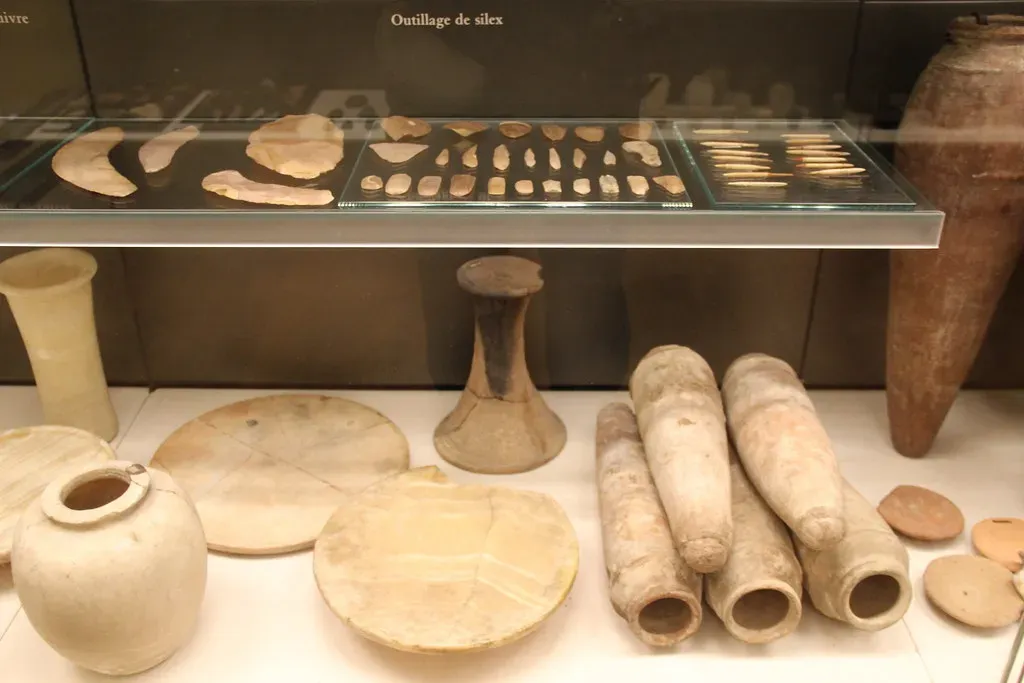
Pottery is one of the clearest windows you have into daily life and cultural identity in ancient North America. Different regions developed distinctive shapes, tempers, and designs – some pots were thick and sturdy for simmering stews over open fires, while others were thin and elegantly decorated for serving or ceremonial use. When you compare designs across sites, you can map where certain styles spread, showing you how ideas and people moved between valleys, river systems, and plateaus.
Stone tools add another layer to this story. The type of stone, the exact shape of a spear point, and the way a knife edge is flaked can all hint at cultural traditions as clearly as a regional accent does today. When you see the same tool style show up hundreds of miles apart, you know there were trade networks or shared knowledge connecting those communities. By learning to read these patterns, you start to piece together cultural regions that may have had no written names, but still had clear boundaries, neighbors, and shared ways of life.
Burial Goods and Sacred Objects: Glimpses into Belief and Status
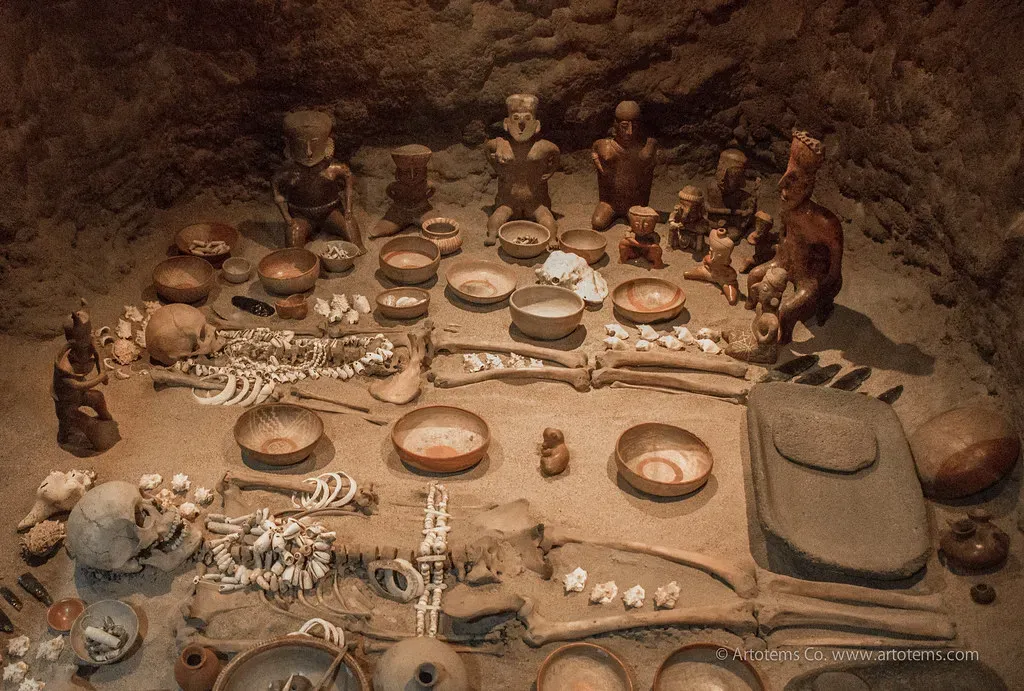
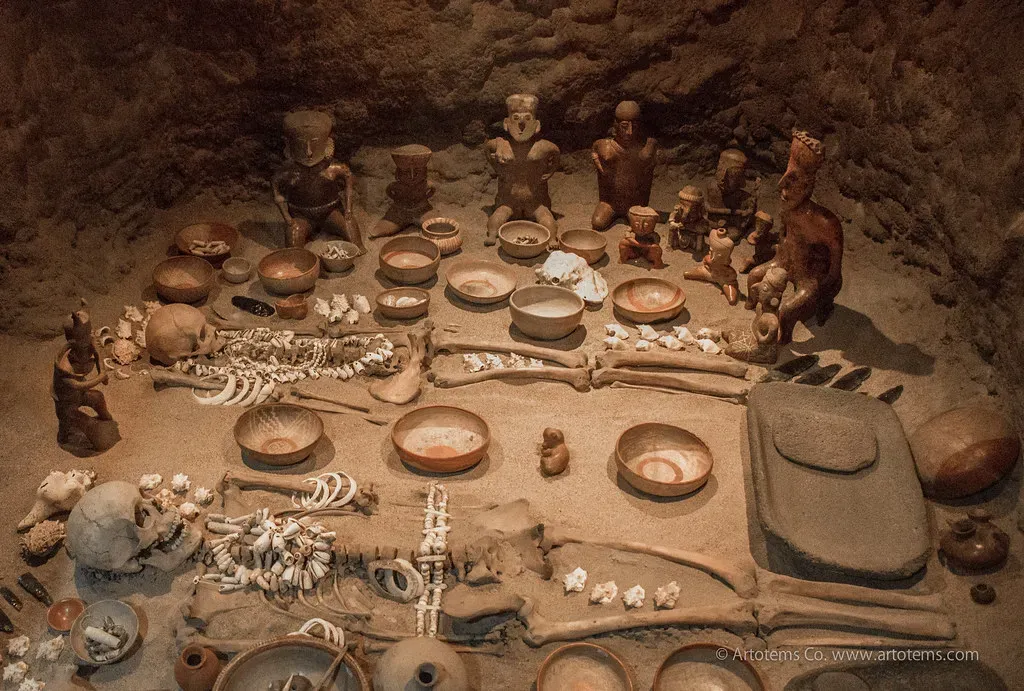
When you look at how a community buried its dead, you are stepping right into its value system. Graves that contain shell beads, finely made ceramics, copper ornaments, or carefully carved pipes tell you that these items carried more than practical use – they held spiritual or social weight. If a child is buried with elaborate goods, for example, you may be seeing clues to inherited status or family line importance rather than personal achievements alone.
Certain artifacts found in burial mounds and sacred spaces – such as effigy pipes shaped like animals, carved stone figures, or decorated copper plates – can hint at myths, ceremonies, and cosmologies that were never written down. The placement of objects around a body, the direction graves face, and the clustering of particular items can suggest beliefs about an afterlife, protective spirits, or powerful ancestors. As you start to recognize these patterns across sites, you can see shared religious ideas stretching across river valleys and forest edges, connecting groups that never left behind a single written symbol.
Trade Items That Reveal Continent-Wide Networks
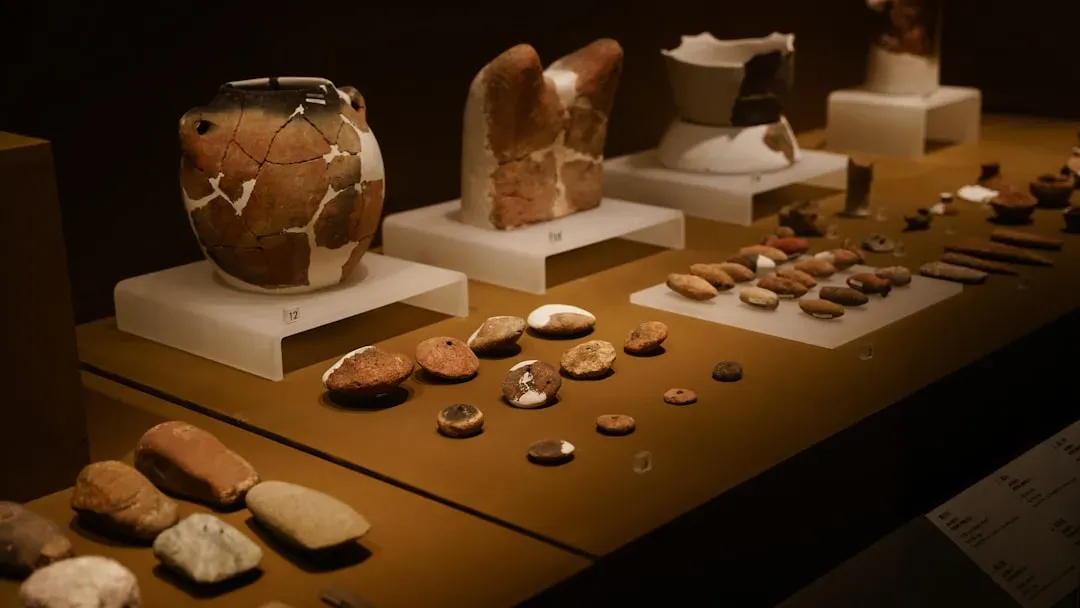
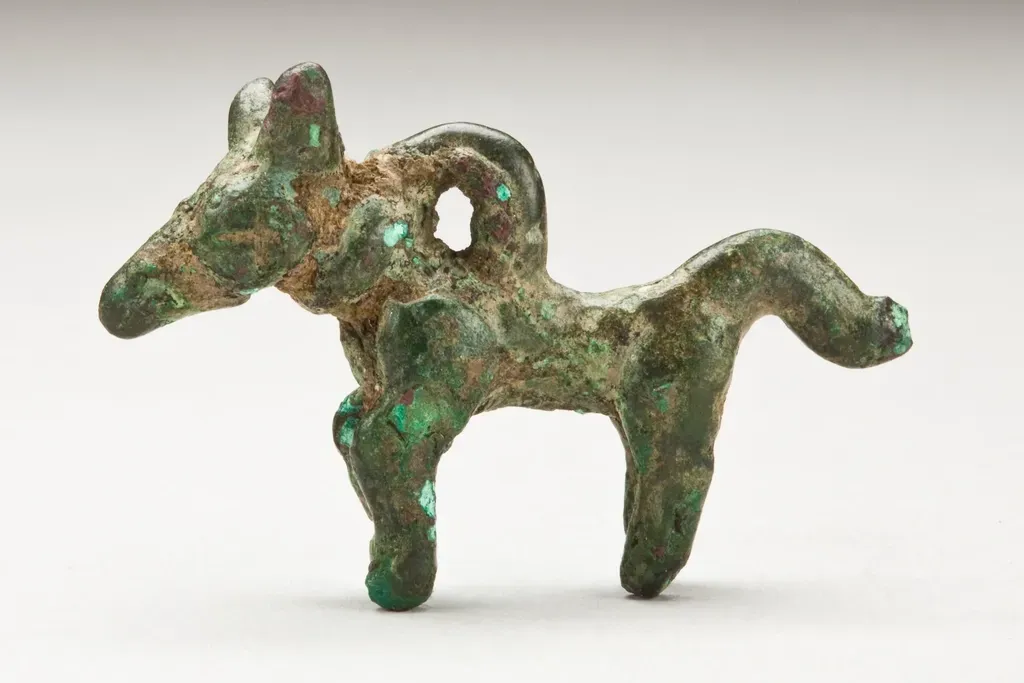
One of the most surprising things you discover from ancient artifacts is how connected North America was long before modern highways. When you find marine shells far inland, copper from the Great Lakes region deep in the interior, or obsidian from volcanic areas sitting in a dry plateau village, you know people were moving goods, stories, and ideas over huge distances. You can think of each exotic object as a ticket stub that proves travel or trade actually happened.
By tracking where certain materials come from, you can map trade routes that likely followed rivers, coastlines, and mountain passes. Over time, patterns emerge that show interaction spheres, where communities shared styles, religious symbols, and even technological tricks for making tools or ornaments. As you follow these trails in your mind, you stop seeing early North America as a patchwork of isolated tribes, and start seeing it as a web of relationships that linked forests, plains, deserts, and coasts into a complex cultural landscape.
Rock Art and Petroglyphs: Visual Clues to Myth and Memory
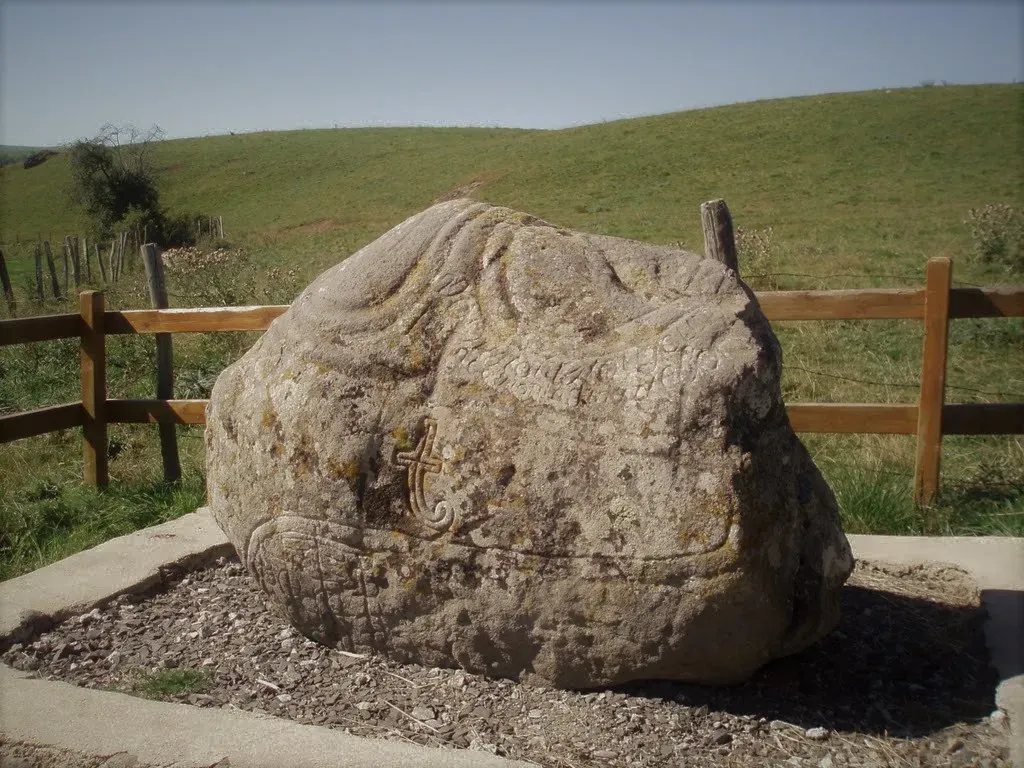
When you stand in front of ancient rock carvings or paintings, you are looking at some of the closest things you have to a written language from these forgotten cultures. Petroglyphs carved into canyon walls, pictographs painted on sheltered cliffs, and engraved boulders in river valleys often show animals, human figures, abstract designs, and scenes that can reflect ritual, myth, or historical memory. Even if you cannot translate them word for word, you can still learn a lot by paying attention to repeated symbols and how they are grouped.
Many rock art sites seem to cluster in places that already feel special – overlooks, springs, narrow canyon entrances, or unusual rock formations. When you see the same types of symbols or themes appearing across distant regions, you start to suspect shared story cycles or broadly similar ways of understanding the world. Although interpretations must stay cautious, rock art invites you to imagine how people marked territory, remembered events, or connected with spiritual forces long before anyone wrote down the first sentence about them.
Mystery Artifacts That Hint at Lost Practices and Technologies
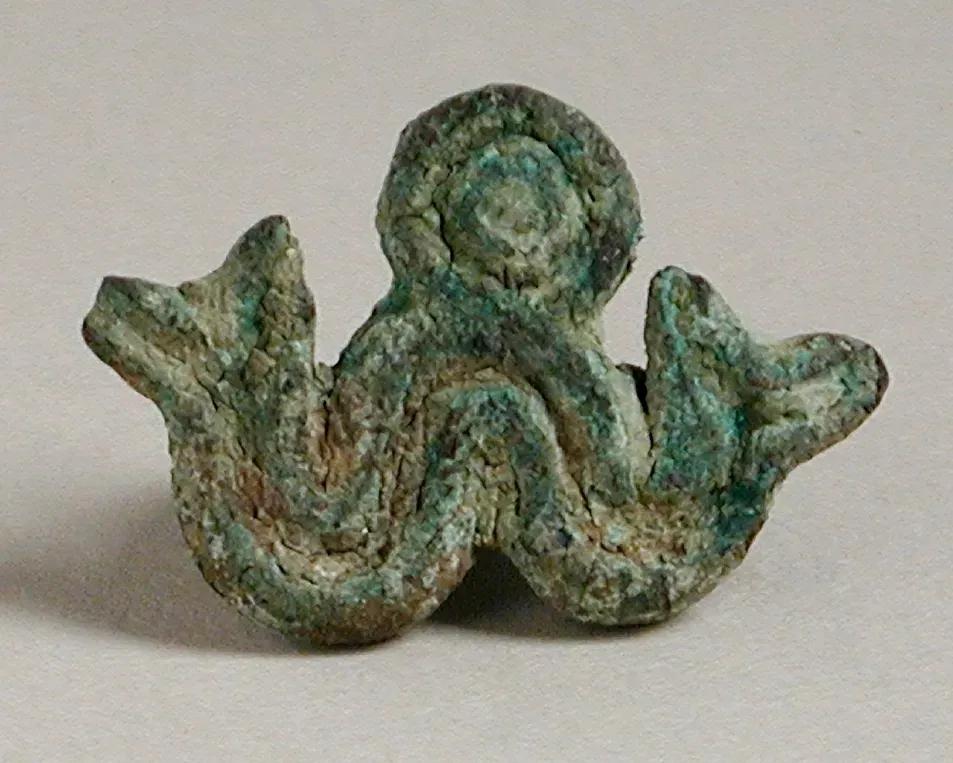
Not every artifact fits neatly into your current understanding, and those puzzling objects might be the strongest reminders of how much has been forgotten. Sometimes you encounter shaped stones whose function is unclear, unusual ceramic forms that do not match cooking or storage, or enigmatic copper pieces that do not look like simple tools or ornaments. When these appear repeatedly in different sites, you know you are seeing a cultural pattern, even if you have not cracked its meaning yet.
These mystery items might be pieces of games, markers in rituals, parts of musical instruments, or tools for crafts that rarely survive in the archaeological record, such as woodwork or weaving. Because organic materials decay quickly, you are often left with just the durable components, like stone weights or bone fittings, with the rest missing. When you accept that some artifacts are whispers from practices you can only guess at, you also recognize how much cultural richness existed beyond what survives in museums and site reports.
What Modern Science Lets You Learn from Even the Smallest Fragment
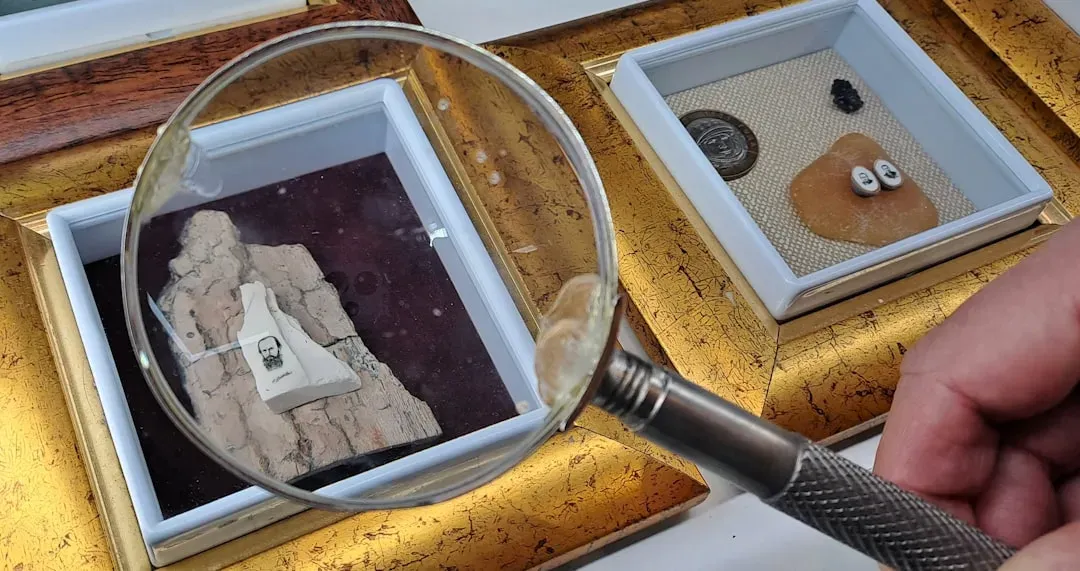
Today, you have powerful scientific tools that can pull surprising information from even tiny fragments of ancient artifacts. Chemical analysis can show where a piece of obsidian or copper originally came from, connecting a single blade or bead to a distant geological source. Residue analysis on pottery or stone tools can identify traces of plants and animals, revealing diets, medicines, or ritual substances that were once invisible to the naked eye.
Microscope work can show you how a tool was used by reading patterns of wear on its edges, while radiocarbon dating and related techniques can anchor artifacts in time more precisely than ever before. When you combine these methods, a broken pot or a small flake of stone becomes a data-rich clue, not just a leftover scrap. As you look at these results, you see how each artifact, no matter how modest, helps rebuild timelines and cultural relationships that had almost slipped entirely out of memory.
Respecting Living Descendants and Rewriting the Story Together

As you learn from ancient artifacts, you also have to remember that many of these forgotten cultures still have living descendants today. Indigenous communities across North America carry oral histories, ceremonies, and traditional knowledge that can illuminate artifacts in ways that scientific analysis alone cannot. When archaeologists and tribal experts work together, a carved figure, a painted symbol, or a particular burial practice can gain meaning that would otherwise stay hidden or be misunderstood.
This collaboration is not just about filling gaps; it is about respect and responsibility. Laws and ethical guidelines now emphasize returning certain sacred items and remains, and involving descendant communities in decisions about excavation and display. As you see more of this partnership, the story that emerges from artifacts becomes richer and more balanced. You are no longer just looking at objects dug from the ground; you are listening to both material evidence and living memory, and letting them reshape how the history of North America is told.
When you step back from all these clues – pottery, tools, ornaments, rock art, trade goods, and enigmatic objects – you start to feel how shallow the usual story of North American history really is. Ancient tribal artifacts remind you that countless cultures thrived, innovated, traded, and believed in rich, complex ways long before their names were written in any book. As modern methods and Indigenous knowledge keep uncovering new connections, you are watching a quieter, deeper history come back into view. The next time you see a single arrowhead or a small shard of pottery, will you still see just an object, or will you see a doorway into an entire forgotten world?