Articles for author: Lovely Aquino

Climate Chaos in the Mid-Cretaceous

Were Some Dinosaurs Warm-Blooded? New Evidence From Montana Bones Says Yes

Picture this: you’re standing in the vast Montana wilderness, where 66 million years ago, massive creatures roamed landscapes that would make today’s African savannas look tame. For decades, scientists have painted dinosaurs as sluggish, cold-blooded reptiles that basked in the sun like oversized lizards. But what if everything we thought we knew about these ancient ...

dinosaur with open mouth beside buildings still selective focus photography of

Fact vs. Fiction: Could Modern Dinosaurs Evade Detection Like in The Dinosaur Project Movie?

Picture this: deep in the Amazon rainforest, something massive crashes through the canopy above. But when scientists arrive to investigate, they find nothing but broken branches and mysterious footprints that shouldn’t exist. The 2012 film “The Dinosaur Project” presented a tantalizing premise – what if living dinosaurs still roamed remote corners of our planet, cleverly ...

Tyrannosaurus Rex in Naturalis, Leiden

Could a T-Rex Bite Through a Steel Car Door?

The Tyrannosaurus rex, one of history’s most formidable predators, continues to capture our imagination through movies, books, and scientific inquiry. Among the many questions about this prehistoric beast, one particularly intriguing hypothesis has emerged in popular culture: could a T-rex bite through a modern steel car door? This question bridges paleontology, materials science, and mechanical ...

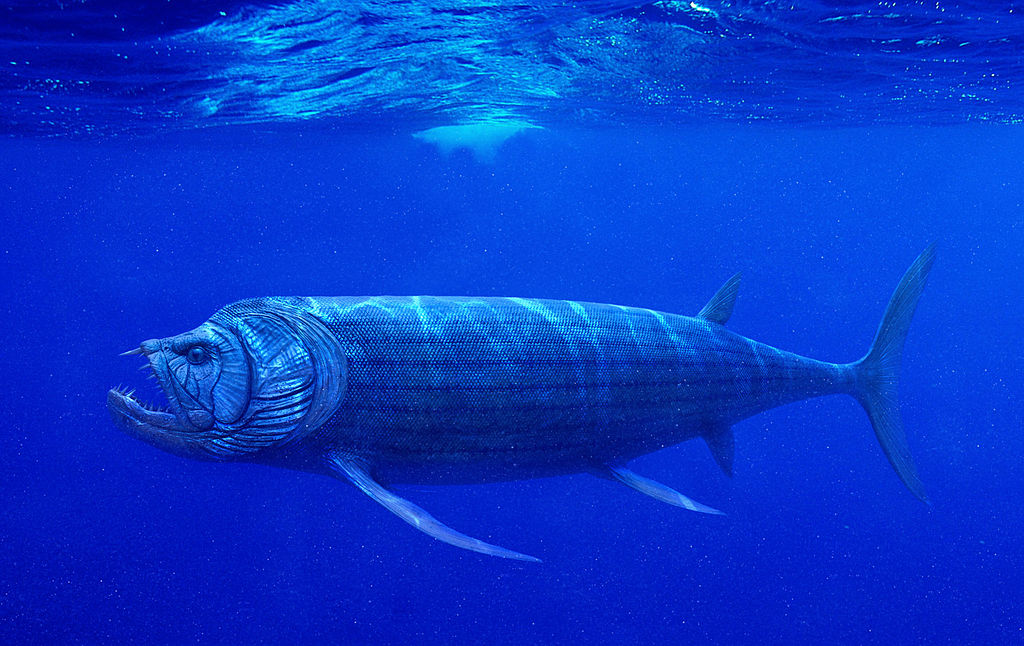
Xiphactinus

Life at the Shoreline: Dinosaurs and Marine Giants of Ancient North America

During the Mesozoic Era, the coastlines of North America teemed with a remarkable diversity of life. From towering dinosaurs patrolling the beaches to massive marine reptiles ruling the prehistoric seas, these ancient shorelines represented dynamic ecosystems where terrestrial and aquatic worlds converged. The ever-shifting boundaries between land and sea created unique environmental niches that supported ...

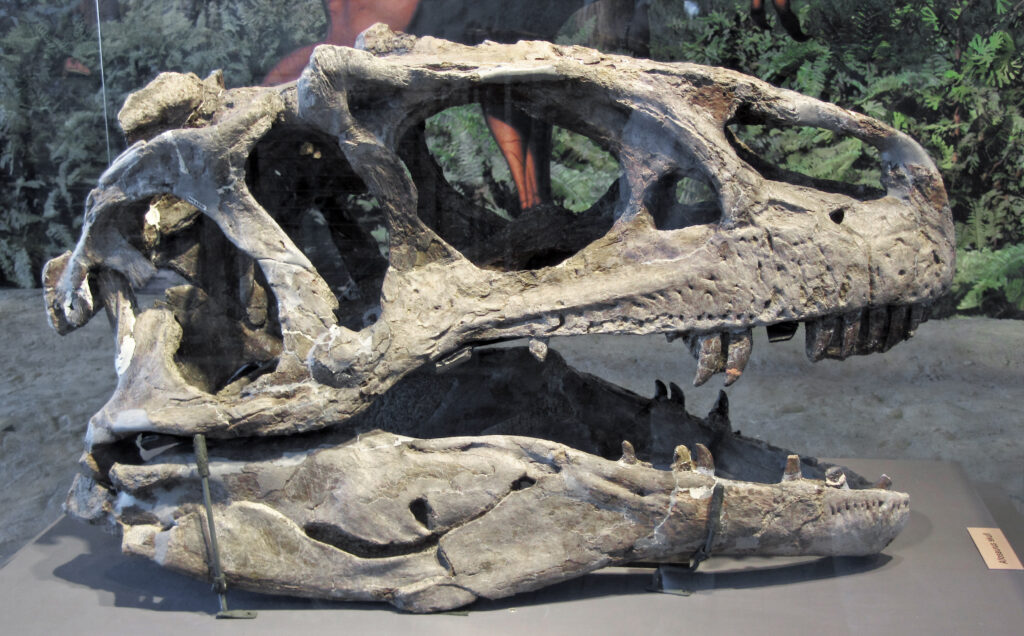
A dinosaur skull fossil displayed on a stand, featuring large eye sockets and sharp teeth. The background shows green foliage, creating a prehistoric ambiance.

How Fossils Get Crushed, Warped, and Eroded Before We Ever Find Them

The remarkable fossils displayed in museums represent only a tiny fraction of once-living organisms—and they’ve endured an incredible journey through time. For every pristine dinosaur skeleton or perfectly preserved insect in amber, countless potential fossils have been crushed, warped, dissolved, or completely destroyed. The path from a living organism to a museum-quality fossil involves a ...

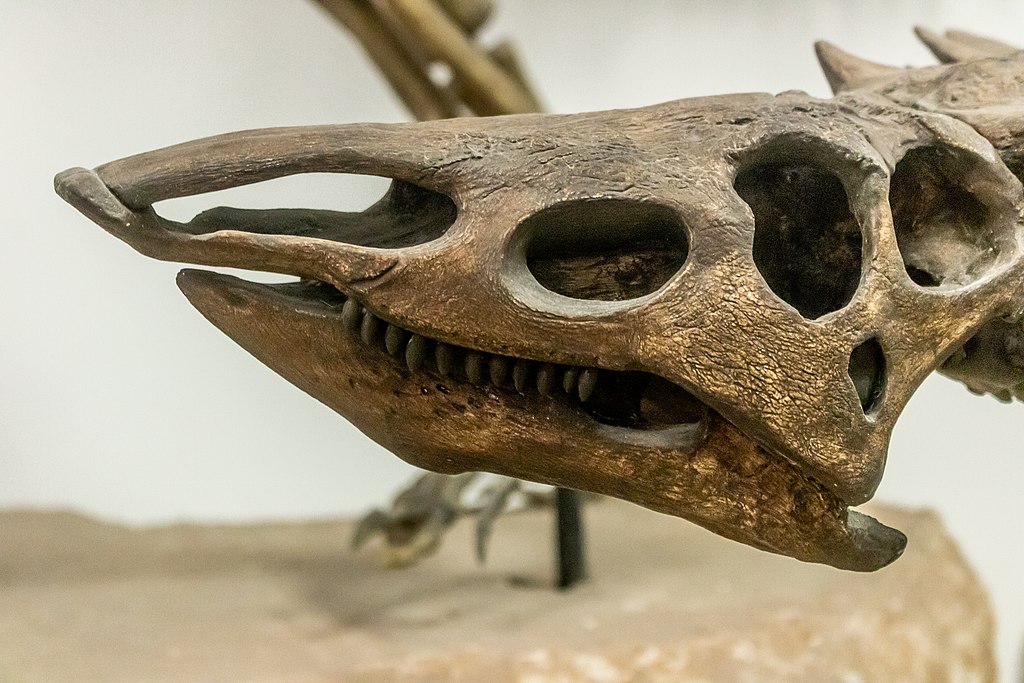
Desmatosuchus

Desmatosuchus: The Armored Archosaur That Ruled Triassic Texas

In the sun-baked landscapes of what would eventually become modern-day Texas, a formidable creature once patrolled the prehistoric terrain. With its heavily armored body and imposing shoulder spikes, Desmatosuchus commanded respect among the fauna of the Late Triassic period, approximately 228 to 208 million years ago. This remarkable archosaur, whose name translates to “link crocodile,” ...

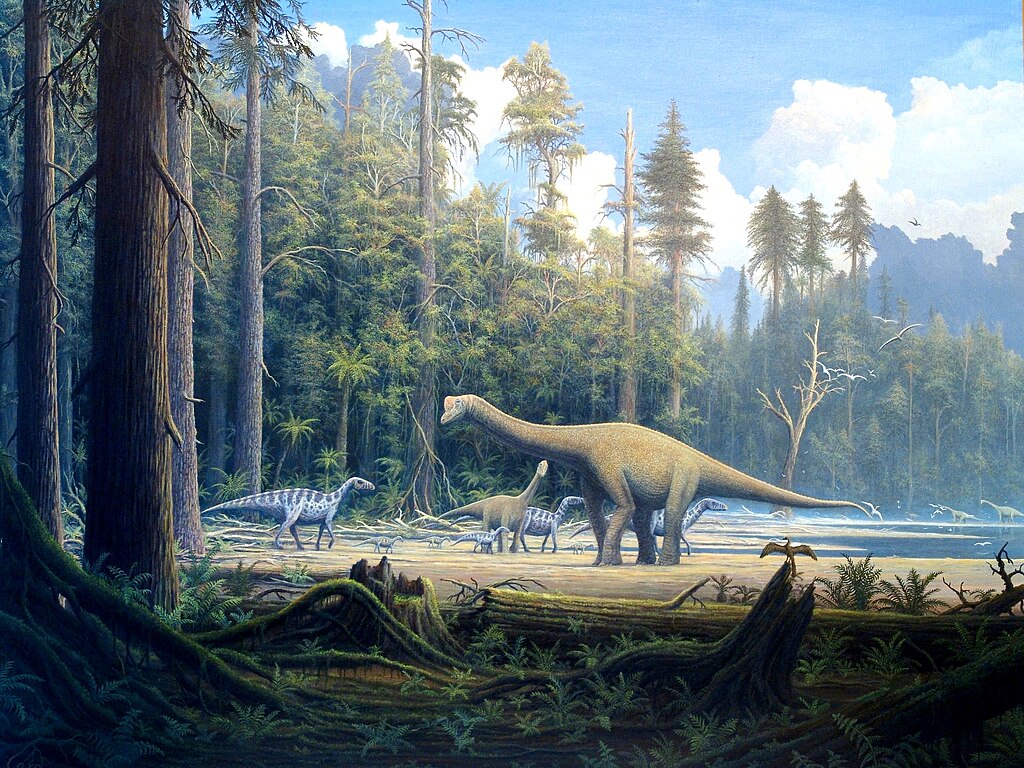
Painting of a late Jurassic Scene on one of the large island in the Lower Saxony basin in northern Germany.

Did Dinosaurs Smell Like Birds, Lizards, or Something Else Entirely?

The question of what dinosaurs smelled like represents one of paleontology’s most fascinating and challenging mysteries. While we can reconstruct dinosaur appearances with increasing accuracy through fossil evidence, understanding their scent requires more creative scientific detective work. Did these magnificent creatures emit odors similar to their modern relatives—birds and reptiles—or did they possess entirely unique ...

Diplomystus dentatus

The Fish Fossils Found in Desert Rockbeds — What Happened to the Water?

Across some of the world’s most arid landscapes, from the Sahara Desert to the American Southwest, scientists have made a seemingly paradoxical discovery: abundant fish fossils embedded in desert rockbeds. These ancient aquatic remains tell a fascinating story of dramatic environmental change, where regions now defined by their extreme dryness once teemed with underwater life. ...

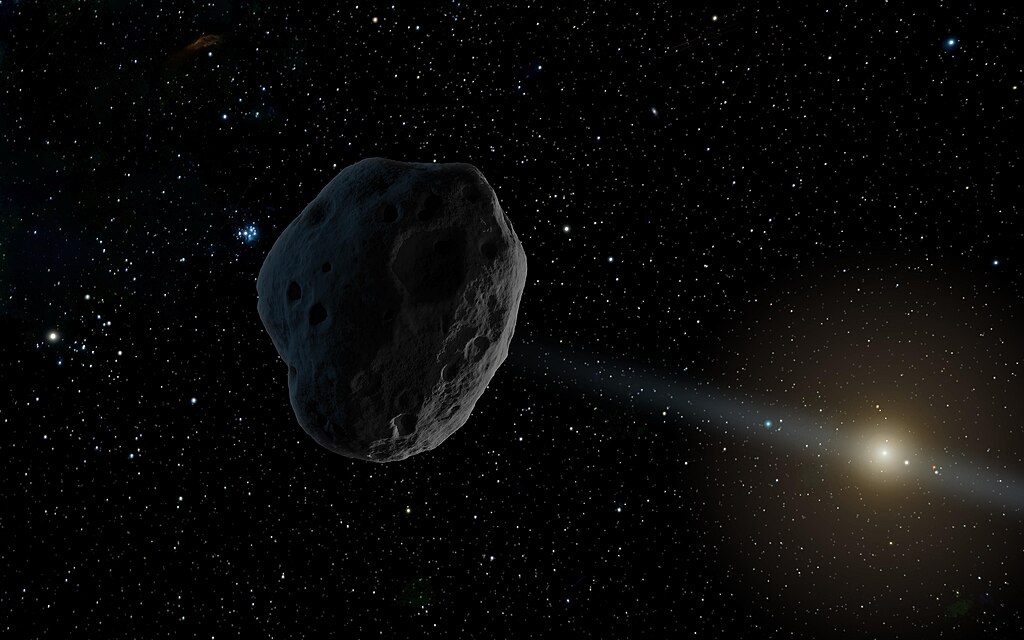
An artist's rendition of 2016 WF9 as it passes Jupiter's orbit inbound toward the sun.

The Two-Impact Hypothesis: Was One Asteroid Not Enough to End the Dinosaurs?

The extinction of dinosaurs 66 million years ago marks one of the most significant turning points in Earth’s biological history. For decades, scientists widely accepted the theory that a single massive asteroid impact at Chicxulub, Mexico, triggered the mass extinction event that wiped out approximately 75% of all species on Earth. However, recent scientific discoveries ...