Articles for author: Lovely Aquino

Lovely Aquino

Why Some Turtles Can Recognize Their Owners

Turtles have long been misunderstood as simple, unresponsive creatures with minimal cognitive abilities. However, recent scientific research and countless anecdotal reports from devoted turtle owners tell a different story. Many turtle enthusiasts have observed their shelled companions responding to their presence, swimming to the front of the tank when they enter the room, or even ...

A dinosaur bends over a large carcass in a prehistoric landscape, with a forest in the background. The scene conveys a sense of ancient survival.

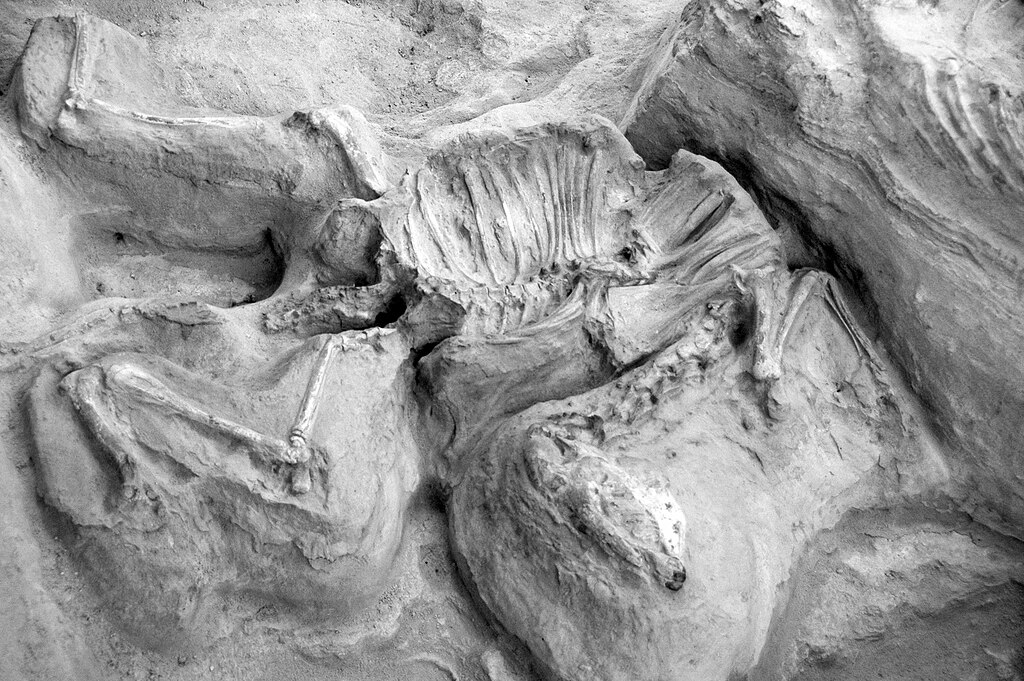
10 Reasons Most Dinosaur Bones Never Become Fossils

The discovery of a complete dinosaur skeleton is an exceptionally rare event that captures our imagination and provides invaluable scientific insight. Yet for every dinosaur fossil displayed in museums worldwide, millions of dinosaur remains have disappeared without a trace. The process of fossilization requires a precise sequence of geological and environmental conditions—conditions that are far ...

Lovely Aquino

Detailed close-up of a vibrant green lizard showcasing its scales and eye in a tropical setting.

The Most Invasive Lizard Species in the World

When ecosystems face an unwelcome reptilian invasion, the consequences can be devastating for native wildlife, agriculture, and even human infrastructure. Invasive lizard species have become a global concern as international travel and the exotic pet trade have facilitated their introduction to non-native environments. These adaptable reptiles can reproduce rapidly, outcompete native species, and wreak ecological ...

Model of a Parasaurolophus dinosaur

How Scientific Guesswork Shapes Dinosaur Color

For decades, scientists painted dinosaurs in dreary shades of brown and gray, treating these ancient giants like oversized lizards. But what if those Hollywood monsters were actually sporting brilliant blues, shocking reds, or intricate patterns that would make a peacock jealous? The truth is, determining dinosaur coloration has been one of paleontology’s most fascinating puzzles, ...

black flat screen tv turned on near brown brick wall

Why Paleontologists Have Mixed Feelings About Ross Geller

When Friends premiered in 1994, nobody expected that a fictional paleontologist would become one of the most recognizable scientists on television. Ross Geller, played by David Schwimmer, introduced millions of viewers to the world of dinosaurs and ancient life. But while Ross brought paleontology into living rooms across the globe, real paleontologists have complicated feelings ...

3D-rendered dinosaur with rough, reddish skin and small horns above the eyes, walking on hind legs with an open mouth, set against a dark background.

The Strangest Dinosaurs That Look Like They Came From Another Planet

The vast expanses of prehistoric Earth harbored creatures so bizarre and otherworldly that they challenge our very understanding of life itself. These weren’t your typical Hollywood dinosaurs stomping through primordial forests. Instead, nature crafted beings so strange, so impossibly designed, that encountering them today would make us question whether we’d discovered alien life forms rather ...

Iziko South African Museum

Ancient Bones of the Cape: What You’ll Find at South Africa’s Iziko Museum

In the heart of Cape Town, nestled within the historic Company’s Gardens, stands the Iziko South African Museum—a treasure trove of natural and human history spanning millions of years. This venerable institution houses one of Africa’s most significant collections of paleontological specimens, offering visitors a fascinating journey through South Africa’s prehistoric past. From the earliest ...

landscape photography of waves and clouds

5 Times Sea Creatures Outweighed Their Land-Based Rivals

The ocean has always been nature’s heavyweight champion, harboring giants that make even the most massive land animals look like toys. While we marvel at elephants and rhinos, the sea holds creatures so enormous they’d crush their terrestrial counterparts without breaking a sweat. Picture this: the largest animal ever known to exist isn’t roaming African ...