Articles for author: Lovely Aquino

mage of specimen in the dinosaur colelctions of the Beijing Museum of Natural History, China

The Mistake That Made a Dinosaur Look Like It Had Two Heads

In the fascinating world of paleontology, mistakes can sometimes lead to extraordinary misconceptions about prehistoric creatures. Perhaps one of the most intriguing errors in dinosaur reconstruction history involves the case of a dinosaur that appeared to have two heads. This scientific blunder, which occurred during the assembly of fossils belonging to the dinosaur Tuojiangosaurus, created ...
green dinosaur

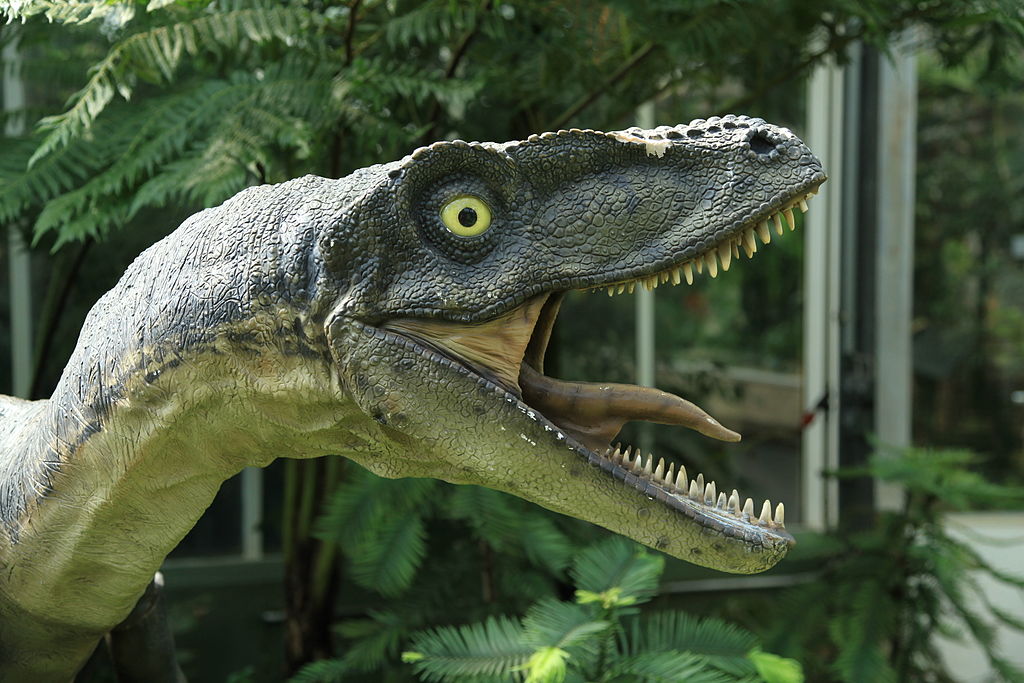
Were Dinosaurs All Green and Scaly? Not Likely

For decades, popular culture has painted dinosaurs with a predictable palette: almost universally green, invariably covered in scales, and typically sporting a dull, reptilian appearance. This portrayal has dominated everything from children’s books to Hollywood blockbusters. However, recent scientific discoveries have dramatically transformed our understanding of dinosaur appearance. Paleontologists now believe that dinosaurs likely displayed ...

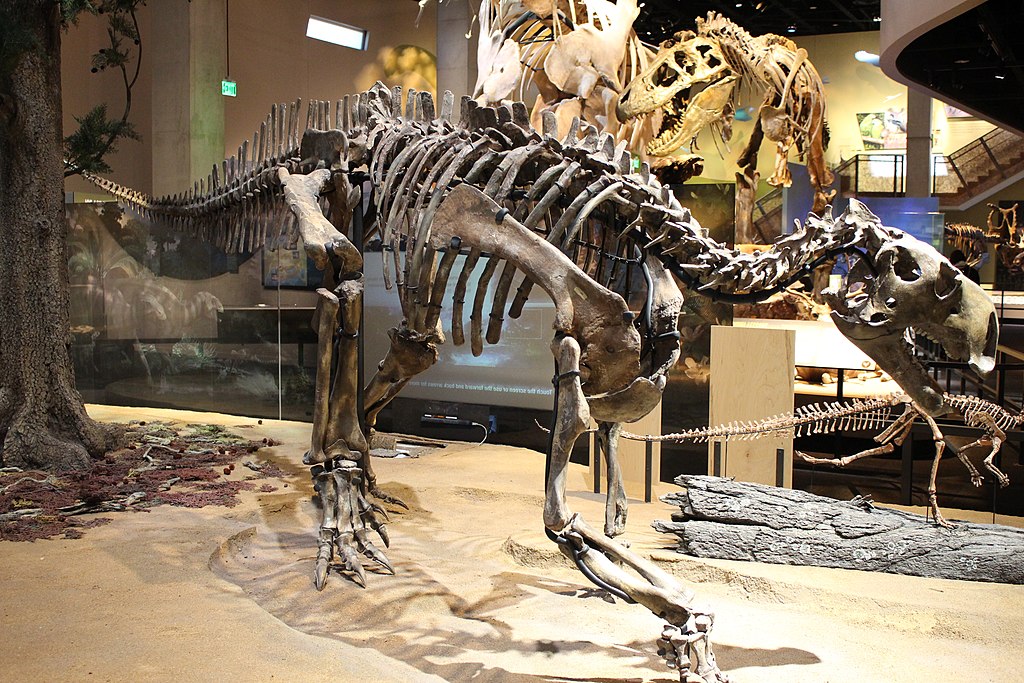
Perot Museum Tenontosaurus.

Tenontosaurus: The Unsung Herbivore Found in Oklahoma and Texas

Tenontosaurus, a remarkable dinosaur that roamed the landscapes of what is now Oklahoma and Texas during the Early Cretaceous period, remains one of the lesser-celebrated herbivores of prehistoric North America. Despite not sharing the same spotlight as Triceratops or Stegosaurus, this medium-sized ornithopod has contributed significantly to our understanding of dinosaur ecology, behavior, and evolution. ...

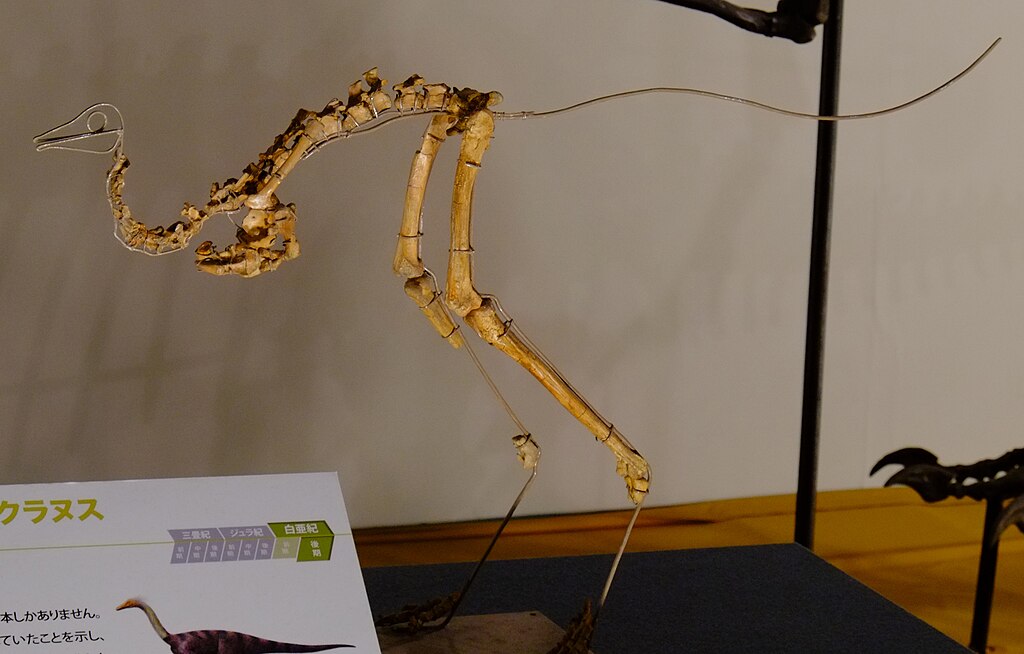
Since its discovery, Mononykus has sparked debate over whether it was a bird or a non-avian dinosaur, thanks to its intriguing mix of avian and dinosaurian traits.

Mononykus: The Tiny-Armed Bug Hunter of the Mongolian Desert

The Late Cretaceous period, roughly 70 million years ago, was home to some of Earth’s most fascinating dinosaurs. Among them was Mononykus, a small but remarkable creature that roamed the ancient Mongolian desert. This peculiar dinosaur, with its single-clawed forelimbs and bird-like features, represents one of evolution’s most fascinating experiments. Though diminutive compared to its ...

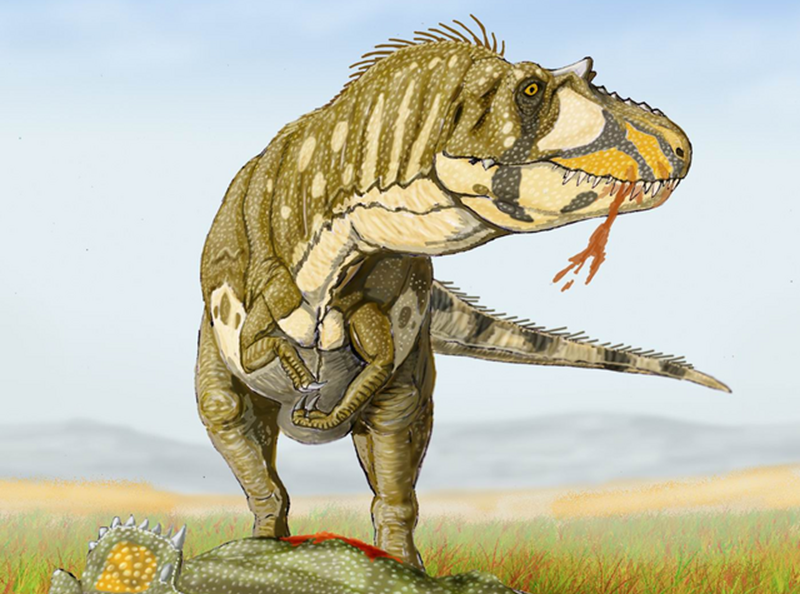
Daspletosaurus The Tyrant Dinosaur

Did Dinosaurs Get Boogers, Gas, and Other Gross Stuff?

When we think about dinosaurs, our minds often conjure images of towering T. rexes or swift Velociraptors – magnificent creatures that dominated Earth for over 165 million years. But rarely do we consider the more mundane, sometimes gross aspects of dinosaur biology. Did these prehistoric giants experience the same bodily functions and inconveniences that modern ...

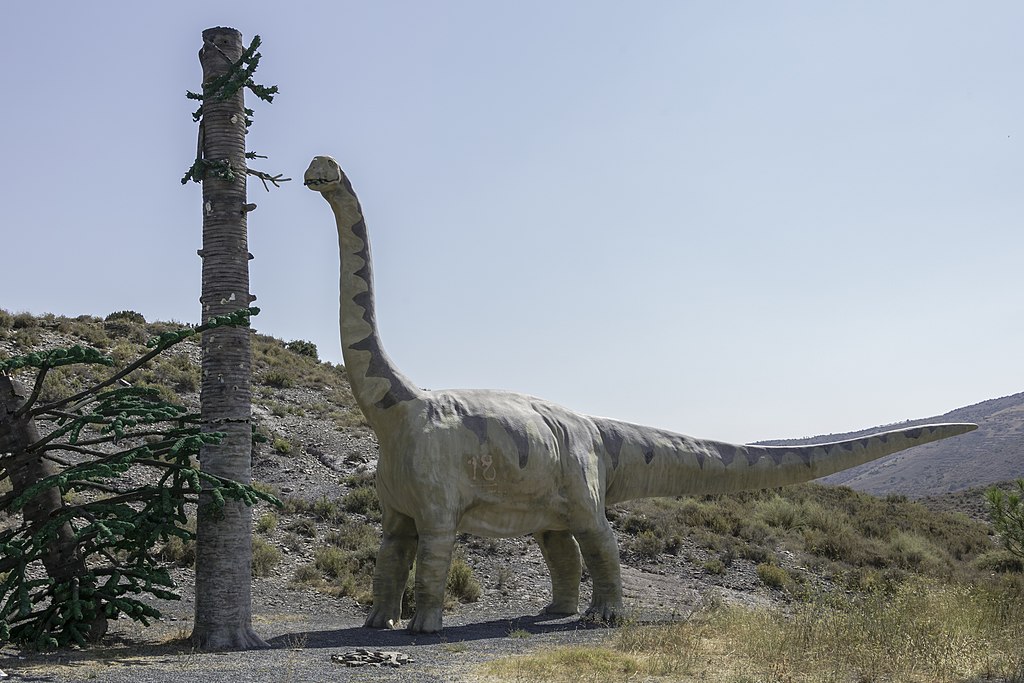
Model of a Sauropodomorpha, archeological area of Árbol de Igea, Igea, La Rioja, Spain

What Dinosaurs Ate Based on the Plants in Their Habitat

The diet of dinosaurs has long fascinated paleontologists and dinosaur enthusiasts alike. By examining fossil evidence, plant remains, and geological data from various prehistoric habitats, scientists have developed increasingly accurate pictures of dinosaur diets. Understanding what dinosaurs ate requires a deep dive into paleoecology—the study of prehistoric ecosystems and how organisms interacted with their environments. ...

Diplodocus

When Scientists Thought Dinosaurs Dragged Their Tails—And Why

For nearly a century, our vision of dinosaurs was dominated by images of lumbering beasts dragging massive tails behind them like prehistoric lizards. This perception shaped everything from scientific illustrations to museum displays and popular culture. However, this once-widely accepted view has undergone a dramatic transformation in recent decades. The story of how scientists came ...

green dinosaur

Were Dinosaurs Actually Green? Debunking Classic Tropes

When we think of dinosaurs, certain images immediately spring to mind: towering, scaly creatures with predominantly green or grayish-brown skin. This visual representation has been cemented in our collective consciousness through decades of films, television shows, books, and museum displays. From the early stop-motion dinosaurs of the 1925 film “The Lost World” to the groundbreaking ...

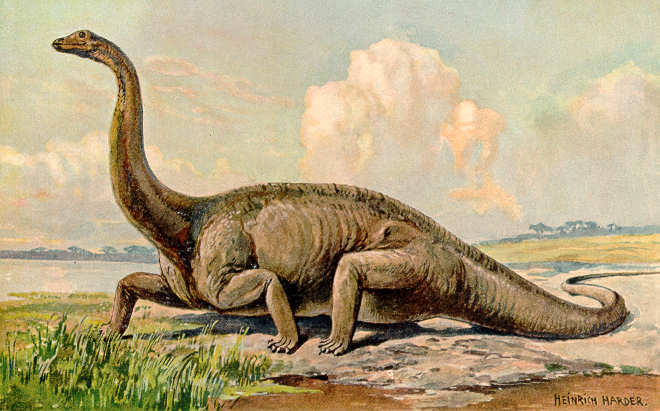
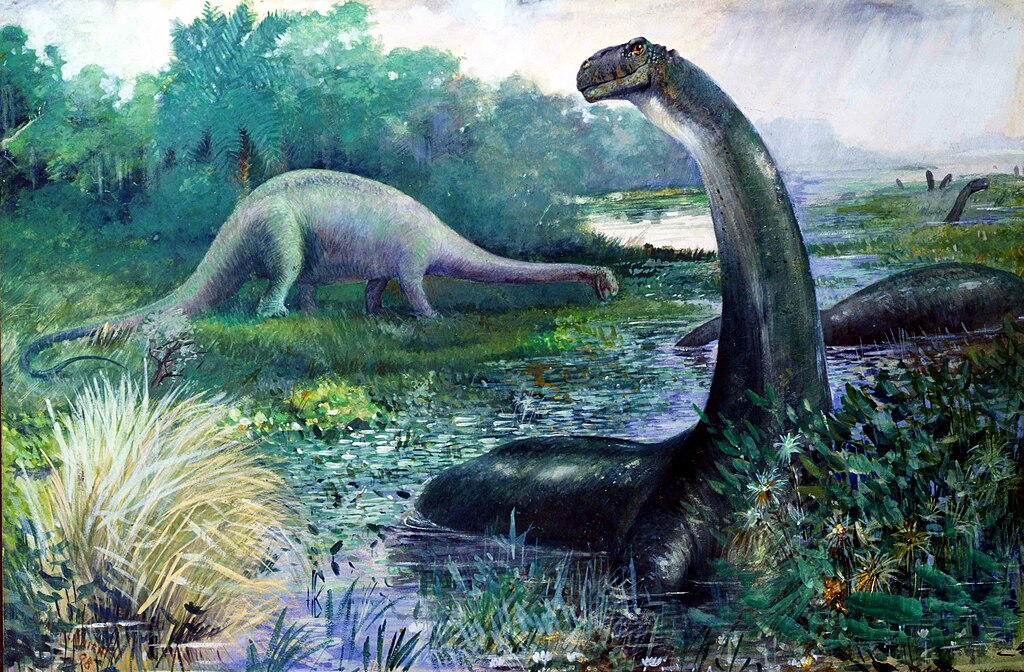
Illustration of Brontosaurus in the water, and Diplodocus on land.

How Artists Rebuild Prehistoric Skin, Muscle, and Fat Layers

Prehistoric creatures have captivated human imagination for centuries, from dinosaurs that ruled the Earth for millions of years to ancient mammals that roamed ice-age landscapes. While paleontologists can study fossilized bones to understand the skeletal structure of these extinct animals, the soft tissues—skin, muscles, and fat—typically don’t survive the fossilization process. This is where paleoartists ...