Articles for author: Lovely Aquino

Big Al Allosaurus

Dinosaur Detectives: How Clues in Bones Rewrite History

Dinosaurs have captivated human imagination since the first fossilized remains were scientifically recognized in the early 19th century. Yet our understanding of these magnificent creatures continues to evolve dramatically with each new discovery. Modern paleontology has transformed from simply collecting bones to a sophisticated multidisciplinary science that combines geology, biology, chemistry, and advanced imaging technologies. ...
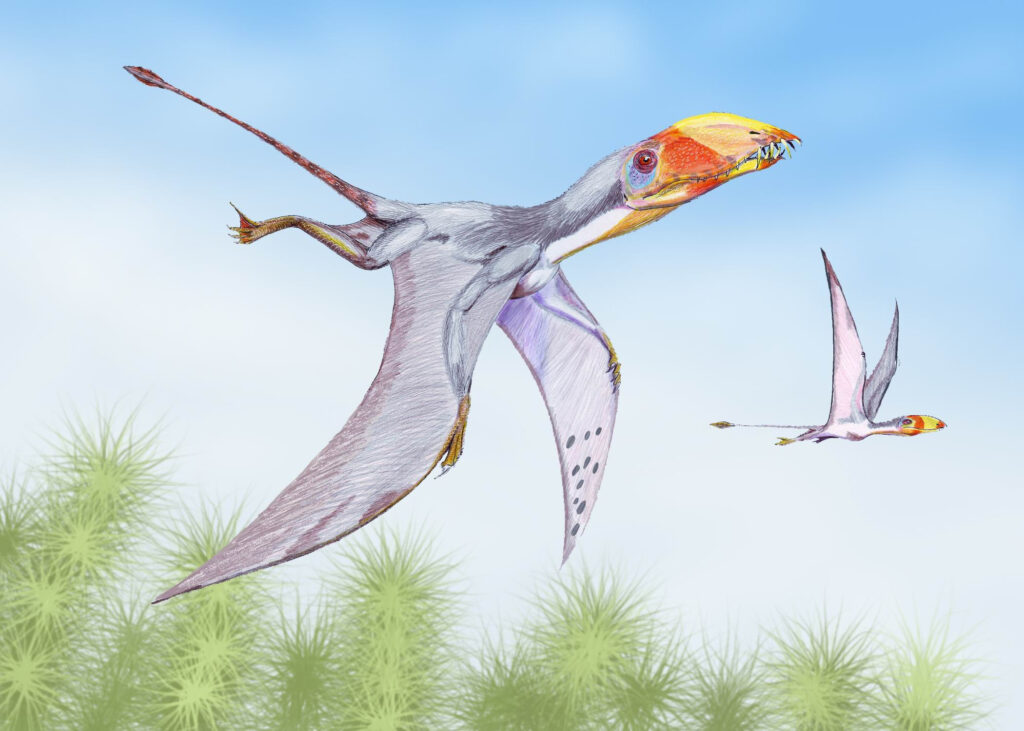
Illustration of two pterosaurs with vibrant orange and yellow beaks flying over green foliage against a clear blue sky, evoking a prehistoric scene.

Did Pterodactyls Live With Dinosaurs? Not Exactly

When we picture the prehistoric world, many of us imagine pterodactyls soaring above herds of dinosaurs, perhaps even snatching smaller ones for meals. This popular image has been reinforced by countless movies, books, and museum displays showing these winged creatures alongside famous dinosaurs like Tyrannosaurus rex and Triceratops. However, the reality of prehistoric life is ...

low angle photography of trees

New Research Suggests Dinosaurs May Have Glowed in the Dark

Recent discoveries in paleontology have sparked an extraordinary new hypothesis about dinosaurs that challenges our traditional understanding of these ancient creatures. Scientists are now exploring compelling evidence suggesting some dinosaur species may have possessed bioluminescent properties—essentially allowing them to glow in the dark. This revolutionary concept, once confined to the realm of science fiction, is ...

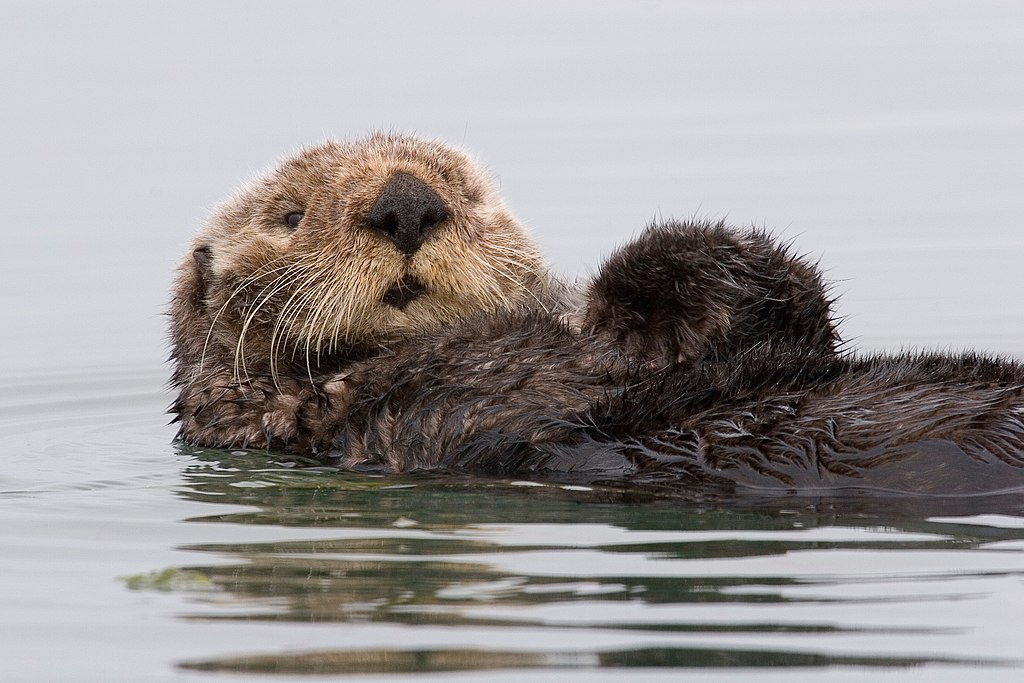
Sea otter

Could Otters Have Ancient Reptilian Relatives?

When we observe playful otters sliding down muddy banks or deftly manipulating stones to crack open shellfish, it’s easy to see them as quintessentially mammalian creatures. Their fur-covered bodies, nurturing parental behaviors, and mammalian intelligence seem worlds apart from the scaled bodies and cold-blooded metabolism of reptiles. Yet, evolutionary biology tells us that all mammals, ...

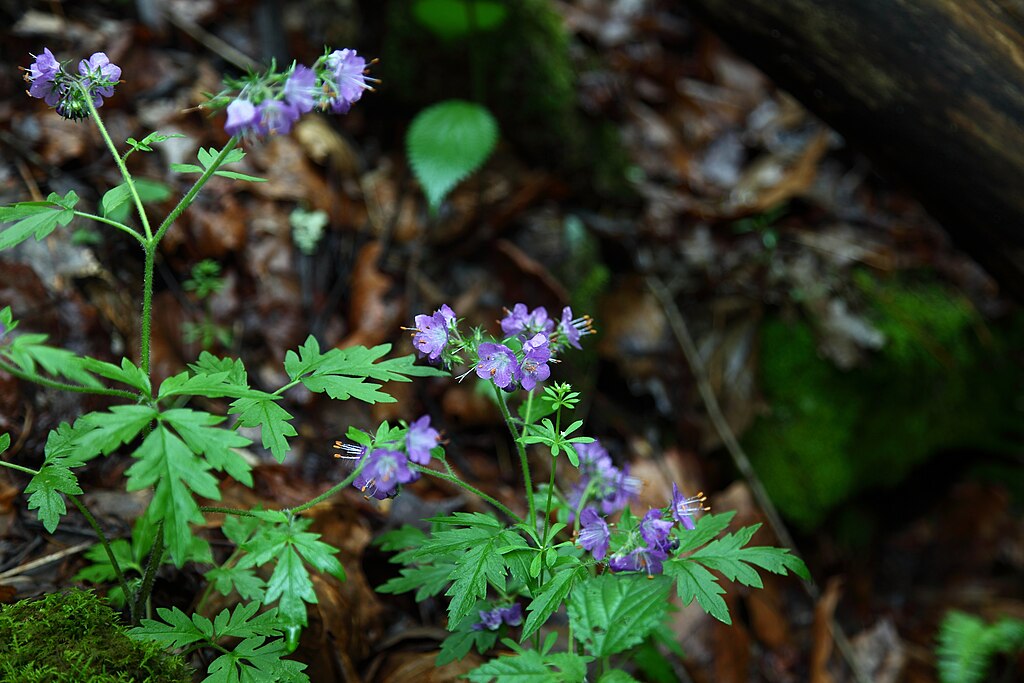
Forest Flowers Spring

When Flowers First Bloomed: How the Rise of Plants Changed the Dino World

In a world dominated by towering dinosaurs and ancient conifers, a quiet revolution was unfolding that would forever alter Earth’s ecosystems. Approximately 130-140 million years ago, during the Early Cretaceous period, the first flowering plants—or angiosperms—began to bloom across the prehistoric landscape. This botanical innovation represented one of the most significant evolutionary developments in our ...

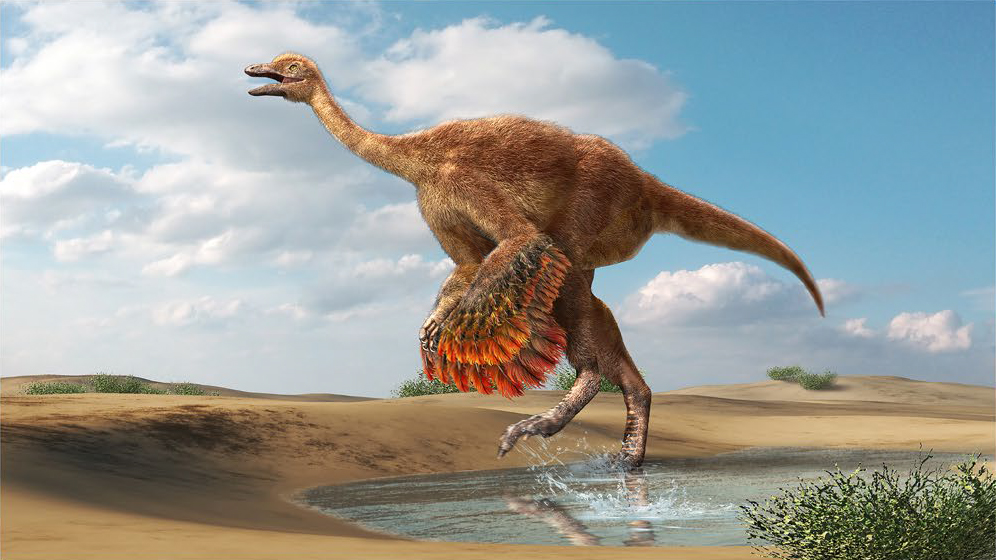
Restoration drawing of Aepyornithomimus tugrikinensis

Could Some Extinct Birds Like the Terror Birds Be Considered Dinosaur Successors?

When the asteroid struck Earth 66 million years ago, it marked the end of the non-avian dinosaurs but opened evolutionary pathways for survivors. Among these survivors, birds—the direct descendants of theropod dinosaurs—would diversify into countless forms. Some of these evolutionary experiments produced giants like the terror birds (Phorusrhacids) that dominated South American landscapes for millions ...

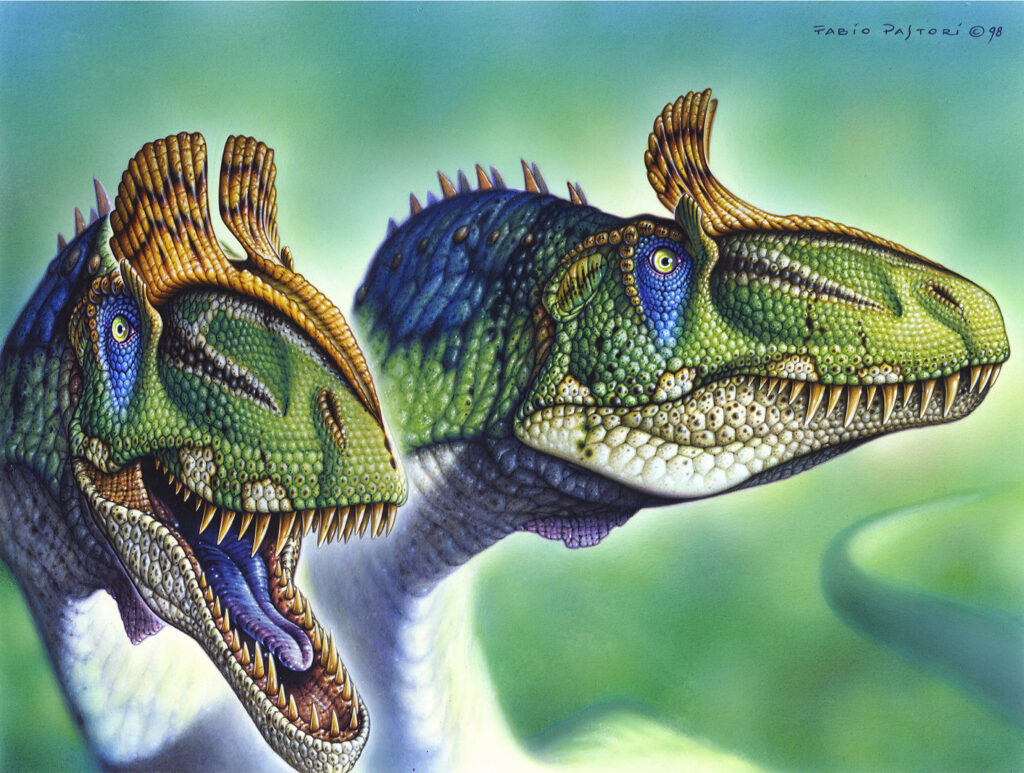
Two vibrant dinosaurs with scaly green and blue skin face the viewer. Their textured frills and sharp teeth create a dynamic, prehistoric scene.

10 Dinosaurs From the Southern Hemisphere That Deserve More Attention

The Northern Hemisphere has long dominated our dinosaur consciousness, with famous specimens like Tyrannosaurus rex and Triceratops capturing public imagination. However, the Southern Hemisphere was home to equally fascinating prehistoric creatures that often don’t receive their due recognition. As Gondwana—the southern supercontinent comprising modern-day South America, Africa, Antarctica, Australia, and India—evolved separately from its northern ...

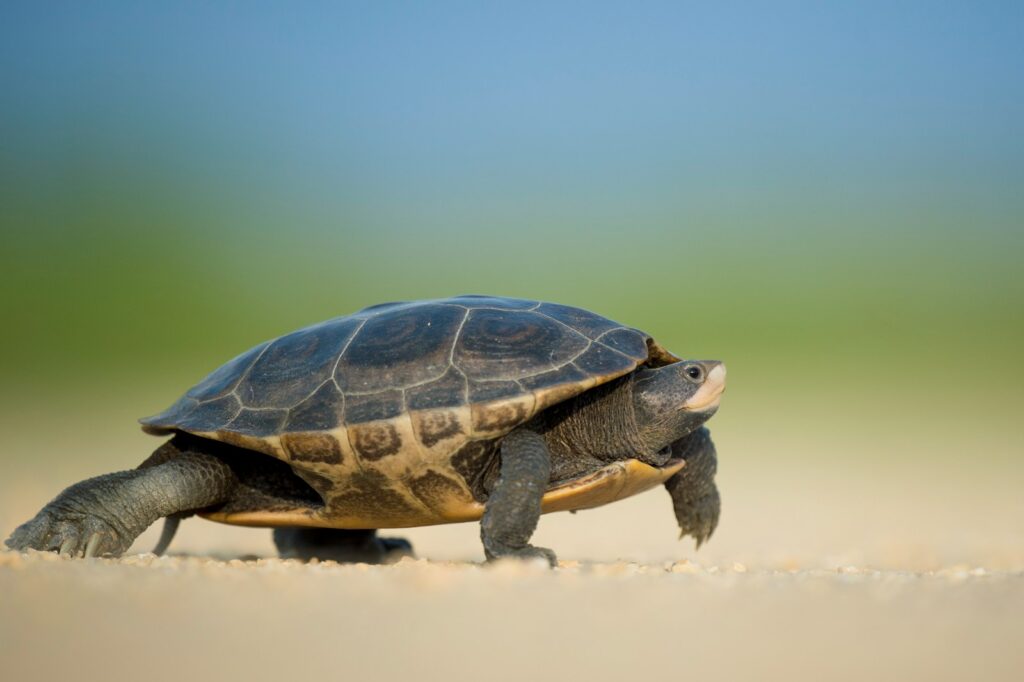
focused photo of a sea turtle walking on the seashore

Turtles vs. Extinction: How They Adapted and Endured

In the grand theater of evolution, few performers have shown the staying power of turtles. These remarkable reptiles have survived for over 220 million years, witnessing the rise and fall of dinosaurs and enduring multiple mass extinction events that wiped out countless other species. Their distinctive shells, deliberate pace, and remarkable adaptability have allowed them ...

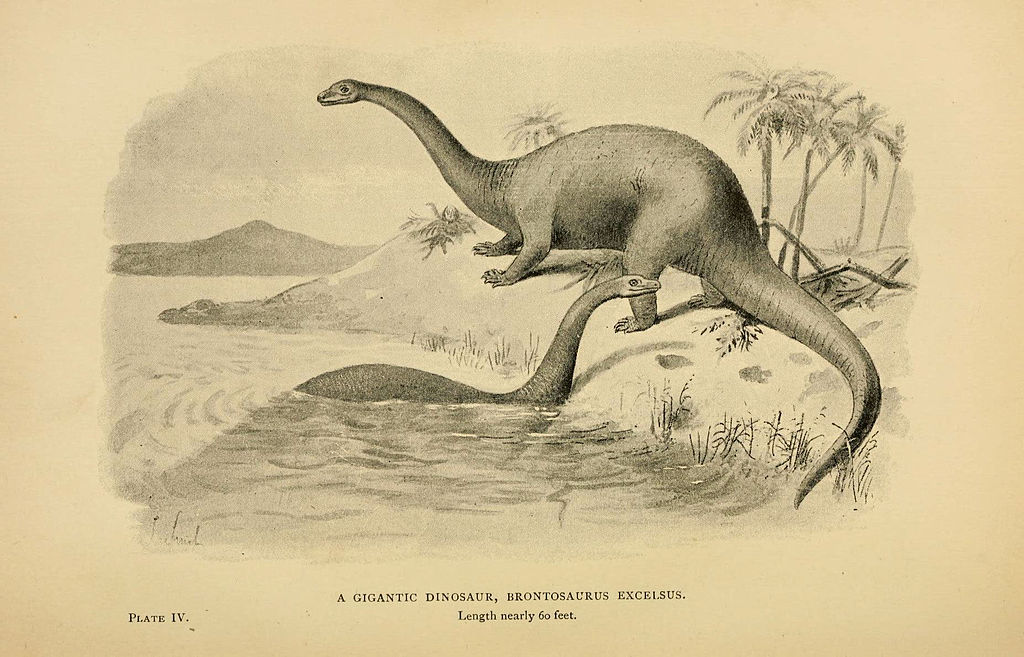
Brontosaurus Excelsus

Was the Brontosaurus Ever Real? The Name Game in Dinosaur Classification

The legendary Brontosaurus, with its massive body, long neck, and whip-like tail, has captivated dinosaur enthusiasts for generations. Yet, this iconic dinosaur has had a tumultuous scientific journey—declared a valid genus, then dismissed as a scientific error, only to be later resurrected through modern analysis. This paleontological soap opera spans over a century and highlights ...

Charles Darwin in 1881

Darwin, Dinosaurs, and the Crisis of Belief

The 19th century witnessed one of the most profound intellectual revolutions in human history. As Charles Darwin published his groundbreaking theory of evolution and paleontologists unearthed increasingly compelling evidence of dinosaurs and an ancient Earth, traditional religious accounts of creation faced unprecedented challenges. This collision between scientific discovery and established belief systems triggered what many ...