Articles for author: Awais Khan

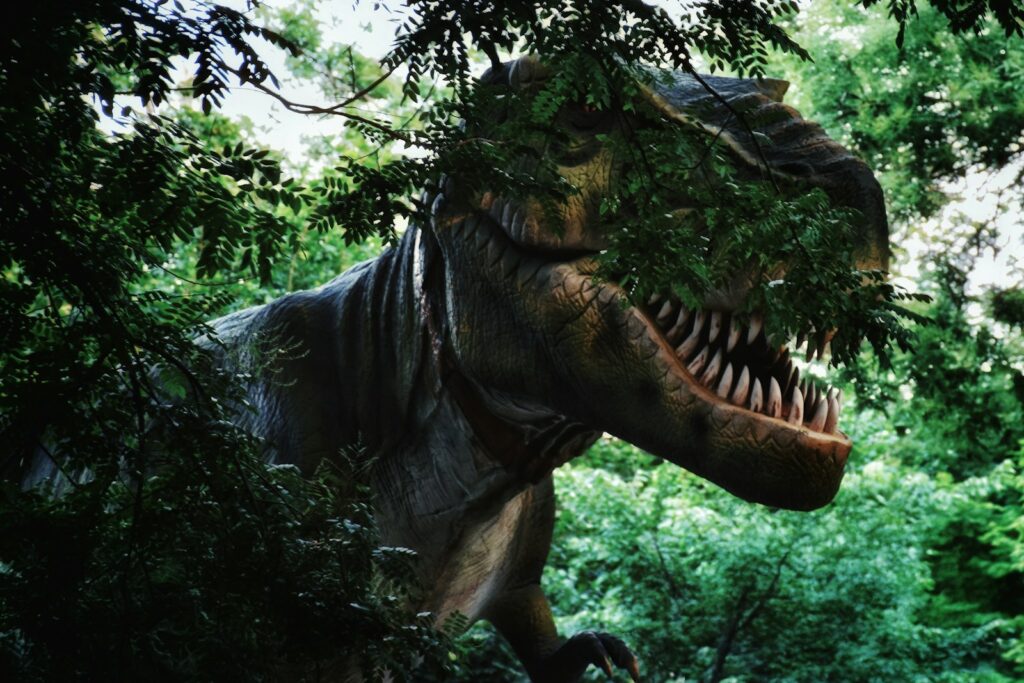
A tyrannosaurus rex lurks within lush foliage

Were Some Dinosaurs Social, or Just Tolerant?

The image of dinosaurs in popular culture often depicts them as either solitary predators or vast herds of plant-eaters moving across prehistoric landscapes. This dichotomy raises intriguing questions about dinosaur behavior that paleontologists have been investigating for decades. Were some dinosaurs truly social creatures with complex group dynamics similar to modern elephants or primates? Or ...
Early Dinosaurs: The Underdogs Who Became Champions

Early Dinosaurs: The Underdogs Who Became Champions

Picture this: 250 million years ago, the world was a burning wasteland. The Great Dying had just wiped out nearly every living thing on Earth, leaving behind a planet that looked more like hell than home. In this desolate landscape, a small group of creatures no bigger than crows were scratching out a living in ...

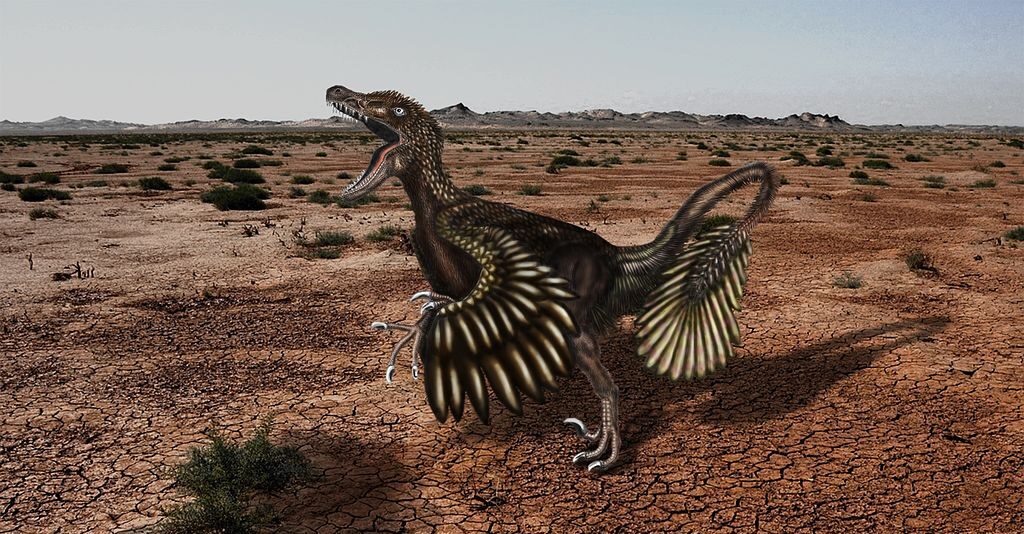
Velociraptor Mongoliensis Painting

Were Some Dinosaurs Sneaky Ambush Predators?

The image of dinosaurs as lumbering giants chasing down prey across open plains has dominated our imagination for decades. However, paleontological evidence increasingly suggests that many dinosaur species employed sophisticated hunting strategies, including ambush predation. From specialized physical adaptations to environmental considerations, the fossil record reveals that some dinosaurs were indeed stealthy hunters, relying on ...

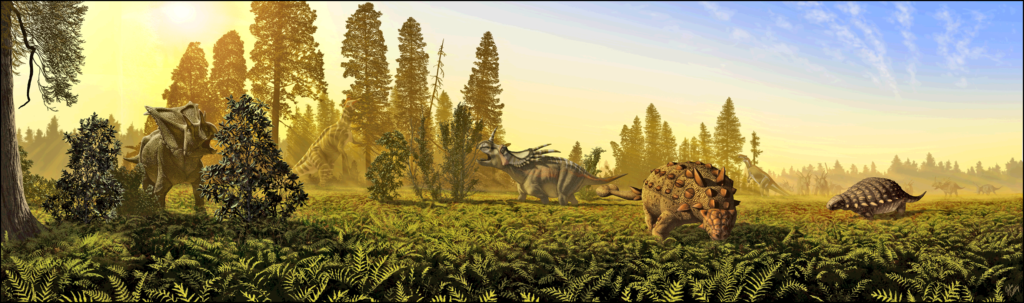
Dinosaurs roam a prehistoric forest at sunrise. A Triceratops, Ankylosaurus, and other dinosaurs are surrounded by lush ferns and towering trees.

Were Ankylosaurs the Ancient Equivalent of Tanks?

When we think of armored warfare, modern tanks typically come to mind – heavily protected vehicles with offensive capabilities designed to withstand enemy fire while delivering devastating attacks. Yet, 100 million years before humans conceived of armored military vehicles, nature had already perfected its version of a living tank. Ankylosaurs, with their heavily armored bodies, ...

Sue, the most complete fossil skeleton of a Tyrannosaurus Rex specimen ever found.

The Skeleton That Sparked a Lawsuit—and a Scientific Debate

In the world of paleontology, few discoveries have generated as much controversy as the skeleton known as “Sue” – the most complete Tyrannosaurus rex fossil ever found. Unearthed in South Dakota in 1990, this remarkable specimen quickly became the center of a bitter ownership dispute that would take years to resolve. Beyond the legal battle, ...

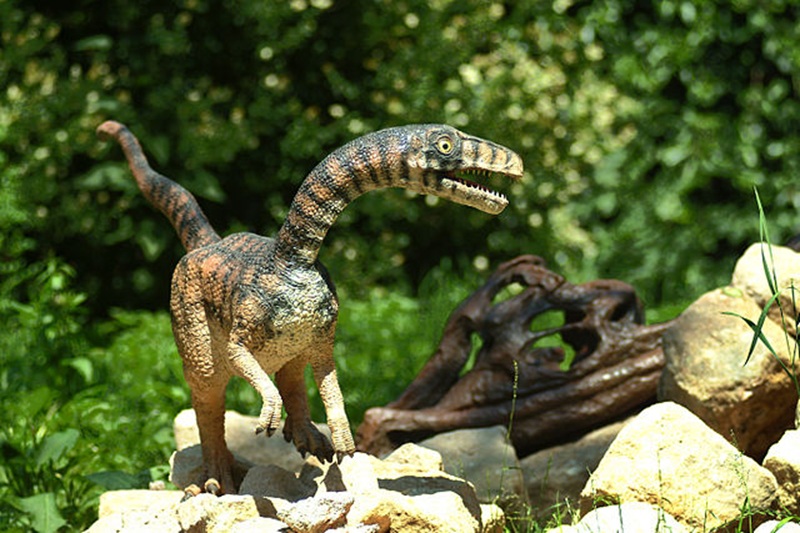
Compsognathus vs. Microraptor

Could a Compsognathus Fit in a Modern Handbag?

When we think of dinosaurs, our minds typically conjure images of towering beasts like the Tyrannosaurus rex or the long-necked Brachiosaurus. However, not all dinosaurs were giants that shook the earth with each step. The dinosaur world also included miniature marvels, with Compsognathus being among the smallest dinosaurs ever discovered. This chicken-sized theropod has sparked ...

Global Witnesses to Ancient Climate

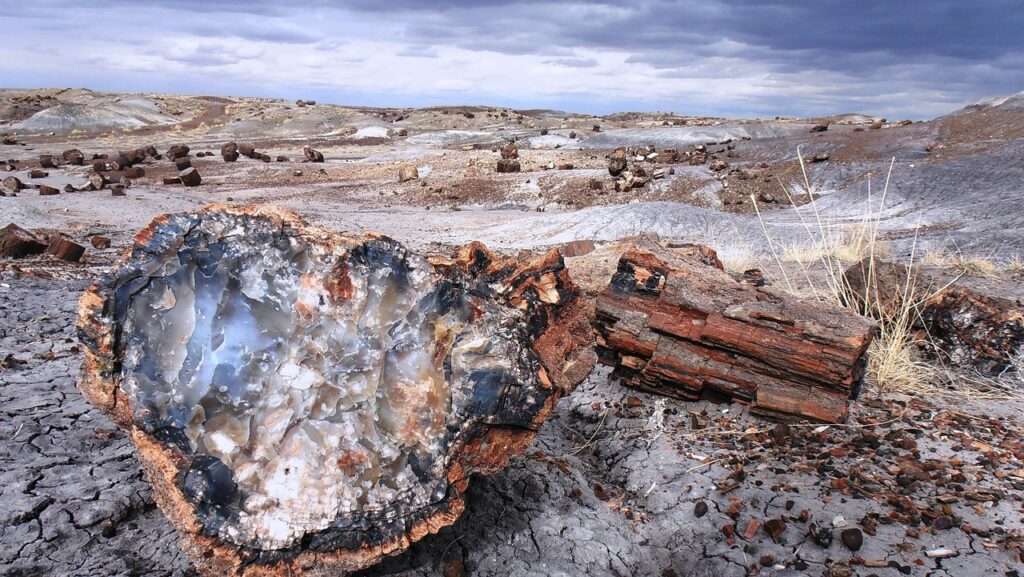
Petrified Forests: How Stone Trees Teach Us About Ancient Climates

Imagine walking through a forest where towering tree trunks sparkle like jewels, their surfaces gleaming with crystal formations. But here’s the mind-bending part: these aren’t living trees at all. They’re ancient forests turned to stone, preserving secrets from millions of years ago when the Earth looked completely different than it does today. These petrified forests ...

Dino parents maiasaura model nest

What Nesting Sites Tell Us About Dino Reproduction

Dinosaur nesting sites represent one of paleontology’s most remarkable windows into prehistoric life. Unlike isolated fossils that capture only a moment in an animal’s existence, nesting sites reveal intimate details about dinosaur reproductive behaviors, parental care, and social structures. These rare discoveries allow scientists to piece together how dinosaurs raised their young, organized their communities, ...

The discovery of marine fossils alongside dinosaur remains illuminates the complex ecological connections that existed between terrestrial and marine environments during the Mesozoic Era.

Could Dinosaurs Have Lived in Swamps, Forests, or Deserts?

Dinosaurs dominated Earth for over 165 million years, adapting to virtually every terrestrial environment our planet had to offer. From scorching deserts to lush rainforests and murky swamps, these remarkable reptiles evolved specialized adaptations that allowed them to thrive in diverse habitats across the Mesozoic Era. Their ability to occupy such varied ecological niches contributed ...

Awais Khan

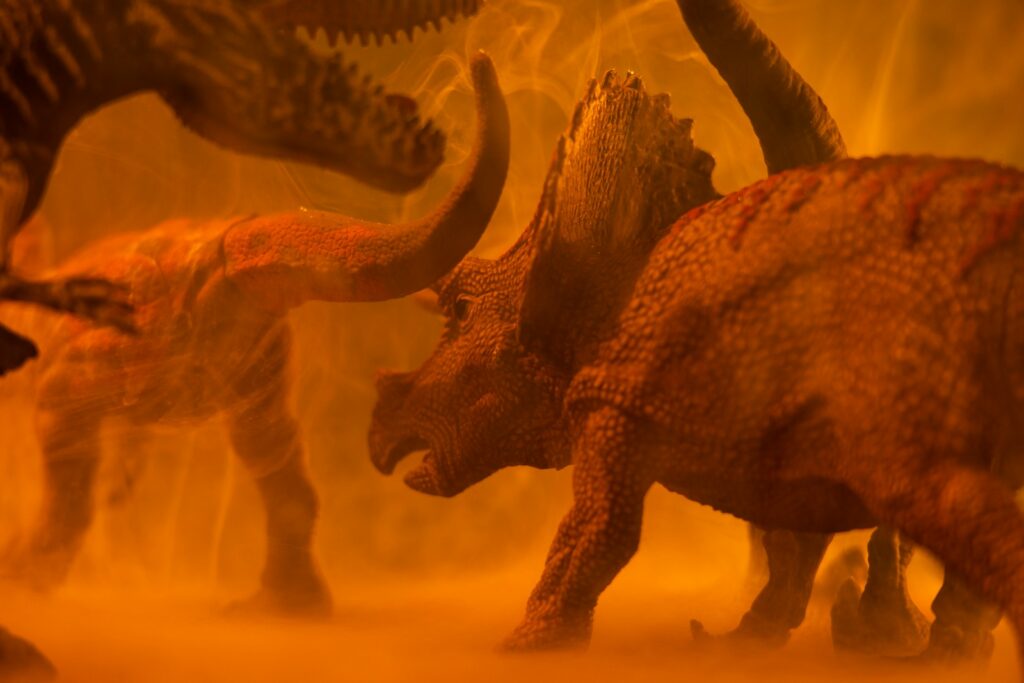
Figurines of dinosaurs, including a Triceratops, face each other amid swirling orange mist. The scene feels dramatic and tense.

Triceratops vs. Rhino: Who Wins in a Horn-to-Horn Showdown?

The animal kingdom has featured some of the most formidable horned creatures throughout evolutionary history. Among these, the prehistoric Triceratops and the modern rhinoceros stand out as iconic symbols of natural defensive weaponry. Both evolved impressive horns and powerful bodies, but they existed millions of years apart, making this hypothetical battle a fascinating cross-temporal thought ...