Articles for author: Awais Khan

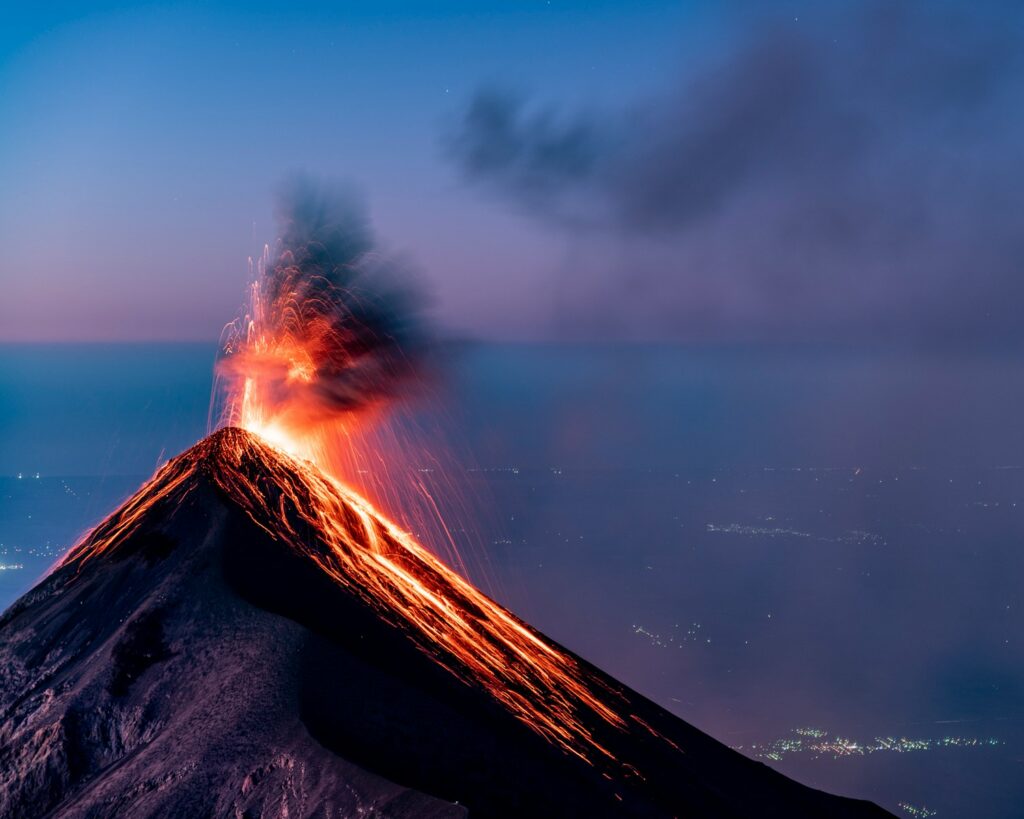
Eruptions triggered warming, acidification, and toxic oceans.

Did Volcanic Eruptions Help Wipe Out the Dinosaurs?

The extinction of dinosaurs approximately 66 million years ago marks one of the most dramatic turning points in Earth’s biological history. While a massive asteroid impact has been widely accepted as the primary cause of this mass extinction event, recent scientific research has increasingly highlighted the potential role of volcanic activity in this global catastrophe. ...

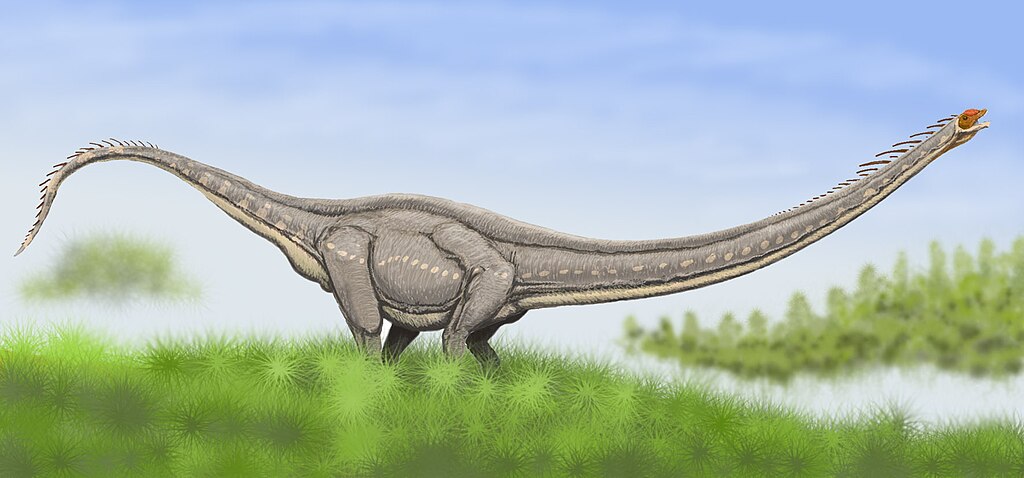
Stretching the limits sauropods like Mamenchisaurus wielded necks longer than a school bus, redefining the possible in prehistoric proportions.

The Myth That Dinosaurs Were Dumb — Debunked

For decades, popular culture has portrayed dinosaurs as lumbering, pea-brained beasts doomed to extinction by their stupidity. Films, cartoons, and outdated textbooks reinforced this image of dinosaurs as evolutionary failures—creatures with walnut-sized brains controlling enormous bodies. However, modern paleontology tells a dramatically different story. Far from being unintelligent evolutionary dead ends, dinosaurs were complex creatures ...

T-rex Sue

Why Some Scientists Refuse to Study Privately Owned Fossils

Paleontology sits at a fascinating intersection of science, commerce, and heritage preservation. While dinosaur bones and ancient remains captivate public imagination and fetch millions at auctions, a significant portion of the scientific community deliberately avoids researching privately held specimens. This principled stance, though sometimes controversial, stems from deep ethical, scientific, and practical concerns. This article ...

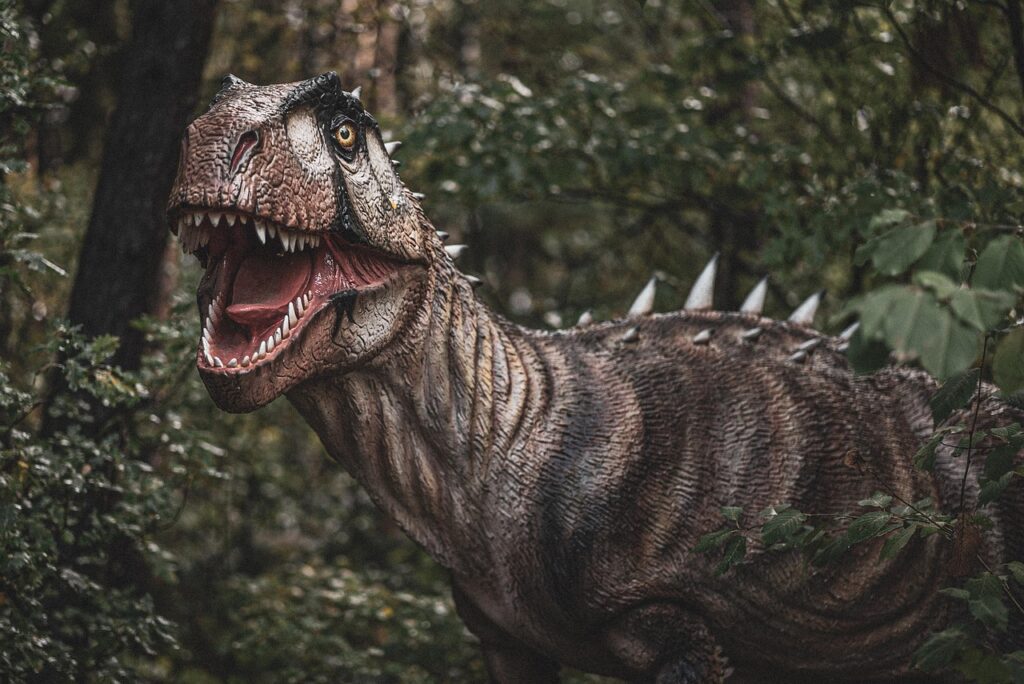
A colorful dinosaur statue with an open mouth stands amidst lush greenery and tall trees in a forest setting, creating a playful, lively scene.

Could Dinosaurs Have Used Venom to Hunt?

For generations, our understanding of dinosaurs has been continuously evolving. From slow, lumbering beasts to agile predators, our perception of these ancient creatures transforms with each new scientific discovery. Among the most intriguing recent questions in paleontology is whether some dinosaurs might have utilized venom as a hunting strategy. This fascinating possibility challenges our conventional ...

A dark-colored Tyrannosaurus rex walks past trees and foliage with a small theropod following closely, playfully snapping at a fluttering butterfly.

Ancient Lizards: How Prehistoric Reptiles Paved the Way for Modern Dragons

The vast expanse of prehistoric time harbored creatures so remarkable that they continue to capture our imagination today. Among these ancient beings, prehistoric reptiles stand as some of the most fascinating organisms to have ever roamed the Earth. Their legacy extends beyond mere scientific interest, inspiring countless tales of mythical dragons across human cultures. These ...

10 Things That Would Happen If You Lived in the Prehistoric Era

10 Things That Would Happen If You Lived in the Prehistoric Era

Imagine stepping back through time, far beyond the comfort of modern civilization, into an era when survival required cunning, cooperation, and an intimate relationship with the natural world. Living in the prehistoric era wouldn’t have been the romanticized adventure that movies often portray. Instead, it would have been a raw, challenging existence that demanded every ...

ground covered with snow

Could Global Cooling Have Killed the Dinosaurs First?

The extinction of dinosaurs has captivated scientific minds for generations, with the asteroid impact theory dominating discussions for decades. However, recent research suggests a more nuanced picture of the dinosaurs’ final days. Evidence indicates that significant climate changes, particularly global cooling, may have already been stressing dinosaur populations before the Chicxulub asteroid delivered the final ...

A detailed model of a large, colorful dragonfly with translucent wings, six legs, and a vivid body against a dark, contrasting background.

Was Gigantism a Response to Oxygen-Rich Prehistoric Atmospheres?

The prehistoric world was home to creatures of staggering proportions that dwarf their modern relatives. From dragonflies with wingspans comparable to hawks to millipedes longer than a human adult, the phenomenon of gigantism in ancient species has fascinated scientists for generations. One compelling theory suggests that elevated oxygen levels in prehistoric atmospheres may have facilitated ...