Articles for author: Awais Khan

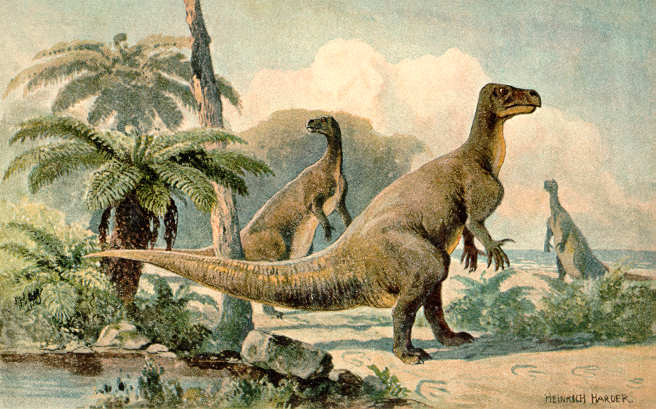
Illustration of three dinosaurs standing in a prehistoric landscape with lush greenery and palm trees. The scene conveys a tranquil, ancient atmosphere.

The Long Shadow of Iguanodon: How One Tooth Changed Everything

In the quiet countryside of Sussex, England, in 1822, a seemingly insignificant discovery would alter the course of scientific understanding forever. Mary Ann Mantell, while accompanying her husband Gideon on a country walk, spotted something unusual glinting among the rocks—a fossilized tooth unlike anything previously documented. This single tooth would become the first scientifically described ...
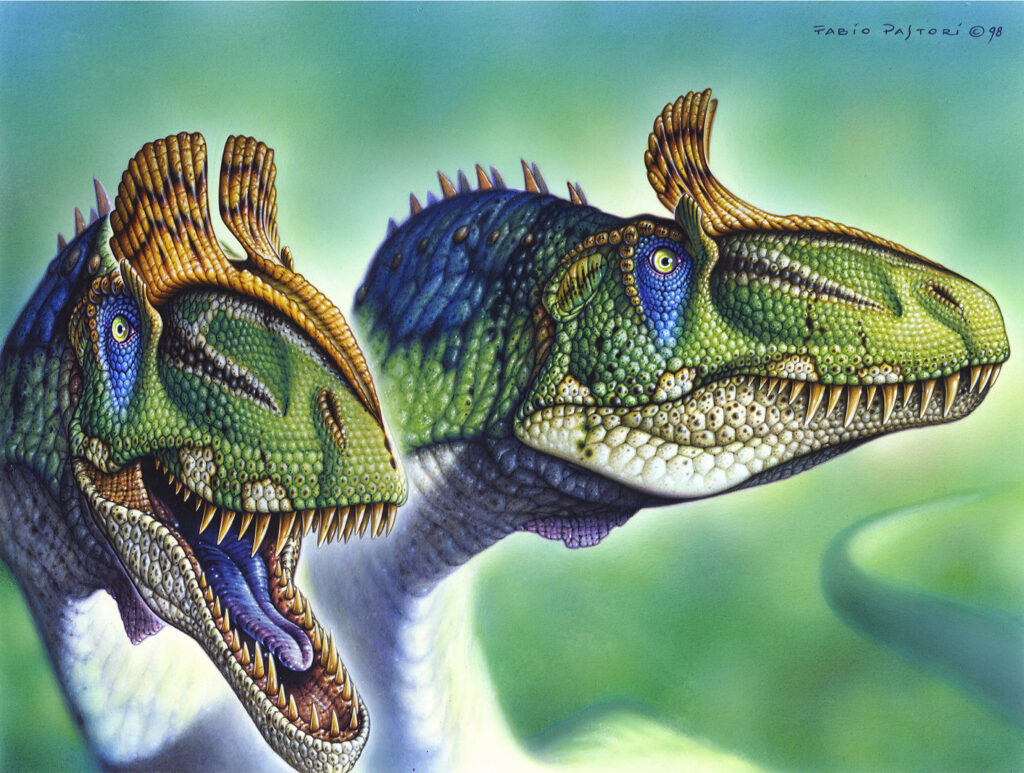
Two vibrant dinosaurs with scaly green and blue skin face the viewer. Their textured frills and sharp teeth create a dynamic, prehistoric scene.

Were Any Dinosaurs Actually Blue? The Color Controversy

The vibrant blues of a peacock’s feathers, the striking azure of a blue jay, and the deep indigo of certain tropical fish captivate our imagination. When we envision dinosaurs, our mental images are often influenced by popular media, where these prehistoric creatures appear in various colors, including shades of blue. But were any dinosaurs blue? ...

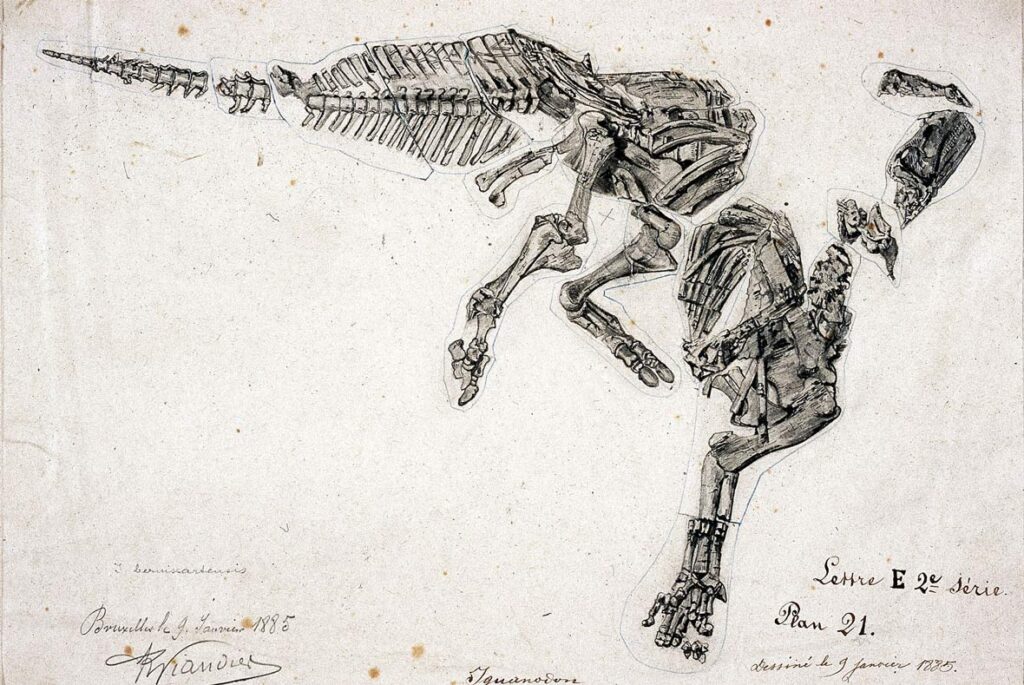
Illustration of a dinosaur skeleton, likely Iguanodon, displayed on aged paper. Bone structures intricately detailed, evoking scientific curiosity.

Could You Dig Up a 1,000-Year-Old Bone That’s Not Fossilized Yet?

When we think of ancient bones, we often imagine fossils—hard, stone-like remains that have survived the test of time. But what about bones that are centuries old yet haven’t fossilized? Is it possible to unearth a 1,000-year-old bone that still maintains its original organic composition? This question takes us into the fascinating intersection of archaeology, ...

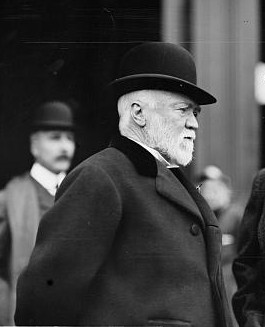
Andrew Carnegie, the steel magnate and philanthropist

Carnegie’s Dinosaur Legacy: What Makes Pittsburgh a Fossil Hotspot

Pittsburgh, Pennsylvania, might not be the first place that comes to mind when thinking about dinosaur fossils, yet this steel city harbors one of the most significant paleontological legacies in North America. The influence of industrialist Andrew Carnegie and his passion for dinosaurs transformed Pittsburgh into an unexpected fossil hotspot that continues to shape our ...

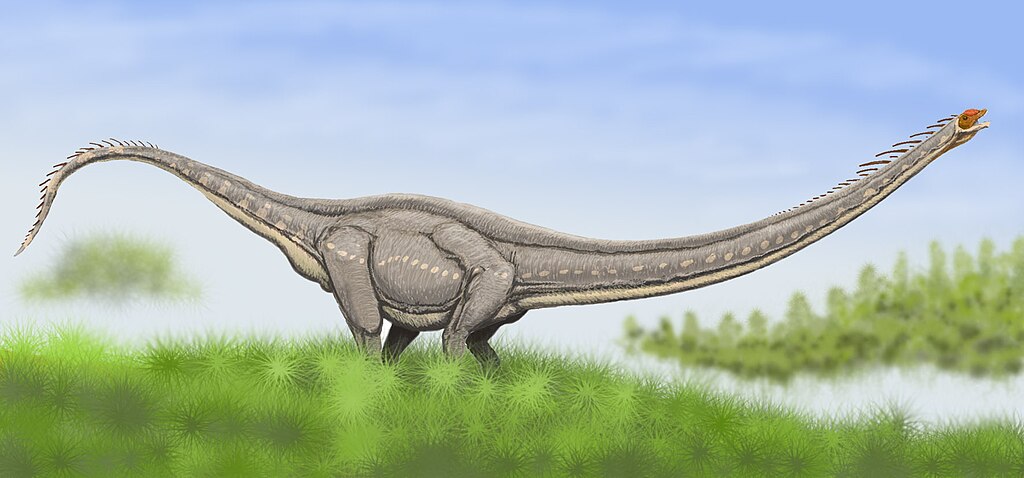
Stretching the limits sauropods like Mamenchisaurus wielded necks longer than a school bus, redefining the possible in prehistoric proportions.

How Did Dinosaurs Sleep — Standing Up, Like Birds?

The mysterious world of dinosaurs continues to captivate our imagination, with questions about their daily lives remaining largely unanswered through traditional fossil records. Among these fascinating puzzles is how these magnificent creatures slept. Did massive sauropods lie down like elephants? Did predatory theropods curl up like modern birds? The sleeping postures of dinosaurs represent an ...

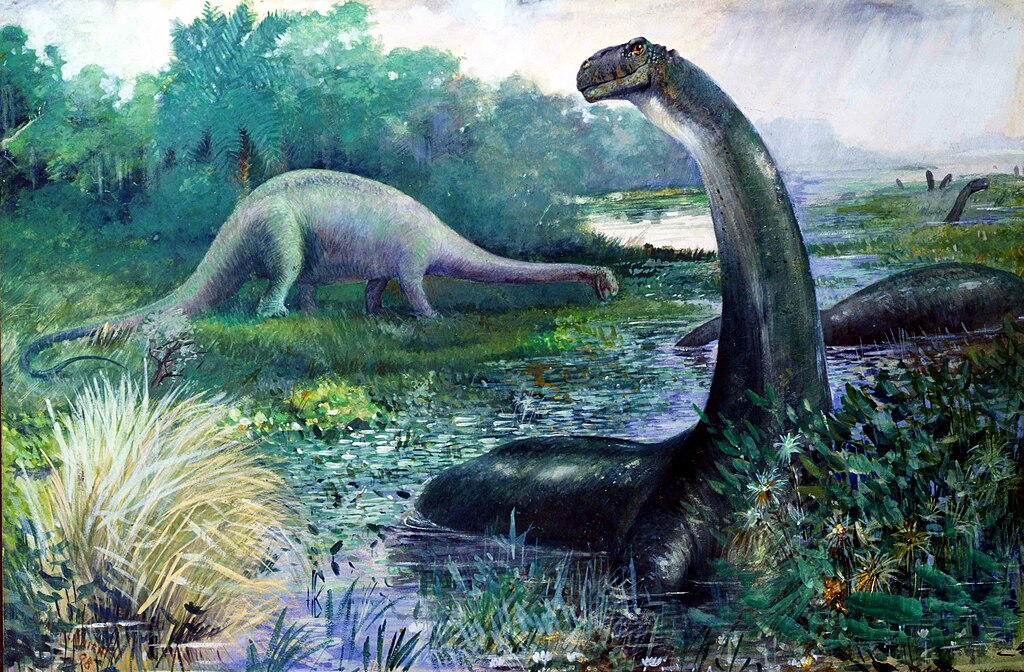
Illustration of Brontosaurus in the water, and Diplodocus on land.

How Paleoartists Rebuild Dinosaurs from Fossils Alone

Paleontology offers us glimpses into Earth’s distant past, but these glimpses often come as fragmented bones and partial skeletons. Converting these ancient remnants into accurate, lifelike representations of extinct animals requires the specialized expertise of paleoartists. These talented individuals blend scientific knowledge with artistic skill to breathe life into creatures that disappeared millions of years ...

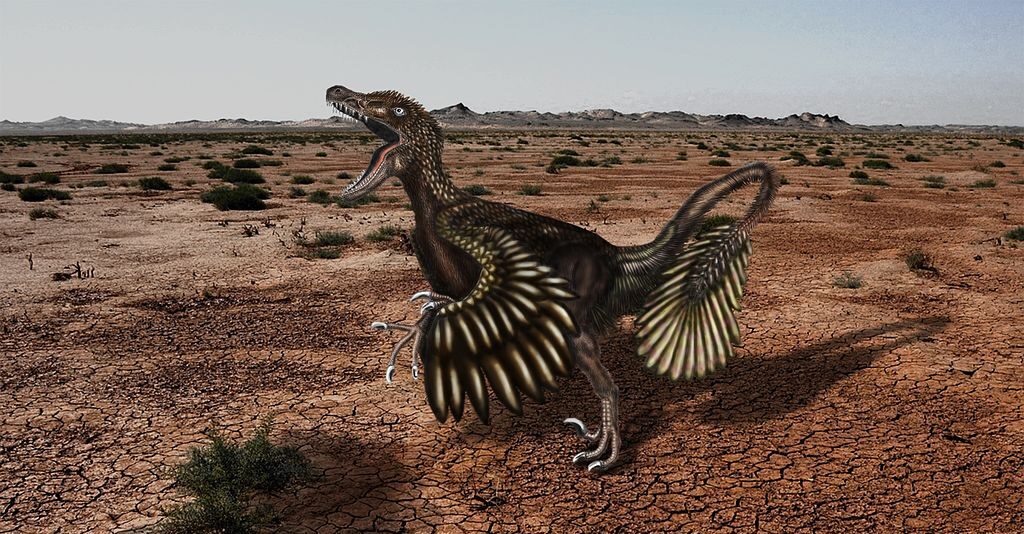
Velociraptor Mongoliensis Painting

How Fast Could a Velociraptor Run Compared to a Housecat?

When we compare prehistoric predators to our modern-day companions, fascinating questions arise about speed, agility, and evolutionary adaptations. The velociraptor, made famous by the “Jurassic Park” franchise, has captured our collective imagination as a swift and deadly hunter. Meanwhile, the common housecat, a predator in its own right, demonstrates remarkable bursts of speed when chasing ...

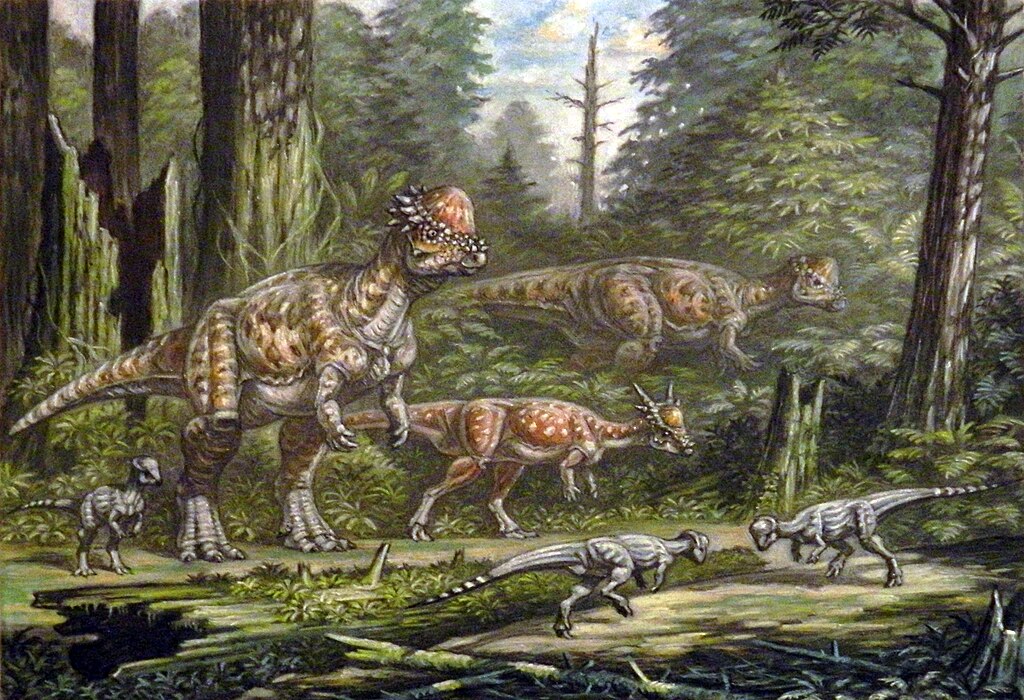
Pachycephalosaurus, Stygimoloch, Sphaerotholus.

Stygimoloch: The Spiky-Skulled Oddity of the Late Cretaceous Midwest

The enigmatic Stygimoloch, with its distinctive domed skull adorned with menacing spikes, represents one of the most visually striking dinosaurs to roam North America during the final stages of the Cretaceous period. This peculiar pachycephalosaurid dinosaur, whose name translates to “demon from the river Styx,” captures both scientific interest and popular imagination with its unusual ...

Recreation of a prehistoric bird with feathers and wing-like arms, standing in a lush, forested area. Vibrant foliage and trees surround the creature.

Incisivosaurus: The Buck-Toothed Dinosaur That Ate Plants (and Maybe Bugs)

In the vast landscape of prehistoric creatures, Incisivosaurus stands out as one of the most peculiar dinosaurs ever discovered. Dating back approximately 125 million years to the Early Cretaceous period, this small theropod dinosaur has captured paleontologists’ attention with its unusual dentition that resembles modern rodents more than typical carnivorous dinosaurs. Discovered in the Yixian ...

Recumbent Megaloceros at Crystal Palace Park

The Line Between Science and Imagination in Dinosaur Art

Dinosaur art represents a fascinating intersection of scientific knowledge and creative interpretation. Artists who bring extinct creatures to life must balance paleontological evidence with the inevitable gaps that imagination must fill. This delicate dance between science and artistic license has evolved dramatically over the centuries, reflecting both our advancing understanding of dinosaurs and our cultural ...