Articles for author: Awais Khan

Close-up of a large, brown Chinese giant salamander in a clear water tank. Its textured skin and small eyes are visible, conveying a serene presence.

Giant Amphibians and Their Vanishing World

Deep in the world’s remaining old-growth forests, hidden in crystal-clear mountain streams, and lurking beneath the murky waters of ancient lakes, Earth’s giant amphibians have thrived for millions of years. These remarkable creatures—some reaching lengths of over five feet—represent living connections to prehistoric times when amphibians ruled much of the planet. Today, however, these magnificent ...
Ancient Wetlands and Swamps That Hid Dinosaurs

In the misty shadows of prehistoric landscapes, vast networks of wetlands and swamps once served as both sanctuary and hunting ground for countless dinosaur species. These waterlogged ecosystems, teeming with life and vegetation, created perfect conditions for dinosaur habitation while simultaneously preserving their remains for future discovery. Today, paleontologists unearth these ancient creatures from what ...

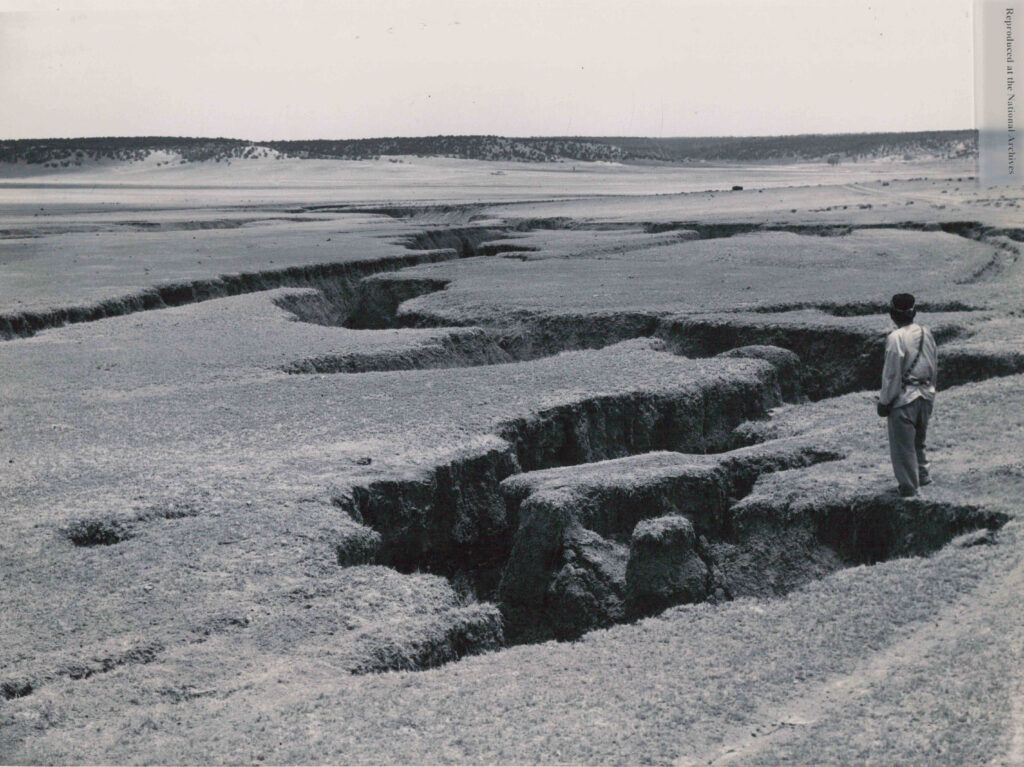
A person stands at the edge of a large, cracked earth fissure in a desolate landscape. Sparse vegetation and distant hills under an overcast sky convey isolation.

Earthquakes, Erosion, and the Preservation of Fossils

When we look at a fossil in a museum, we’re witnessing the remarkable culmination of geological processes that have preserved evidence of ancient life against tremendous odds. Earthquakes and erosion—forces typically associated with destruction—play surprisingly nuanced roles in the fossil record. These powerful natural phenomena can simultaneously destroy potential fossils and create ideal conditions for ...

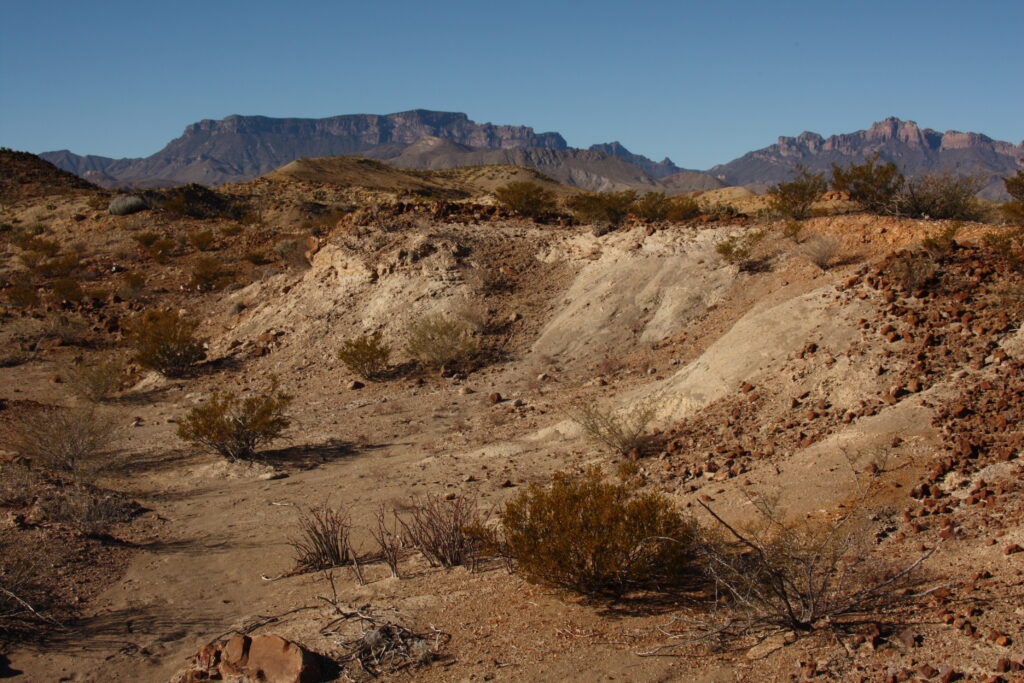
Arid desert landscape with sparse vegetation, dry soil, and scattered shrubs. Rugged mountains rise in the background under a clear blue sky.

The Dusty, Windy Deserts of the Cretaceous

When we think of the Cretaceous period, lush tropical forests and dinosaur-filled swamps often come to mind. However, this vibrant chapter of Earth’s history, spanning from 145 to 66 million years ago, also featured vast, arid landscapes that rivaled modern deserts in their harshness. Recent paleoclimatological research has revealed that these ancient Cretaceous deserts played ...

New Research on dinosaur Functionality

Misnamed Dinosaurs: What Happens When Science Gets It Wrong

In the fascinating world of paleontology, few things capture our imagination quite like dinosaurs. These magnificent creatures that once ruled our planet continue to evolve—not physically, but in our scientific understanding of them. Perhaps one of the most intriguing aspects of dinosaur research is how frequently names and classifications change as new evidence emerges. What ...

Awais Khan

Though Deinonychus was the first significant raptor discovery, its close relative, Velociraptor, gained greater fame through popular culture.

How Fast Could Velociraptors Really Run?

Velociraptors have captured our imagination since their dramatic portrayal in the Jurassic Park franchise, where they were depicted as lightning-fast predators capable of outrunning humans and vehicles. These prehistoric predators lived approximately 75-71 million years ago during the Late Cretaceous period and have become cultural icons of speed and agility. But how fast could these ...

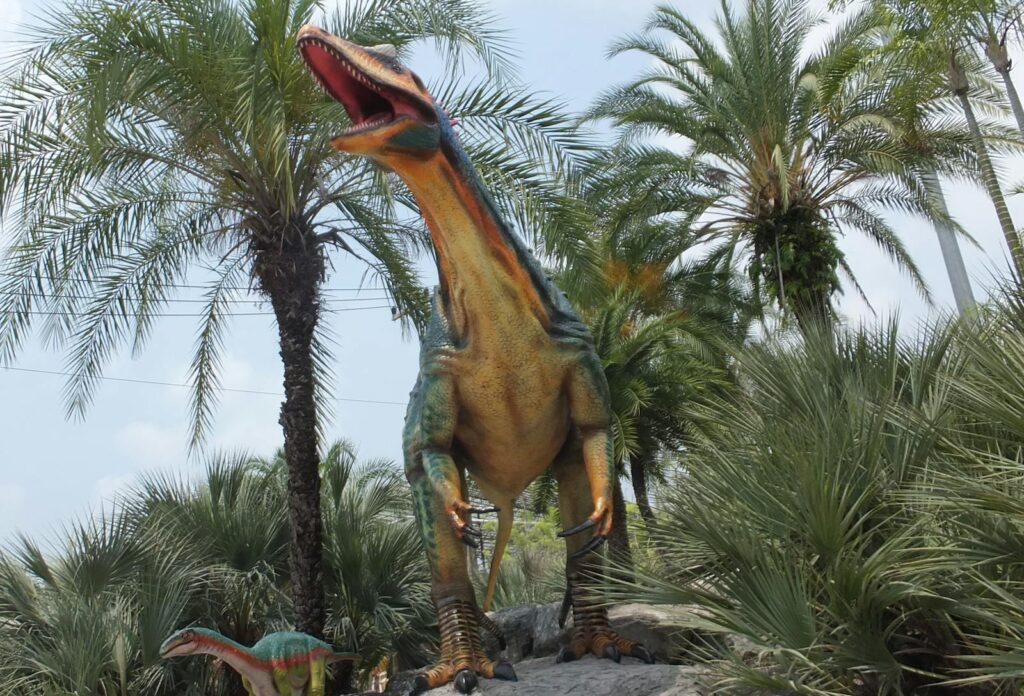
A lifelike T-Rex model stands menacingly in a misty forest, showing sharp teeth and detailed scales. Tall green trees surround, adding a prehistoric feel.

What Is the Difference Between Theropods, Sauropods, and Ornithopods?

When we think of dinosaurs, most of us conjure images of massive, long-necked creatures grazing on treetops, fierce predators with razor-sharp teeth, or peculiar herbivores with beaks and frills. These mental images represent three major groups of dinosaurs that dominated the Mesozoic Era: theropods, sauropods, and ornithopods. Each group evolved distinct anatomical features, dietary preferences, ...

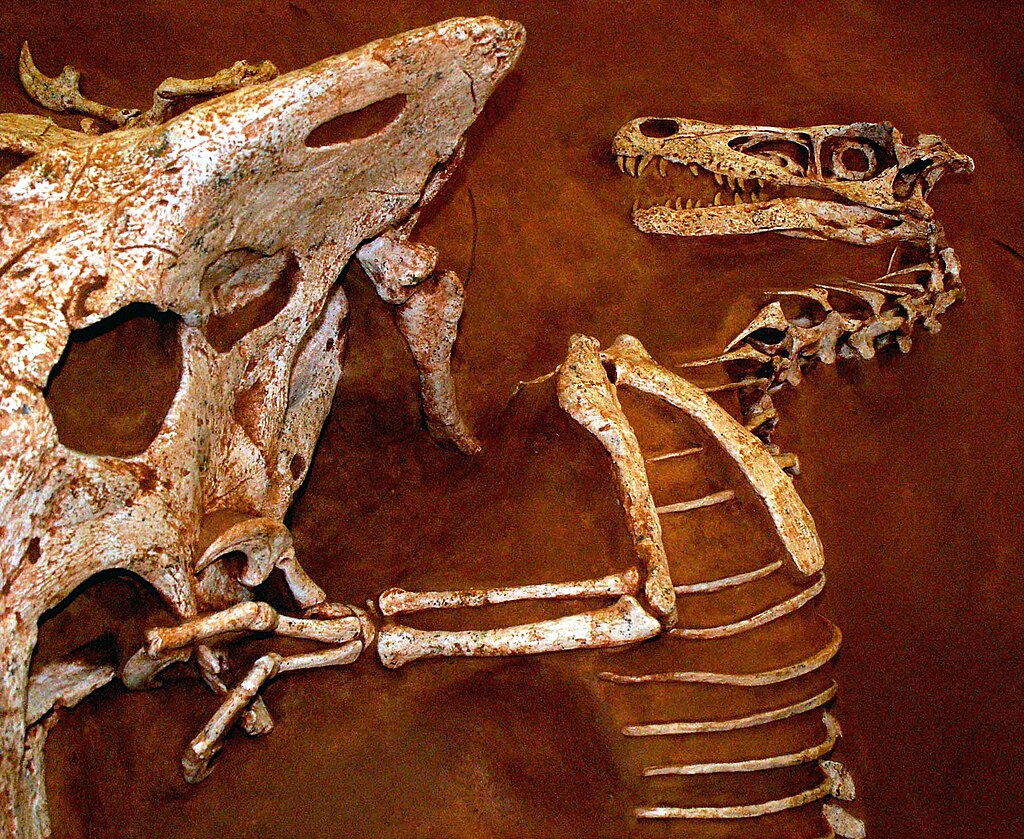
Velociraptor and Protoceratops - Fighting dinosaurs

Faith, Fossils, and Fear: How the Church Responded to Extinction

When early naturalists began uncovering strange bones in the earth during the 17th and 18th centuries, they unwittingly sparked a theological crisis. These mysterious remains didn’t match any known living creatures, raising uncomfortable questions: Could God’s perfect creation include animals that no longer existed? The concept of extinction challenged long-held religious beliefs about divine purpose ...

Massive mosasaurs and plesiosaurs needed huge amounts of food to survive.

7 Prehistoric Creatures That Lived Alongside Dinosaurs

When we think of prehistoric life, dinosaurs often dominate our imagination. However, these magnificent reptiles shared their world with countless other fascinating creatures that deserve equal recognition. From massive marine predators to tiny mammals scurrying beneath the forest floors, Earth’s ancient ecosystems were incredibly diverse. This article explores seven remarkable prehistoric animals that coexisted with ...

Studies suggest dinosaurs grew faster than reptiles but slightly slower than similar-sized mammals.

Giant Crocodiles That Hunted Dinosaurs

In the shadowy waters of prehistoric rivers and coastal regions, enormous crocodilian predators lurked, some growing large enough to prey upon dinosaurs that ventured too close to the water’s edge. These ancient reptiles were not the crocodiles we recognize today but were their distant relatives, often larger and more terrifying. Some of these massive predators ...