Articles for author: Mitul Biswas

Dinosaurs Travel in Herds

Did Dinosaurs Travel in Herds The Science of Social Species

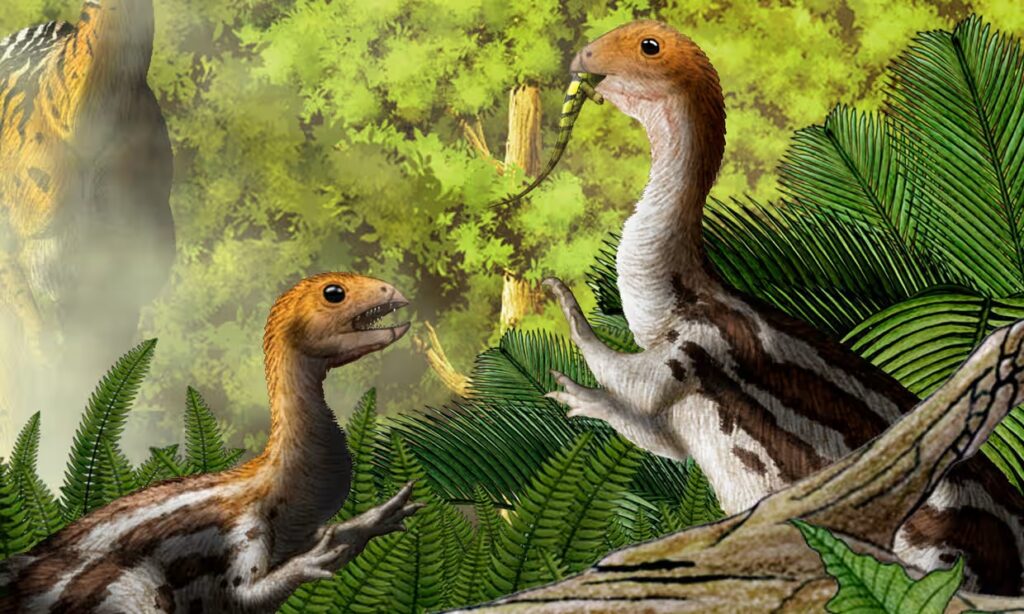
For generations, our vision of dinosaurs has been shaped by dramatic interpretations in popular media – solitary predators stalking prey, or small family groups navigating prehistoric landscapes. But as paleontological evidence continues to accumulate, a more nuanced understanding of dinosaur social behavior has emerged. The question of whether dinosaurs traveled in herds addresses fundamental aspects ...
Daspletosaurus The Tyrant Dinosaur

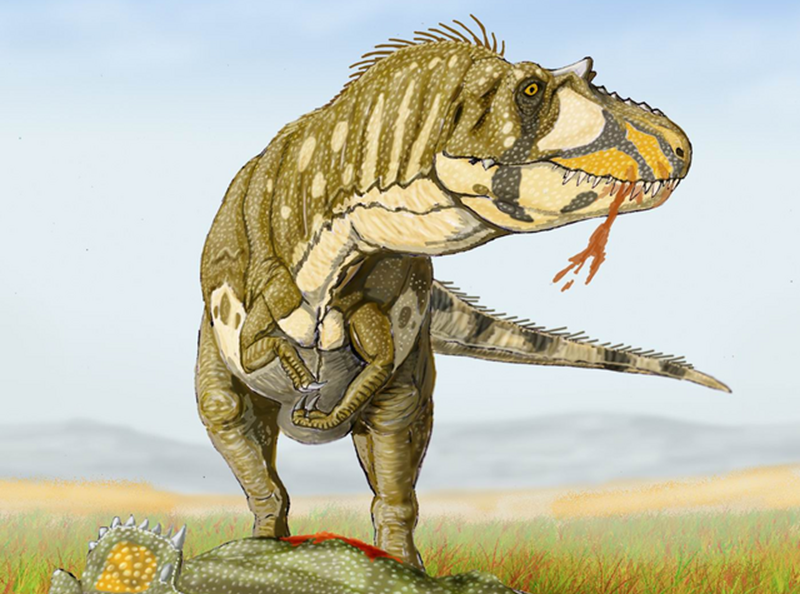
Daspletosaurus The Tyrant Dinosaur That Preyed on Triceratops

In the shadows of the more famous Tyrannosaurus rex lurked another fearsome predator that dominated the Late Cretaceous landscape – the Daspletosaurus. This powerful tyrannosaurid dinosaur, whose name aptly translates to “frightful lizard,” was one of North America’s apex predators approximately 77-74 million years ago. While often overshadowed by its larger cousin T. rex, Daspletosaurus ...

Ongoing research on Maiasaura uses new technologies to unlock fresh insights from fossils

Did Dinosaurs Get Sick Evidence of Disease in Fossils

Dinosaurs dominated Earth for over 165 million years, leaving behind a fossil record that continues to fascinate scientists and the public alike. While we often focus on their size, behavior, and extinction, one question remains particularly intriguing: did these magnificent creatures suffer from diseases and illnesses like modern animals do? Recent paleontological discoveries have revealed ...

Dinosaur With a Toothless Beak

Confuciusornis The Ancient Bird With a Toothless Beak

Confuciusornis, whose name translates to “Confucius bird,” represents one of the most significant discoveries in avian paleontology. Dating back approximately 125-120 million years to the Early Cretaceous period, this remarkable creature provides a crucial evolutionary link between dinosaurs and modern birds. As one of the earliest birds to possess a toothless beak similar to contemporary ...

What If Dinosaurs Had not Gone Extinct

What If Dinosaurs Had not Gone Extinct A Look at Alternate Evolution

Approximately 66 million years ago, a catastrophic asteroid impact near Mexico’s Yucatán Peninsula triggered the fifth mass extinction event in Earth’s history, wiping out roughly 75% of all species—including the non-avian dinosaurs that had dominated terrestrial ecosystems for over 160 million years. This cataclysmic event dramatically altered evolution’s trajectory, allowing mammals to diversify and eventually ...

The Nostril Migration Mystery

Did Dinosaurs Experience Seasons Like We Do

Ancient reptiles ruled Earth for over 165 million years, dominating landscapes entirely different from our modern world. Yet among the countless mysteries surrounding dinosaurs, one fascinating question often emerges: Did these magnificent creatures experience seasonal changes similar to those we know today? The answer involves examining climate patterns across the Mesozoic Era, studying fossilized plants ...

12 Dinosaurs You Did not Know Had Feathers

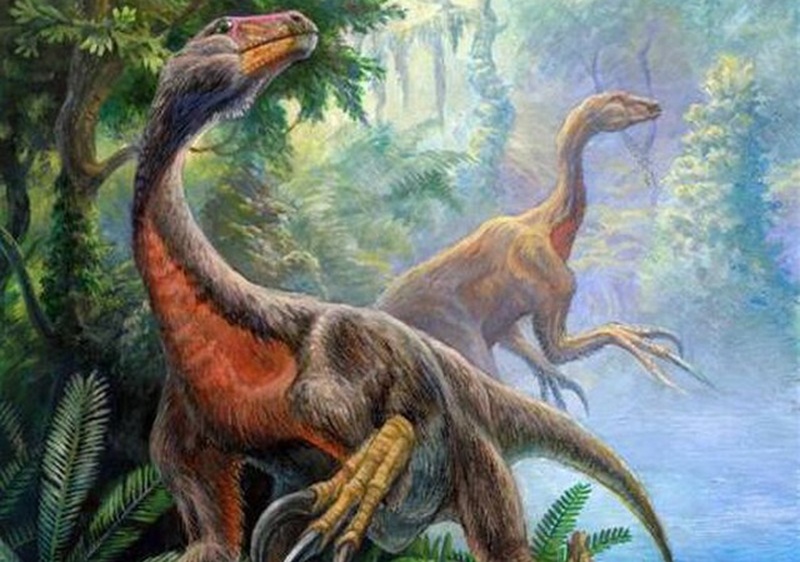
When we picture dinosaurs, many of us still envision the scaly, reptilian creatures popularized by films like Jurassic Park. However, paleontological discoveries over the past few decades have dramatically transformed our understanding of these ancient animals. One of the most revolutionary findings has been the widespread presence of feathers among dinosaurs, particularly theropods (the group ...

Earth’s most dramatic turning points

Could a Mass Extinction Like The Dinosaur One Happen Again

The dinosaurs’ sudden disappearance 66 million years ago marks one of Earth’s most dramatic turning points – when approximately 75% of all species vanished within a geologically brief period. This event, known as the Cretaceous-Paleogene (K-Pg) extinction, fundamentally reshaped life on our planet and allowed mammals to eventually dominate. As we face accelerating climate change, ...

Cold-Adapted Dinosaurs

When Earth Froze Over Did Any Dinosaurs Survive the Cold

Approximately 66 million years ago, a catastrophic event changed the course of Earth’s history forever. The Cretaceous-Paleogene (K-Pg) extinction event, marked by a massive asteroid impact, triggered a series of devastating environmental changes that wiped out approximately 75% of all species on the planet, including the non-avian dinosaurs that had dominated terrestrial ecosystems for over ...