Articles for category: Dinosaur Profiles

Dakotaraptor

Dakotaraptor: The Giant Raptor That Hunted the Plains of South Dakota

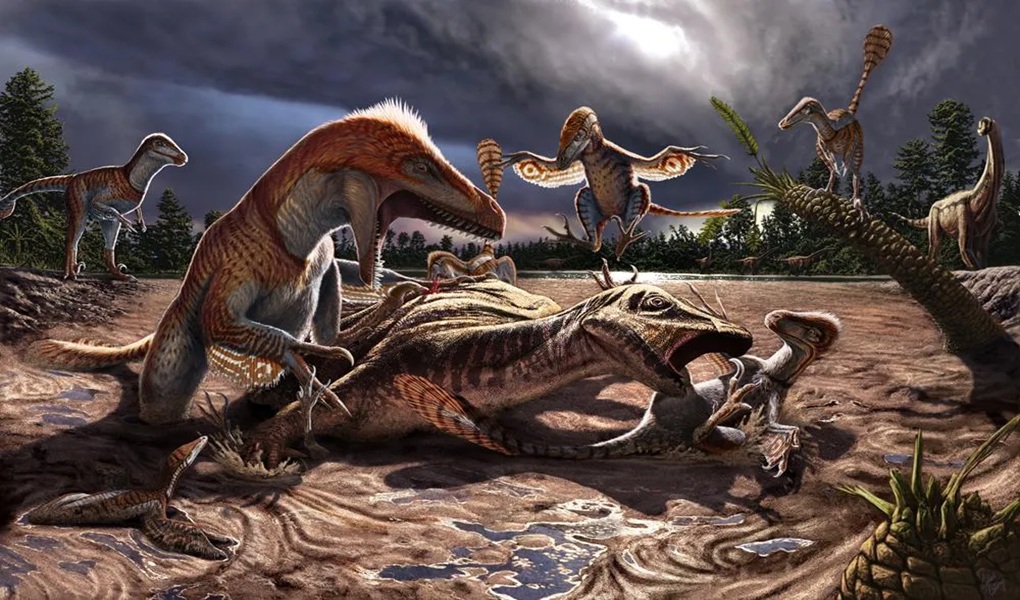
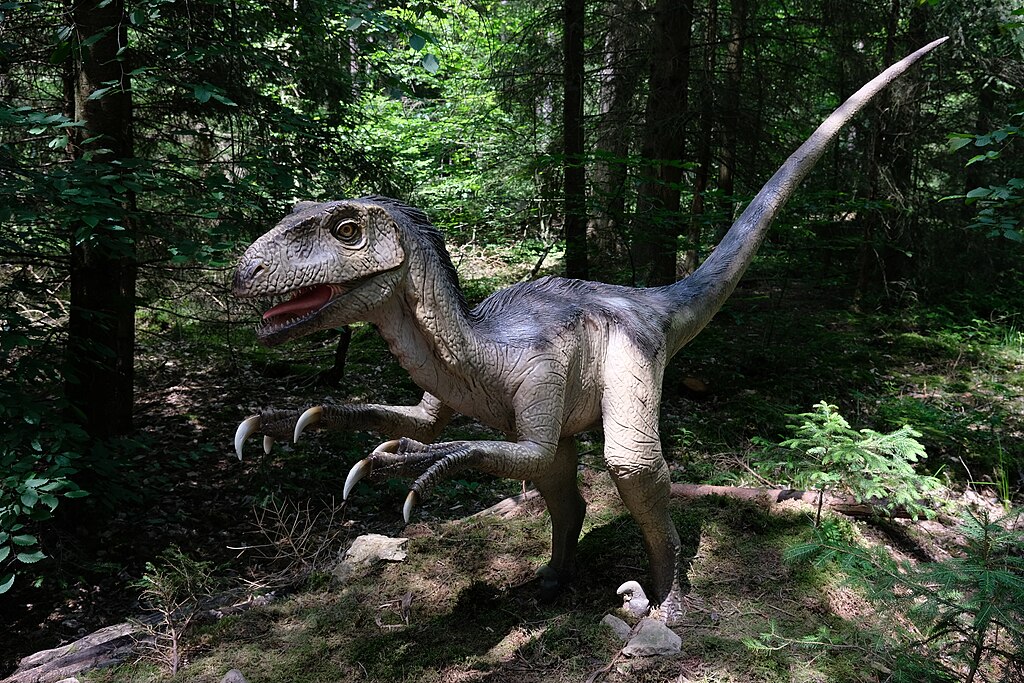
In the vast prehistoric landscape of what is now South Dakota, a fearsome predator once stalked the plains with deadly precision. Dakotaraptor steini, discovered only in 2015, represents one of the largest dromaeosaurids—commonly known as “raptors”—ever to have existed. This remarkable dinosaur has revolutionized our understanding of the Late Cretaceous ecosystem in North America and ...

Leaellynasaura

The Jurassic’s Secret Survivors: Small Herbivores in the Undergrowth

While dinosaurs like Tyrannosaurus rex and Brachiosaurus dominate our popular imagination of the Jurassic period, a rich ecosystem of smaller herbivorous dinosaurs thrived in the shadows of these giants. These diminutive plant-eaters played crucial roles in Jurassic ecosystems, occupying specialized niches and contributing significantly to the biodiversity of their time. Often overlooked in favor of ...

Awais Khan

Dinosaur with spotted skin defends nest from predatory mammal in a lush prehistoric forest. The scene is tense, showcasing survival instincts.

Aquilops: The Tiny Ceratopsian from Montana With a Big Scientific Impact

In the vast landscape of prehistoric creatures, sometimes the smallest discoveries yield the most significant scientific insights. Such is the case with Aquilops americanus, a diminutive ceratopsian dinosaur that has dramatically altered our understanding of horned dinosaur evolution in North America. Discovered in 105-million-year-old rocks in Montana, this turkey-sized herbivore represents the earliest known member ...

8 Ancient Dinosaurs That Were Like Giant Alligators

8 Ancient Dinosaurs That Were Like Giant Alligators

Picture this: massive prehistoric beasts that ruled the waters and swamps millions of years ago, looking remarkably like today’s alligators but on a mind-boggling scale. While we often think of dinosaurs ruling the land, these crocodilian giants were just as impressive and far more terrifying than anything swimming in our modern rivers. These weren’t technically ...

Awais Khan

Illustration of an dinosaur with a long tail and snout. It has a mottled green and brown pattern on its skin, conveying a realistic prehistoric appearance.

Thescelosaurus: The “Wondrous Lizard” That Survived Until the End in Montana

Thescelosaurus, whose name aptly translates to “wondrous lizard,” stands as one of the final dinosaur species to walk the Earth before the catastrophic extinction event that marked the end of the Cretaceous period. This remarkable herbivore, often overshadowed by its more famous contemporaries like Tyrannosaurus rex and Triceratops, has a fascinating story that deserves telling. ...

A reconstruction of Parvicursor sitting on its nest.

From Compsognathus to Microraptor: The Little Dinosaurs That Changed Big Theories

The smallest members of the dinosaur family tree have often yielded the biggest scientific breakthroughs. From the chicken-sized Compsognathus to the gliding Microraptor, these diminutive dinosaurs have repeatedly forced paleontologists to reconsider established theories about dinosaur evolution, behavior, and the origins of birds. While their larger cousins like Tyrannosaurus rex and Brachiosaurus tend to capture ...

Gargi

Pachycephalosaurus: Did It Really Use Its Head Like a Battering Ram?

Pachycephalosaurus: Did It Really Use Its Head Like a Battering Ram?

Pachycephalosaurus is the largest-known pachycephalosaur, known for having an extremely thick, slightly domed skull roof; visually, the structure of the skull suggests a “battering ram” function in life, yet this famous dinosaur has sparked one of paleontology’s most heated debates. For decades, scientists have wrestled with a deceptively simple question: did this dome-headed giant actually ...

Microraptor's aerodynamic feathers hint at gliding or even early flight, soaring through prehistoric skies.

Microraptor: The Four-Winged Glider Smaller Than a Housecat

Imagine a creature soaring through prehistoric forests, smaller than a modern housecat, with gleaming feathers on not just two but four limbs. This remarkable animal was Microraptor, one of the most fascinating dinosaurs ever discovered and a crucial piece in our understanding of avian evolution. Dating back approximately 120 million years to the Early Cretaceous ...