Articles for category: Dinosaur Science & Theories

Fossil evidence indicates dinosaurs were continuously adapting and evolving

What If Dinosaurs Had Never Gone Extinct Alternate Evolution Theories

Imagine a world where the Chicxulub asteroid never struck Earth 66 million years ago. The dinosaurs that dominated our planet for over 165 million years would have continued their evolutionary journey, potentially altering the course of life on Earth dramatically. This fascinating counterfactual scenario has captivated scientists, paleontologists, and science fiction enthusiasts alike. What creatures ...
Theories on Their Social Behavior

Could Dinosaurs Feel Emotions Theories on Their Social Behavior

When we gaze upon the fossilized remains of dinosaurs in museums, it’s easy to view them as merely ancient biological machines—creatures that walked, hunted, and reproduced without the complex emotional lives we associate with modern animals. However, recent paleontological discoveries and comparative studies with living dinosaur descendants have begun to challenge this perspective. The question ...

Supercontinents and Dinosaurs

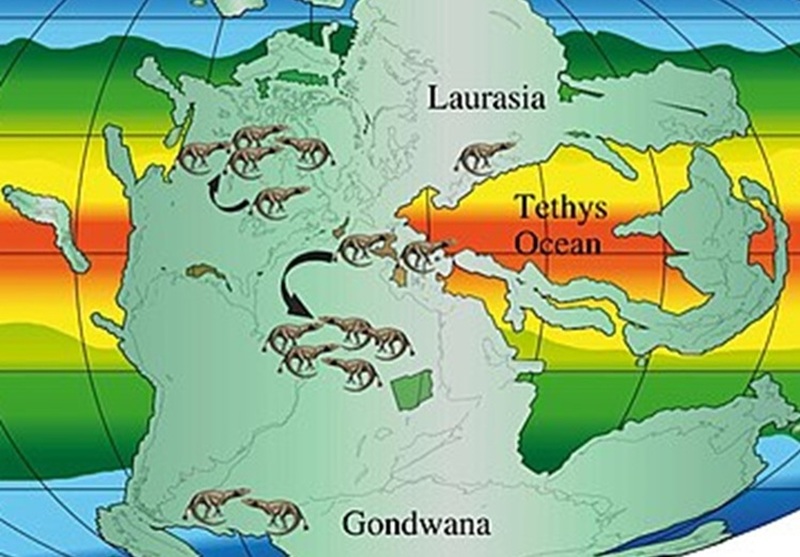
Supercontinents and Dinosaurs: How Pangaea Shaped Evolution

The story of Earth’s ancient supercontinent, Pangaea, and the dinosaurs that roamed its vast, connected landmass is a fascinating chapter in our planet’s history. Approximately 335 million years ago, Earth’s continents began a slow migration toward one another, eventually creating a single landmass that would dramatically influence the course of evolution. This continental congregation set ...

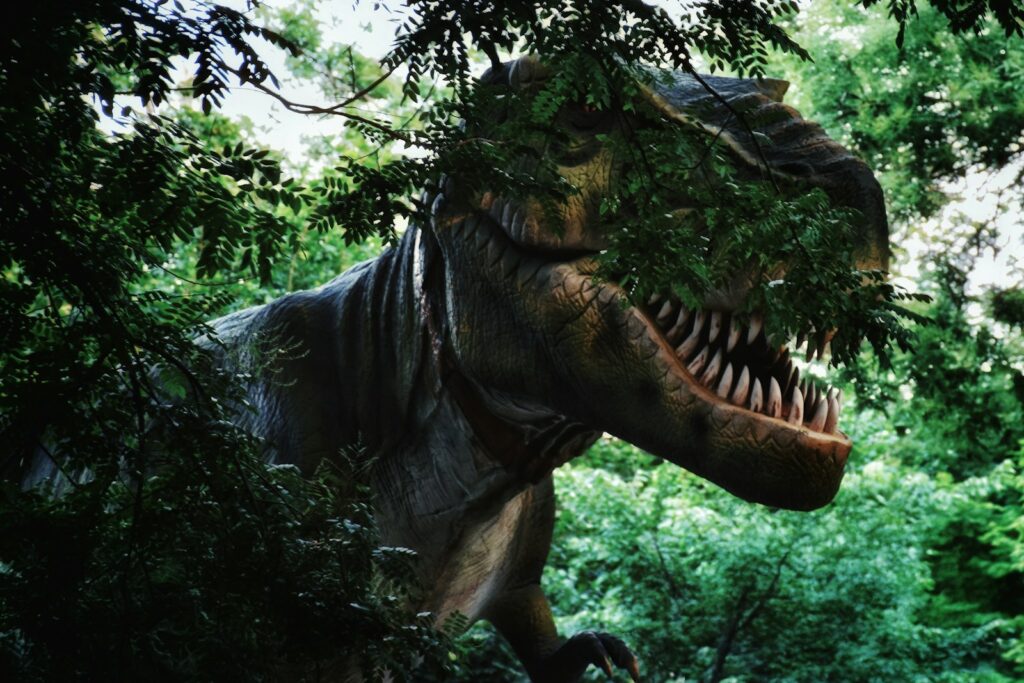
A tyrannosaurus rex lurks within lush foliage

Could a T-Rex Really Outrun a Jeep

In one of cinema’s most memorable chase scenes, a Tyrannosaurus rex pursues a Jeep through the dense jungle of Isla Nublar in Steven Spielberg’s “Jurassic Park.” This thrilling sequence has left generations of viewers wondering: could this prehistoric predator really keep pace with a modern vehicle? The question touches on fascinating aspects of paleontology, biomechanics, ...

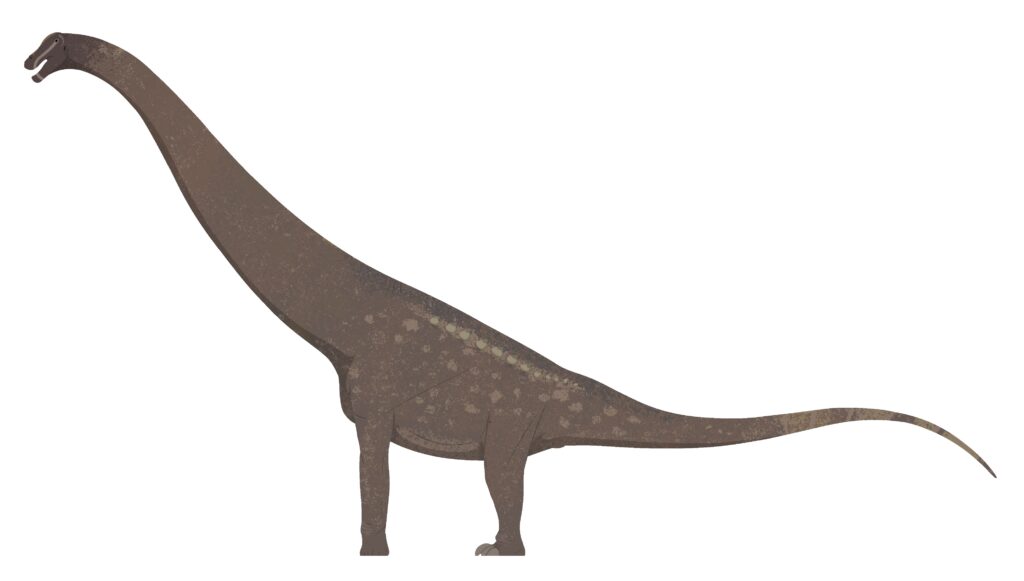
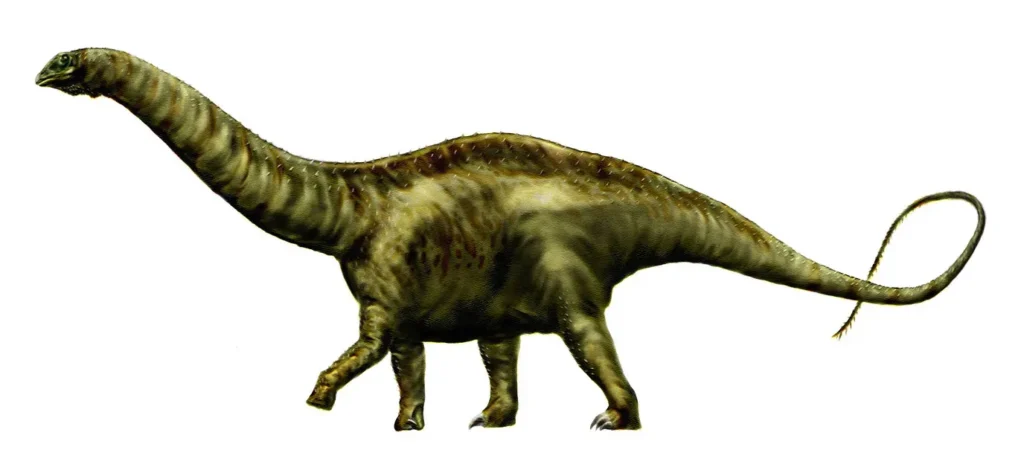
Illustration of a brown, long-necked dinosaur, likely a sauropod, with a small head and long tail against a white background. The tone is neutral and educational.

How Dinosaurs Survived Harsh Weather Conditions

Dinosaurs dominated Earth for approximately 165 million years through multiple climate shifts, extreme weather events, and changing environments. Their remarkable adaptability allowed them to thrive across various landscapes and weather conditions that would challenge even modern animals. From scorching deserts to frigid polar regions, dinosaurs evolved ingenious physiological and behavioral adaptations that enabled their long ...

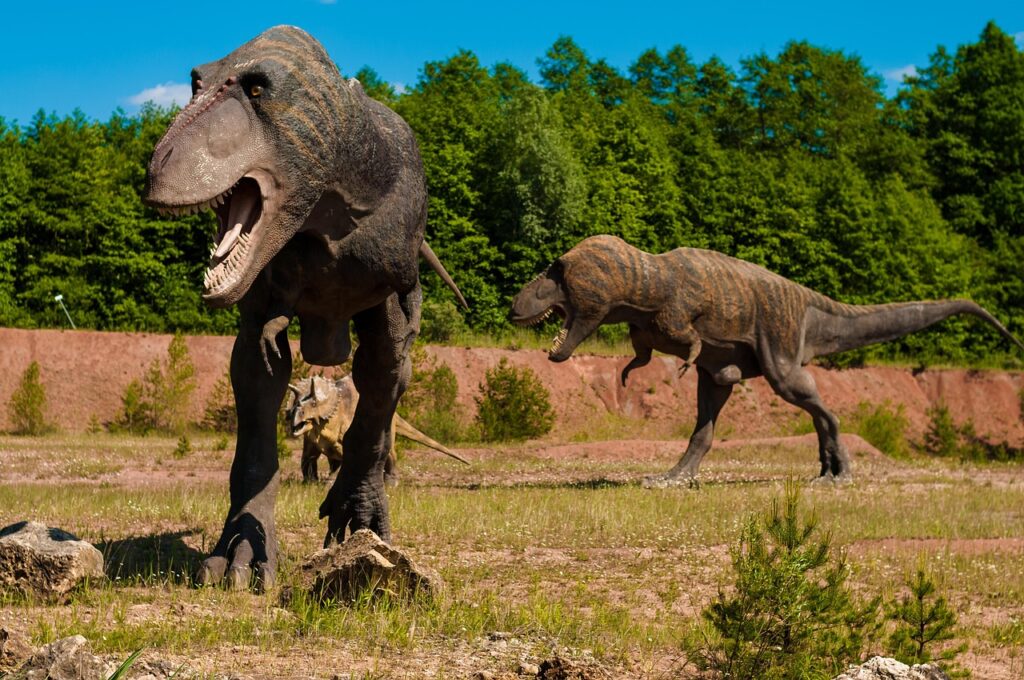
Illustration of Daspletosaurus, a large theropod dinosaur, depicted in a dynamic pose with detailed skin texture and sharp teeth.

Were Dinosaurs Warm-Blooded? New Evidence Suggests Yes

The question of whether dinosaurs were warm-blooded or cold-blooded has fascinated paleontologists for decades. Recent scientific discoveries have dramatically shifted our understanding of these magnificent prehistoric creatures, suggesting that many dinosaurs may indeed have been endothermic (warm-blooded) rather than ectothermic (cold-blooded) as traditionally believed. This revelation fundamentally changes our perception of how dinosaurs lived, moved, ...

Did Dinosaurs Hunt in Packs?

Did Dinosaurs Hunt in Packs?

Ever wonder whether the mighty dinosaurs that once roamed Earth worked together like wolves? The question of pack ing among these prehistoric giants has captured imaginations ever since Jurassic Park showed us clever raptors coordinating attacks. Yet the truth behind dinosaur behavior remains far more complex and contentious than Hollywood would have us believe. The ...

Mammals That Lived in the Shadow of the Dinosaurs

The Mammals That Lived in the Shadow of the Dinosaurs

While dinosaurs dominated the landscapes of the Mesozoic Era for over 165 million years, a diverse group of small, mostly nocturnal creatures was evolving alongside them – the early mammals. These resourceful animals survived in ecological niches that dinosaurs couldn’t exploit, developing adaptations that would eventually help them inherit the Earth after the dinosaur extinction. ...

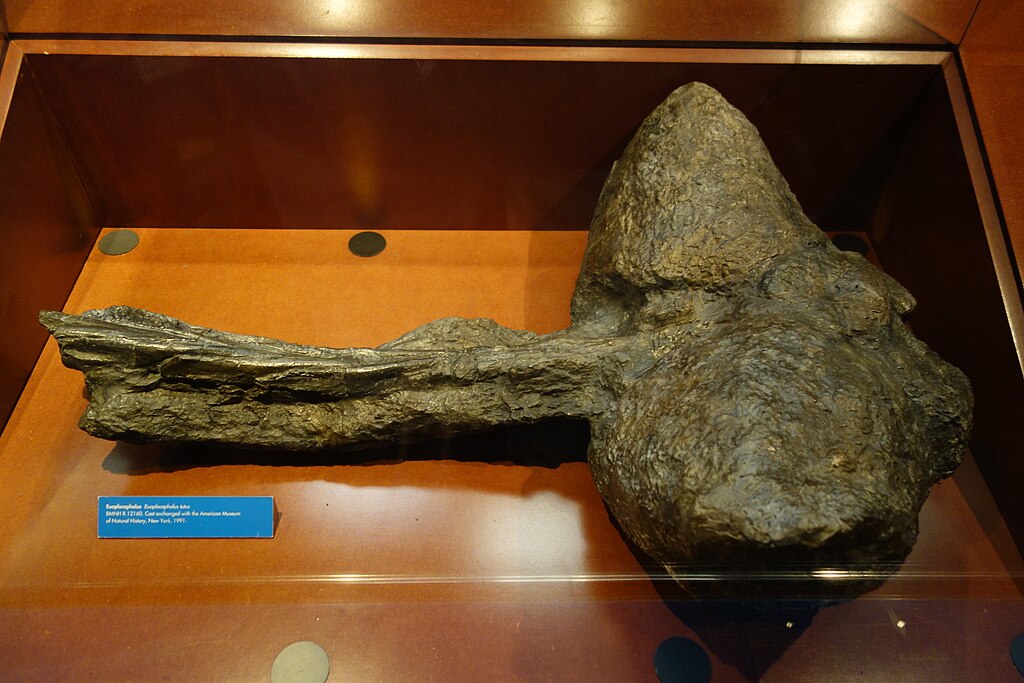
Euoplocephalus tutus, cast exchanged with American Museum of Natural History

How Dinosaur Discoveries Helped Birth Modern Evolutionary Thought

The emergence of dinosaur fossils from Earth’s ancient layers did more than just reveal extinct reptiles—it fundamentally transformed human understanding of life’s history. When the first dinosaur bones were scientifically described in the early 19th century, they entered a world grappling with competing explanations for Earth’s diversity. These incredible discoveries—massive bones of creatures unlike any ...

Sinosauropteryx The First Feathered Dinosaur Discovery

6 Dinosaurs With Unexpected Color Patterns

When we think of dinosaurs, most of us conjure images based on films or conventional museum displays showing creatures with gray, brown, or green skin. However, recent scientific breakthroughs in paleontology have revealed that dinosaurs were far more colorful than previously thought. Using advanced techniques like analyzing fossilized melanosomes (pigment-containing organelles) and comparing dinosaur features ...