Articles for category: Dinosaur Science & Theories

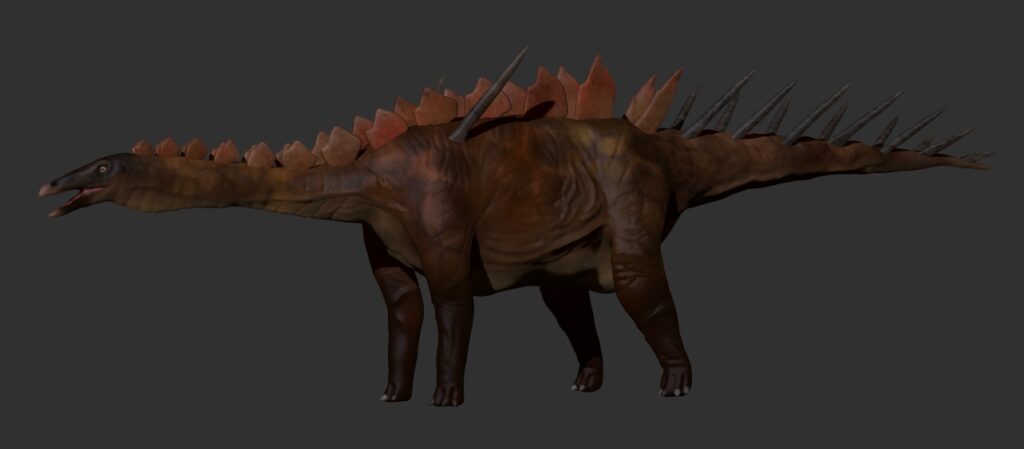
A digital rendering of a stegosaurus-like dinosaur with reddish-brown skin, large plates on its back, and sharp spikes on its tail, set against a dark background.

The Dinosaur That Looked Like a Porcupine

When we think of dinosaurs, we often imagine scaly giants with razor-sharp teeth or massive herbivores with long necks. However, the dinosaur world was incredibly diverse, and some species developed truly remarkable adaptations. Among these unusual prehistoric creatures was a group of dinosaurs that evolved defensive features remarkably similar to modern porcupines. These dinosaurs, primarily ...
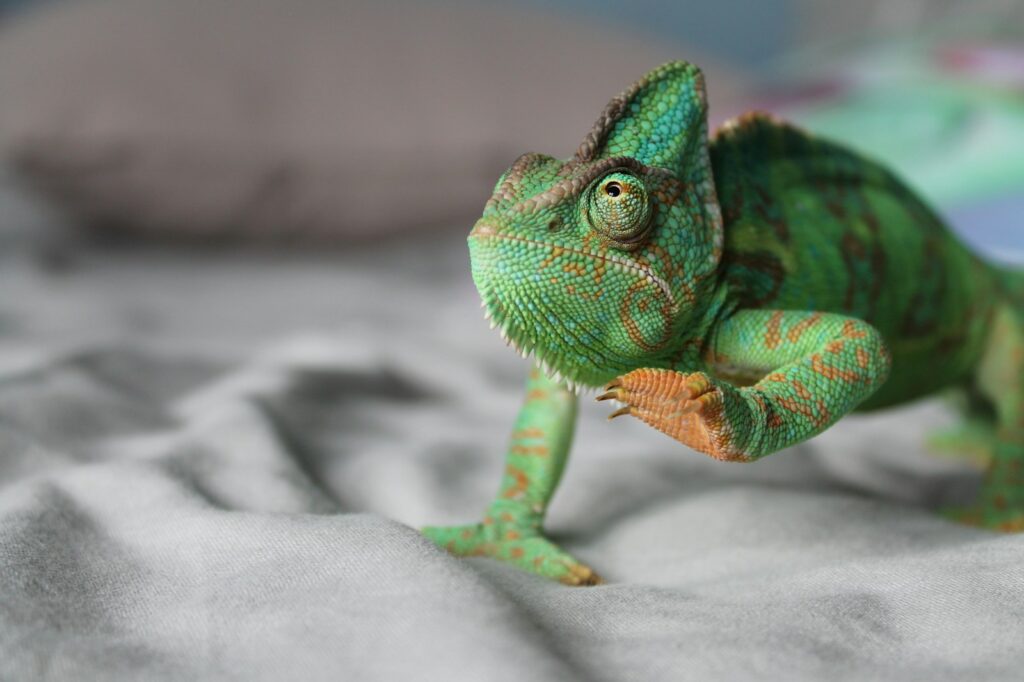
green chameleon lifting left leg

Could Dinosaurs Change Color Like Chameleons?

The ability of chameleons to change their skin color has fascinated humans for centuries. These remarkable reptiles can shift their hues to communicate, regulate body temperature, and camouflage themselves from predators. Given that dinosaurs were also reptiles, albeit often much larger ones, a natural question arises: could dinosaurs change color like chameleons? Recent paleontological discoveries ...

Dinosaurs Had Feathers

How Do We Know Dinosaurs Had Feathers

The image of dinosaurs has undergone a remarkable transformation in recent decades. Once depicted as scaly, lizard-like creatures, many dinosaurs are now known to have sported colorful feathers, challenging our traditional perceptions. This revelation ranks among paleontology’s most significant discoveries, fundamentally altering our understanding of these ancient creatures and their relationship to modern birds. The ...

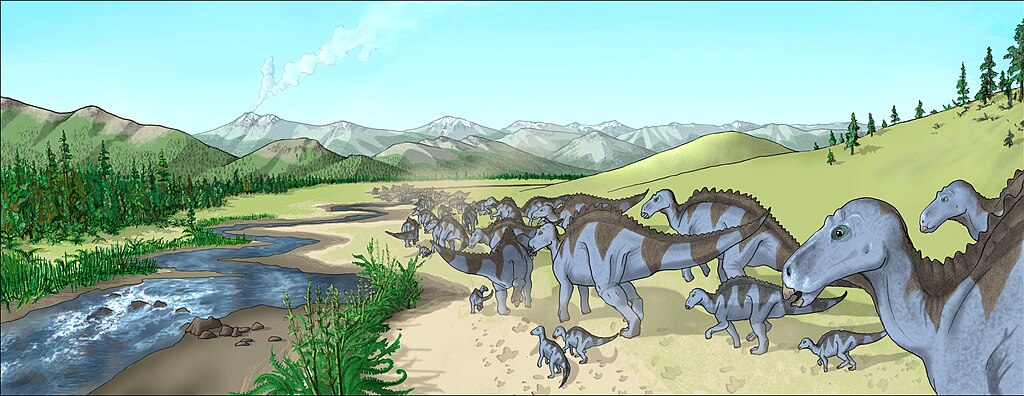
Maiasaura herd

What We Know About Dinosaur Herd Behavior

Dinosaurs, the magnificent creatures that dominated Earth for over 160 million years, have long captured our imagination. While popular media often portrays them as solitary hunters or mindless beasts, paleontological evidence increasingly suggests that many dinosaur species exhibited complex social behaviors, particularly herding. Through careful analysis of fossils, trackways, nesting sites, and comparative studies with ...

Fossils are nature’s time machines

8 Perfectly Preserved Dinosaurs Found in the Fossil Record

While most dinosaur fossils consist only of mineralized bones, occasionally paleontologists discover specimens with preserved soft tissues, skin impressions, or even intact internal structures. These exceptional fossils offer unprecedented insights into dinosaur anatomy, coloration, and behavior that skeletal remains alone cannot provide. The following eight examples represent some of the most remarkably preserved dinosaur specimens ...

6 Dinosaur Skulls That Shocked Scientists

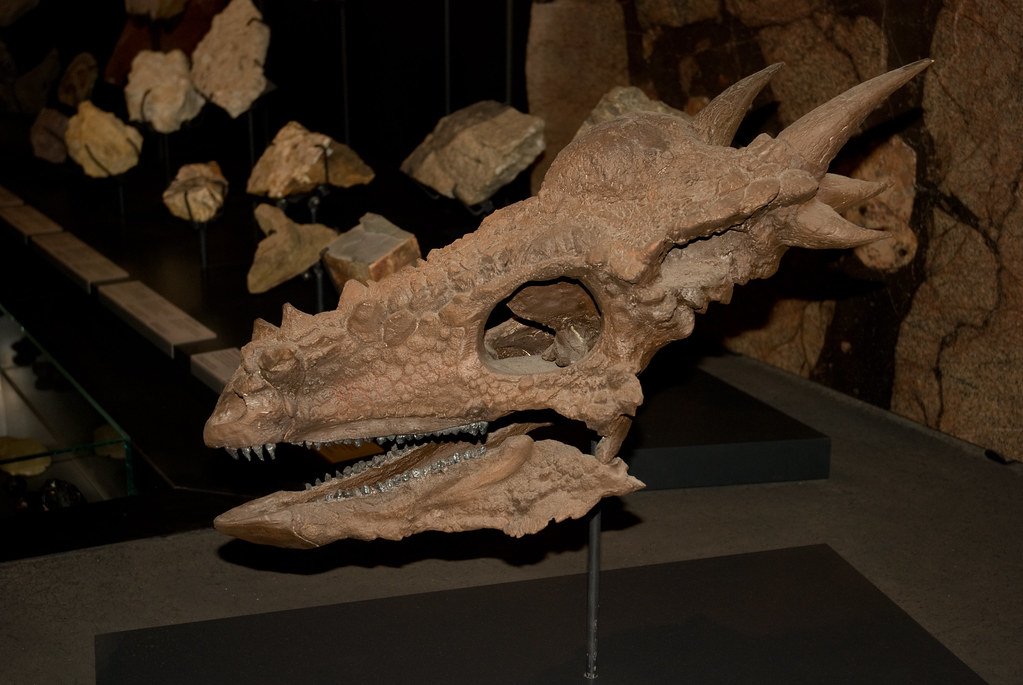
6 Dinosaur Skulls That Shocked Scientists

When paleontologists crack open rocks and uncover prehistoric treasures, they usually expect broken fragments and partial remains. What they don’t expect are discoveries that flip entire scientific theories upside down. These remarkable skull finds have done exactly that, challenging everything we thought we knew about dinosaur evolution and behavior. From ancient giants with bowling ball-thick ...

The Man Who Introduced T. rex to Science

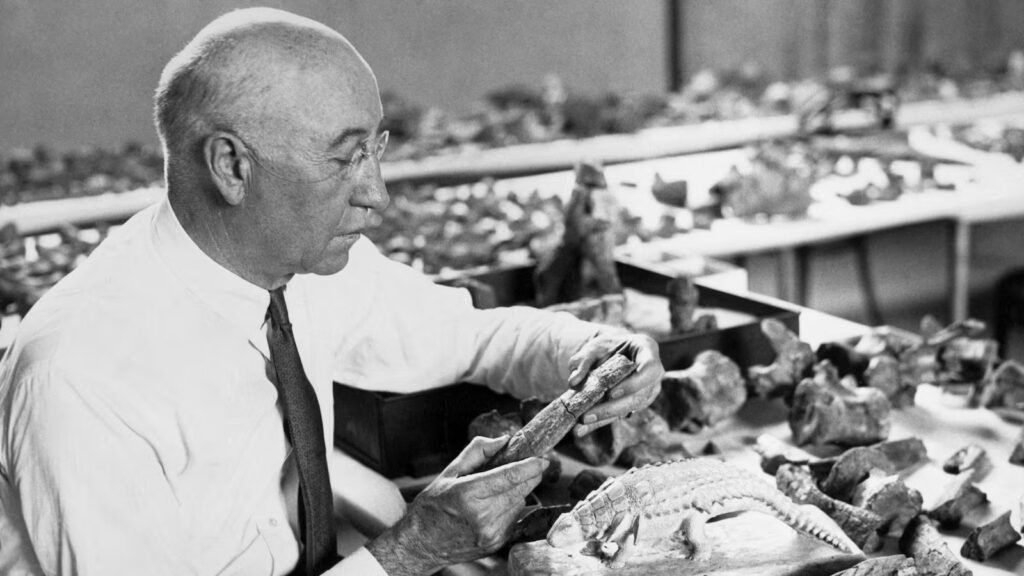
Barnum Brown The Cowboy Hatted Explorer Who Discovered T-Rex

In the annals of paleontology, few figures stand as tall as Barnum Brown, the legendary fossil hunter whose discoveries revolutionized our understanding of prehistoric life. Sporting his signature cowboy hat across remote badlands and treacherous cliffs, Brown unearthed some of the most important dinosaur specimens ever found, including the first Tyrannosaurus rex. His remarkable career ...

How Dinosaurs Used Their Tails

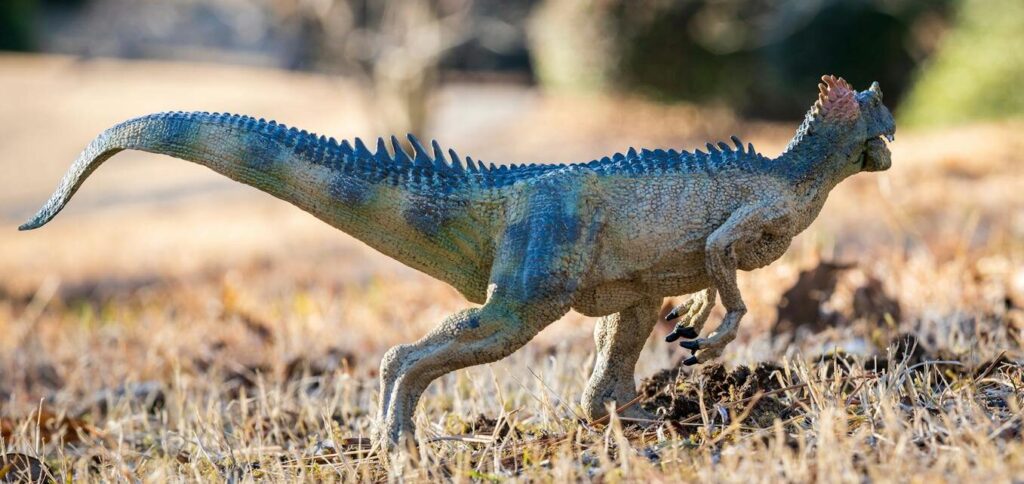
How Dinosaurs Used Their Tails Balance or Defense

Dinosaurs, those magnificent beasts that ruled Earth for over 165 million years, possessed anatomical features that continue to fascinate scientists and the public alike. Among their most distinctive characteristics were their tails—appendages that served multiple crucial functions throughout their evolutionary history. While popular culture often depicts dinosaur tails simply dragging behind these ancient creatures, paleontological ...

Dinosaurs Grow So Big

How Did Some Dinosaurs Grow So Big Without Breaking Their Bones

The massive dinosaurs that once roamed our planet continue to captivate our imagination. Creatures like the 85-foot-long Brachiosaurus and the 65-ton Argentinosaurus dwarf even our largest modern land animals. These prehistoric giants achieved sizes that defy the physical constraints we observe in today’s wildlife. Their immense proportions raise fascinating questions about the biological adaptations that ...

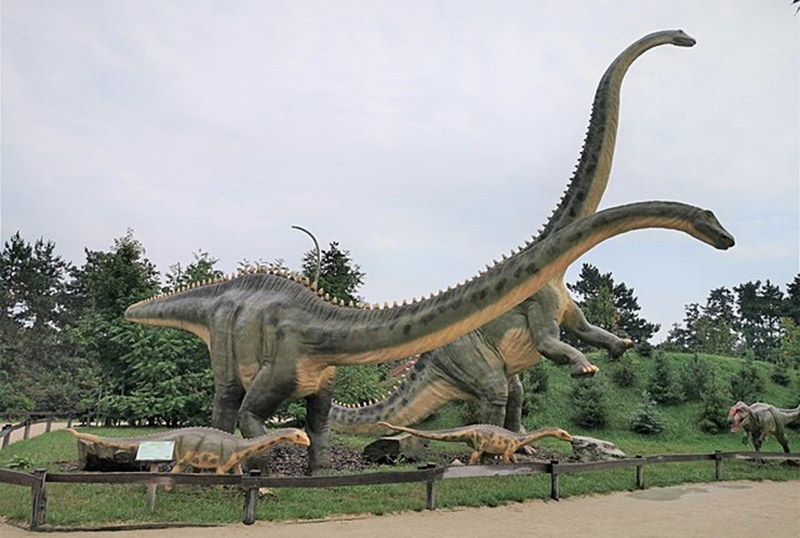
Diplodocus The Whip-Tailed Wonder of the Jurassic

Diplodocus The Whip Tailed Wonder of the Jurassic

In the vast panorama of prehistoric life, few creatures have captured our imagination quite like Diplodocus. This iconic sauropod dinosaur, with its impossibly long neck and whip-like tail, roamed the landscapes of what is now North America during the Late Jurassic period, approximately 155 to 145 million years ago. As one of the most completely ...