Articles for category: Dinosaur Science & Theories

Dinosaurs in a Warmer World

When Antarctica Was a Rainforest Dinosaurs in a Warmer World

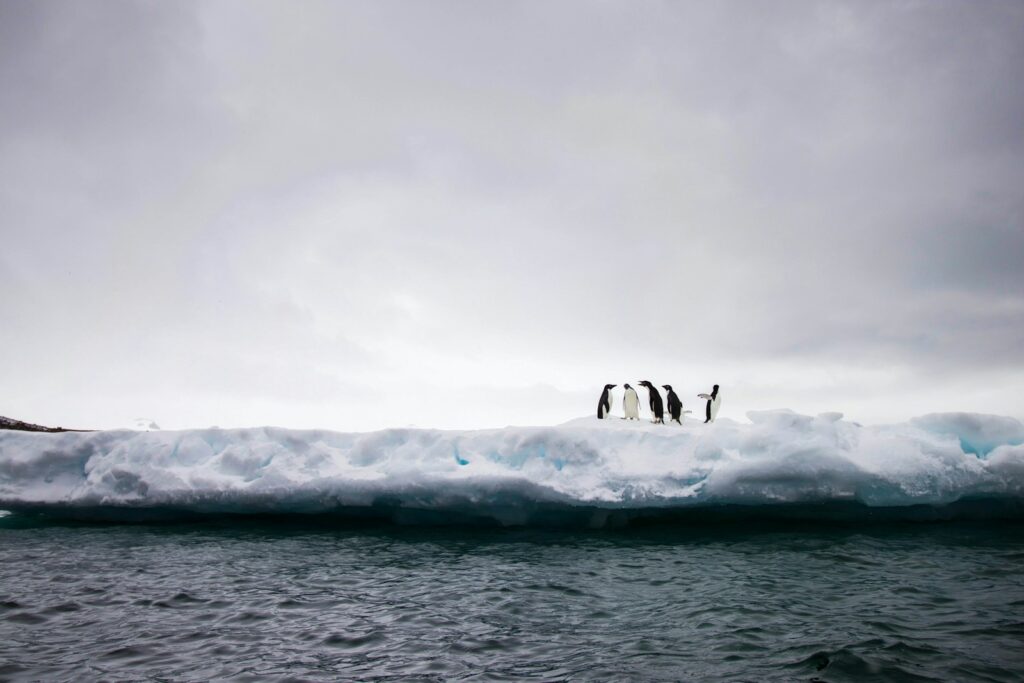
Today, Antarctica is Earth’s coldest, windiest, and most desolate continent—a frozen wilderness where only specialized organisms survive. Yet beneath its ice sheets lies evidence of a dramatically different past. Roughly 90 million years ago, during the mid-Cretaceous period, Antarctica was located in the same position but experienced a climate so warm that rainforests flourished and ...
9 Times Paleontologists Got It Wrong

9 Times Paleontologists Got It Wrong

The world of paleontology is like putting together a jigsaw puzzle where most pieces are missing and you have no picture on the box to guide you. Scientists work with fragments of bone weathered by millions of years, trying to piece together creatures so alien that they challenge our understanding of life itself. Sometimes brilliant ...

A lifelike T-Rex model stands menacingly in a misty forest, showing sharp teeth and detailed scales. Tall green trees surround, adding a prehistoric feel.

What Is the Difference Between Theropods, Sauropods, and Ornithopods?

When we think of dinosaurs, most of us conjure images of massive, long-necked creatures grazing on treetops, fierce predators with razor-sharp teeth, or peculiar herbivores with beaks and frills. These mental images represent three major groups of dinosaurs that dominated the Mesozoic Era: theropods, sauropods, and ornithopods. Each group evolved distinct anatomical features, dietary preferences, ...

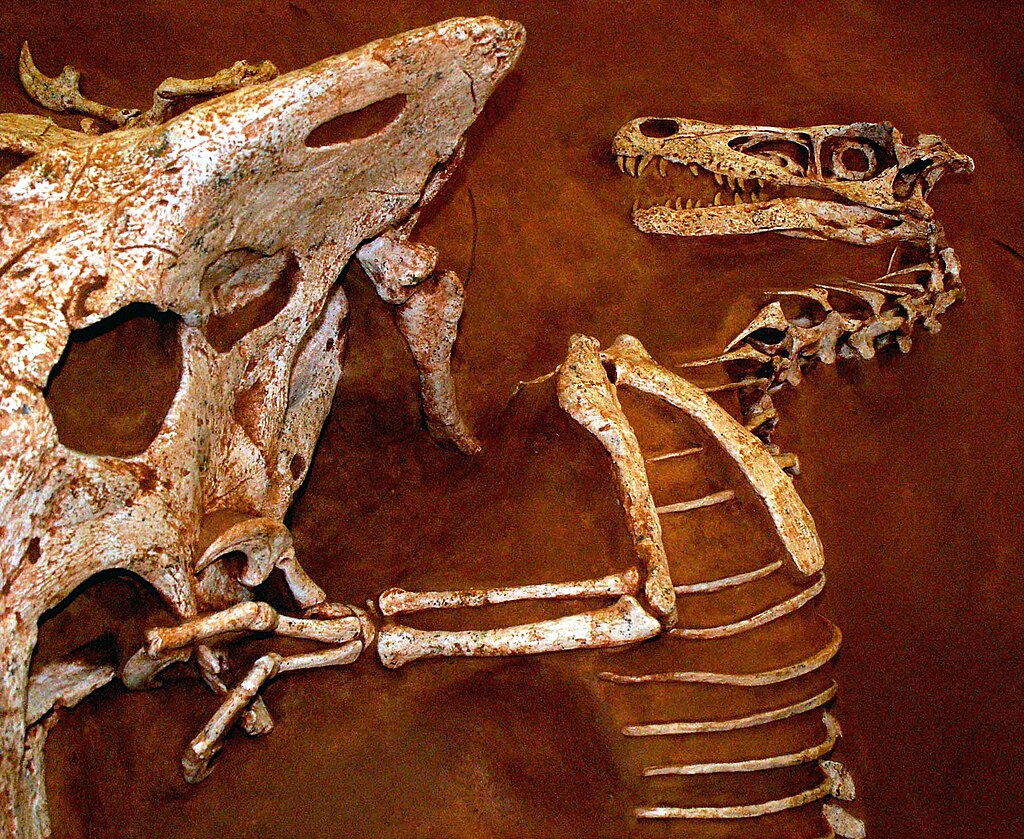
Velociraptor and Protoceratops - Fighting dinosaurs

Faith, Fossils, and Fear: How the Church Responded to Extinction

When early naturalists began uncovering strange bones in the earth during the 17th and 18th centuries, they unwittingly sparked a theological crisis. These mysterious remains didn’t match any known living creatures, raising uncomfortable questions: Could God’s perfect creation include animals that no longer existed? The concept of extinction challenged long-held religious beliefs about divine purpose ...

The Prehistoric Craze

The Prehistoric Craze Fossil Fever in the Victorian Age

In the shadow of smokestacks and amid the clatter of industrial machinery, Victorian Britain found itself captivated by an unlikely obsession: prehistoric creatures embedded in stone. The 19th century witnessed an extraordinary phenomenon known as “fossil fever” – a cultural obsession with paleontological discoveries that transformed how humans understood Earth’s history. This scientific revolution coincided ...

An artist's rendition of 2016 WF9 as it passes Jupiter's orbit inbound toward the sun

Could Any Dinosaurs Have Survived the Asteroid?

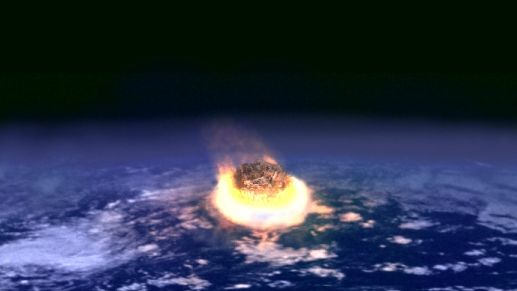
Approximately 66 million years ago, an asteroid estimated to be about 10-15 kilometers in diameter slammed into what is now the Yucatán Peninsula in Mexico, creating the Chicxulub crater and triggering one of Earth’s most devastating mass extinction events. This cataclysmic impact wiped out approximately 75% of all species on our planet, including the non-avian ...

Dinosaurs Were Warm-Blooded

The Theory That Dinosaurs Were Warm-Blooded Does It Hold Up

For over a century, paleontologists have debated the metabolic nature of dinosaurs. Were these magnificent creatures cold-blooded like modern reptiles or warm-blooded like birds and mammals? The traditional view portrayed dinosaurs as sluggish, cold-blooded reptiles, but this perspective has been increasingly challenged by new evidence suggesting that many dinosaur species may have been warm-blooded or ...

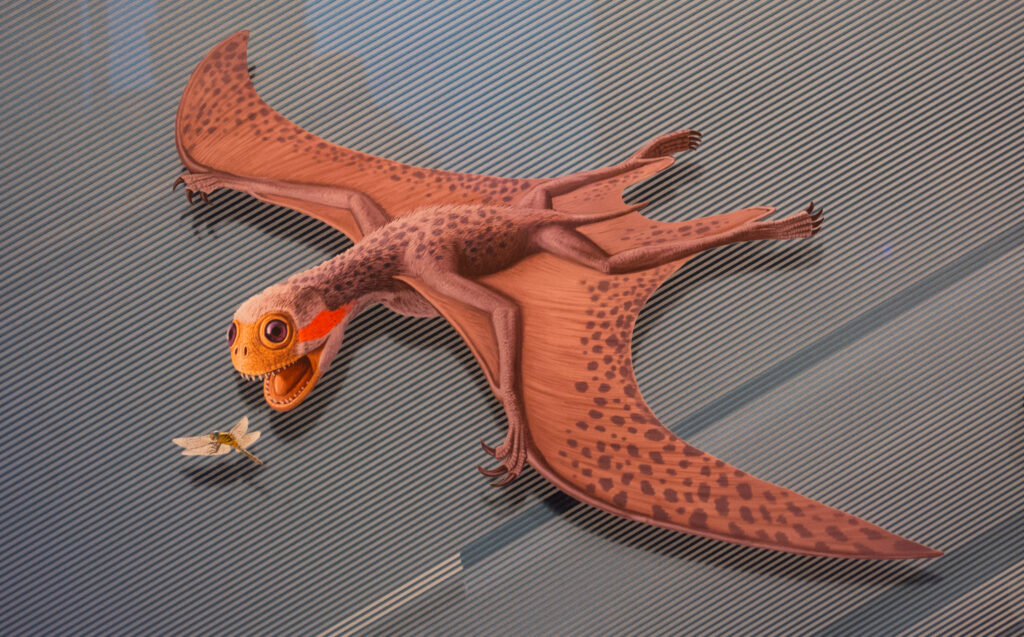
Illustration of a pterosaur with large eyes and an open mouth, flying toward a dragonfly. Its wings are outstretched, showing a dotted pattern.

Flying Titans: Quetzalcoatlus vs. Pteranodon

The prehistoric skies were once dominated by creatures that would astound us today – magnificent flying reptiles that soared above dinosaurs, with wingspans rivaling small aircraft. Among these aerial giants, Quetzalcoatlus and Pteranodon stand out as iconic representatives of the pterosaur lineage. Though often confused in popular media, these two pterosaurs differed dramatically in size, ...

The Meteor That Changed Everything

The Meteor That Changed Everything

Sixty-six million years ago, our planet experienced a moment that fundamentally altered the course of life on Earth. Picture this: giant reptiles ruled the land, the climate was warm and humid, and flowering plants had just begun to flourish. Then, in a single catastrophic instant, changed. The story begins with a space rock, roughly ten ...

Fossil evidence indicates dinosaurs were continuously adapting and evolving

What If Dinosaurs Had Never Gone Extinct Alternate Evolution Theories

Imagine a world where the Chicxulub asteroid never struck Earth 66 million years ago. The dinosaurs that dominated our planet for over 165 million years would have continued their evolutionary journey, potentially altering the course of life on Earth dramatically. This fascinating counterfactual scenario has captivated scientists, paleontologists, and science fiction enthusiasts alike. What creatures ...