Articles for category: Dinosaur Science & Theories

What Incredible Evolutionary Dead Ends Occurred During the Mesozoic Era?

What Incredible Evolutionary Dead Ends Occurred During the Mesozoic Era?

You’ve probably heard about the dinosaurs, those mighty creatures that stomped across prehistoric Earth for millions of years. Everyone knows they vanished in a catastrophic extinction event. Yet that’s just the tip of the iceberg when it comes to evolutionary experiments that went sideways during the Mesozoic Era. Between roughly 252 and 66 million years ...

Did Sauropods Truly Migrate Thousands of Miles Across Pangea's Vast Landscapes?

Did Sauropods Truly Migrate Thousands of Miles Across Pangea’s Vast Landscapes?

Picture this. Gigantic creatures with necks stretching toward the sky, walking for decades across a land so vast it defies imagination. The question of whether sauropods migrated thousands of miles across Pangea has captivated paleontologists for years. These weren’t your average road trips, these were journeys spanning what would later become continents. What’s fascinating is ...

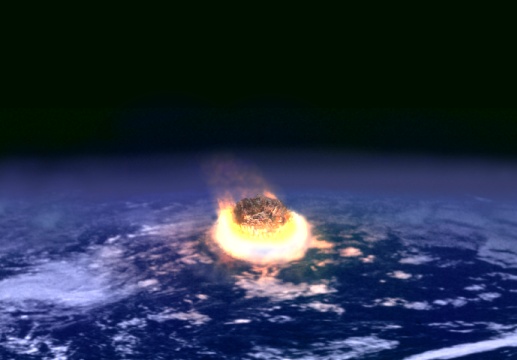
The Could Dinosaurs Have Survived Without the Asteroid?

The Could Dinosaurs Have Survived Without the Asteroid?

Imagine waking up tomorrow morning and stepping outside to see a massive Tyrannosaurus rex prowling through your neighborhood. Picture herds of gentle Triceratops munching on grass in nearby parks while pterodactyls soar overhead. This wild scenario might seem absurd, but it forces us to confront one of paleontology’s most fascinating questions: what would have happened ...

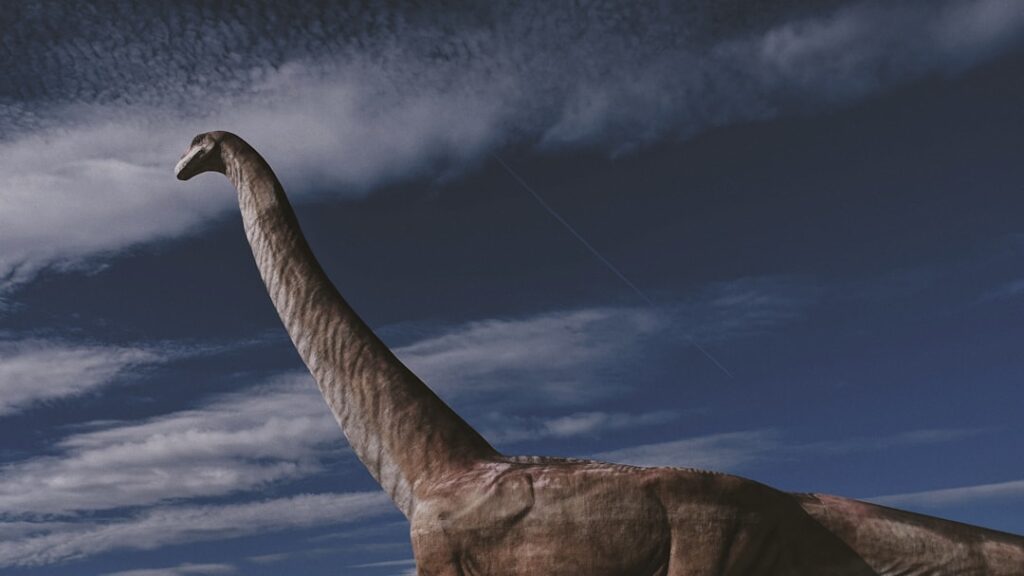
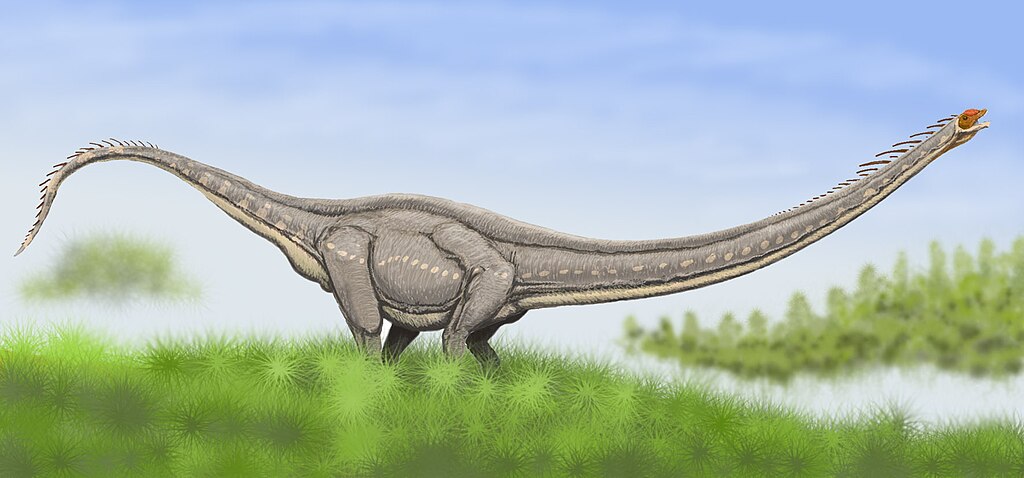
Stretching the limits sauropods like Mamenchisaurus wielded necks longer than a school bus, redefining the possible in prehistoric proportions.

The Myth That Dinosaurs Were Dumb — Debunked

For decades, popular culture has portrayed dinosaurs as lumbering, pea-brained beasts doomed to extinction by their stupidity. Films, cartoons, and outdated textbooks reinforced this image of dinosaurs as evolutionary failures—creatures with walnut-sized brains controlling enormous bodies. However, modern paleontology tells a dramatically different story. Far from being unintelligent evolutionary dead ends, dinosaurs were complex creatures ...

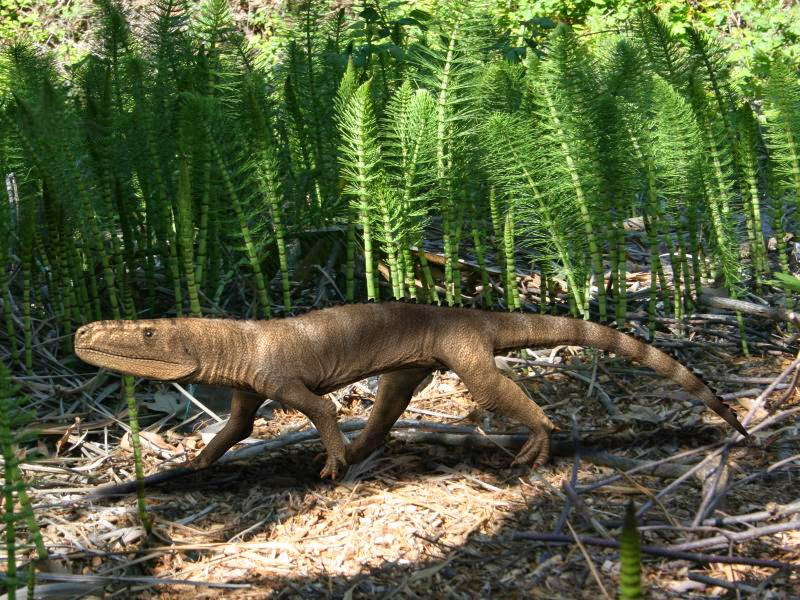
Euparkeria NT small

Why Dinosaurs Weren’t All Huge and Terrifying

When we hear the word “dinosaur,” many of us immediately picture massive, roaring creatures with razor-sharp teeth and thunderous footsteps that shook the ground. Popular culture, from movies like Jurassic Park to children’s books, has reinforced this image of dinosaurs as uniformly gigantic and frightening. However, paleontological evidence tells a far more nuanced and fascinating ...

A colorful dinosaur statue with an open mouth stands amidst lush greenery and tall trees in a forest setting, creating a playful, lively scene.

Could Dinosaurs Have Used Venom to Hunt?

For generations, our understanding of dinosaurs has been continuously evolving. From slow, lumbering beasts to agile predators, our perception of these ancient creatures transforms with each new scientific discovery. Among the most intriguing recent questions in paleontology is whether some dinosaurs might have utilized venom as a hunting strategy. This fascinating possibility challenges our conventional ...

Illustration of a Pterosaur perched on a rocky terrain. It features long wings, a pointed beak, and is set against a rugged, stone background.

The Evolution of Bird Beaks From Raptors to Parakeets

Bird beaks, also known as bills, represent one of nature’s most remarkable examples of adaptive evolution. These specialized structures have diversified into an astonishing array of shapes and sizes, each finely tuned to a specific ecological niche. From the powerful curved beaks of eagles capable of tearing flesh to the delicate curved bills of hummingbirds ...