Articles for category: Dinosaur Science & Theories

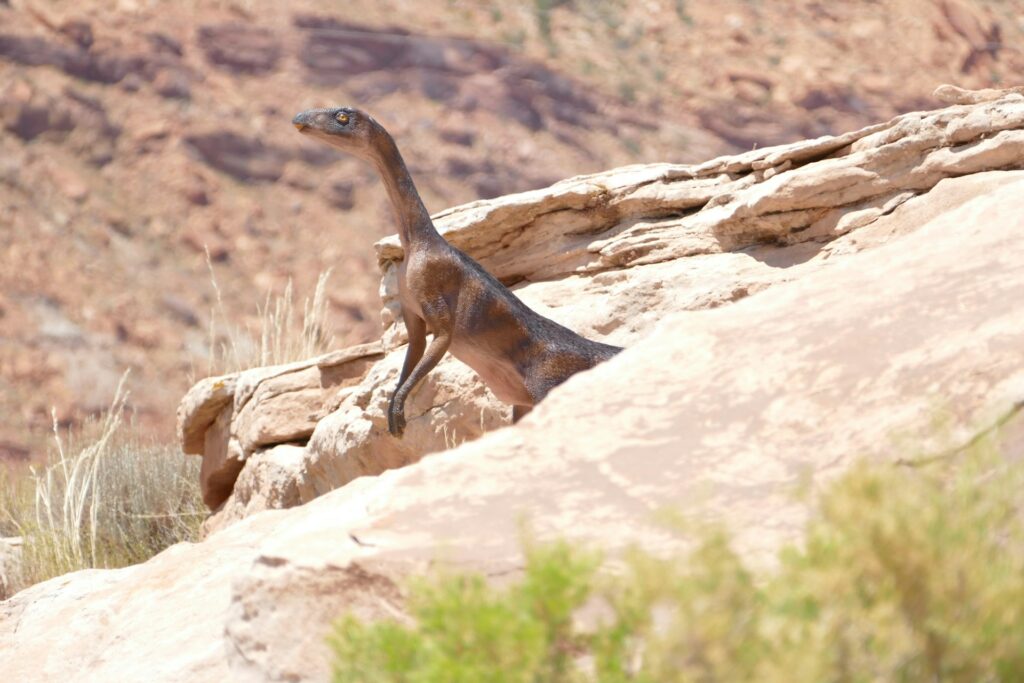
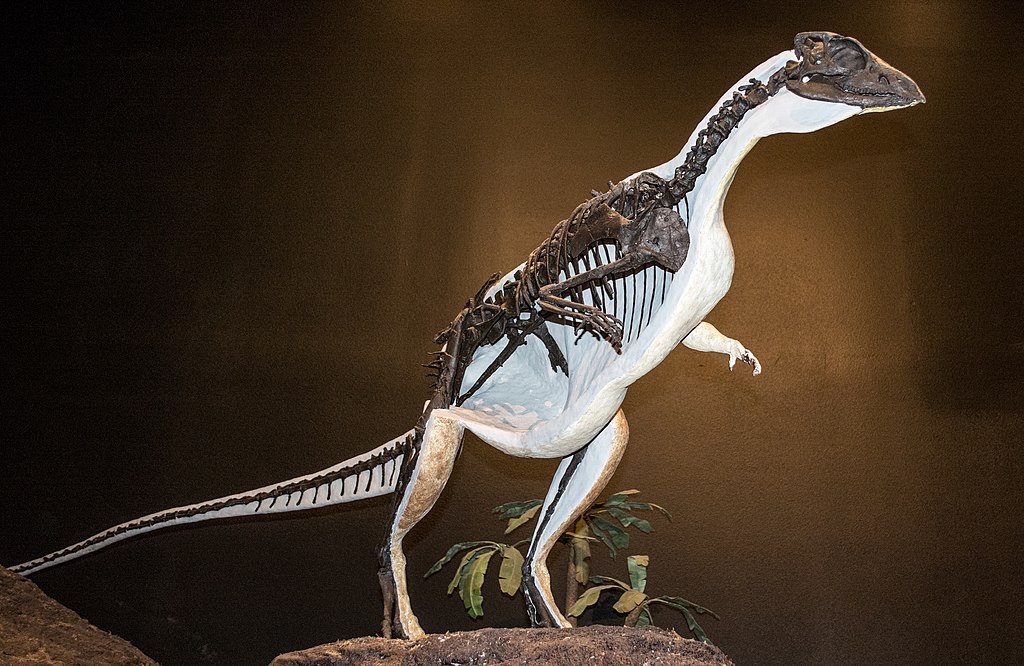
Oryctodromeus cubicularis - Museum of the Rockies

The Fossil Whisperer How Thomas Carr Is Decoding Tyrannosaur Evolution

Deep in the laboratories of paleontology, where ancient bones tell stories of Earth’s distant past, few researchers have dedicated themselves as thoroughly to understanding a single group of prehistoric creatures as Dr. Thomas Carr. For decades, Carr has been meticulously examining tyrannosaur fossils, piecing together the evolutionary history of these iconic predators with remarkable precision ...


A colorful dinosaur statue with an open mouth stands amidst lush greenery and tall trees in a forest setting, creating a playful, lively scene.

Did Dinosaurs Migrate Seasonally Across Continents?

The question of whether dinosaurs migrated seasonally across continents represents one of paleontology’s most fascinating debates. While modern animals like birds and mammals undertake impressive migrations to follow food sources or find suitable breeding grounds, determining whether their distant dinosaur relatives engaged in similar behaviors presents significant scientific challenges. Recent fossil discoveries, advanced research techniques, ...

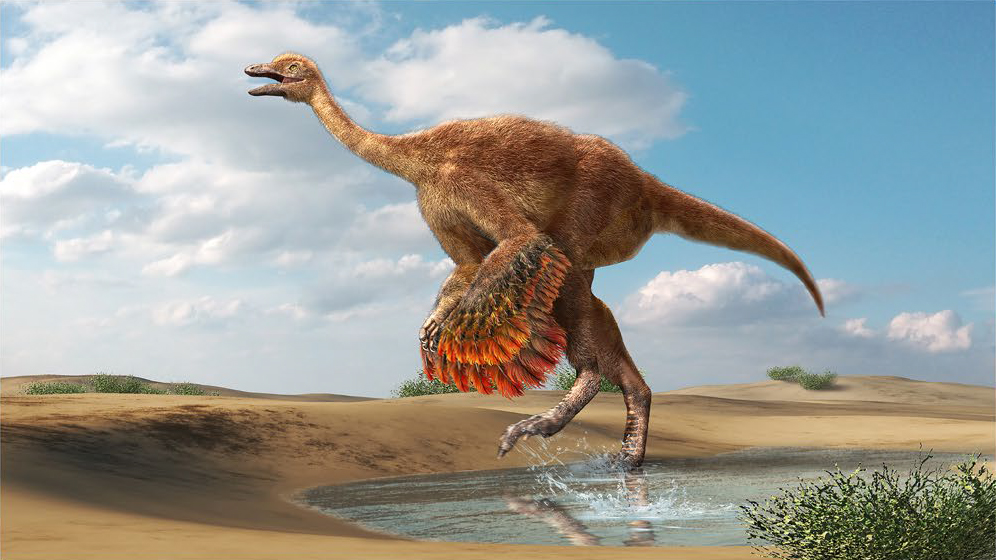
Restoration drawing of Aepyornithomimus tugrikinensis

Could Some Extinct Birds Like the Terror Birds Be Considered Dinosaur Successors?

When the asteroid struck Earth 66 million years ago, it marked the end of the non-avian dinosaurs but opened evolutionary pathways for survivors. Among these survivors, birds—the direct descendants of theropod dinosaurs—would diversify into countless forms. Some of these evolutionary experiments produced giants like the terror birds (Phorusrhacids) that dominated South American landscapes for millions ...

The Late Jurassic ecosystem included fearsome predators

Were Some Dinosaurs Pack Hunters or Just Opportunists?

The hunting behaviors of dinosaurs have fascinated paleontologists and the public alike for generations. Among the most compelling questions is whether certain dinosaur species engaged in coordinated pack hunting, similar to modern wolves or lions, or if they were merely opportunistic feeders that gathered around carcasses. Recent fossil discoveries and advanced analytical techniques have begun ...

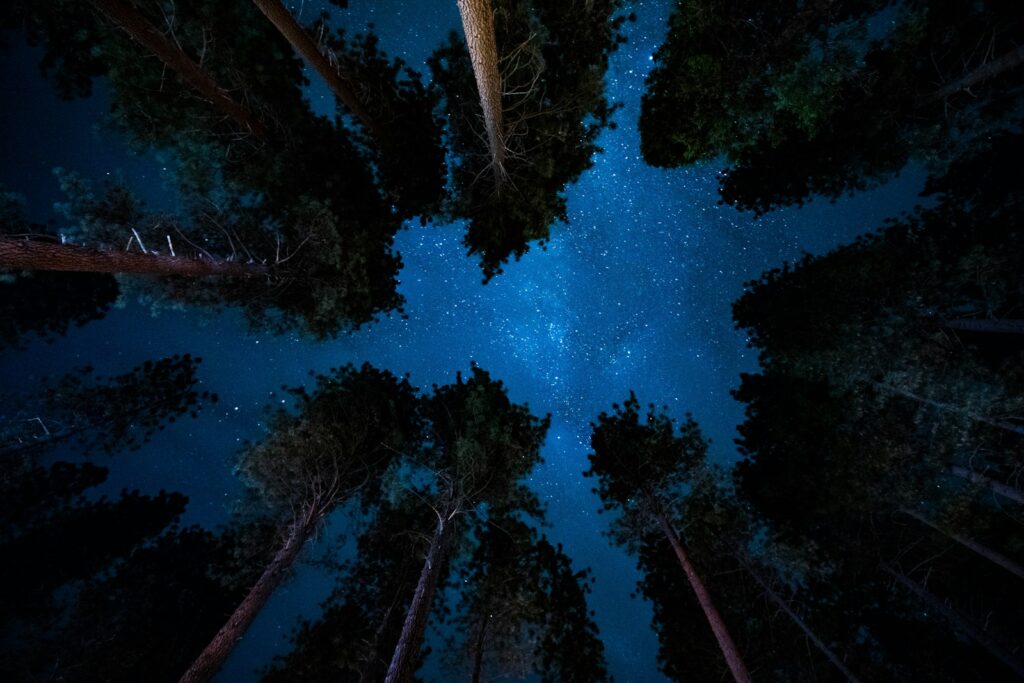
low angle photography of trees

New Research Suggests Dinosaurs May Have Glowed in the Dark

Recent discoveries in paleontology have sparked an extraordinary new hypothesis about dinosaurs that challenges our traditional understanding of these ancient creatures. Scientists are now exploring compelling evidence suggesting some dinosaur species may have possessed bioluminescent properties—essentially allowing them to glow in the dark. This revolutionary concept, once confined to the realm of science fiction, is ...

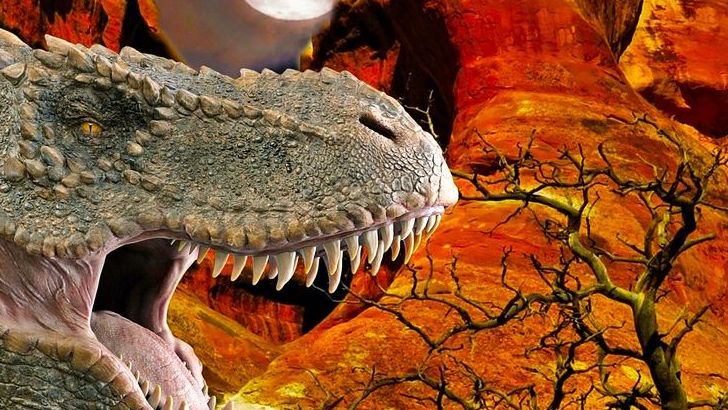
A close-up of a dinosaur statue with sharp, white teeth and textured, dark green skin. The open mouth and yellow eyes create an intense, lifelike appearance.

Could Dinosaurs Have Had Night Vision? The Science Behind Ancient Eyes

The question of dinosaur night vision sits at the fascinating intersection of paleontology, evolutionary biology, and comparative anatomy. For decades, scientists have wondered how dinosaurs perceived their world, particularly during periods of darkness. While we cannot directly observe the visual capabilities of creatures that disappeared 66 million years ago, modern scientific techniques and comparative studies ...

Komodo Dragon

What Is the Difference Between a Dinosaur and a Reptile?

The world of ancient and modern scaly creatures fascinates scientists and nature enthusiasts alike. While dinosaurs and reptiles share certain characteristics that might make them seem similar at first glance, they represent distinct biological categories with important differences. Many people incorrectly use the terms interchangeably, not realizing that while all dinosaurs were reptiles, not all ...

What the Moon Looked Like to the Dinosaurs

What the Moon Looked Like to the Dinosaurs

Picture yourself standing in a lush, steamy forest 100 million years ago, looking up at the night sky through towering ferns and cycads. The stars above might seem strangely unfamiliar, but there’s something even more striking about what hangs overhead. The moon shines down with a different presence entirely, casting its glow across a world ...

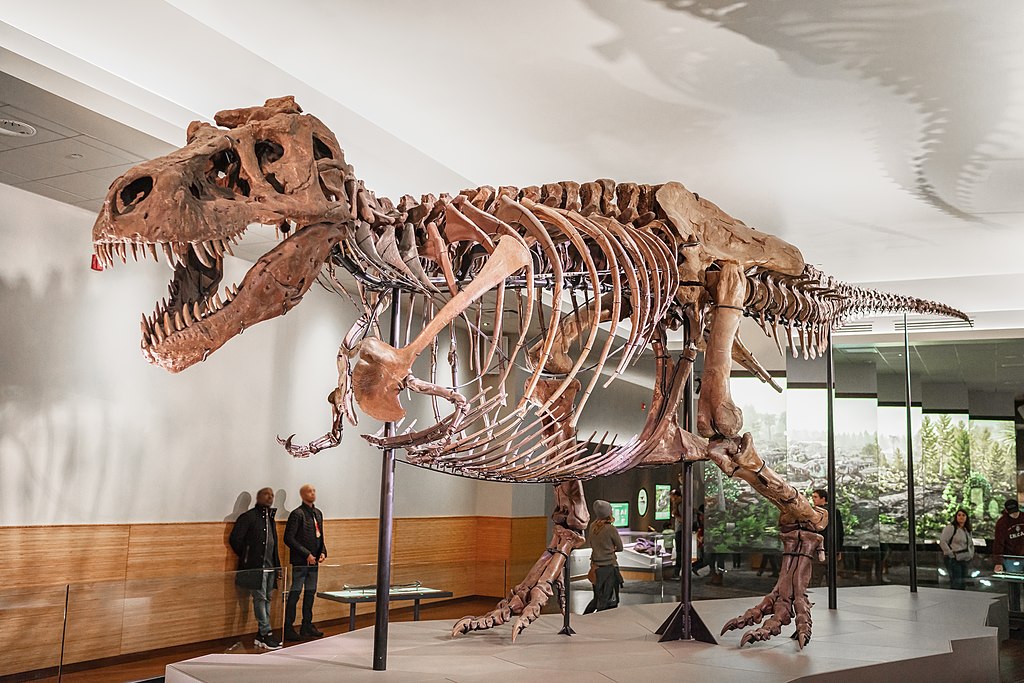
"Sue" the Tyrannosaurus rex in its new suite in the Evolving Planet exhibit hall at the Field Museum of Natural History, Chicago, Illinois, United States

Why Dont We Find Dinosaur Fossils Everywhere

Walking through a museum’s dinosaur exhibit, it’s easy to marvel at the massive skeletons that once roamed our planet. These impressive displays might lead one to wonder: if dinosaurs dominated Earth for over 165 million years and existed on every continent, why aren’t their remains found everywhere we dig? Despite their long reign and widespread ...