Articles for category: Fossils & Fieldwork

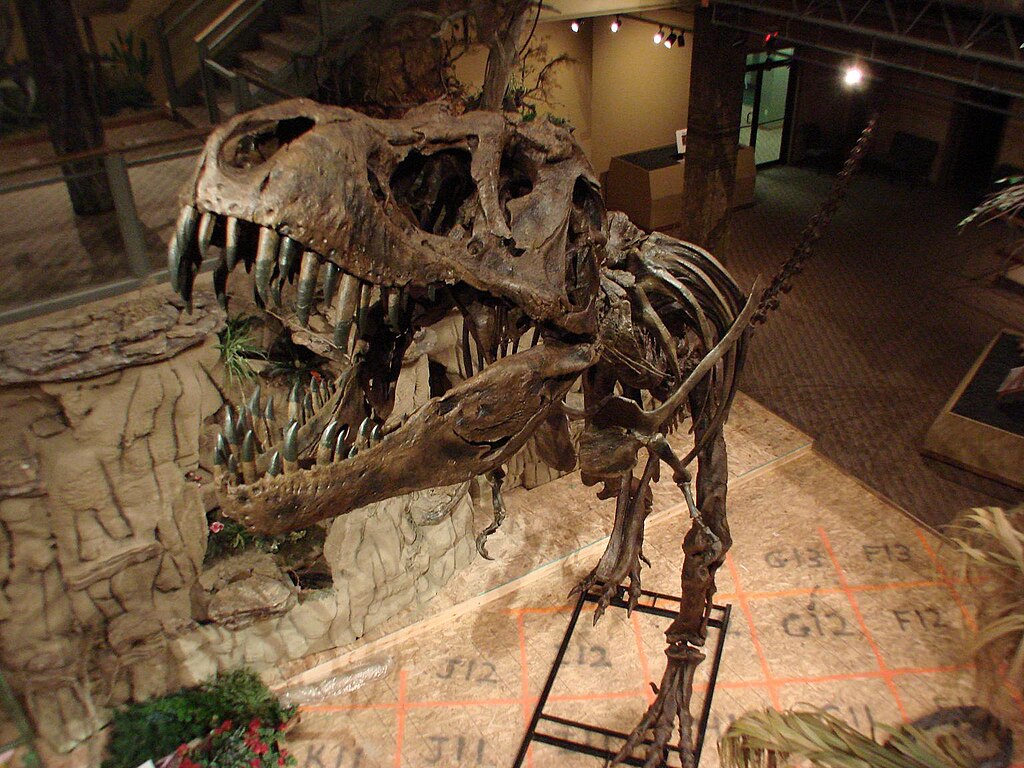
"Stan" the T-rex, on exhibit at the Glendive Dinosaur and Fossil Museum

Should Kids Be Digging for Fossils—or Are We Damaging History?

Across beaches, quarries, and eroding hillsides, families and young enthusiasts regularly embark on fossil-hunting adventures. The joy of discovering a perfectly preserved ammonite or a dinosaur tooth fragment is undeniable, especially in the eyes of a child. However, as more people take up amateur paleontology, a significant question emerges: Should we be encouraging children to ...

View of Earth from space with a satellite in the foreground; the globe displays swirling clouds over blue oceans, under a vast expanse of space.

The Role of Drones and Satellites in Modern Fossil Hunting

The landscape of paleontology has undergone a remarkable transformation in recent decades. While the traditional image of fossil hunting involves painstaking fieldwork with brushes and picks, today’s paleontologists increasingly rely on cutting-edge technology from the skies above. Drones and satellites have revolutionized how researchers locate, document, and analyze fossil sites around the world. This technological ...

Glowing blue jellyfish drift gracefully in dark water. Their translucent bodies create a serene, ethereal scene under a deep sea backdrop.

Why Most Creatures Never Fossilize — And Why That Matters

The history of life on Earth spans billions of years, with countless species having lived and died across the planet’s dynamic lifetime. Yet our fossil record—the collection of preserved remains that informs our understanding of prehistoric life—represents only a tiny fraction of all organisms that have ever existed. This remarkable disparity isn’t just a curious ...

Radiometric Dating

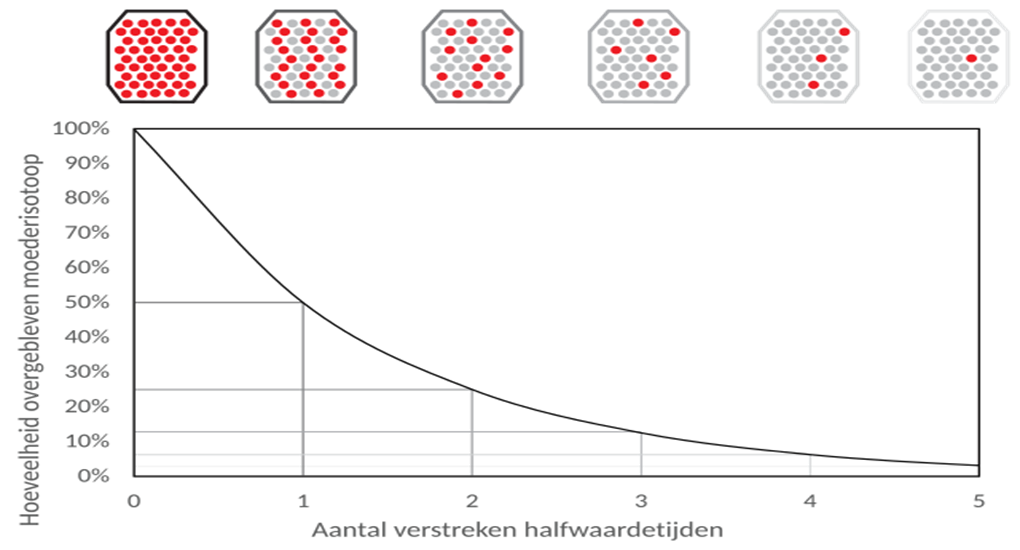
What Is Radiometric Dating and How Does It Work?

Radiometric dating is one of science’s most powerful tools for understanding Earth’s history and the age of objects found within its layers. This sophisticated technique allows scientists to determine the age of rocks, fossils, and archaeological artifacts with remarkable precision, sometimes spanning billions of years. Unlike relative dating methods that can only tell us if ...

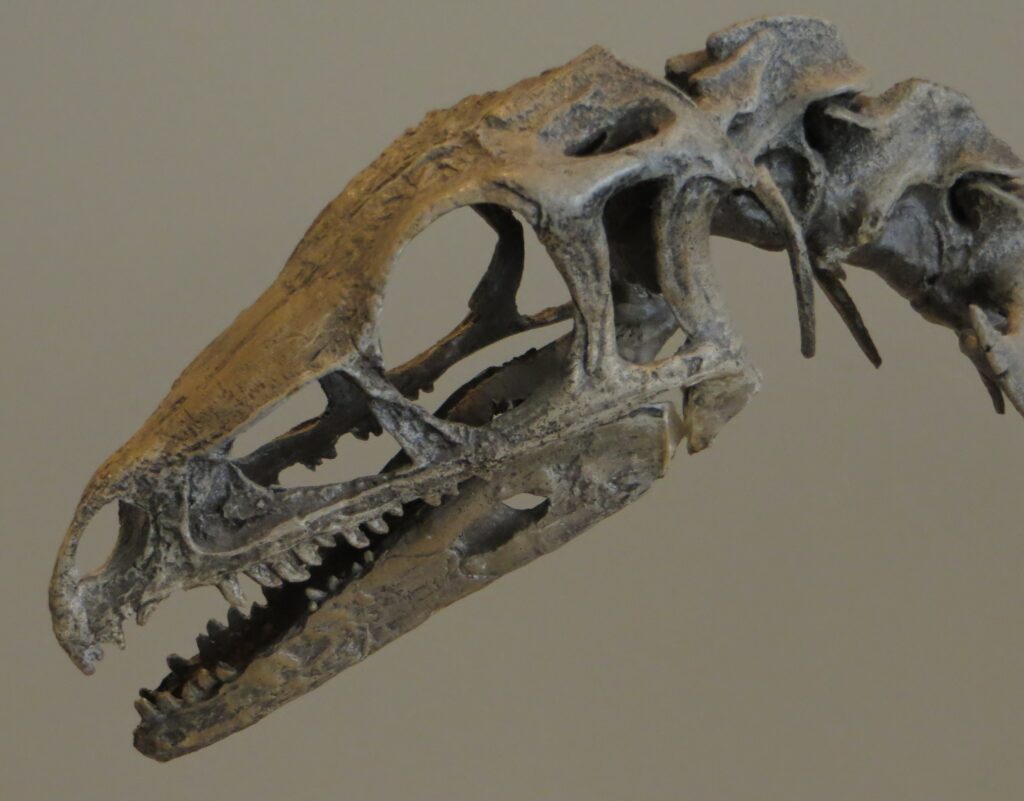
Fossilized dinosaur skull with sharp teeth and hollow eye sockets. The weathered gray bone highlights intricate jaw and cranial features against a beige background.

Fossil Hunters vs. Museums: Who Should Own Ancient Bones?

The discovery of a fossilized dinosaur bone protruding from sun-baked earth can trigger an intellectual tug-of-war between private fossil hunters and institutional museums. This contentious debate over who should rightfully own and control ancient fossils has intensified in recent decades as commercial fossil hunting has become more sophisticated and financially lucrative. At its core, this ...

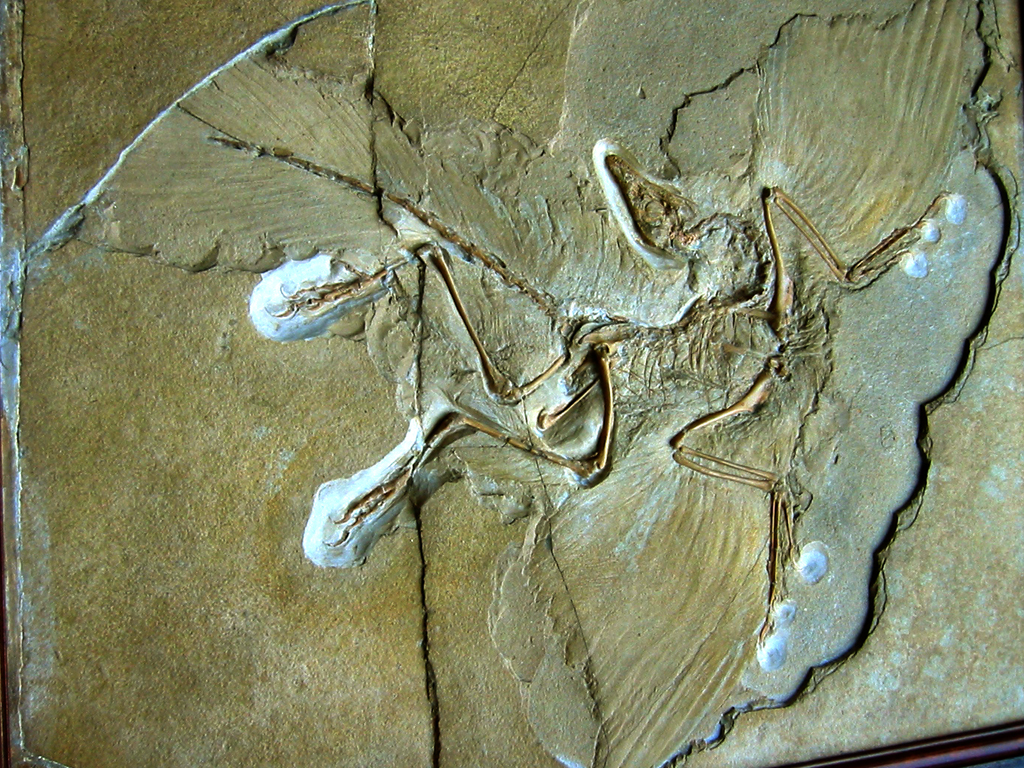
Fossil of a prehistoric bird-like creature with spread wings, detailed bones, and feather impressions, embedded in a beige stone slab.

What Happens When You Find a Fossil on Federal Land?

Discovering a fossil can be an exhilarating experience that connects us to Earth’s ancient past. However, when such a discovery occurs on federal land in the United States, specific laws and procedures immediately come into play. Federal lands encompass national parks, forests, wildlife refuges, and Bureau of Land Management areas—collectively covering about 640 million acres ...

Tiktaalik fossil

What Are Transitional Fossils and Why Do They Matter?

Deep within the Earth’s strata lie some of the most compelling evidence for evolution—transitional fossils. These remarkable specimens document crucial evolutionary moments when one group of organisms was evolving into another, providing us with snapshots of life’s incredible journey across time. Transitional fossils bridge morphological gaps between major groups of organisms, offering scientists invaluable insights ...

a close up of a single strand of food

How Ancient DNA Fragments Are Reshaping Dinosaur Evolution

Buried beneath layers of sediment and time, microscopic remnants of prehistoric life are changing our understanding of dinosaurs and their evolutionary story. Recent advancements in paleogenetics and molecular analysis techniques have allowed scientists to extract, sequence, and analyze fragments of ancient DNA, challenging long-held assumptions about dinosaur evolution. What was once considered impossible—retrieving genetic material ...

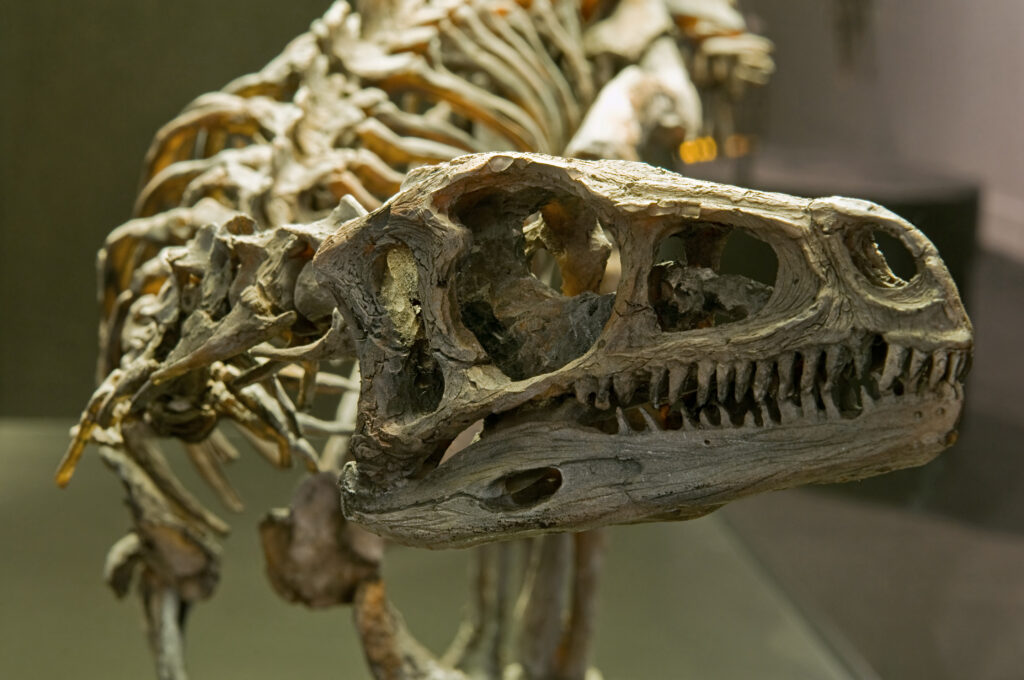
Close-up of a dinosaur skeleton head and upper body, showcasing detailed bone structure with a dramatic, shadowy museum background.

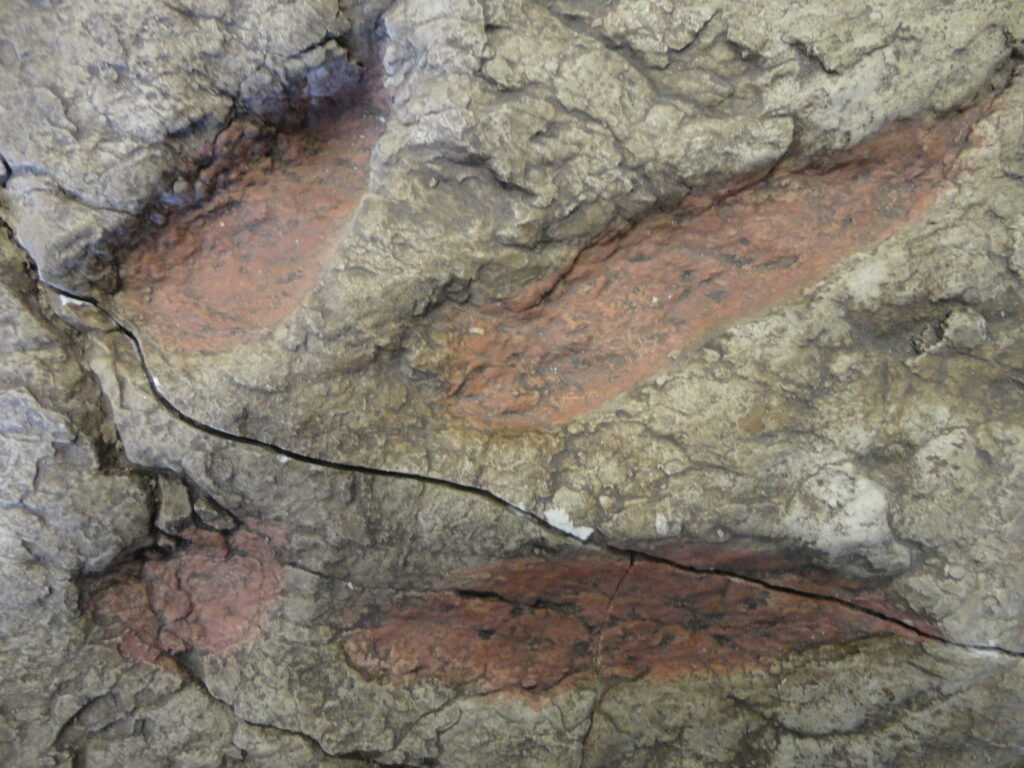
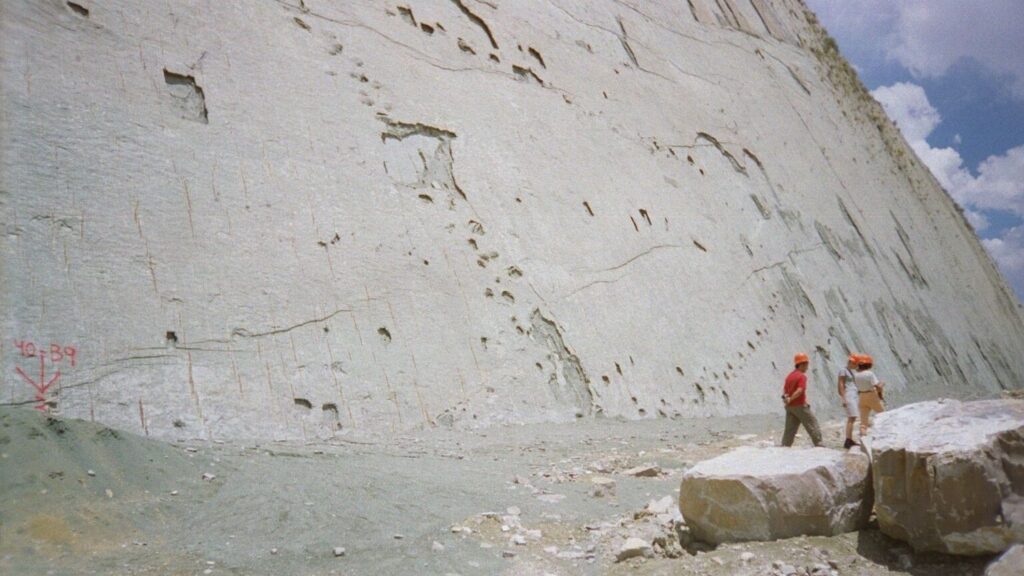
What Petrified Bones, Footprints, and Skin Imprints Tell Us About Prehistoric Life

The silent remnants of Earth’s ancient past—fossilized bones, preserved footprints, and delicate skin impressions—serve as time capsules from eras long gone. These paleontological treasures provide our most direct connection to creatures that roamed the planet millions of years before humans existed. Through careful scientific analysis of these preserved remains, researchers piece together compelling narratives about ...