Articles for category: NEWS

Sameen David

Earth’s magnetic field went wild 600 million years ago and scientists finally know why

Hidden Patterns in Earth’s Ancient Magnetic Turmoil

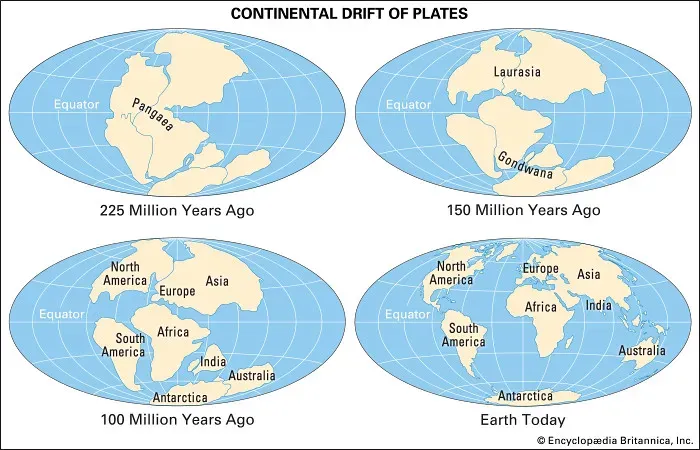
Some 600 million years ago, during the Ediacaran Period, Earth’s magnetic field produced rock records that defied explanation, with poles appearing to dash across the globe at unrealistically high speeds. Scientists had long debated whether supercharged tectonic plates or other exotic forces drove this apparent mayhem. A recent Yale-led study, published in Science Advances, applied ...
Sameen David

280-Million-Year-Old Fossil Provides Earliest Direct Evidence of Land Predators Attacking Herbivores

280-Million-Year-Old Bite Marks Reveal Earliest Clashes Between Land Predators and Herbivores

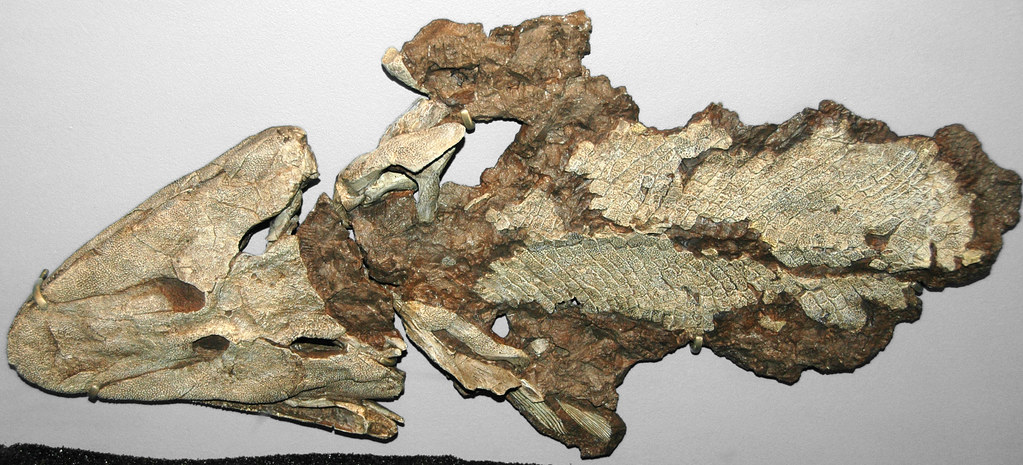
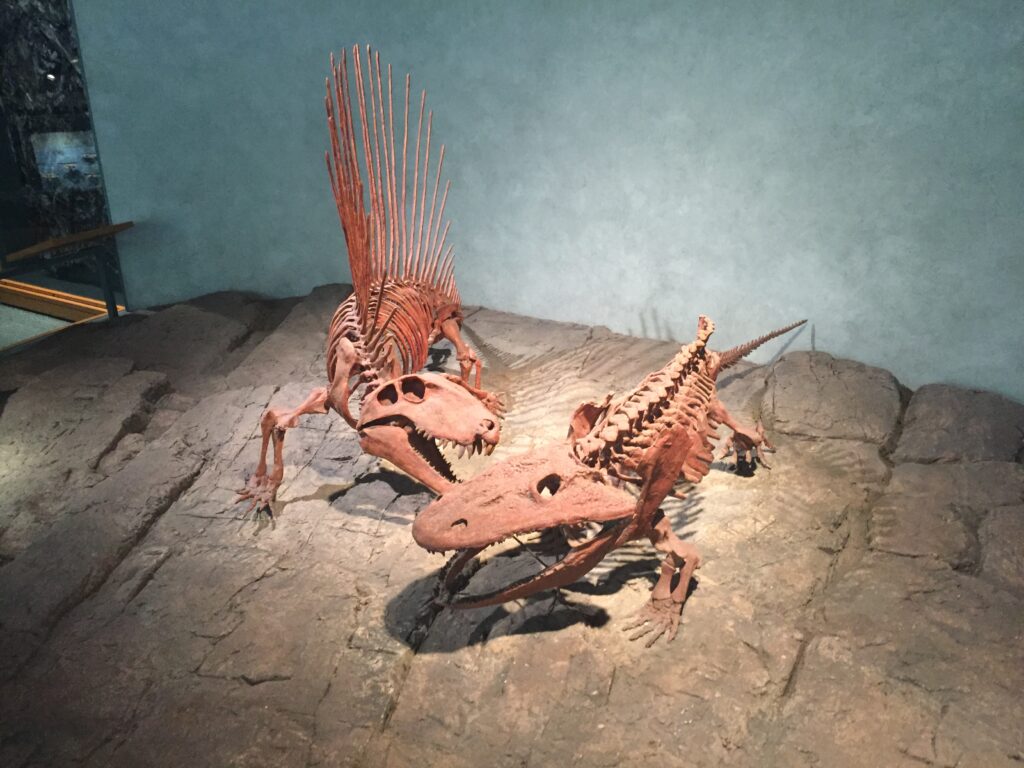
Paleontologists at the University of Toronto Mississauga analyzed fossilized bones from early Permian Texas and identified dozens of tooth scars on juvenile Diadectes skeletons. These marks provided the oldest direct evidence of large terrestrial predators attacking herbivores. The discovery highlighted complex trophic interactions that shaped ancient ecosystems long before dinosaurs roamed the Earth. Researchers documented ...

Sameen David

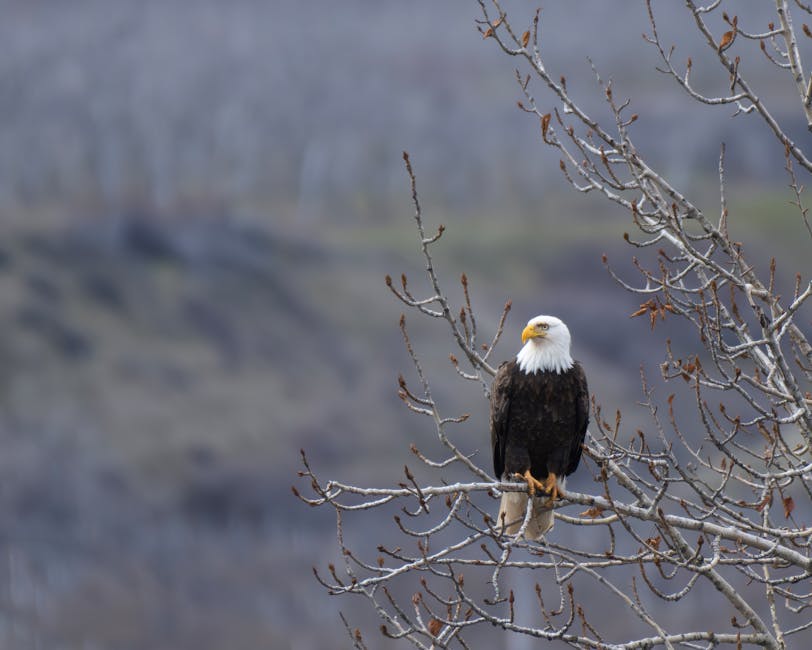
Mitchell Byrd, ornithologist who helped bring bald eagles back from the brink in the Chesapeake area

From 33 Pairs to a Thriving Population: Mitchell Byrd’s Enduring Impact on Chesapeake Bald Eagles

Chesapeake Bay region – Ornithologist Mitchell Byrd devoted more than 50 years to monitoring bird populations across Virginia’s waterways, providing the scientific backbone for one of conservation’s great success stories. His aerial surveys captured the bald eagle’s journey from a perilously low of 33 breeding pairs in 1977 to roughly 1,000 pairs throughout the bay ...

Sameen David

Evolution of cervical count and rib morphology across early-diverging tetrapods

Breathing Innovations Unlocked Neck and Skull Diversity in Early Land Vertebrates

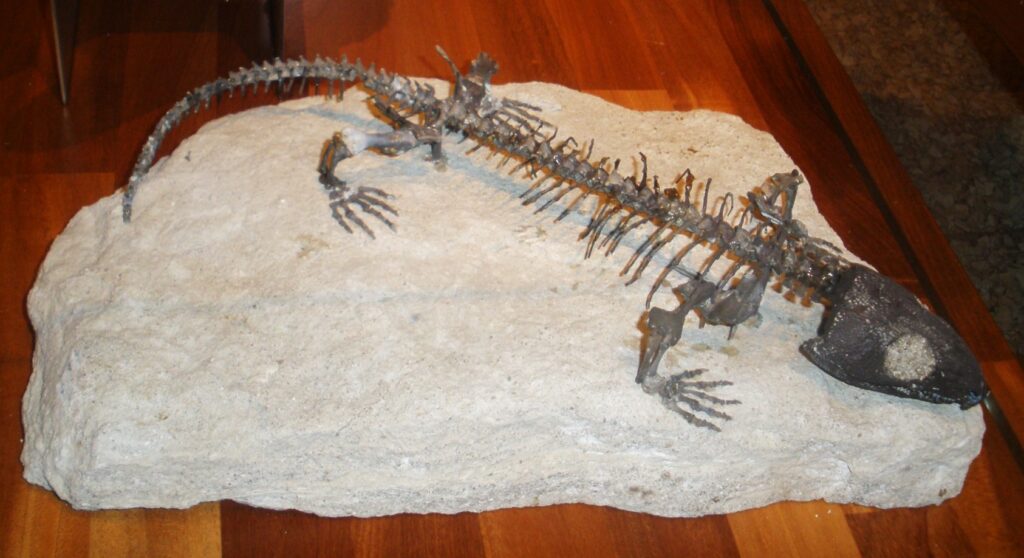
Early tetrapods, the first vertebrates to venture onto land around 375 million years ago, faced profound challenges in adapting their bodies to terrestrial life. A recent study analyzed fossils from 344 species spanning the Middle Devonian to Early Permian, revealing how respiratory changes drove key evolutionary shifts. Researchers found that innovations in lung ventilation decoupled ...

Sameen David

Hungarian Discovery Sheds New Light On Horned Dinosaurs' Origins

Hungary’s Fossils Confirm Horned Dinosaurs Once Roamed Europe

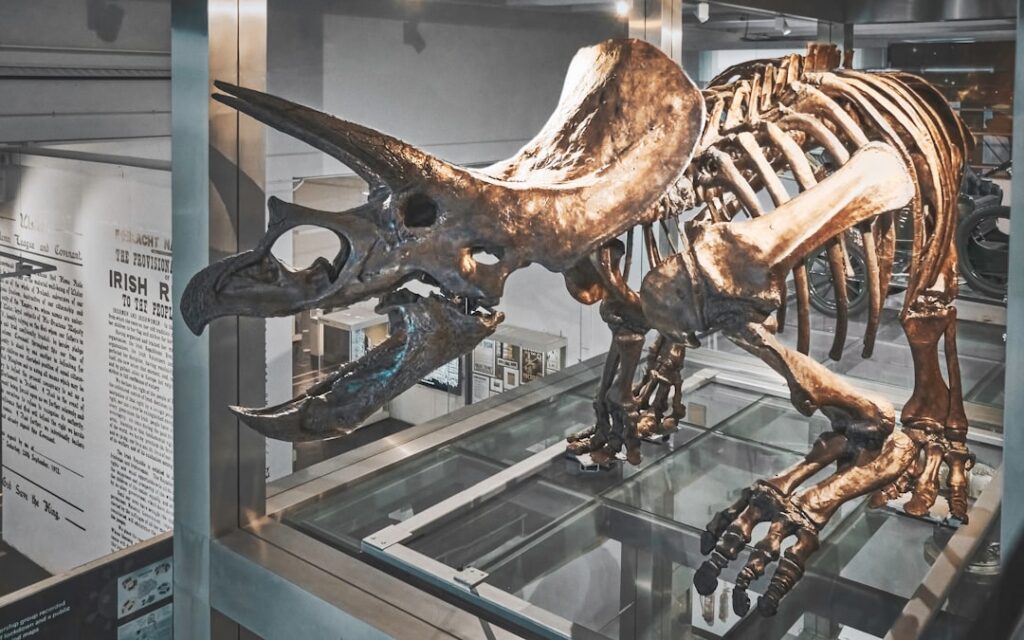
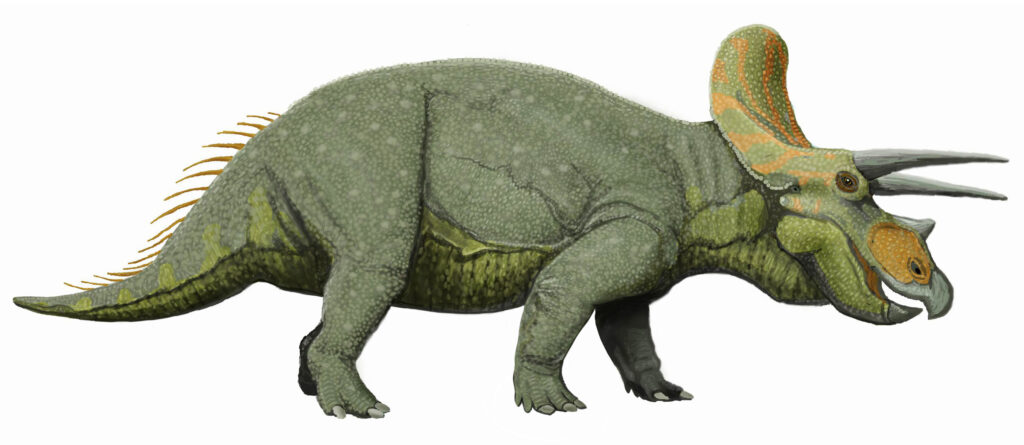
Hungary – Researchers have uncovered compelling evidence that ceratopsian dinosaurs, the group famous for Triceratops, inhabited Europe during the Late Cretaceous period. A new study re-examined fossils from Hungary and Romania, revealing that several species long thought to belong to other dinosaur groups were actually early ceratopsians. This discovery, detailed in the journal Nature, challenges ...

Sameen David

Why conservation needs stories of progress

Progress Amid Peril: Why Sharing Conservation Wins Fuels Momentum

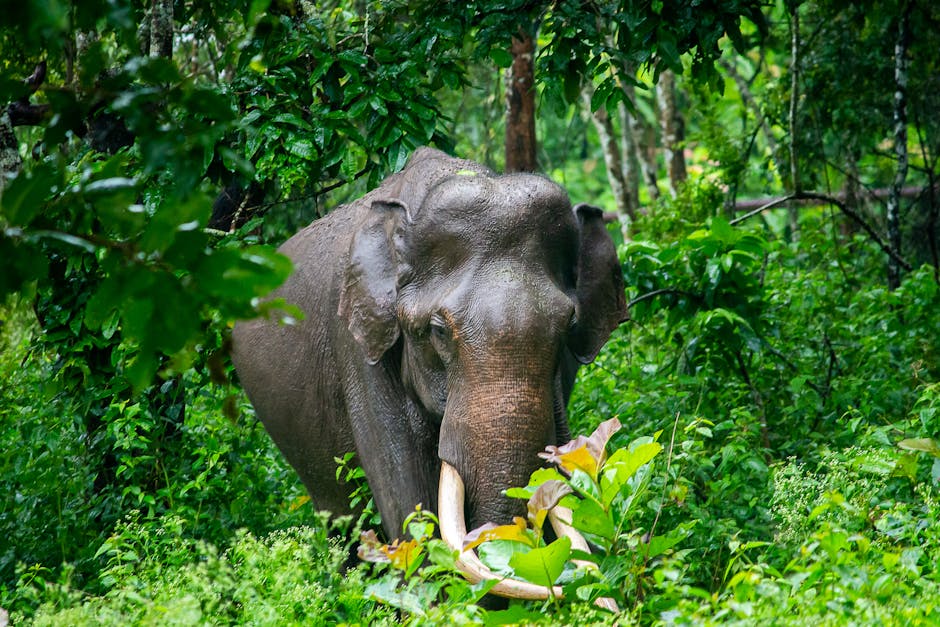
Congo Rainforest — Rangers patrol dense undergrowth where elephants trumpet and gorillas navigate vine-choked trails, their survival a testament to enduring ecosystems under siege. Logging incursions and poaching persist, yet local guardians press on with determination. These scenes underscore a broader truth in wildlife protection: incremental advances often go unnoticed, but they hold the key ...

Sameen David

10% of the ocean is protected. Now just 20% more to go

Oceans Surpass 10% Protection Milestone: The Urgent Race to 30% by 2030

The international community marked a pivotal achievement in marine conservation when data confirmed that 10.01% of the world’s ocean now falls within protected and conserved areas. This milestone, announced by the UN Environment Programme’s World Conservation Monitoring Centre on April 1, reflected recent expansions totaling about 5 million square kilometers over the past two years. ...

Sameen David

A Treasure Trove in Permian Caves

289-Million-Year-Old Reptile Mummy Unveils Origins of Rib-Powered Breathing

Richards Spur, Oklahoma – Mummified remains of a small, lizard-like reptile from the early Permian period have offered scientists an unprecedented view into the evolution of breathing among early land vertebrates. Discovered in ancient cave deposits, these fossils of Captorhinus aguti preserve not only bones but also skin, cartilage, and traces of original proteins. Researchers ...

Sameen David

Prehistoric Animals in the Grasslands

Ceratopsians: Horned Titans of the Cretaceous Plains

Millions of years ago, expansive floodplains stretched across what is now western North America, supporting herds of formidable herbivores. Ceratopsians, a diverse group of beaked dinosaurs renowned for their horns and elaborate neck frills, thrived in these environments during the Late Cretaceous period. Fossils discovered beneath modern grasslands, such as those in the Dakota Prairie ...