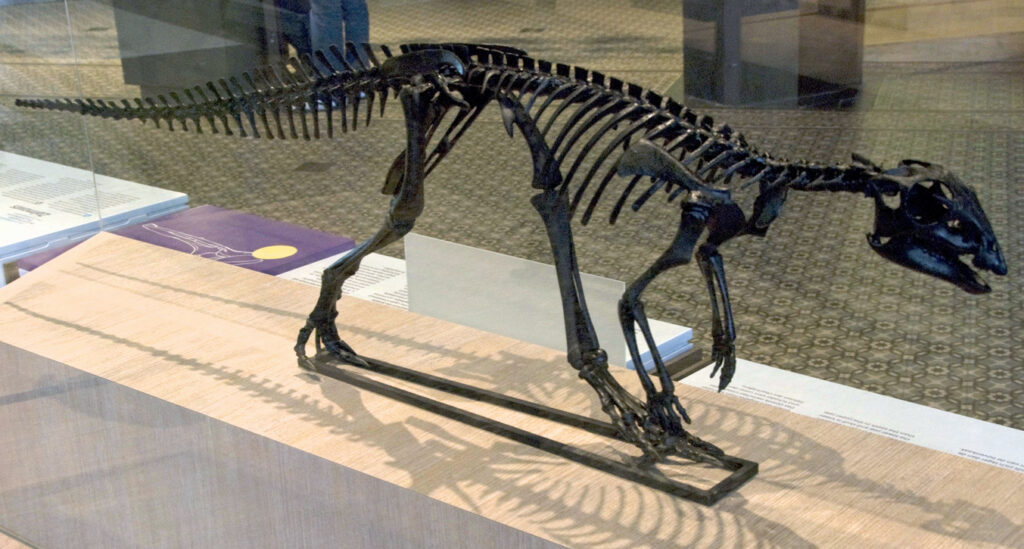
Articles for category: Prehistoric Discoveries

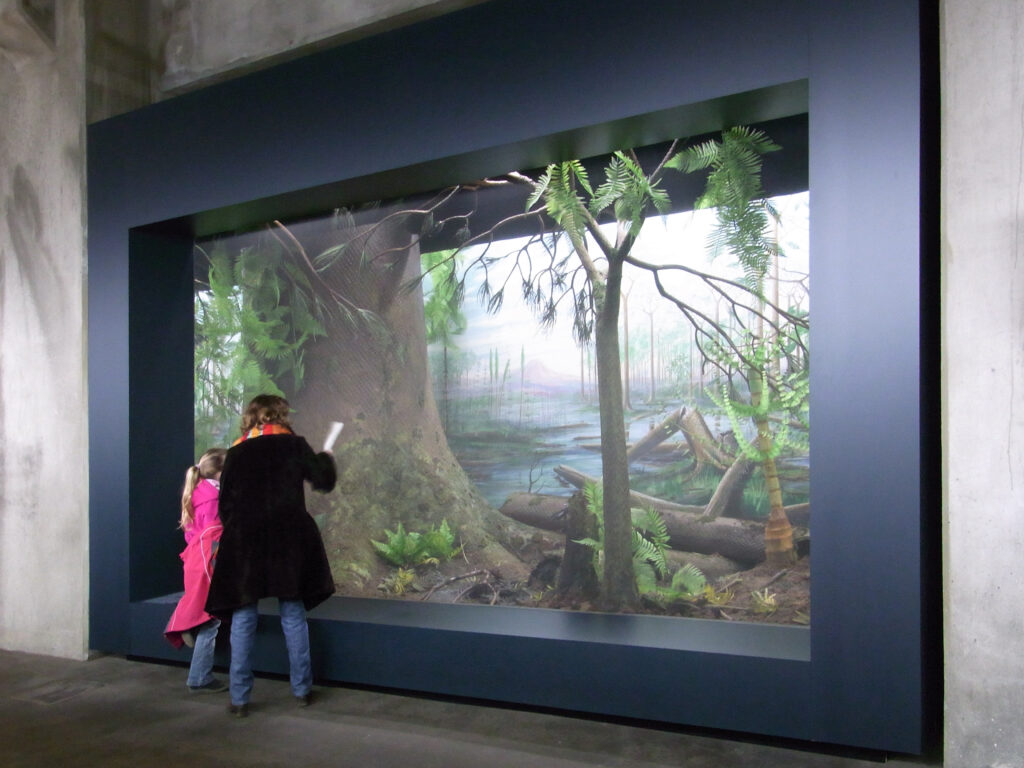
area covered with green leafed plants

What Did Dinosaurs Really Eat? A Look at Ancient Plant Life

When we imagine dinosaurs, we often picture ferocious predators like Tyrannosaurus rex tearing into prey. However, the reality of dinosaur diets was far more diverse and fascinating. Approximately 65% of all dinosaur species were herbivores, consuming various types of prehistoric plants throughout the Mesozoic Era (252-66 million years ago). Understanding what plant-eating dinosaurs consumed requires ...
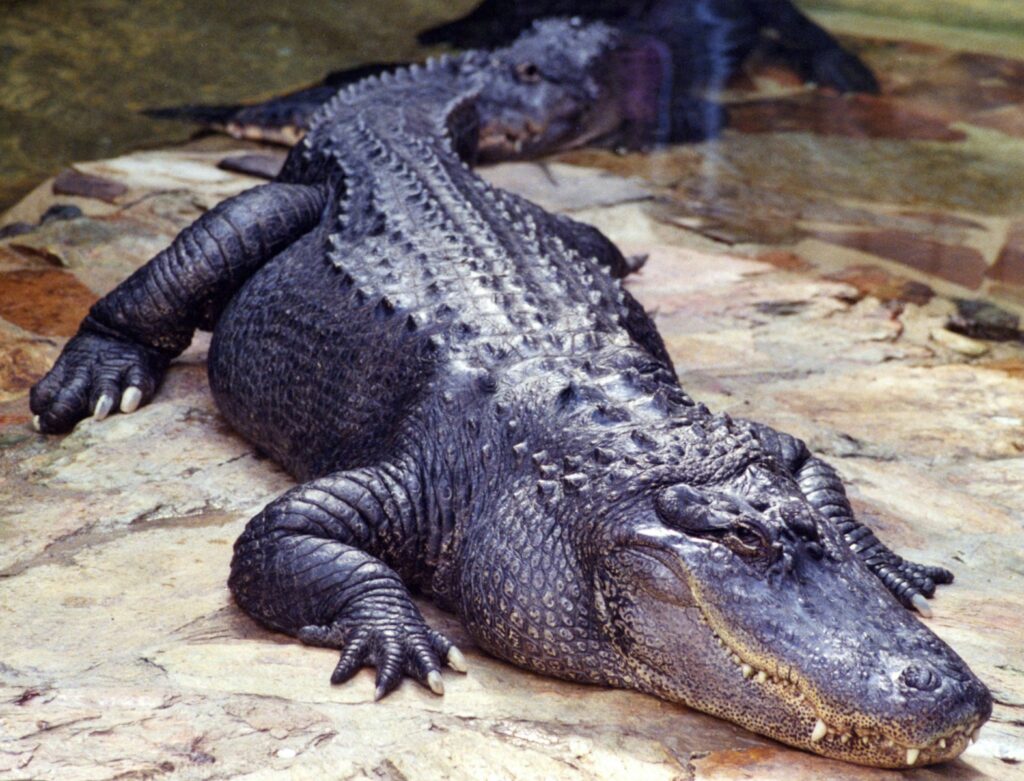
Crocodiles and alligators, alongside birds, are the closest living kin to dinosaurs.

How Crocodiles Became Living Fossils From the Age of Dinosaurs

While dinosaurs vanished from Earth 66 million years ago, their contemporaries—the crocodilians—continue to thrive in modern ecosystems. These remarkable reptiles have maintained their basic body plan for over 200 million years, earning them the title of “living fossils.” The story of how crocodiles survived multiple mass extinctions while dinosaurs perished is a fascinating tale of ...

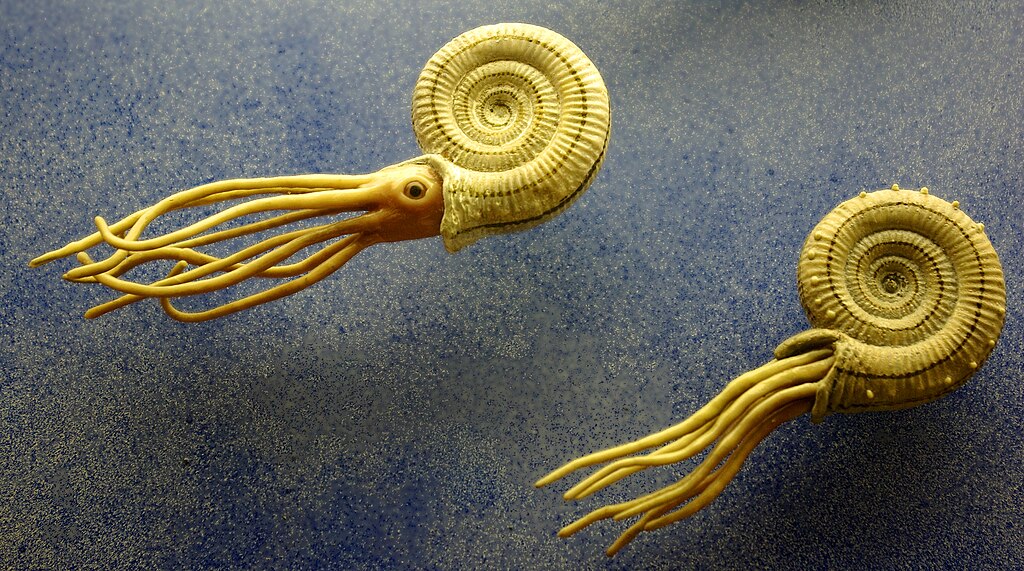
Reconstruction of ammonoids

Why Ammonites Were the True Kings of the Prehistoric Oceans

When we think of ancient marine predators, our minds often leap to massive creatures like megalodon or mosasaurs. However, for over 300 million years, a different group of organisms dominated the prehistoric seas – the ammonites. These cephalopods, with their distinctive spiral shells and remarkable adaptations, weren’t just passive inhabitants of ancient oceans but rather ...

Massive mosasaurs and plesiosaurs needed huge amounts of food to survive.

Meet the Giant Predators of the Late Cretaceous Seas

The Late Cretaceous period, spanning from approximately 100 to 66 million years ago, witnessed Earth’s oceans teeming with some of the most formidable marine predators to ever exist. As dinosaurs dominated the land, equally impressive giants ruled the prehistoric seas. These ancient marine hunters evolved remarkable adaptations that made them perfectly suited for their aquatic ...

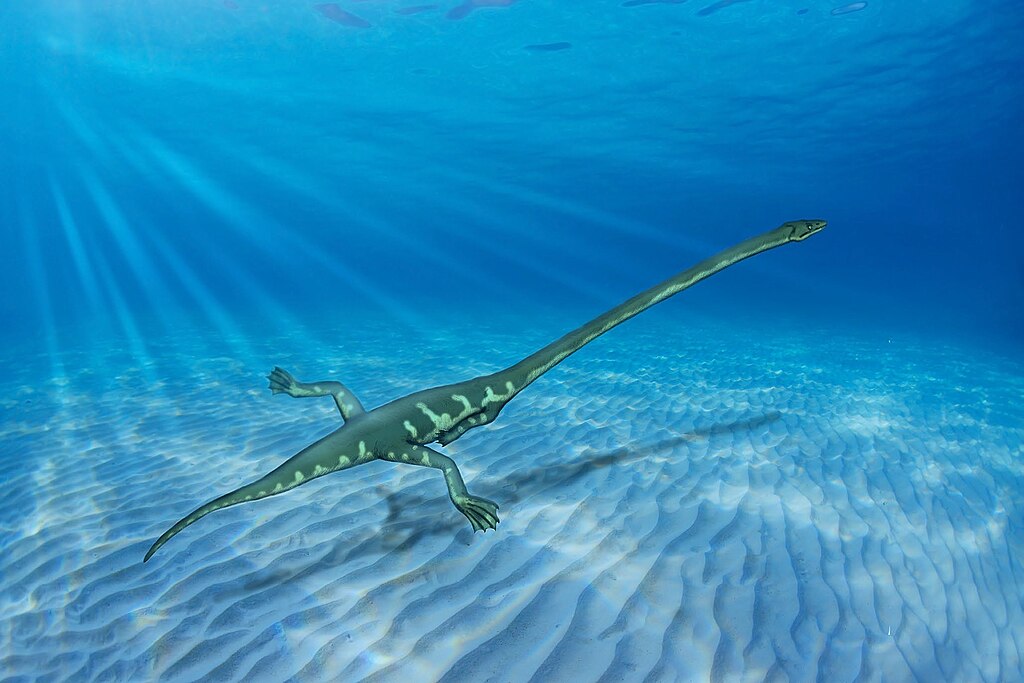
Tanystrophaeus recon

Tanystropheus: The Weirdest Long-Necked Reptile You’ve Never Heard Of

In the vast pantheon of prehistoric creatures, few are as bizarrely constructed yet surprisingly overlooked as Tanystropheus. Living approximately 242-232 million years ago during the Middle Triassic period, this extraordinary reptile boasted one of the most extreme body proportions ever evolved: a neck that was longer than its entire body and tail combined. Neither dinosaur ...

Snake-Like Fossils From the Age of Dinosaurs: What We’ve Found

Imagine uncovering fossils of creatures both eerie and awe-striking—snake-like beings that coexisted with dinosaurs, lurked in lush swamps, and defied evolutionary expectations. From ancient four‑legged serpents to colossal constrictors that rival trucks in length, the fossil record has unveiled fascinating chapters in snake evolution. In this article, we’ll explore the most remarkable discoveries: what they ...

What Ancient Rivers Taught Us About Dinosaur Migration

What Ancient Rivers Taught Us About Dinosaur Migration

Picture this: millions of years ago, long before humans ever walked the earth, ancient rivers carved pathways across continents that told a remarkable story. These prehistoric waterways weren’t just channels for water – they were nature’s highways, carrying evidence of one of the most extraordinary migrations in our planet’s history. Today, paleontologists are uncovering secrets ...