Articles for category: Prehistoric Discoveries

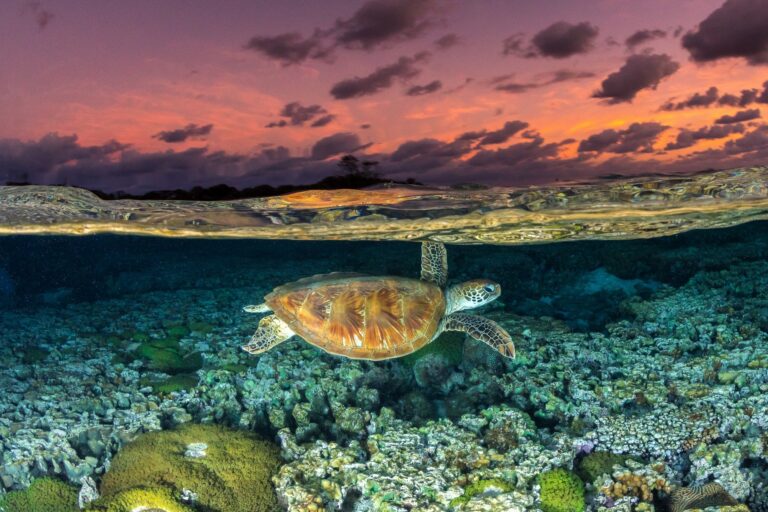
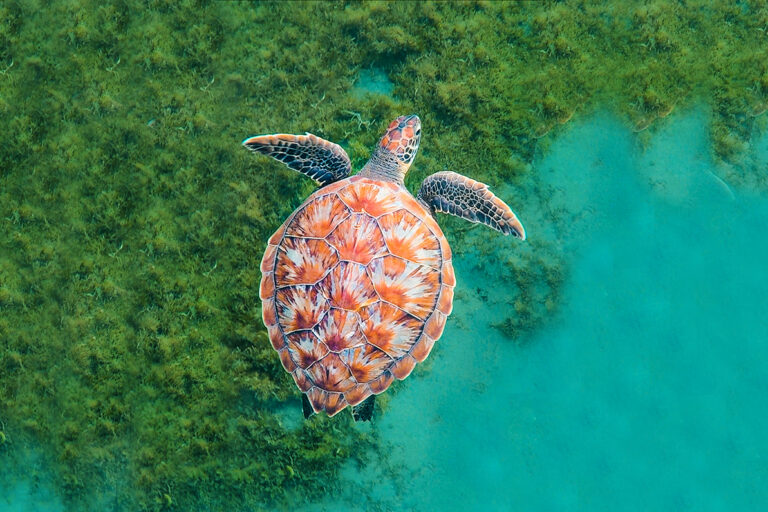
brown sea turtle

The Evolution of Turtles: Survivors from the Age of Dinosaurs

Turtles represent one of Earth’s most remarkable evolutionary success stories. These distinctive reptiles have persisted virtually unchanged for over 220 million years, surviving the catastrophic events that claimed the dinosaurs and countless other species. Their iconic shells, deliberate movements, and ancient lineage have fascinated scientists and nature enthusiasts alike. From the massive leatherback sea turtle ...
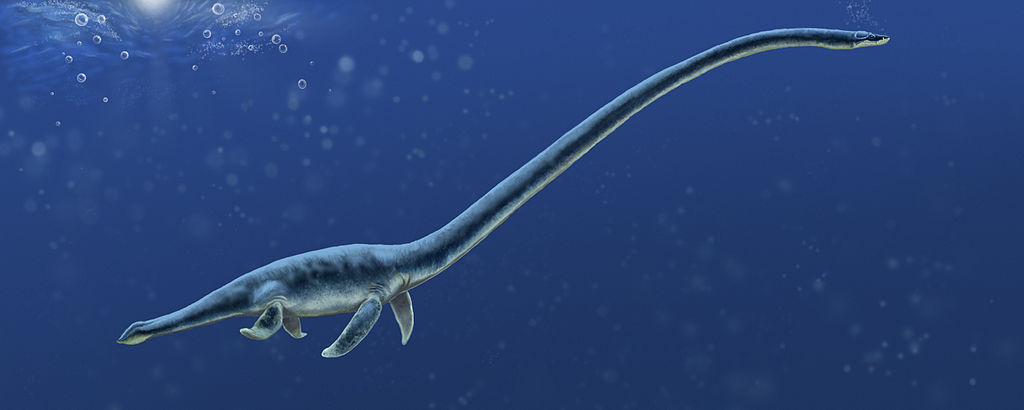
Albertonectes vanderveldei, a new elasmosaur

Elasmosaurus: The Long-Necked Wonder of the Ancient Seas

The prehistoric oceans were home to some of Earth’s most remarkable creatures, and few were as strikingly unusual as Elasmosaurus. This extraordinary marine reptile, with its impossibly long neck and streamlined body, swam through the waters of the Late Cretaceous period approximately 80.5 million years ago. As a member of the plesiosaur family, Elasmosaurus has ...

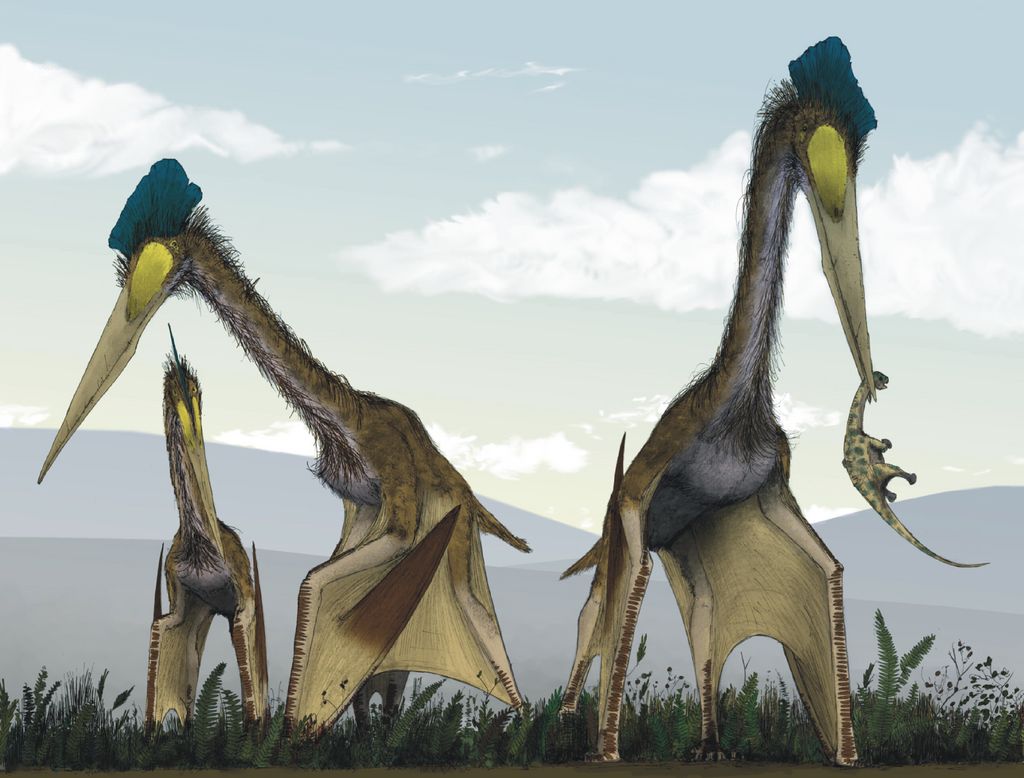
A juvenile titanosaur has been caught by one pterosaur

The Not-Quite-Dinosaurs: What Makes a Pterosaur Unique?

When we imagine prehistoric skies, the silhouettes of pterosaurs—with their leathery wings stretched wide—often come to mind. These remarkable flying reptiles dominated the air while dinosaurs ruled the land, yet they remain widely misunderstood. Despite their frequent portrayal as “flying dinosaurs” in popular media, pterosaurs were distinctly different creatures with their own evolutionary path and ...

Carbonemys Cofrinii

Were There Dinosaur-Era Turtles Bigger Than Cars?

During the age of dinosaurs, Earth was home to creatures of staggering proportions. While we often think of towering dinosaurs like Brachiosaurus or the fearsome Tyrannosaurus rex when imagining this era, other remarkable animals shared this ancient world. Among them were turtles of extraordinary size, some rivaling modern vehicles in their dimensions. These prehistoric chelonians ...

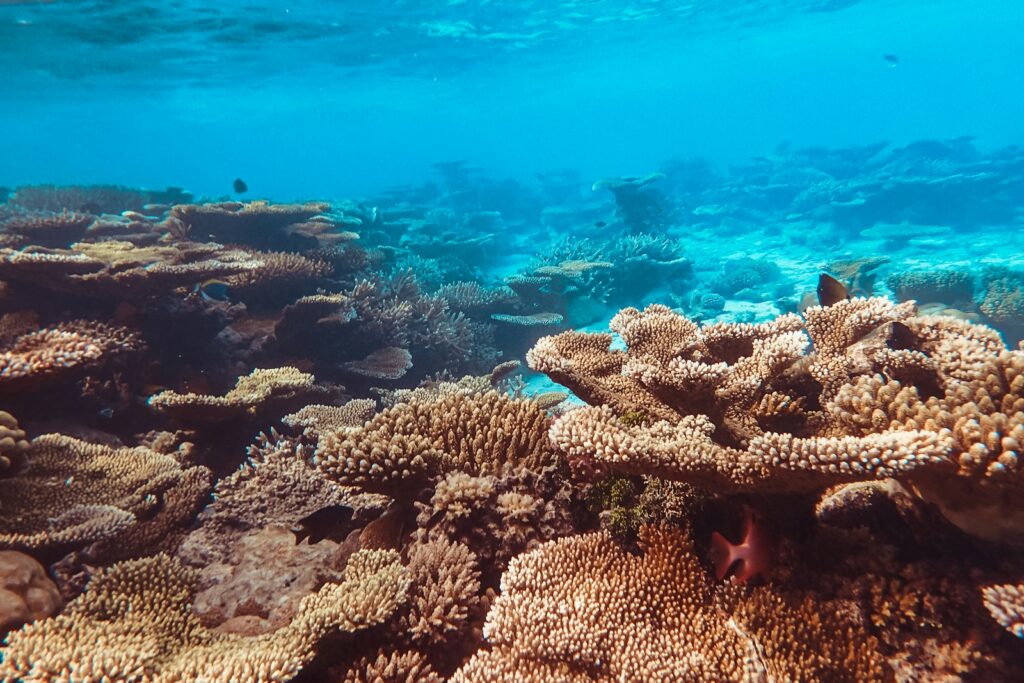
Scleractinian Corals

What Fossilized Coral Reefs Reveal About Ancient Climate Change

Ancient coral reefs, preserved as fossils for millions of years, serve as remarkable natural archives of Earth’s climate history. Like tree rings or ice cores, these marine structures contain chemical signatures and physical characteristics that provide scientists with detailed insights into past environmental conditions. As climate change increasingly affects our modern world, these fossilized reefs ...

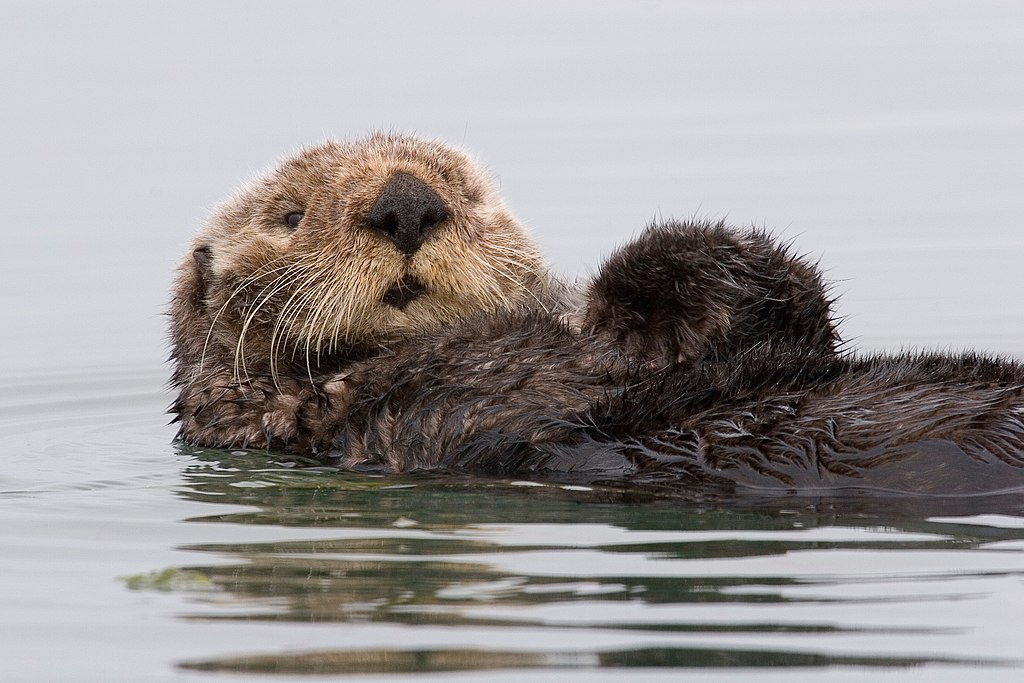
Sea otter

Could Otters Have Ancient Reptilian Relatives?

When we observe playful otters sliding down muddy banks or deftly manipulating stones to crack open shellfish, it’s easy to see them as quintessentially mammalian creatures. Their fur-covered bodies, nurturing parental behaviors, and mammalian intelligence seem worlds apart from the scaled bodies and cold-blooded metabolism of reptiles. Yet, evolutionary biology tells us that all mammals, ...

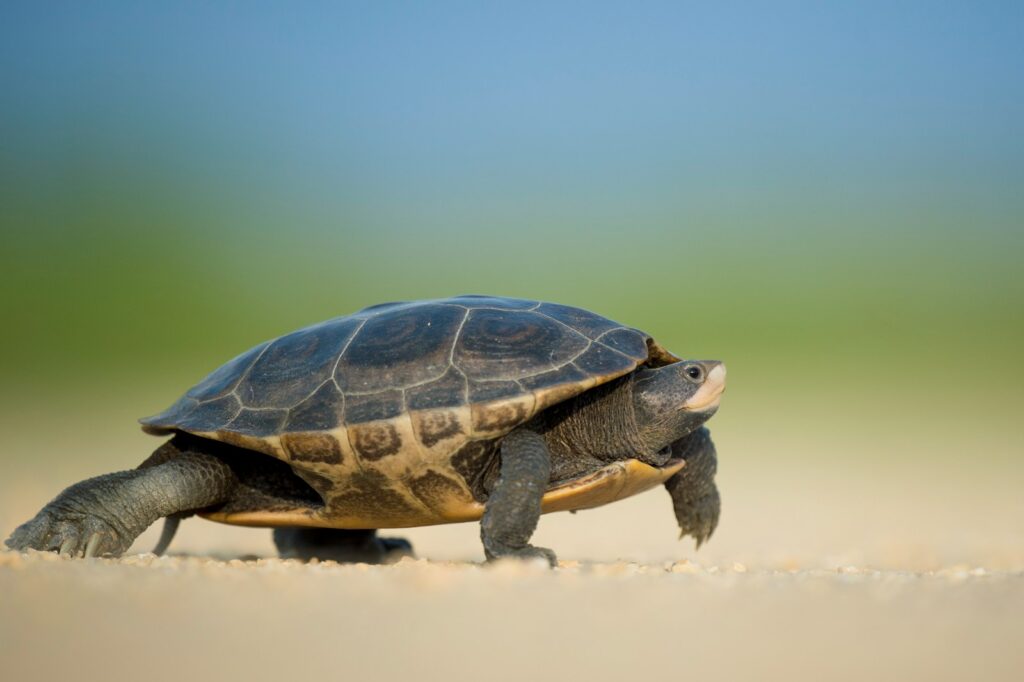
focused photo of a sea turtle walking on the seashore

Turtles vs. Extinction: How They Adapted and Endured

In the grand theater of evolution, few performers have shown the staying power of turtles. These remarkable reptiles have survived for over 220 million years, witnessing the rise and fall of dinosaurs and enduring multiple mass extinction events that wiped out countless other species. Their distinctive shells, deliberate pace, and remarkable adaptability have allowed them ...

The discovery of marine fossils alongside dinosaur remains illuminates the complex ecological connections that existed between terrestrial and marine environments during the Mesozoic Era.

Ancient Water Dwellers: What Dinosaurs Shared Their World With Otter Ancestors?

The ancient waterways of Earth tell a fascinating story of coexistence between different evolutionary lineages that few people realize. While dinosaurs dominated the Mesozoic Era (252-66 million years ago), the early ancestors of modern mammals, including the predecessors of today’s playful otters, were already developing their evolutionary pathways. These ancient water-dwelling mammals navigated the same ...

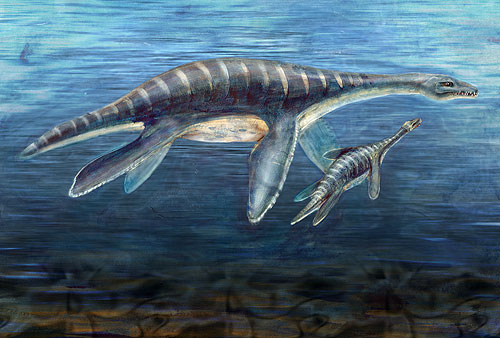
Mother and Juvenile Plesiosaur

How the Marine Reptile Plesiosaurus Took Over the Seas

Beneath the rippling waters of Earth’s ancient oceans, a remarkable reptilian dynasty once reigned supreme. The Plesiosaurus and its relatives dominated the marine realm for over 135 million years, evolving into some of the most specialized aquatic predators our planet has ever witnessed. With their distinctive body plan—featuring elongated necks, compact bodies, and powerful flipper-like ...