Articles for category: Prehistoric SeaWorld

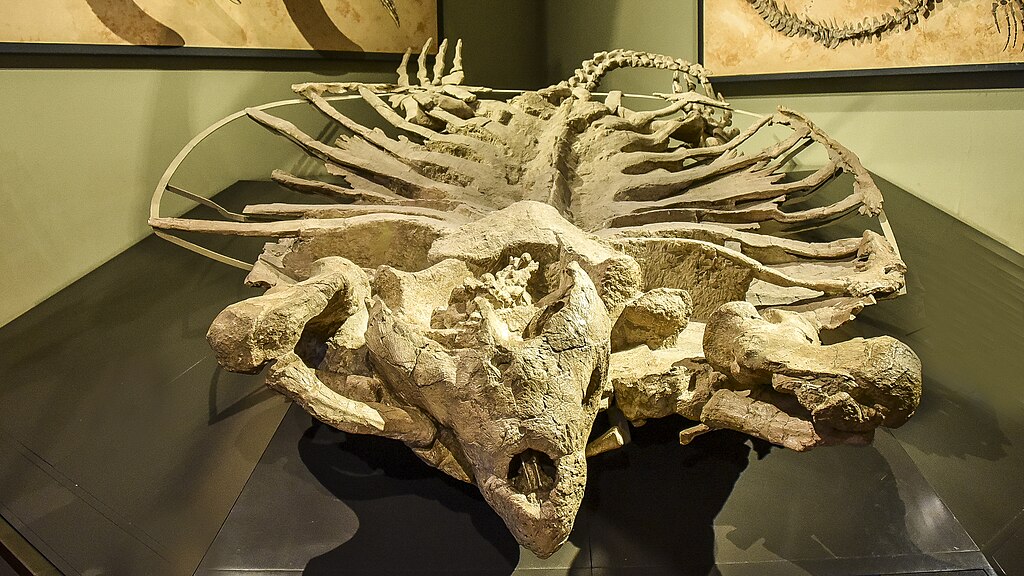
Archelon ischyros Naturhistorisches Museum Wenen

What Fossils Reveal About the Evolution of Turtles

The enigmatic turtle, with its distinctive shell and ancient lineage, represents one of the most recognizable and unique evolutionary designs in the vertebrate world. For centuries, scientists have been fascinated by these remarkable creatures and their mysterious origins. Fossil discoveries have provided crucial windows into the turtle’s evolutionary journey, revealing a complex and sometimes surprising ...
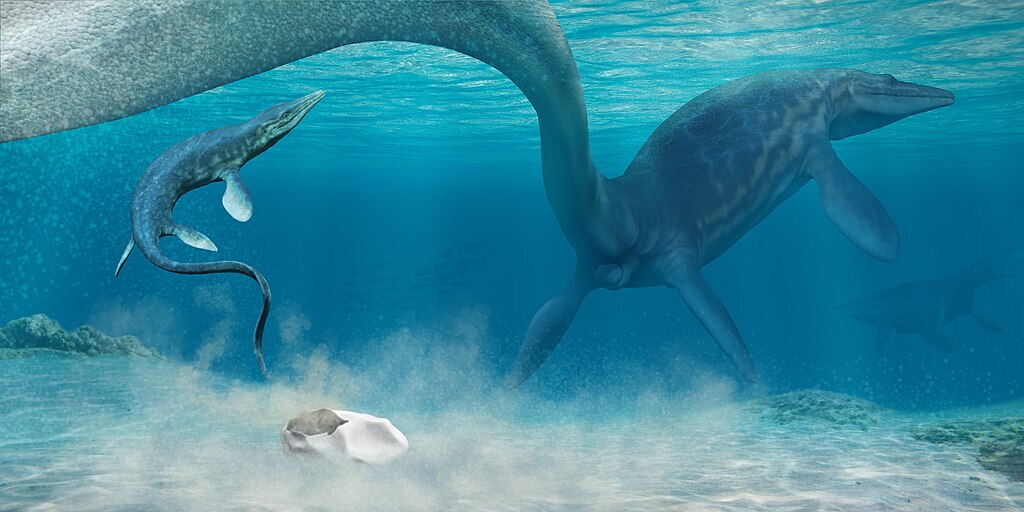
Mosasaurs went live—fossils suggest they gave birth to young in the open sea.

What Lurked in the Water During the Age of Dinosaurs?

When we envision the Mesozoic Era—the Age of Dinosaurs spanning from 252 to 66 million years ago—our minds often conjure images of towering sauropods and fearsome predators like Tyrannosaurus rex stalking the prehistoric landscapes. However, equally fascinating and perhaps even more terrifying were the ancient marine ecosystems teeming with predators that would make today’s sharks ...

Tullimonstrum

The Fossil That Took 100 Years to Properly Identify

In the dusty corridors of paleontological history lies a remarkable story of scientific perseverance and evolving understanding. The Tully Monster (Tullimonstrum gregarium), discovered in the coal mining pits of Illinois in the 1950s, became one of paleontology’s most perplexing mysteries, confounding scientists for over a century. This bizarre creature’s true identity remained elusive through decades ...

Kronosaurus hunting on the plesiosaur Woolungasaurus

The Sea Monsters of the Mesozoic: Ichthyosaurs, Pliosaurs & Mosasaurs

The depths of Earth’s primordial oceans once teemed with marine predators so formidable that they would eclipse many of today’s apex ocean hunters. During the Mesozoic Era (252-66 million years ago), while dinosaurs dominated the land, the seas belonged to a spectacular array of reptilian creatures that had returned to aquatic lifestyles. Ichthyosaurs with their ...

The Inland Seas That Split North America in Two

The Inland Seas That Split North America in Two

The heart of North America once harbored vast prehistoric seas that divided the continent into separate landmasses. These ancient inland waterways, which existed during various geological periods, fundamentally shaped the continent we know today. From the Western Interior Seaway of the Cretaceous period to earlier Paleozoic seas, these massive bodies of water created unique ecosystems, ...

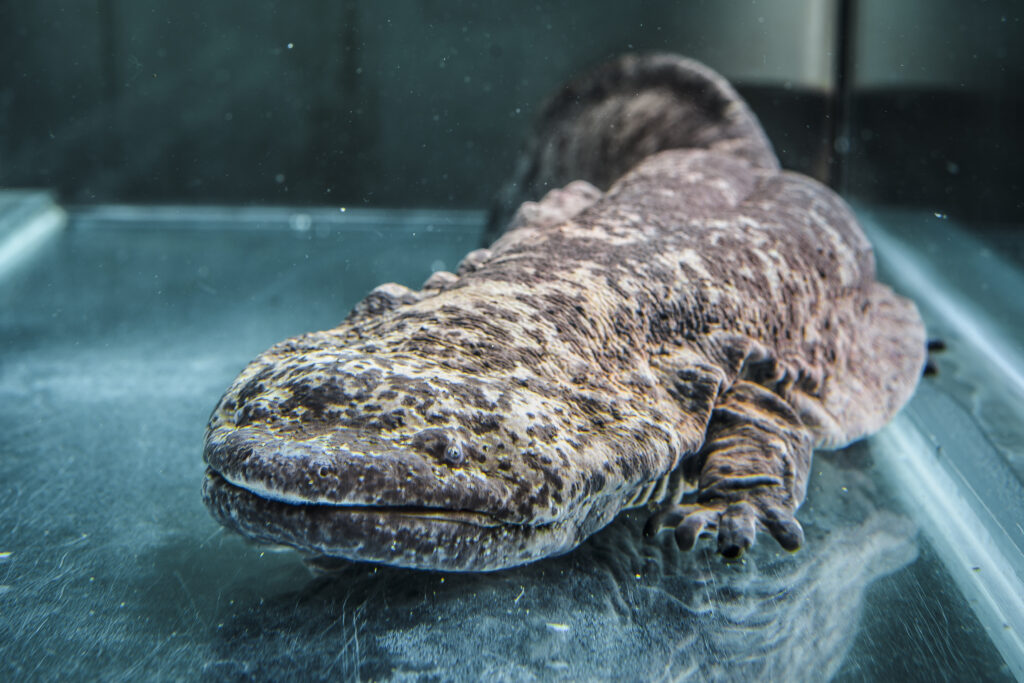
Close-up of a large, brown Chinese giant salamander in a clear water tank. Its textured skin and small eyes are visible, conveying a serene presence.

Giant Amphibians and Their Vanishing World

Deep in the world’s remaining old-growth forests, hidden in crystal-clear mountain streams, and lurking beneath the murky waters of ancient lakes, Earth’s giant amphibians have thrived for millions of years. These remarkable creatures—some reaching lengths of over five feet—represent living connections to prehistoric times when amphibians ruled much of the planet. Today, however, these magnificent ...

Studies suggest dinosaurs grew faster than reptiles but slightly slower than similar-sized mammals.

Giant Crocodiles That Hunted Dinosaurs

In the shadowy waters of prehistoric rivers and coastal regions, enormous crocodilian predators lurked, some growing large enough to prey upon dinosaurs that ventured too close to the water’s edge. These ancient reptiles were not the crocodiles we recognize today but were their distant relatives, often larger and more terrifying. Some of these massive predators ...

A large shark swims gracefully over a sunlit, seaweed-covered ocean floor. The clear blue water adds a serene yet commanding presence to the scene.

Life in the Shadows: Deep Ocean Creatures During the Age of Dinosaurs

While dinosaurs dominated the land during the Mesozoic Era (252-66 million years ago), an equally fascinating but less celebrated evolutionary story was unfolding in the depths of Earth’s oceans. The marine ecosystems of this period hosted an extraordinary array of creatures that thrived in darkness, adapting to changing ocean conditions and evolving remarkable survival strategies. ...

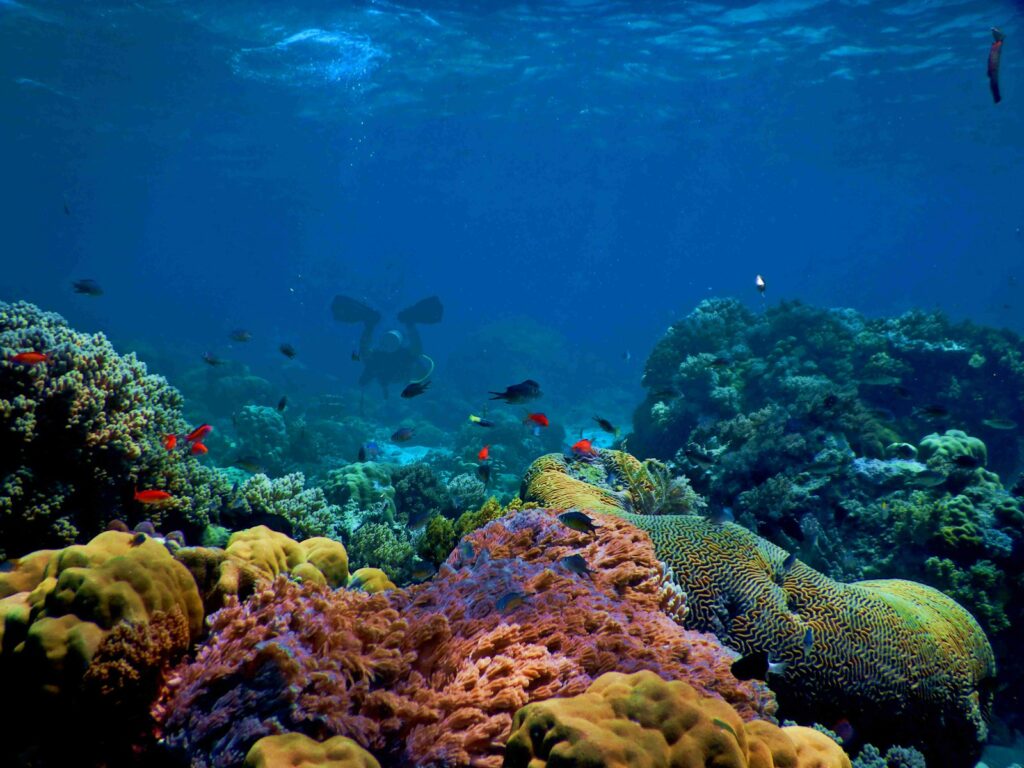
Ancient coral reefs present a fascinating window into Earth’s prehistoric marine ecosystems.

Coral Reefs of the Mesozoic What Thrived Beneath the Surface

Ancient coral reefs present a fascinating window into Earth’s prehistoric marine ecosystems. During the Mesozoic Era (252-66 million years ago), coral reefs experienced dramatic changes in composition, structure, and diversity as they adapted to shifting environmental conditions across the Triassic, Jurassic, and Cretaceous periods. These ancient underwater ecosystems supported incredible biodiversity and played crucial ecological ...

Illustration of a mosasaur, a large marine reptile, swimming with an open mouth. It has a long, streamlined body and flippers, evoking a prehistoric era.

The Most Ferocious Sea Predator of the Jurassic Era

Beneath the ancient waves of Earth’s Jurassic oceans swam creatures of terrifying proportion and deadly efficiency. While dinosaurs dominated the land, the seas witnessed an equally dramatic evolutionary arms race, producing apex predators that would make today’s great white sharks seem almost docile by comparison. Among these marine hunters, one creature stands out as perhaps ...