Articles for category: Prehistoric Environment

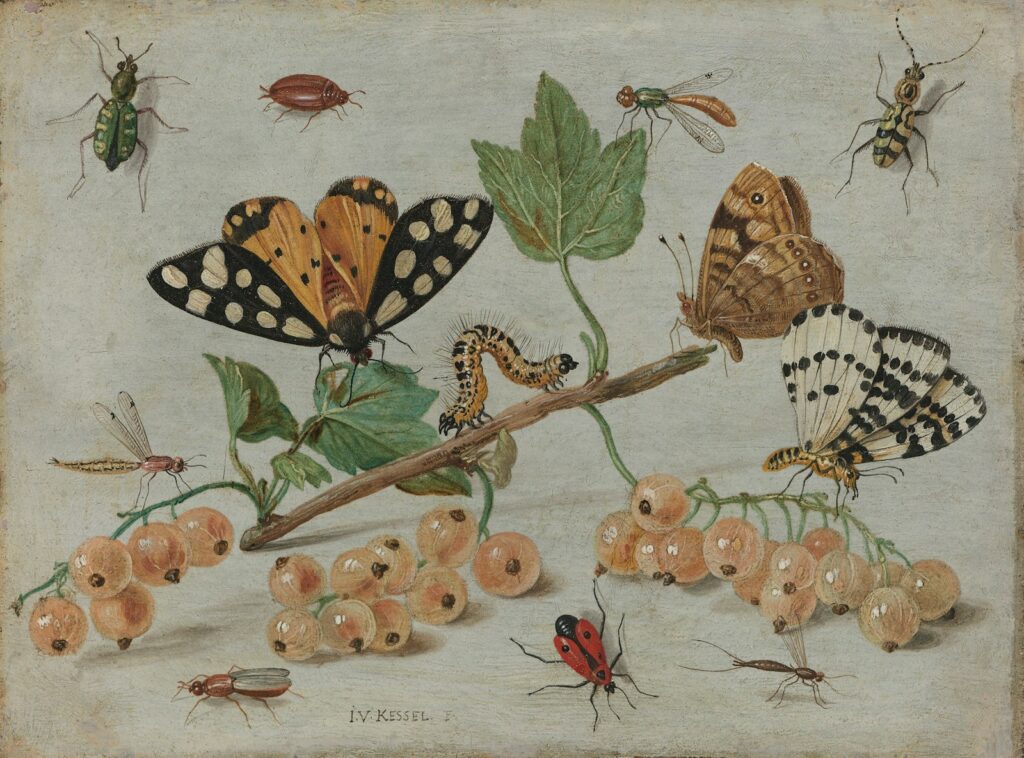
Moths in the Age of Dinosaurs

Buzzing Through Time The Evolution of Pollination from the Jurassic Onward

The relationship between plants and their pollinators represents one of nature’s most remarkable examples of coevolution. For over 150 million years, this intricate dance has shaped Earth’s ecosystems, driving the diversification of flowering plants and their animal partners. From primitive beetles clumsily transferring pollen in the Jurassic period to the sophisticated relationships between orchids and ...
Aerial view of a dense green forest bordering a calm lake with clear, shallow waters. A narrow dirt path runs along the forest edge, conveying a serene, natural scene.

The Greenhouse World of the Jurassic: No Ice at the Poles

During the Jurassic period, approximately 201 to 145 million years ago, Earth experienced climatic conditions drastically different from today’s world. This era featured one of the most pronounced greenhouse climates in our planet’s geological history, with no permanent ice at either pole. The Jurassic world was characterized by higher temperatures, different atmospheric composition, and unique ...

monarch butterfly perched on pink flower in close up photography during daytime

Did Dinosaurs Live Among Ancient Pollinators

The prehistoric world was a vastly different place than what we know today, filled with creatures both familiar and strange to modern eyes. Among the most iconic inhabitants were dinosaurs, dominating terrestrial ecosystems for over 165 million years. During this extensive reign, flowering plants began to evolve and diversify, bringing with them the need for ...

The Respiratory Constraint

Tiny Wings, Big Role Insects in the Mesozoic Ecosystem

The Mesozoic Era, spanning from 252 to 66 million years ago, was a transformative period in Earth’s history marked by the dominance of dinosaurs, the emergence of mammals, and dramatic shifts in global ecosystems. While dinosaurs often steal the spotlight in our imaginations of this distant time, the insect world was experiencing its own remarkable ...

macro photofraphy of black ant

Tiny Predators: The Invertebrates That Ruled the Undergrowth of the Dinosaur Age

While dinosaurs dominated the Mesozoic Era as the most visible and impressive creatures of their time, a fascinating microscopic world thrived beneath their massive feet. The undergrowth of the dinosaur age teemed with invertebrate life forms that played crucial ecological roles in these ancient ecosystems. These tiny predators—insects, arachnids, and other arthropods—evolved remarkable survival strategies, ...

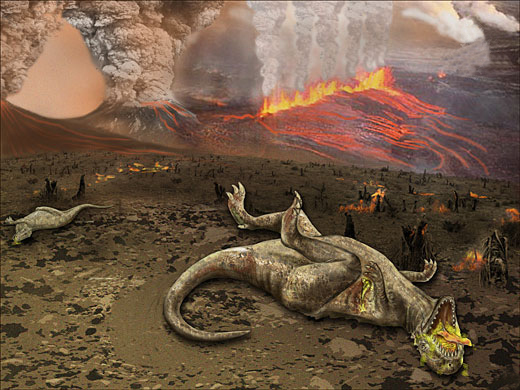
Deccan Traps volcano

What Is the Cretaceous–Paleogene Extinction Event?

The Cretaceous-Paleogene (K-Pg) extinction event represents one of the most catastrophic moments in Earth’s history, when approximately 75% of all species vanished in a geological instant. This mass extinction, which occurred 66 million years ago, marks the boundary between the Mesozoic and Cenozoic eras and dramatically altered the course of evolution on our planet. Most ...

Ancient Wetlands and Swamps That Hid Dinosaurs

In the misty shadows of prehistoric landscapes, vast networks of wetlands and swamps once served as both sanctuary and hunting ground for countless dinosaur species. These waterlogged ecosystems, teeming with life and vegetation, created perfect conditions for dinosaur habitation while simultaneously preserving their remains for future discovery. Today, paleontologists unearth these ancient creatures from what ...

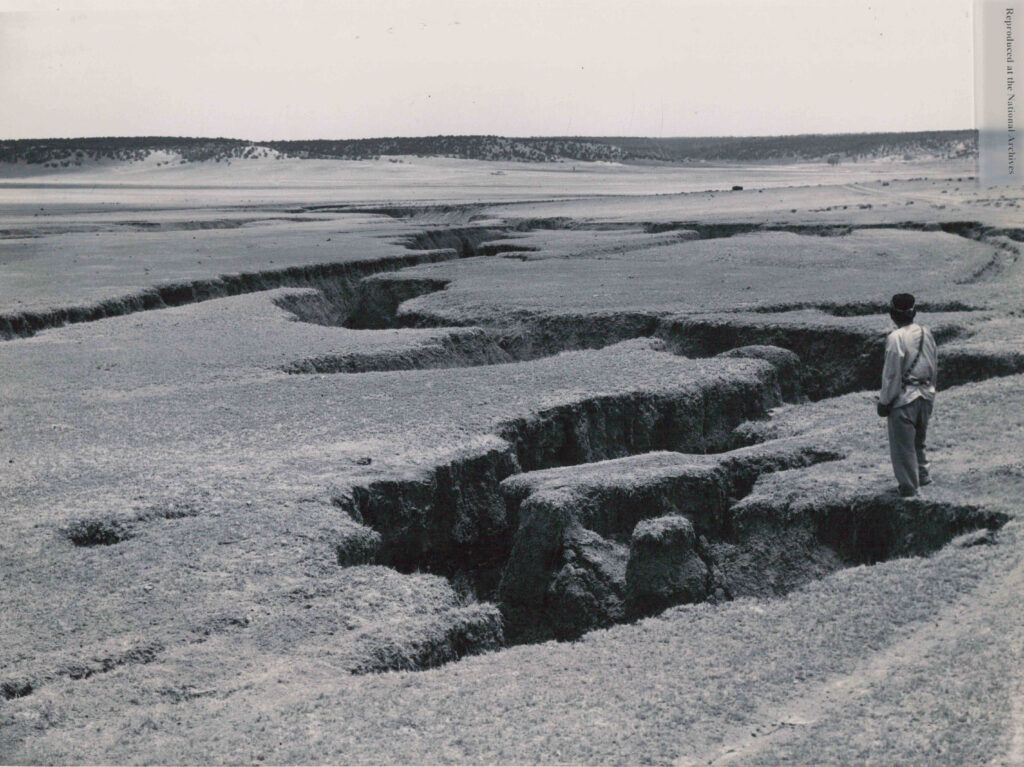
A person stands at the edge of a large, cracked earth fissure in a desolate landscape. Sparse vegetation and distant hills under an overcast sky convey isolation.

Earthquakes, Erosion, and the Preservation of Fossils

When we look at a fossil in a museum, we’re witnessing the remarkable culmination of geological processes that have preserved evidence of ancient life against tremendous odds. Earthquakes and erosion—forces typically associated with destruction—play surprisingly nuanced roles in the fossil record. These powerful natural phenomena can simultaneously destroy potential fossils and create ideal conditions for ...

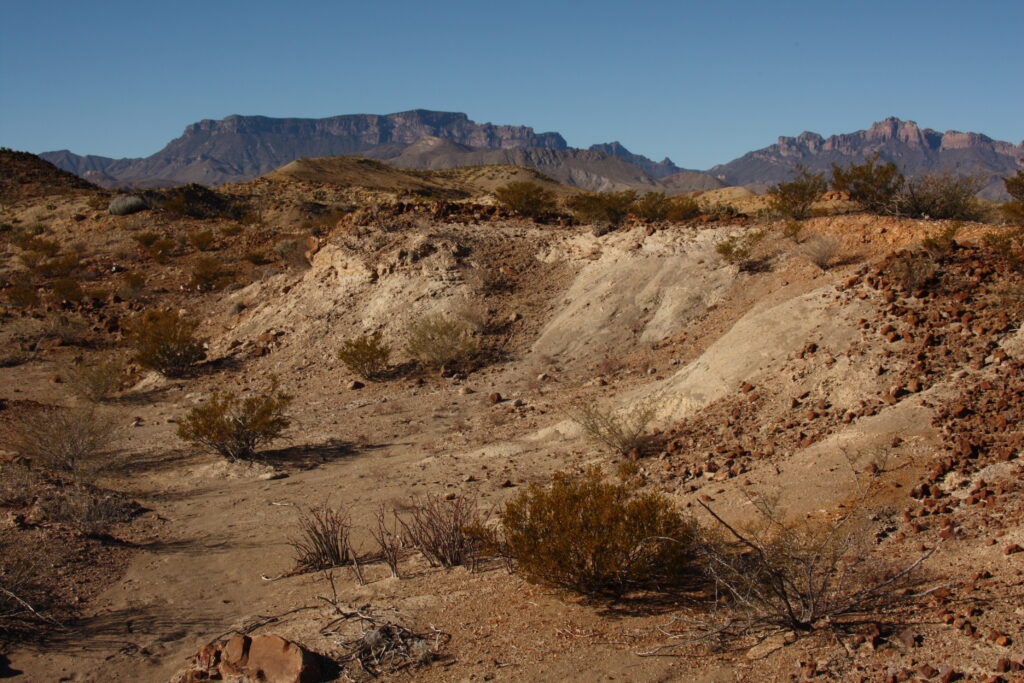
Arid desert landscape with sparse vegetation, dry soil, and scattered shrubs. Rugged mountains rise in the background under a clear blue sky.

The Dusty, Windy Deserts of the Cretaceous

When we think of the Cretaceous period, lush tropical forests and dinosaur-filled swamps often come to mind. However, this vibrant chapter of Earth’s history, spanning from 145 to 66 million years ago, also featured vast, arid landscapes that rivaled modern deserts in their harshness. Recent paleoclimatological research has revealed that these ancient Cretaceous deserts played ...

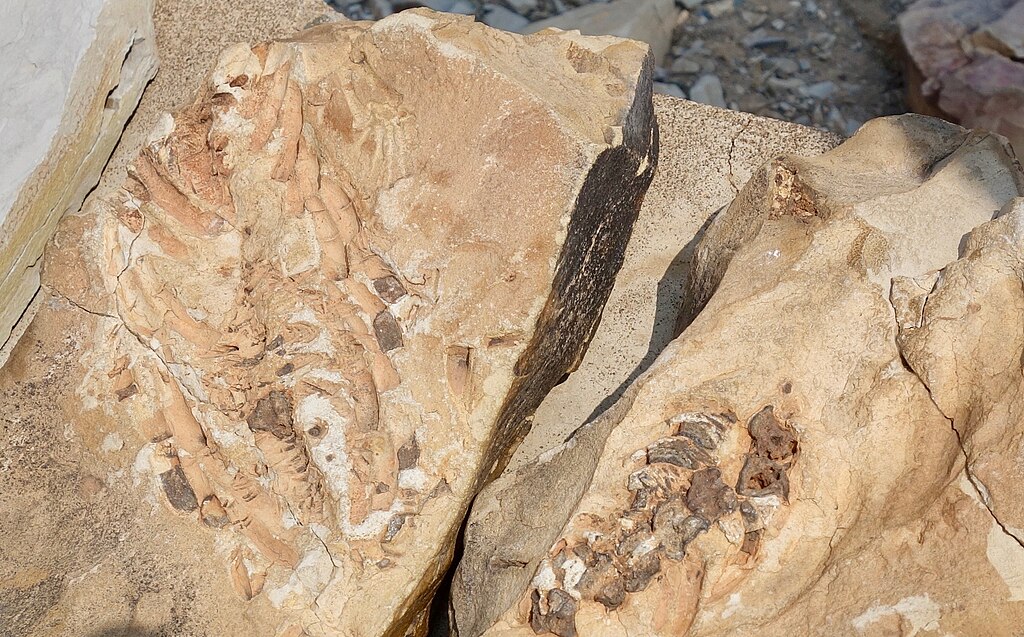
Mesosaurus Fossils

Fossils Found in the Wrong Place: What They Tell Us About Prehistoric Earth

When we think of fossils, we often picture them neatly organized in museum displays, each telling a straightforward story about Earth’s past. However, the reality of paleontology is far more complex and fascinating. Across the globe, scientists have discovered fossils in locations that seemingly contradict our understanding of prehistoric geography, climate, and species distribution. These ...