Articles for category: Prehistoric Environment

First Bees Appear

When Did the First Bees Appear and Did Dinosaurs Notice

The buzz of bees is one of nature’s most familiar sounds, a constant reminder of these industrious pollinators that help sustain our ecosystems and food supply. But bees haven’t always been part of Earth’s biological tapestry. Their evolutionary history spans millions of years, overlapping with some of Earth’s most iconic prehistoric creatures—the dinosaurs. This fascinating ...

A fiery meteor crashes into the Earth, creating a bright explosion over a dark, cloud-covered ocean, illustrating a dramatic and destructive event.

The Climate Chaos After the Asteroid: How the Sky Went Dark

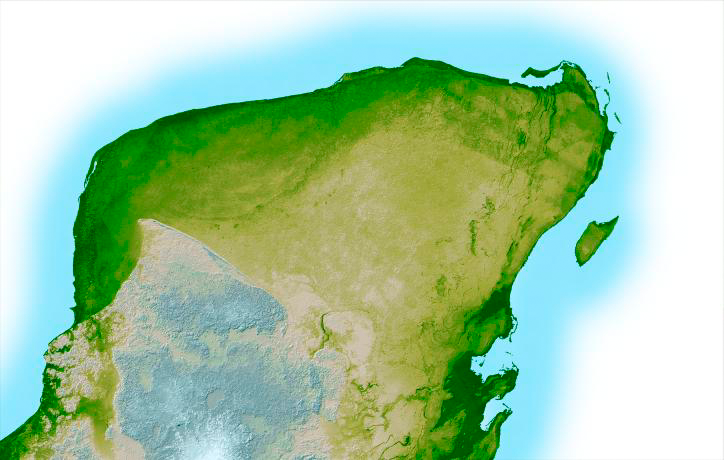
When a massive asteroid slammed into Earth 66 million years ago, it didn’t just kill the dinosaurs – it triggered one of the most catastrophic climate disasters in our planet’s history. The impact, which created what we now call the Chicxulub crater in Mexico’s Yucatán Peninsula, released energy equivalent to billions of atomic bombs, instantly ...

Digital elevation map of the Yucatán Peninsula with green land masses and light blue water. Elevation changes highlighted in darker shades.

Did the Dinosaurs See It Coming? Signs of Trouble Before the End

Approximately 66 million years ago, the age of dinosaurs came to an abrupt end when a massive asteroid struck Earth near present-day Mexico. This catastrophic event, known as the Cretaceous-Paleogene (K-Pg) extinction, wiped out approximately 75% of all species on the planet, including the non-avian dinosaurs that had dominated terrestrial ecosystems for over 160 million ...

Environmental Factors

Ancient Rainfall Patterns and How They Affected Dinosaur Migration

The movement patterns of dinosaurs, Earth’s most iconic prehistoric inhabitants, were influenced by numerous environmental factors during their 165-million-year reign. Among these factors, rainfall patterns stand out as particularly significant, shaping migration routes, breeding grounds, and feeding territories. Paleoclimatologists and paleontologists have made remarkable strides in understanding how precipitation cycles during the Mesozoic Era (252-66 ...

The Polar Bear Lizard That Ruled the Arctic

The Dinosaur That Lived in the Arctic

You might think dinosaurs only existed in hot, steamy jungles, lumbering through tropical swamps like something from a Hollywood movie. That’s what most of us picture, right? But imagine this scene instead: a snow-dusted landscape near Circle, where massive duck-billed dinosaurs trudge through winter darkness while feathered predators hunt in the bitter cold. Sounds impossible, ...

Bees Alongside Dinosaurs

Prehistoric Bees and Flowers: What the Fossil Record Reveals

The intricate dance between bees and flowers represents one of nature’s most enduring partnerships, a relationship that has shaped Earth’s ecosystems for millions of years. This ancient alliance began long before humans walked the planet, evolving through countless geological ages to produce the diverse botanical world we recognize today. Through careful examination of fossilized remains—from ...

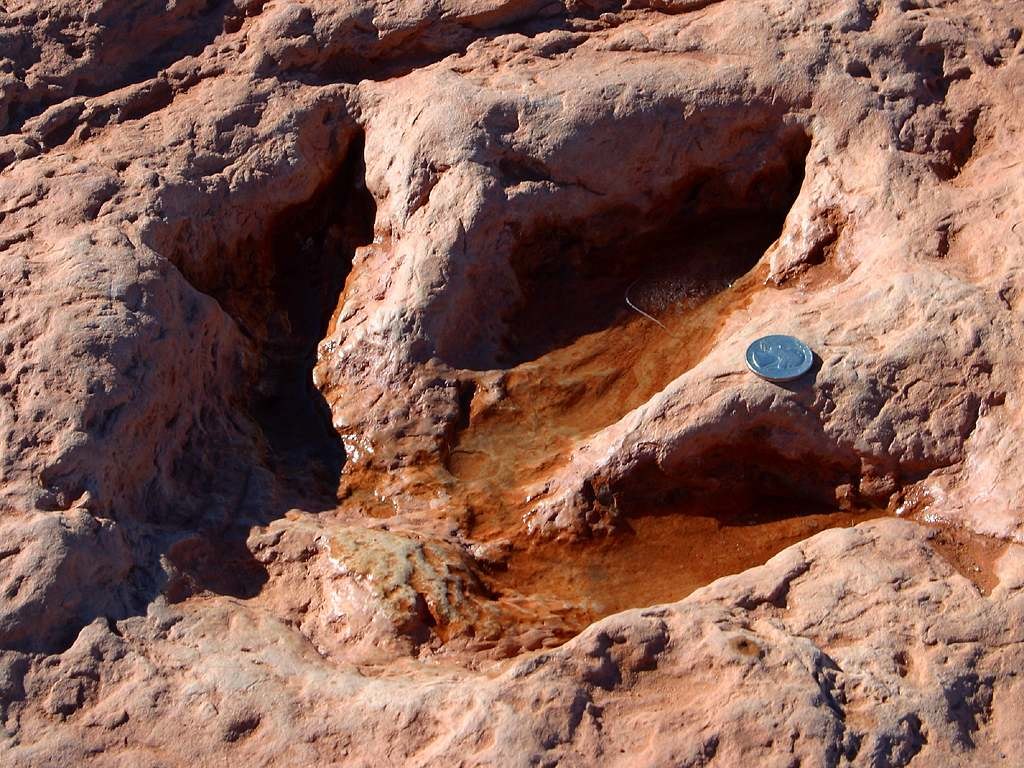
Dinosaur track

10 Places Where You Can See Dinosaur Footprints in Real Life

Imagine standing in the same spot where, millions of years ago, a massive dinosaur once walked. Dinosaur footprints offer a tangible connection to Earth’s prehistoric past, serving as natural time capsules that have survived for eons. Unlike fossils displayed in museums, these tracks remain in their original locations, providing context about how these magnificent creatures ...

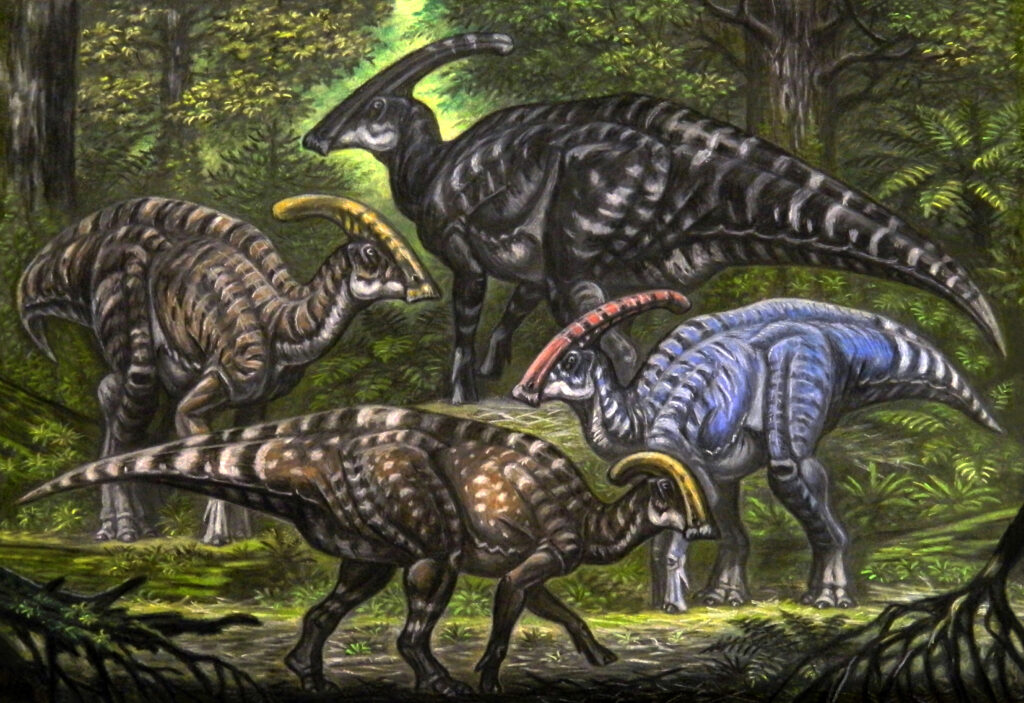
Four dinosaurs with crests on their heads stand in a lush forest. Their varied colors and patterns blend with the greenery, creating a dynamic scene.

Dinosaurs and Humans Never Coexisted—Here’s the Proof

For decades, popular culture has occasionally portrayed humans and dinosaurs living side by side—from “The Flintstones” cartoon to films like “One Million Years B.C.” This creative license has contributed to a persistent misconception that humans might have encountered these prehistoric reptiles. However, the scientific evidence is overwhelmingly clear: humans and non-avian dinosaurs missed each other ...

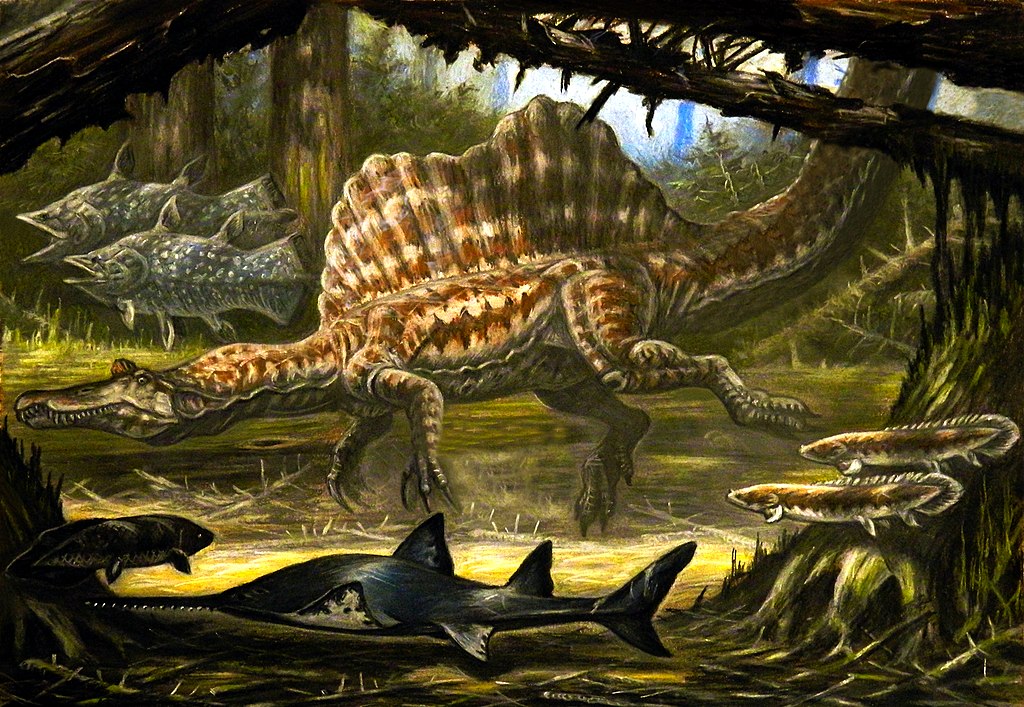
The mystery of how Spinosaurus moved, both on land and in water, continues to spark heated debates among paleontologists, with each new discovery offering fresh insights into its unique biology.

When Dinosaurs Lived Beside Giant Rivers and Deltas

The Mesozoic Era, spanning from 252 to 66 million years ago, witnessed the reign of dinosaurs across landscapes dramatically different from those we know today. Among the most biologically productive and ecologically significant environments of this period were the massive river systems and sprawling deltas that crisscrossed prehistoric continents. These dynamic waterways not only shaped ...