Articles for author: Lovely Aquino

When the Sky Fell: How a Space Rock Ended the Age of Dinosaurs

When the Sky Fell: How a Space Rock Ended the Age of Dinosaurs

Picture this: a seemingly ordinary day in what is now Mexico’s Yucatan Peninsula, roughly sixty-six million years ago. The sun shines over lush tropical forests where massive T-rex hunt duck-billed dinosaurs, while long-necked sauropods graze peacefully nearby. Then, suddenly, a brilliant white dot appears in the sky, growing larger and brighter until it becomes an ...

Cold-Adapted Dinosaurs

Were Any Dinosaurs Cold-Tolerant? How They Might Have Handled Snow

In the popular imagination, dinosaurs often roam through lush tropical landscapes or arid deserts. However, paleontological evidence increasingly suggests a more complex picture of these ancient creatures and their environmental adaptations. While we commonly associate dinosaurs with warm climates, fossil discoveries and anatomical studies indicate that some dinosaur species may have been well-equipped to handle ...

Sketch of Zephyrosaurus

Did Dinosaurs Have Ear Holes Like Lizards or Ears Like Birds?

The mystery of dinosaur hearing has fascinated paleontologists for generations. As extinct creatures that left behind only fossilized remains, understanding their sensory capabilities requires clever detective work comparing their anatomy to modern animals. One particularly intriguing question concerns their ears – did dinosaurs have simple ear openings like modern reptiles, or more complex external ears ...

Alamosaurus

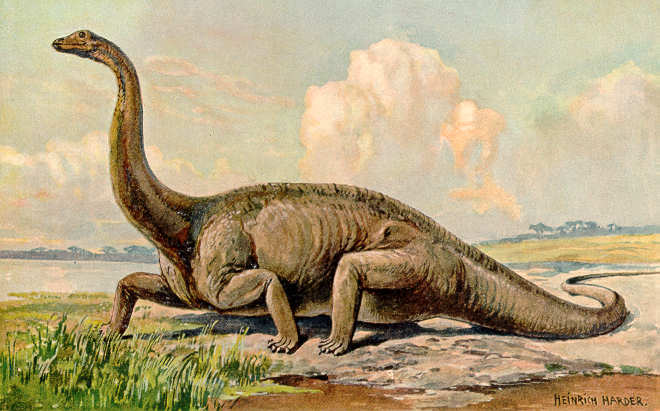
Alamosaurus: The Lone Star State’s Answer to Titanosaurs

In the vast expanse of prehistoric Texas, a giant once roamed the landscape during the twilight of the dinosaur era. Alamosaurus sanjuanensis, North America’s last giant sauropod, represents a fascinating chapter in paleontological history that connects the Lone Star State to the wider world of titanosaurs. This remarkable dinosaur, which lived approximately 70-66 million years ...

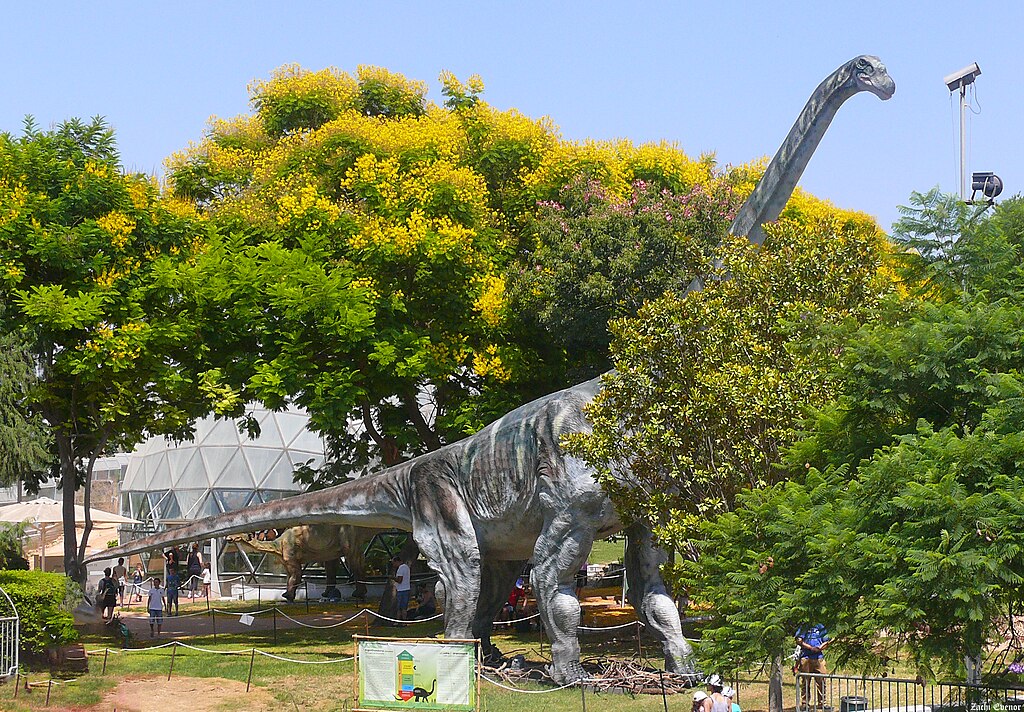
dinosaur with open mouth beside buildings still selective focus photography of

Would Dinosaurs Have Been Taller Than a Two-Story House?

When we imagine dinosaurs, many of us envision massive creatures towering over landscapes, dwarfing everything in their path. Popular culture has often depicted these prehistoric giants as tall enough to peek into second-story windows or even tower above entire buildings. But how accurate are these portrayals? Would dinosaurs truly have been taller than a two-story ...

Empty Real Estate for Expansion

The Secret Benefits of Extinction Events for Dinosaur Evolution

When we think about extinction events, we usually picture devastation, death, and the tragic loss of countless species. However, what if these catastrophic moments actually served as springboards for life to reach new heights? The story of dinosaur evolution is filled with surprising twists where extinction events didn’t just end old chapters – they wrote ...

Elmer Riggs, the first curator of Fossil Mammals wearing cap and field laboratory assistant Harold W. Menke preparing Grand Junction Colorado fossils including the Brachiosaurus altithorax femur still in plaster jacket at left, Paleontology Laboratory, Field Columbian Museum, Geology specimen, December 1, 1894.

5 Lab Technicians and Fossil Preparators Who Deserve More Credit

While paleontologists and researchers often receive the spotlight for groundbreaking fossil discoveries, the meticulous work of laboratory technicians and fossil preparators remains largely in the shadows. These skilled professionals transform raw field specimens into scientifically valuable artifacts through painstaking preparation, preservation, and documentation. Their expertise combines artistry with scientific precision, yet their names rarely appear ...

Tanystropheus

The Prehistoric Creature With a Neck Three Times Its Body Length

In the vast timeline of Earth’s prehistoric past, few creatures capture our imagination quite like the long-necked plesiosaurs and their relatives. Among these ancient marine reptiles, Tanystropheus stands out as perhaps the most bizarre example of evolutionary experimentation. This Middle Triassic reptile possessed a neck so extraordinarily elongated that it measured approximately three times the ...

Waco mammoth site

How Erosion and Climate Change Are Exposing Hidden Fossils

The Earth constantly reveals its secrets as natural processes reshape its surface. In recent years, the twin forces of erosion and climate change have been working in tandem to uncover paleontological treasures that have remained hidden for millions of years. While these processes threaten countless ecosystems and human settlements, they paradoxically offer scientists unprecedented access ...