Articles for author: Lovely Aquino

Specimen Ridge Petrified Forest Yellowstone

Fossilized Forests: How Lava Preserved Ancient Woodlands

Deep beneath layers of volcanic rock lie remarkable time capsules of Earth’s prehistoric past—ancient forests perfectly preserved by flows of molten lava. These fossilized woodlands provide an extraordinary window into ecosystems that flourished millions of years ago, capturing not just individual trees, but entire forest communities frozen in time. Unlike traditional fossils that preserve only ...

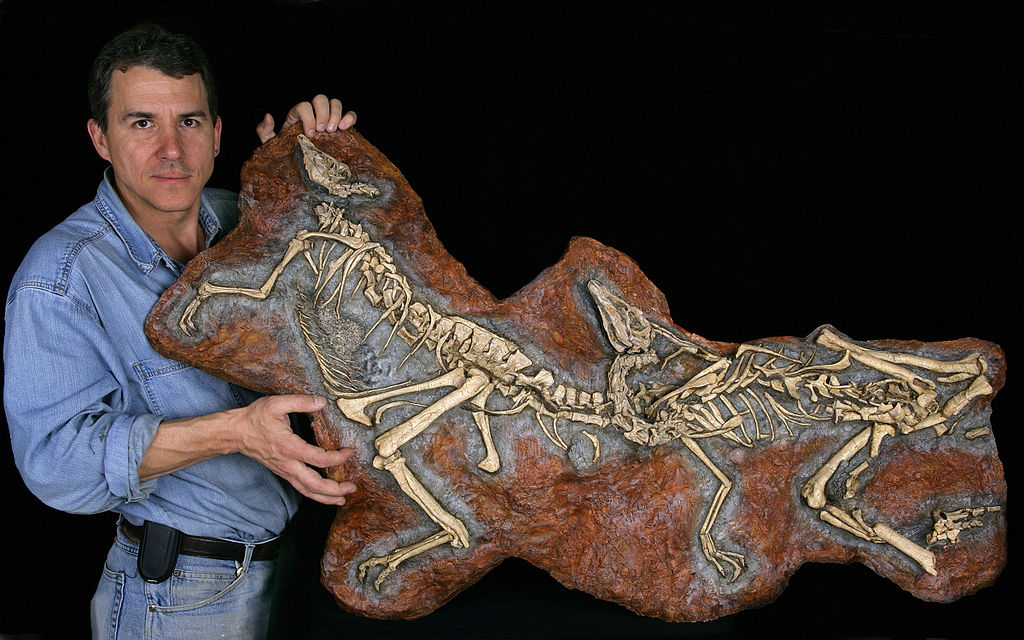
Microraptor's aerodynamic feathers hint at gliding or even early flight, soaring through prehistoric skies.

Why Some Dinosaurs Had Feathers While Others Didn’t

The image of dinosaurs has undergone a remarkable transformation in recent decades. Once portrayed exclusively as scaly reptilian creatures, many dinosaur species are now known to have sported feathers in various forms. This revolutionary understanding has reshaped our perception of these ancient animals and their connection to modern birds. However, feathers weren’t universal among dinosaurs—some ...

Nesting Protoceratops

Theories on Dinosaur Sleep Cycles

Dinosaurs have captivated human imagination for centuries, yet many aspects of their daily lives remain shrouded in mystery. Among these enigmas is how these magnificent creatures slept. Modern paleontologists and researchers have developed fascinating theories about dinosaur sleep patterns by analyzing fossil evidence, comparing anatomical structures to modern relatives, and applying our understanding of animal ...

A juvenile titanosaur has been caught by one pterosaur

Pterosaurs: The Flying Reptiles That Ruled the Air

Long before birds dominated the skies and even before bats took their first fluttering flights, another group of animals had already mastered the art of aerial locomotion. Pterosaurs, whose name means “winged lizards,” were the first vertebrates to evolve powered flight. These remarkable reptiles weren’t dinosaurs, though they were close relatives, and they inhabited Earth ...

green chameleon lifting left leg

Could Dinosaurs Change Color Like Chameleons?

The ability of chameleons to change their skin color has fascinated humans for centuries. These remarkable reptiles can shift their hues to communicate, regulate body temperature, and camouflage themselves from predators. Given that dinosaurs were also reptiles, albeit often much larger ones, a natural question arises: could dinosaurs change color like chameleons? Recent paleontological discoveries ...

Central Plaza Mahachai,Samutsakorn,Thailand

Yutyrannus: The Feathered Giant That Changed Everything We Knew About T. rex

In the world of paleontology, few discoveries have shattered long-held assumptions quite like Yutyrannus huali. This massive feathered predator from Early Cretaceous China fundamentally altered our understanding of tyrannosaurs and challenged the traditional image of Tyrannosaurus rex and its relatives. Unveiled to the scientific community in 2012, Yutyrannus—whose name translates to “feathered tyrant”—provided conclusive evidence ...

Maiasaura herd

What We Know About Dinosaur Herd Behavior

Dinosaurs, the magnificent creatures that dominated Earth for over 160 million years, have long captured our imagination. While popular media often portrays them as solitary hunters or mindless beasts, paleontological evidence increasingly suggests that many dinosaur species exhibited complex social behaviors, particularly herding. Through careful analysis of fossils, trackways, nesting sites, and comparative studies with ...

blue and white UNKs UNK UNK UNK signage

Why Dinosaurs Became a Symbol of Adventure and Exploration

Dinosaurs have transcended their scientific status as prehistoric creatures to become powerful cultural symbols of adventure, exploration, and the unknown. These extinct reptiles, which dominated Earth for over 165 million years, now dominate our collective imagination as icons of discovery and wonder. From museum exhibits that draw millions of visitors annually to blockbuster films that ...

Dinosaur tracks in the Cretaceous of Colorado, USA

How Are Dinosaur Footprints Preserved and Studied?

When a dinosaur walked across the landscape millions of years ago, it left behind more than just bones. Footprints, preserved in stone, offer paleontologists a remarkable window into the past, capturing moments of prehistoric life in action. These trace fossils reveal information about dinosaur behavior, movement patterns, and physiology that skeletal remains alone cannot tell ...