Articles for author: Awais Khan

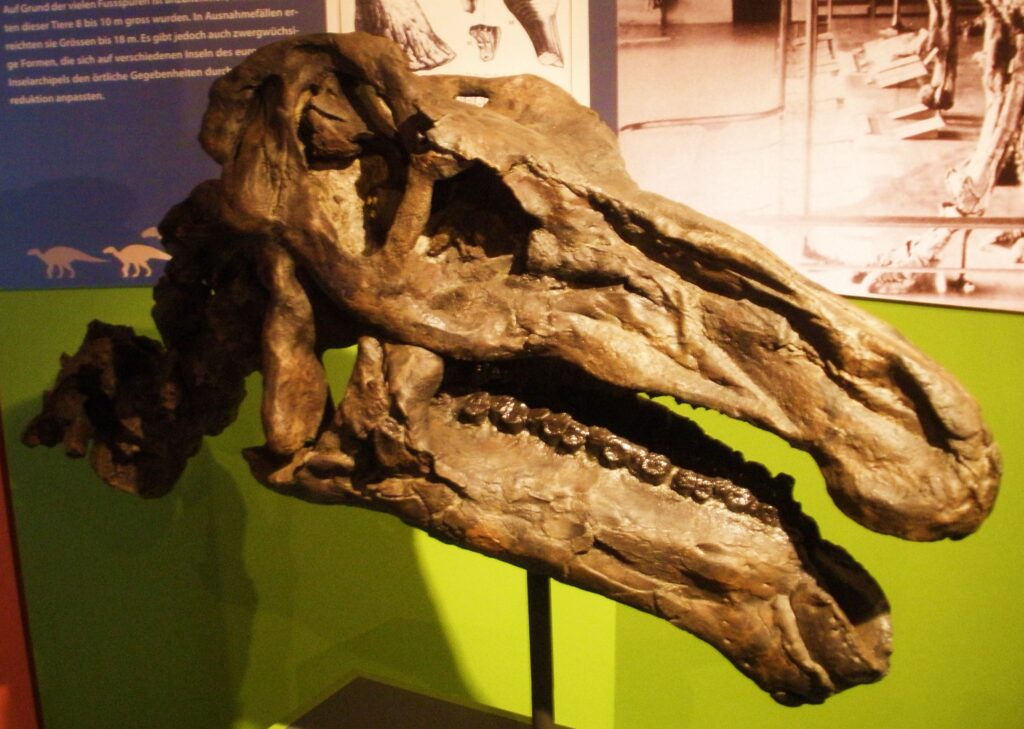
Close-up of a fossilized dinosaur skull on display against a green backdrop. The texture is rough and brown, evoking an ancient, mysterious tone.

The Fossil That Was Reassembled Backwards (Yes, Really)

In the fascinating world of paleontology, even the most skilled scientists occasionally make extraordinary mistakes. One of the most remarkable examples in scientific history involves fossils that were meticulously reconstructed—but completely backwards. These embarrassing yet enlightening errors remind us that science is a process of continuous learning and correction. The story of backwards-assembled fossils offers ...

A grand, beige building with neoclassical architecture is under a clear blue sky. The road, with traffic barriers, is lined with sculpted bushes, conveying a formal tone.

Feathered Fossils and Ancient Finds in Beijing’s Natural History Museum

The Beijing Museum of Natural History stands as a testament to China’s rich paleontological heritage, housing some of the most significant fossil discoveries of our time. Among its treasures, the collection of feathered dinosaur fossils represents a revolutionary chapter in our understanding of avian evolution. These remarkable specimens, many unearthed from China’s fossil-rich provinces, provide ...

Life-size cast of Scotty the T.rex Discovery Centre in Eastend, SK.

T. rex Arms: Ridiculous or Deadly? North American Fossils Fuel Both Views

The Tyrannosaurus rex, with its massive skull, powerful hind limbs, and famously diminutive forelimbs, has captivated our collective imagination since its first discovery. The stark contrast between the dinosaur’s fearsome reputation and its seemingly comical arms has sparked endless debate among paleontologists and dinosaur enthusiasts alike. Were these tiny appendages useless vestiges of evolution or ...

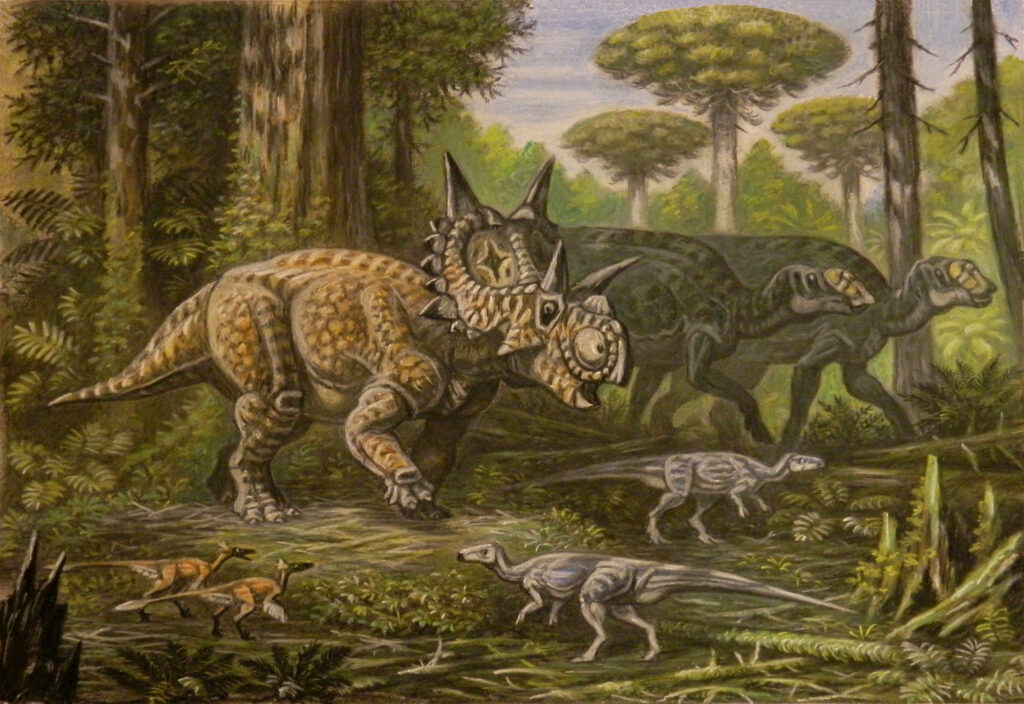
Dinosaurs roam a lush forest, with a horned creature and armored species in the foreground. The scene conveys a prehistoric, natural setting.

Gryposaurus: The Hook-Nosed Hadrosaur of the American Southwest

Among the diverse array of dinosaurs that once roamed North America during the Late Cretaceous period, Gryposaurus stands as one of the most distinctive hadrosaurids ever discovered. Known for its remarkable arched nasal bone that earned it the nickname “hook-nosed lizard,” this duck-billed dinosaur has fascinated paleontologists since its first discovery in the early 20th ...

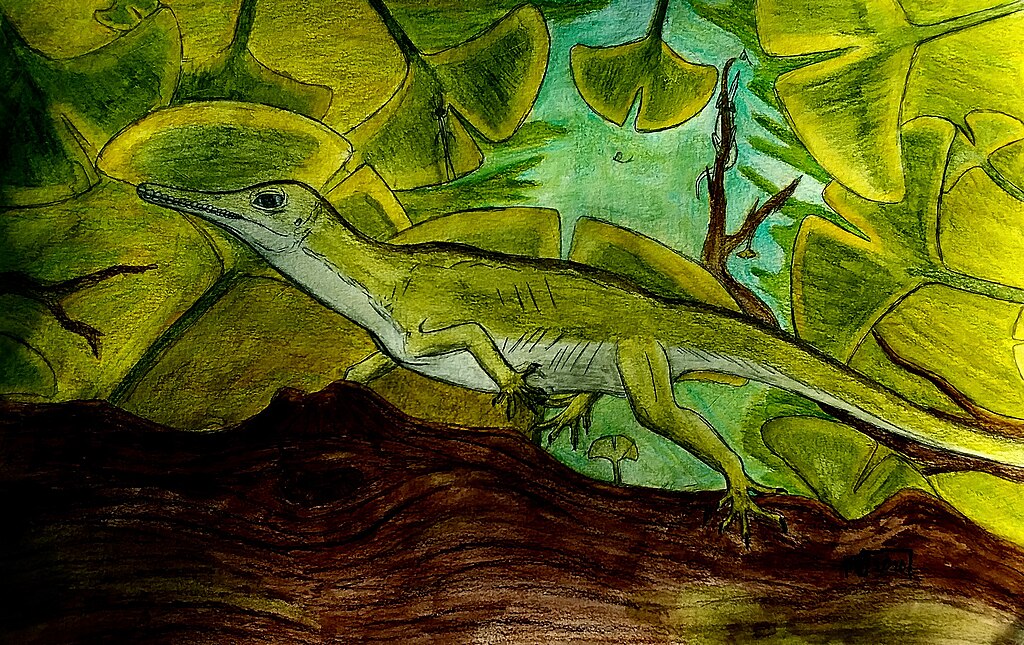
Oculudentavis khaungraae

Oculudentavis: The Hummingbird-Sized Dinosaur That Shook Paleontology

In 2020, the paleontological world was stunned by an announcement that seemed to rewrite our understanding of dinosaur evolution and miniaturization. A tiny skull, preserved in 99-million-year-old amber from Myanmar, was described as belonging to Oculudentavis khaungraae—a creature so small it was compared to modern hummingbirds. This discovery appeared to represent the smallest dinosaur ever ...

A child in a dinosaur-themed sweater excitedly holds a replica fossil in front of a dinosaur painting with lush greenery, evoking a sense of wonder.

Nedcolbertia: The Small but Swift Dinosaur Found in Utah’s Cedar Mountain Formation

Nestled within the ancient layers of Utah’s Cedar Mountain Formation lies the fossilized remains of a remarkable dinosaur that once darted through the Early Cretaceous landscape. Nedcolbertia, named in honor of renowned paleontologist Edwin Colbert, represents an important discovery in our understanding of small theropod dinosaurs from North America. This swift, agile predator may not ...

A realistic dinosaur statue with its mouth open, showcasing sharp teeth, is set against a blue sky with wispy clouds, conveying a sense of awe and majesty.

What If Dinosaurs Could See in UV or Infrared?

When we imagine dinosaurs, we typically envision their physical appearances—scaly skin, massive bodies, and fearsome teeth. But what if there was more to their sensory world than we’ve considered? Modern research into animal vision reveals extraordinary diversity in how creatures perceive light. Some contemporary animals can see ultraviolet or infrared wavelengths invisible to humans. This ...

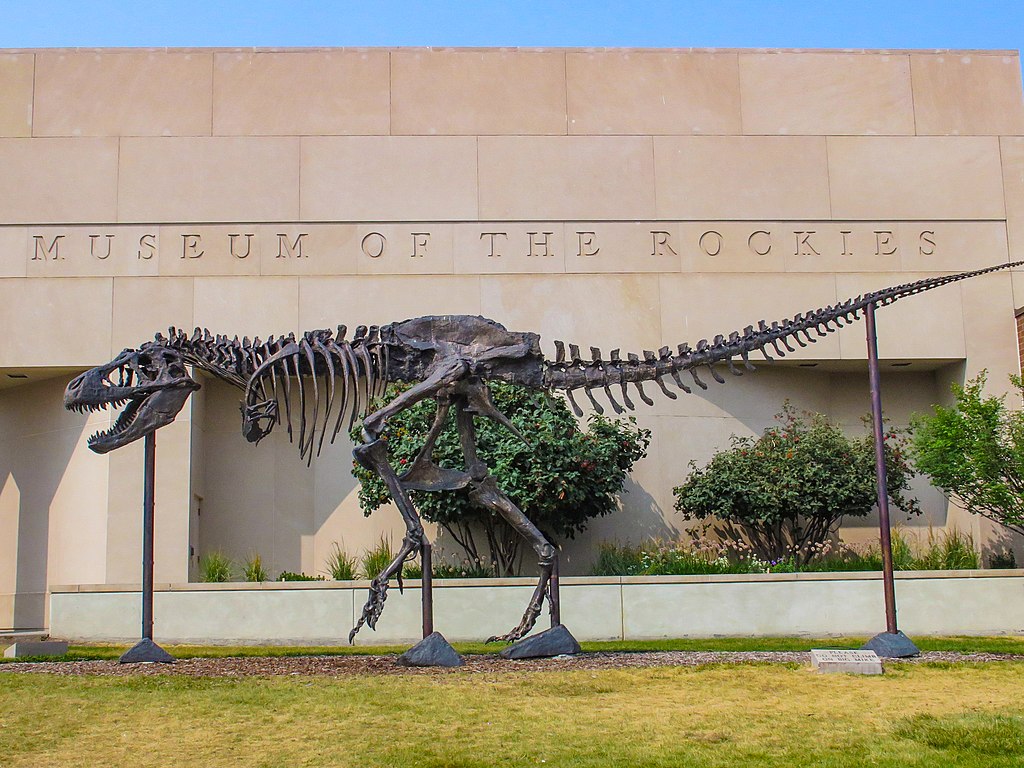
Museum Of The Rockies Montana

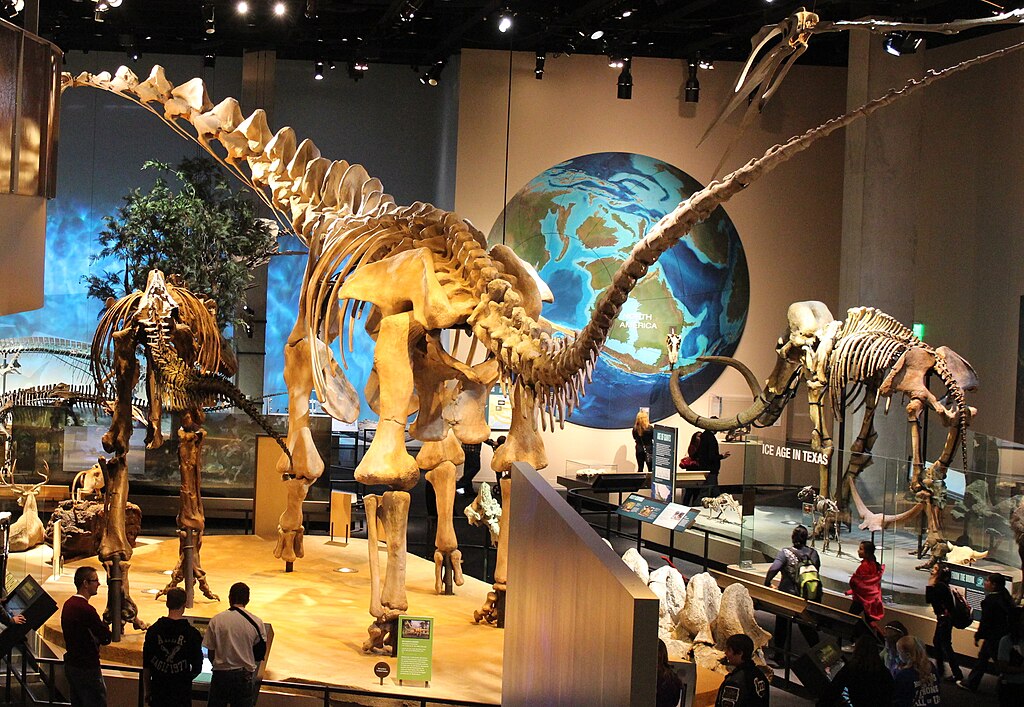
What We’ve Learned From the Buried Dinosaurs of Texas

The rugged landscape of Texas conceals remarkable prehistoric treasures beneath its surface. While many associate dinosaur discoveries with Montana, Wyoming, or Utah, Texas has quietly emerged as a significant contributor to our understanding of prehistoric life. From massive sauropods that once thundered across ancient coastal plains to fierce predators that dominated Cretaceous ecosystems, Texas’s fossil ...