Articles for author: Awais Khan

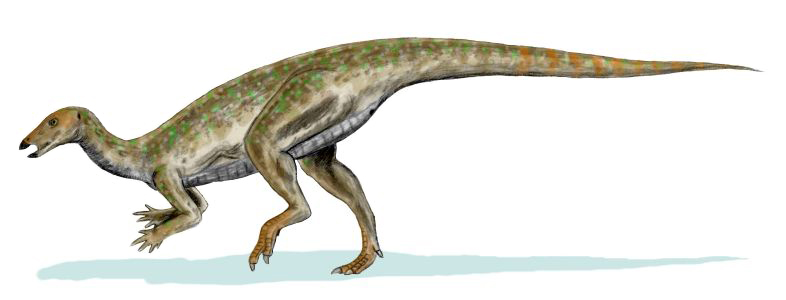
Illustration of an dinosaur with a long tail and snout. It has a mottled green and brown pattern on its skin, conveying a realistic prehistoric appearance.

Thescelosaurus: The “Wondrous Lizard” That Survived Until the End in Montana

Thescelosaurus, whose name aptly translates to “wondrous lizard,” stands as one of the final dinosaur species to walk the Earth before the catastrophic extinction event that marked the end of the Cretaceous period. This remarkable herbivore, often overshadowed by its more famous contemporaries like Tyrannosaurus rex and Triceratops, has a fascinating story that deserves telling. ...

Stegosaurus with Coelurus in the foreground.

How Big Were Dinosaur Brains, Really — and Did It Matter?

The image of dinosaurs as lumbering, dim-witted creatures has persisted in popular culture for decades. When we think of the Stegosaurus, we often picture a beast with a walnut-sized brain controlling its massive body. But recent paleontological discoveries have dramatically transformed our understanding of dinosaur neurology. Advanced imaging technologies and comparative studies have revealed that ...

Conclusion

10 Dinosaur Behaviors Inferred From Fossil Clues

The fossil record provides an extraordinary window into dinosaur life, revealing behaviors that went extinct millions of years ago. When paleontologists study dinosaur remains, they’re not just looking at bones – they’re uncovering stories about how these ancient creatures moved, fought, lived together, and survived in their prehistoric world. Herding and Group Movement Revealed Through ...

Awais Khan

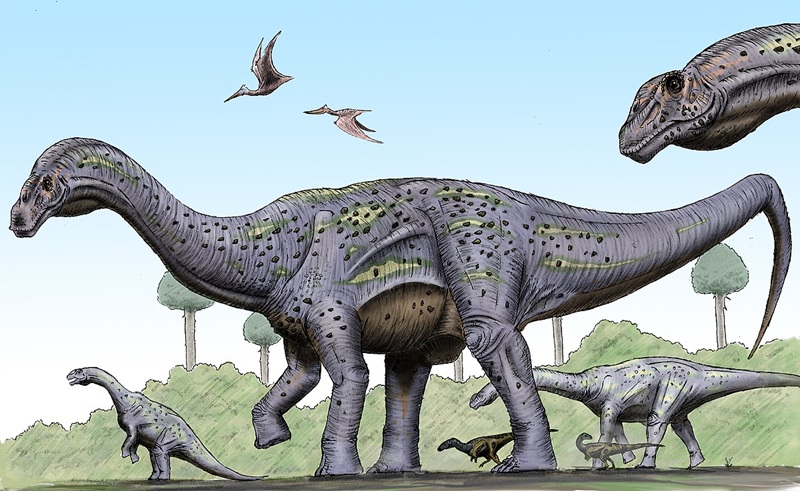
The Titanosaur

What’s Heavier: A Titanosaur or a Commercial Jet?

When we think about truly massive objects, both prehistoric creatures and modern technology can inspire awe with their sheer scale. The titanosaurs—the largest dinosaurs to ever walk the Earth—and today’s commercial airliners represent pinnacles of natural evolution and human engineering, respectively. But which weighs more? This comparison explores the fascinating intersection of paleontology and aviation, ...

Microraptor's aerodynamic feathers hint at gliding or even early flight, soaring through prehistoric skies.

Microraptor: The Four-Winged Glider Smaller Than a Housecat

Imagine a creature soaring through prehistoric forests, smaller than a modern housecat, with gleaming feathers on not just two but four limbs. This remarkable animal was Microraptor, one of the most fascinating dinosaurs ever discovered and a crucial piece in our understanding of avian evolution. Dating back approximately 120 million years to the Early Cretaceous ...

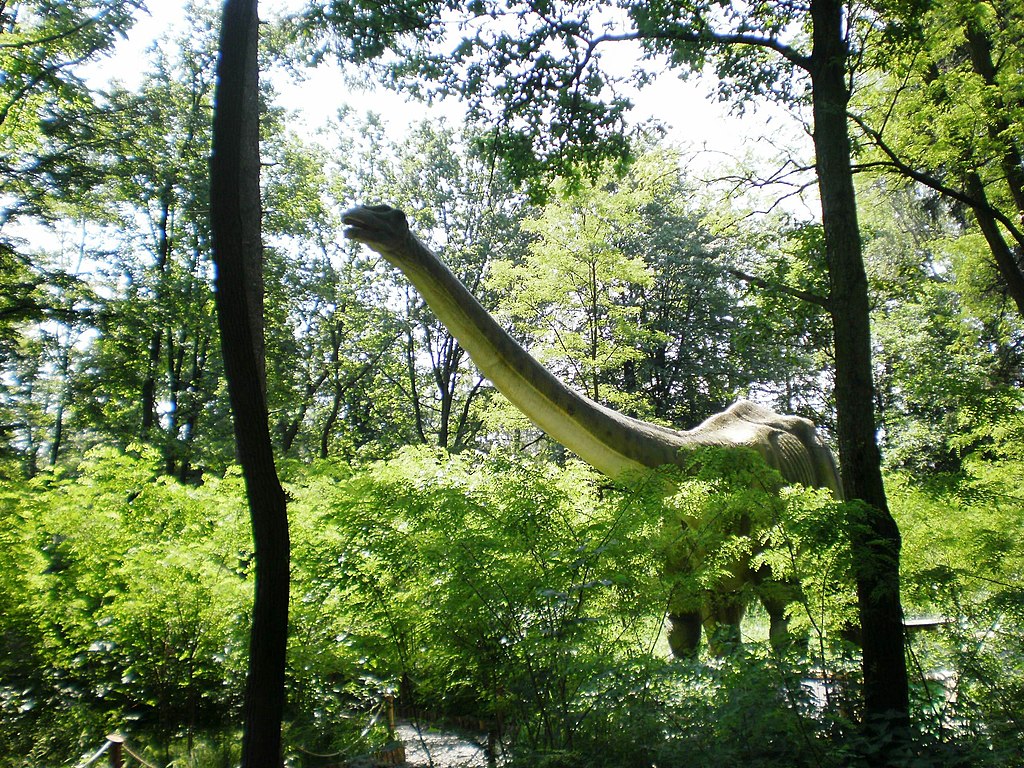
Naming of Brachiosaurus

Did Dinosaurs Sleep Standing Up or Lying Down?

The mystery of dinosaur sleep patterns has fascinated paleontologists and dinosaur enthusiasts for generations. While humans and most mammals have well-documented sleeping positions, understanding how massive creatures like Tyrannosaurus rex or towering sauropods like Brachiosaurus rested remains challenging. Unlike soft tissues and behaviors, sleep positions rarely fossilize, forcing scientists to rely on skeletal evidence, comparative ...

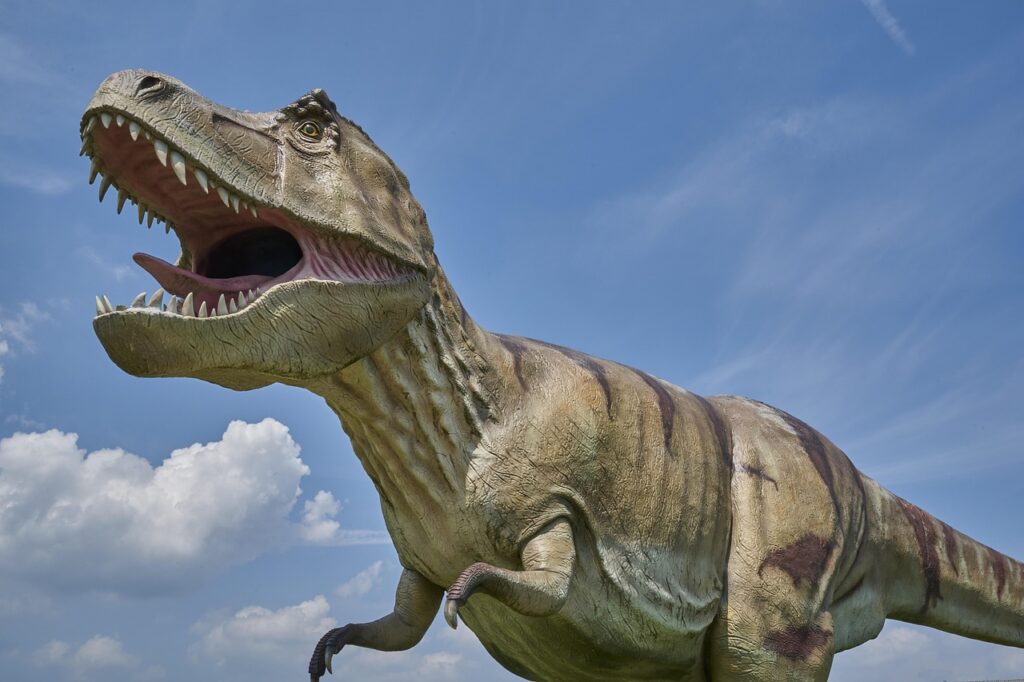
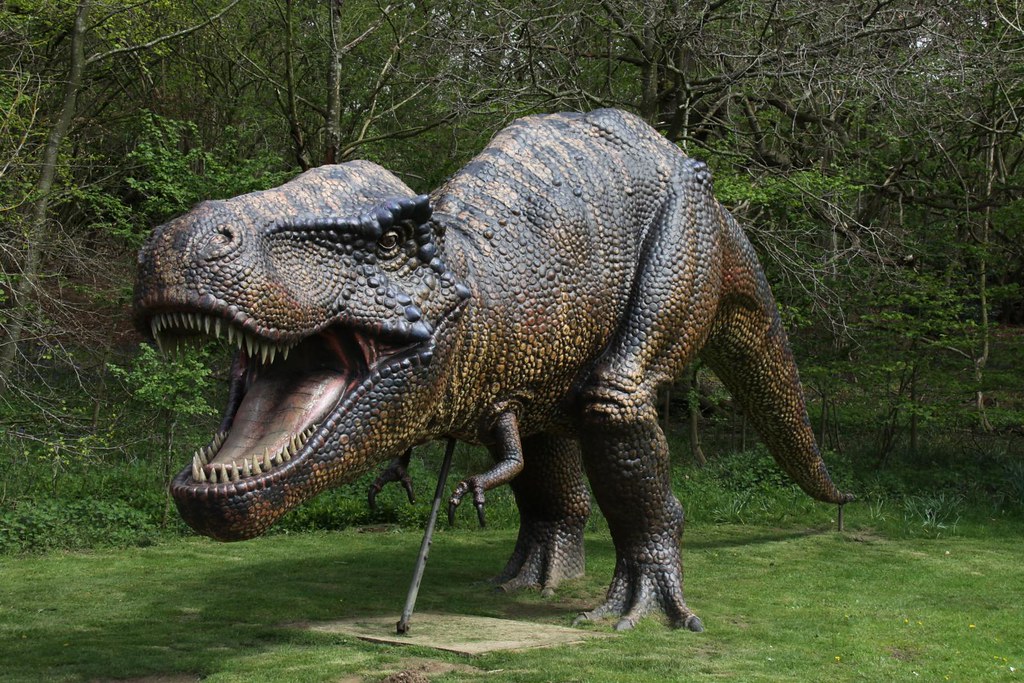
A lifelike dinosaur statue, resembling a Tyrannosaurus rex, stands in a lush, green forest. It has an open mouth displaying sharp teeth, conveying a fierce expression.

Could Dinosaurs Sweat? Why Their Cooling System Was So Different

Dinosaurs, those magnificent creatures that once ruled our planet for over 165 million years, continue to fascinate us with their mysterious biology and evolutionary adaptations. Among the many questions paleontologists and curious minds alike ponder is how these often massive animals regulated their body temperature in various climates. While mammals like humans rely heavily on ...

The Fatal Flaw

Why the Brontosaurus Disappeared—Then Came Back

The Brontosaurus stands as one of the most recognizable dinosaurs in popular culture, with its long neck, massive body, and whip-like tail capturing the imagination of generations. Yet this iconic creature has a peculiar scientific history that involves disappearance, rejection, and an unexpected resurrection. For nearly a century, paleontologists insisted the Brontosaurus never existed at ...

Microraptor's aerodynamic feathers hint at gliding or even early flight, soaring through prehistoric skies.

Could Dinosaurs Blush or Change Skin Color?

Dinosaurs, those magnificent creatures that once ruled our planet for over 165 million years, continue to captivate our imagination despite having vanished approximately 66 million years ago. While paleontologists have made remarkable strides in understanding dinosaur anatomy, behavior, and even some aspects of their appearance through fossil evidence, certain physiological capabilities remain shrouded in mystery. ...