Articles for author: Awais Khan

Awais Khan

Natural History Museum 1881 by Alfred Waterhouse - Mary Anning, the Fossil Woman

What If Humans and Dinosaurs Coexisted? (Scientifically Grounded Version)

The idea of humans and dinosaurs sharing the Earth has captivated our imagination for generations, from “The Flintstones” to “Jurassic Park.” While popular culture often depicts these scenarios for entertainment, the scientific reality presents a fascinating thought experiment. In truth, non-avian dinosaurs went extinct approximately 66 million years ago following the Chicxulub impact event, while ...
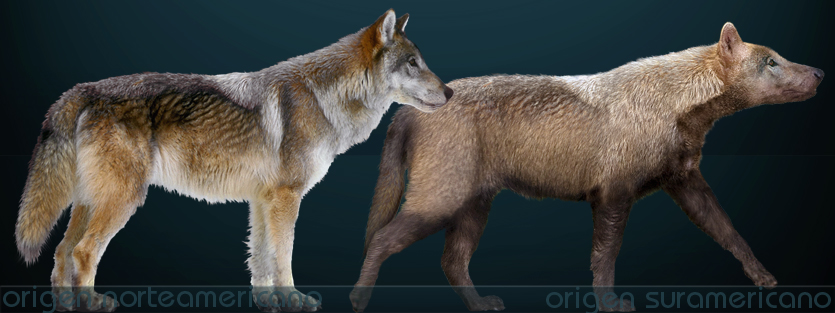
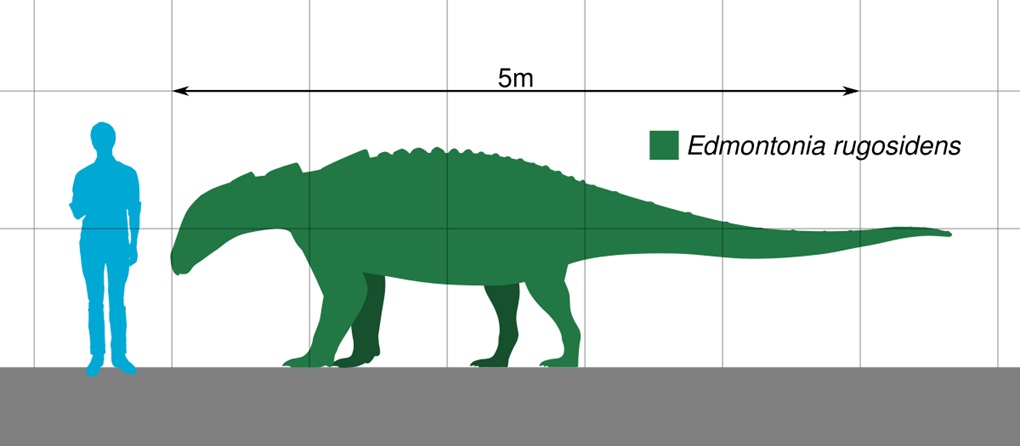
Illustration of two prehistoric canines against a dark blue background. The left resembles a wolf with thick fur, the right has a bear-like build.

The Real Dire Wolf: Separating History, De-Extinction & Game of Thrones

Few prehistoric predators have captured the modern imagination quite like the dire wolf. Made famous by George R.R. Martin’s fantasy series “A Song of Ice and Fire” and its television adaptation “Game of Thrones,” dire wolves have transcended from paleontological curiosity to pop culture icon. However, the fictional portrayal differs significantly from what science tells ...

Awais Khan

Edmontonia Growth and Development

How Accurate Are Dinosaur Growth Charts?

Dinosaur growth charts have become essential tools for paleontologists trying to understand how these magnificent creatures developed from hatchlings to adults. These visual representations track the estimated size, weight, and morphological changes of dinosaurs throughout their lifespans. While they appear authoritative in museums and textbooks, the accuracy of these growth charts varies significantly based on ...

The discovery of marine fossils alongside dinosaur remains illuminates the complex ecological connections that existed between terrestrial and marine environments during the Mesozoic Era.

What If Dinosaurs Had Become Aquatic?

The story of Earth’s prehistoric giants took a dramatic turn 66 million years ago when a catastrophic asteroid impact triggered mass extinction, wiping out non-avian dinosaurs and allowing mammals to diversify and thrive. But what if evolution had taken a different path? What if dinosaurs, facing environmental pressures, had adapted to aquatic environments instead of ...

Gait Analysis from Fossilized Tracks

Fossil Clues That Reveal Ancient Behavior, Not Just Anatomy

Paleontology has traditionally focused on reconstructing the physical appearance of extinct creatures through fossil remains. However, a fascinating branch of this science delves deeper, examining subtle clues that reveal not just what ancient organisms looked like, but how they lived, behaved, and interacted with their environments. These behavioral fossils—also called trace fossils or ichnofossils—provide remarkable ...

Illustration of two medium-sized sauropod dinosaurs with long necks walking in a sandy landscape; a large carnivorous dinosaur watches them from behind.

Camarasaurus: The Versatile Sauropod Found Across the Western USA

Among the majestic giants that roamed North America during the Late Jurassic period, Camarasaurus stands out as one of the most commonly discovered and well-studied sauropod dinosaurs. With its distinctive arched skull and modest size (compared to other sauropods), this herbivorous behemoth left a significant fossil record throughout the western United States. Appearing approximately 155-145 ...

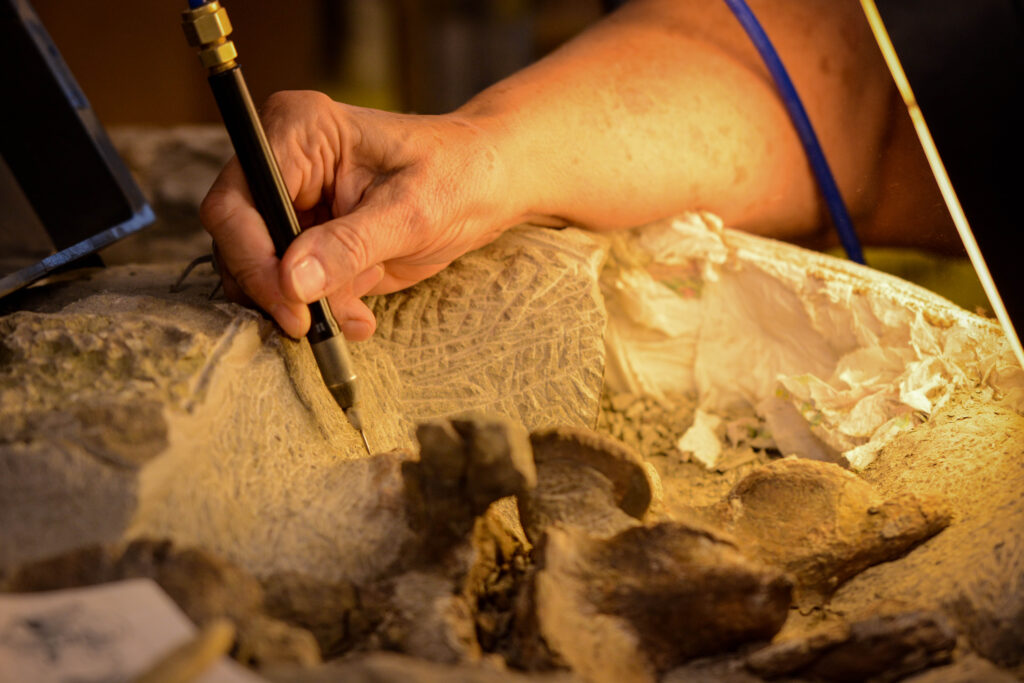
A hand delicately uses a tool to uncover details of a fossil embedded in rock, illuminated warmly. The scene conveys patience and precision in paleontology.

5 Women in Paleontology Who Are Breaking New Ground (Literally)

The field of paleontology has historically been dominated by men, but women have been making extraordinary contributions that are reshaping our understanding of prehistoric life. These pioneering female scientists aren’t just breaking gender barriers—they’re breaking ground as they excavate fossils and unearth new species that help us piece together Earth’s fascinating history. Their discoveries span ...

black and blue beetle on brown rock

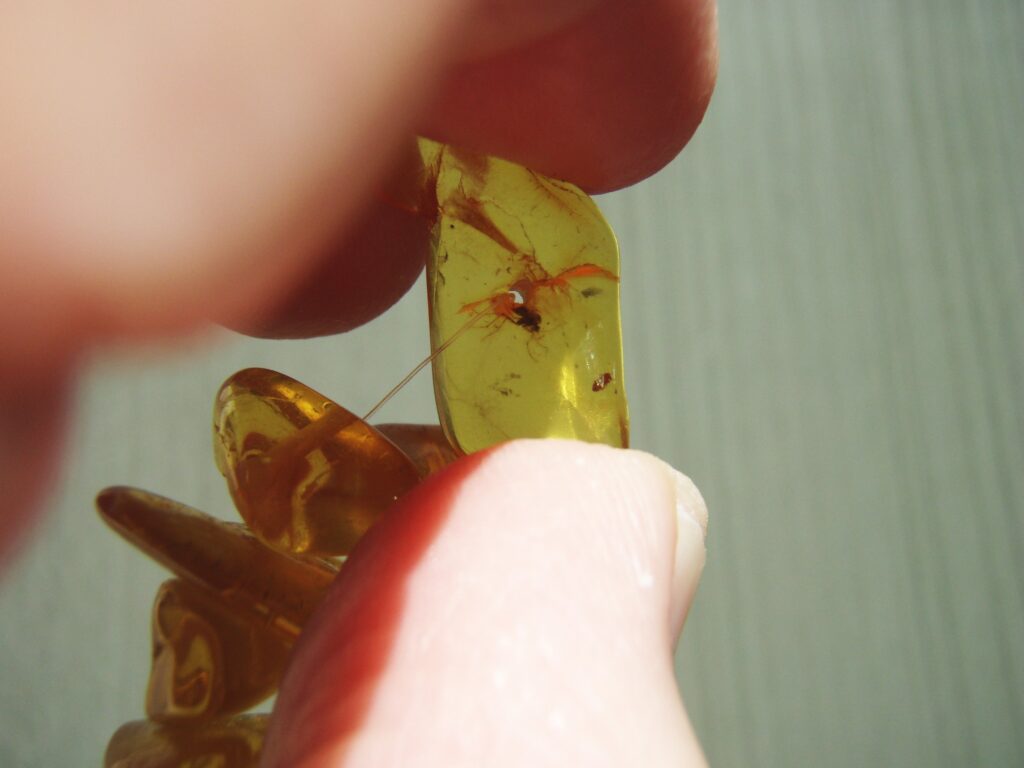
What Prehistoric Insects Reveal About Ancient Climates

Prehistoric insects, preserved in amber, fossilized in rock, or trapped in ancient ice, serve as time capsules that unlock secrets about Earth’s past environments. These tiny creatures, some dating back hundreds of millions of years, provide scientists with remarkable insights into ancient climate conditions that shaped our planet long before human civilization emerged. Unlike larger ...

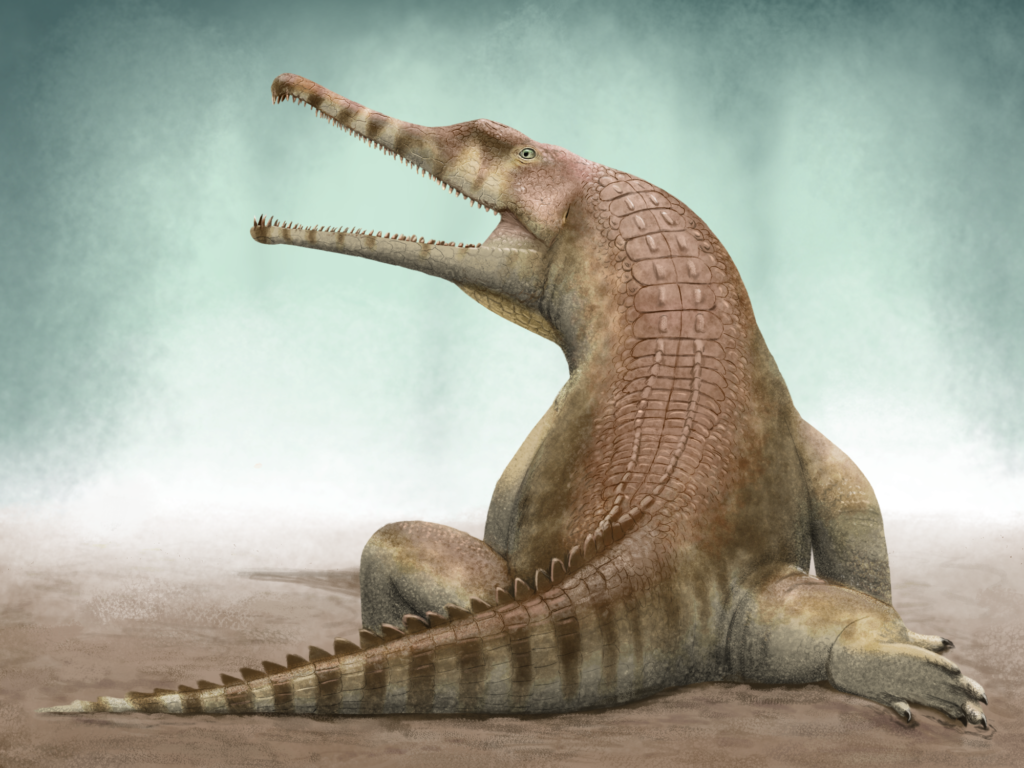
Illustration of a large prehistoric crocodile sitting upright on sandy ground, mouth open. The skin is textured with scales, and the atmosphere is misty.

The Prehistoric Crocodile With Legs Like a T-Rex

In the annals of prehistoric creatures, few animals challenge our understanding of evolution as dramatically as Batrachopus grandis—the ancient crocodile that walked on legs resembling those of a Tyrannosaurus rex. Unlike modern crocodiles that sprawl with limbs extending sideways from their bodies, this remarkable reptile stood tall with its legs positioned directly beneath its body, ...