Articles for author: Awais Khan

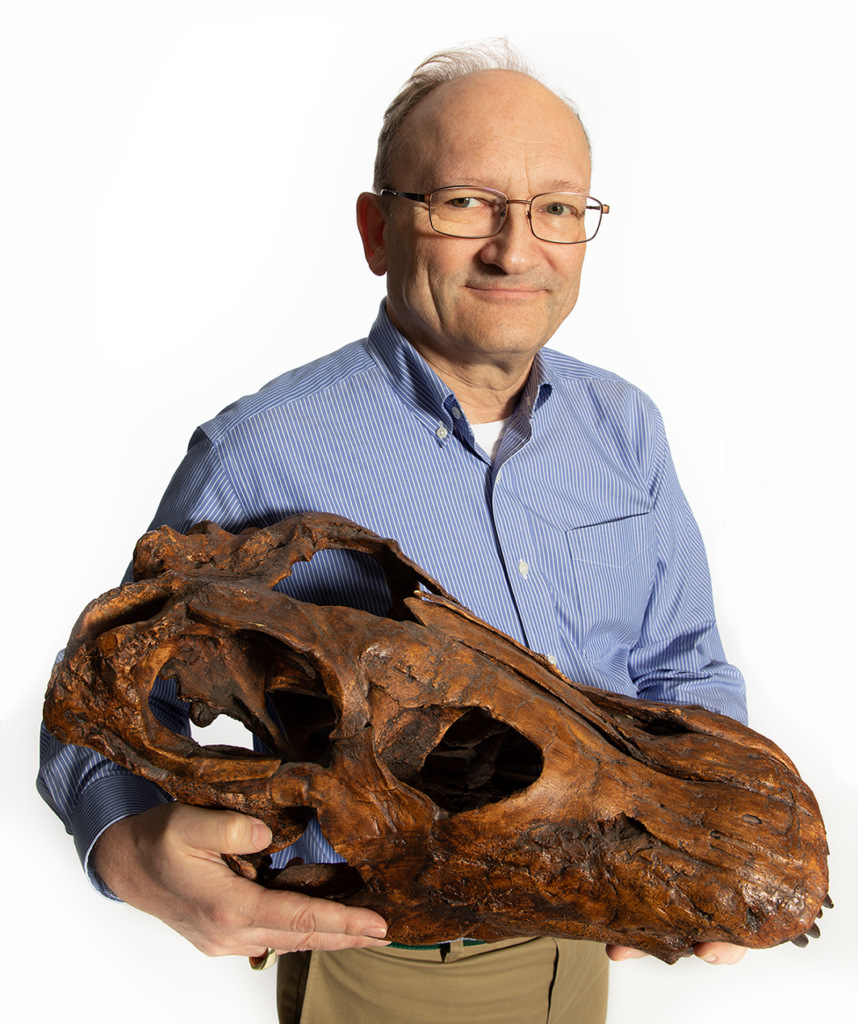
Dr. Hans Dieter Sues

Dr. Hans-Dieter Sues and the Forgotten Dinosaurs of the Early Mesozoic

The early days of dinosaur evolution remain one of paleontology’s most fascinating yet understudied chapters. While Jurassic and Cretaceous giants like Tyrannosaurus rex and Brachiosaurus have captured public imagination for generations, their evolutionary precursors from the dawn of the Mesozoic Era have often been overlooked. Dr. Hans-Dieter Sues, a distinguished paleontologist and Senior Scientist at ...

A lifelike dinosaur statue, resembling a Tyrannosaurus rex, stands in a lush, green forest. It has an open mouth displaying sharp teeth, conveying a fierce expression.

Did Gigantic Size Help or Hinder Dinosaur Survival?

For over 160 million years, dinosaurs dominated Earth’s terrestrial ecosystems, evolving into a remarkable diversity of forms. Among their most striking characteristics was the tremendous size many species achieved—from the 85-foot Brachiosaurus to the 40-foot Tyrannosaurus rex. These dimensions far exceed those of most modern land animals, raising fascinating questions about how size influenced dinosaur ...

The Great Pangaean Desert

The Supercontinent Pangaea: Why It Mattered to Dinosaurs

In the vast timeline of Earth’s history, few geological features have played as significant a role in shaping life as Pangaea, the supercontinent that once dominated our planet. This massive landmass, existing approximately 335 to 175 million years ago, created the stage upon which dinosaurs would evolve, thrive, and diversify. Pangaea’s existence fundamentally shaped dinosaur ...

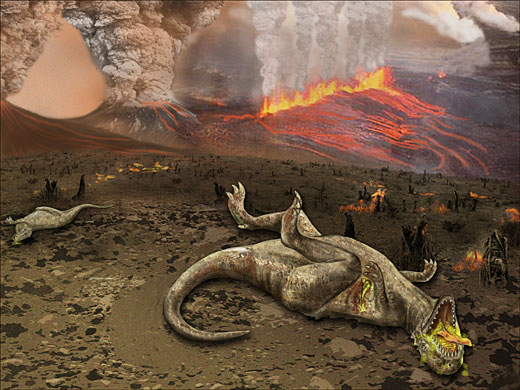
Deccan Traps volcano

How the End of the Dinosaurs Opened the Door for Modern Mammals

The catastrophic event that ended the reign of dinosaurs approximately 66 million years ago represents one of the most pivotal turning points in Earth’s biological history. When a massive asteroid struck the Yucatán Peninsula, it triggered a chain of environmental disasters that wiped out approximately 75% of all species, including the non-avian dinosaurs that had ...

Massive mosasaurs and plesiosaurs needed huge amounts of food to survive.

Meet the Giant Predators of the Late Cretaceous Seas

The Late Cretaceous period, spanning from approximately 100 to 66 million years ago, witnessed Earth’s oceans teeming with some of the most formidable marine predators to ever exist. As dinosaurs dominated the land, equally impressive giants ruled the prehistoric seas. These ancient marine hunters evolved remarkable adaptations that made them perfectly suited for their aquatic ...

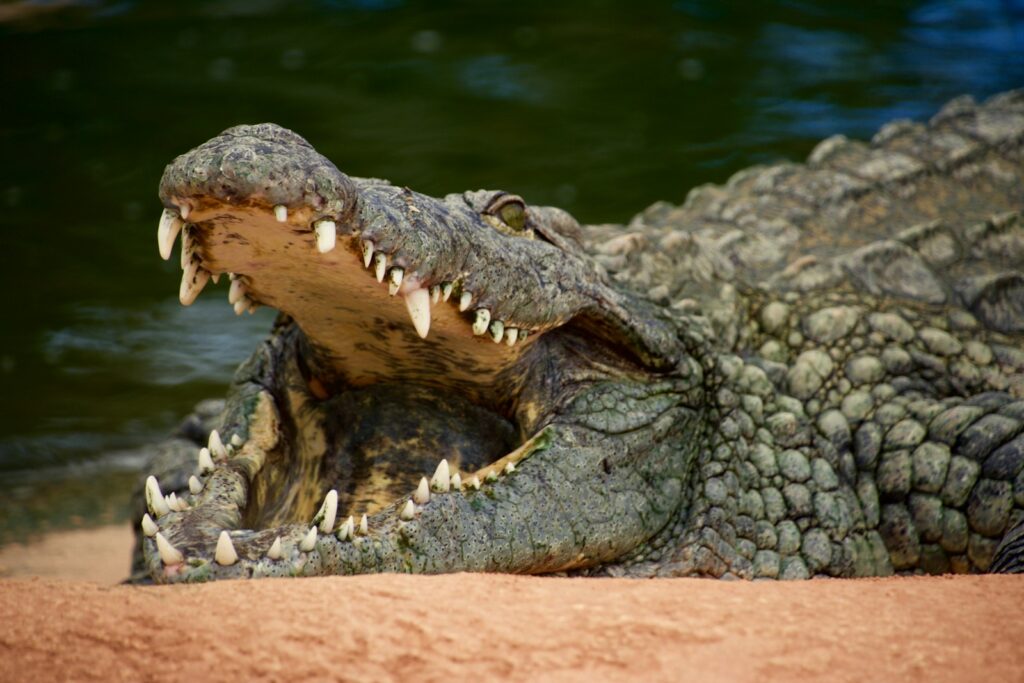
crocodile on body of water during daytime

Crocodiles vs. Dinosaurs: How One Lineage Survived and the Other Didn’t

Approximately 66 million years ago, a catastrophic event reshaped Earth’s biological landscape forever. The Cretaceous-Paleogene extinction event wiped out approximately 75% of all species, including the non-avian dinosaurs that had dominated terrestrial ecosystems for over 160 million years. Yet remarkably, crocodilians—the group including crocodiles and alligators—survived this mass extinction and continue to thrive today, virtually ...

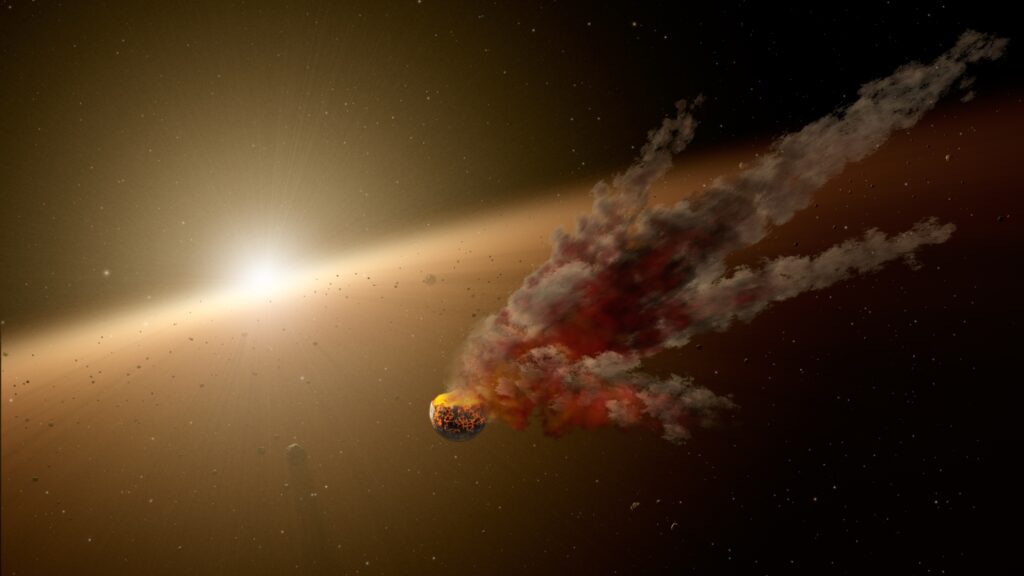
A rocky asteroid burns with fiery debris trailing behind, set against a glowing sun and a dark star-filled space. The scene conveys chaos and intensity.

The Two Asteroid Theory: Was Earth Hit Twice in the Age of Dinosaurs?

The extinction of dinosaurs represents one of Earth’s most profound ecological transitions, transforming the planet’s biodiversity and paving the way for mammalian dominance. For decades, scientists attributed this mass extinction to a single asteroid impact at Chicxulub, Mexico. However, emerging research suggests a more complex scenario – the possibility that Earth experienced not one, but ...

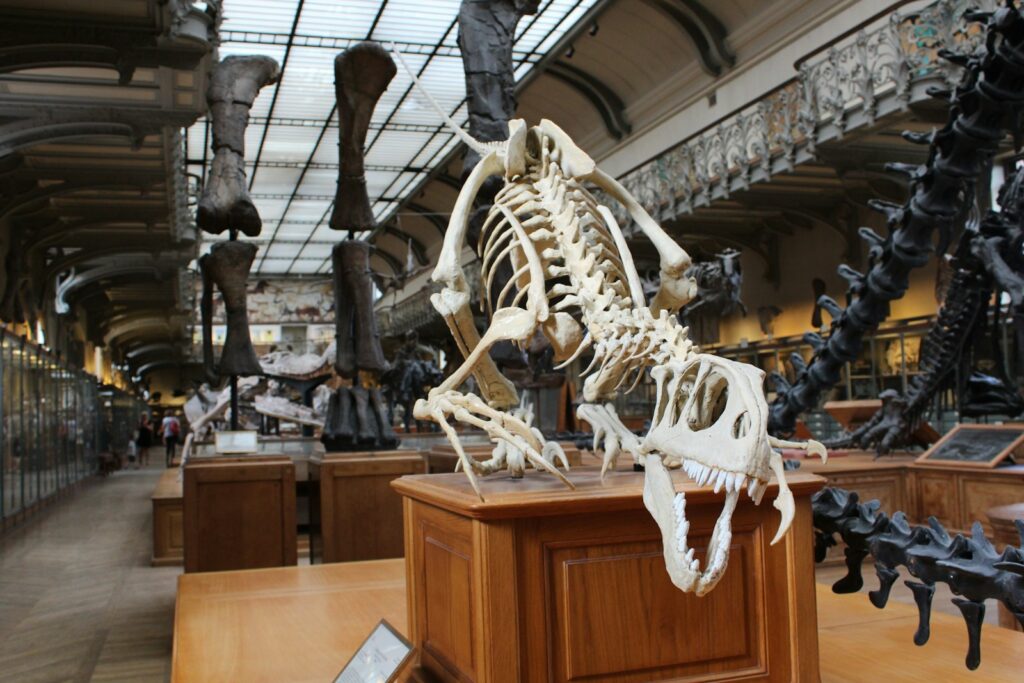
Dinosaur skeletons in a museum exhibit, featuring a prominent T. rex skull with jaws open. The setting is spacious with high ceilings and wooden displays.

When Museums Buy Stolen Fossils: Who’s Responsible?

The discovery of a significant fossil, whether it’s a T. rex skull or an ancient hominid, represents a crucial piece of our planet’s history. However, the journey these specimens take from ground to museum display often travels through murky ethical waters. When prestigious institutions purchase fossils with questionable provenance, it raises profound questions about accountability, ...

The transition from a lush, forested Antarctica to the ice-covered continent we know today didn’t happen overnight but occurred through a series of climate shifts spanning millions of years.

What Ice-Free Poles Meant for Dinosaur Migration

The ice-free polar regions of the Mesozoic Era present a fascinating geological and paleontological context that fundamentally shaped dinosaur evolution and migration patterns. Unlike today’s frozen Arctic and Antarctic landscapes, the poles during the dinosaur age were remarkably warm, hospitable environments that supported diverse ecosystems. This absence of polar ice caps created unique opportunities for ...

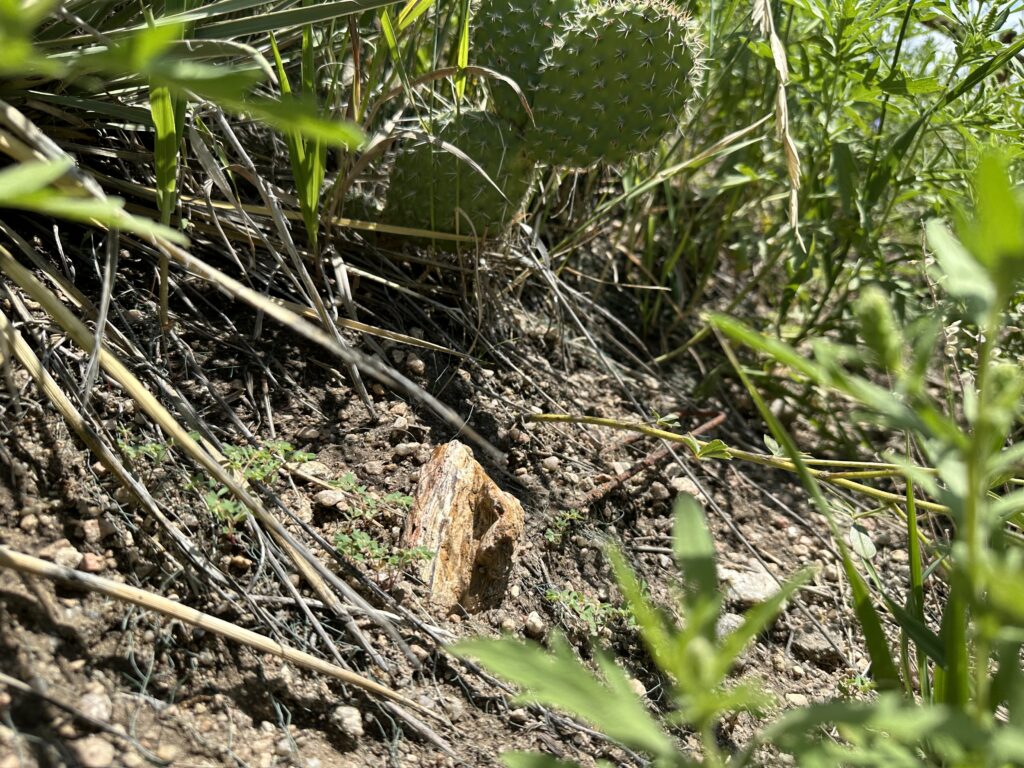
Close-up of a dry, rocky terrain with a small cactus and sprouting grass. Sunlight highlights the textures, creating a calm, arid atmosphere.

What Fossilized Forests Tell Us About Earth’s Deep Past

Ancient trees, preserved in stone, offer us windows into worlds long vanished. Fossilized forests—sometimes called petrified forests—stand as some of our most dramatic connections to Earth’s distant past. These remarkable geological treasures preserve not just individual trees but entire ecosystems frozen in time. By studying these stone forests, scientists can reconstruct ancient environments, track climate ...