Articles for author: Awais Khan

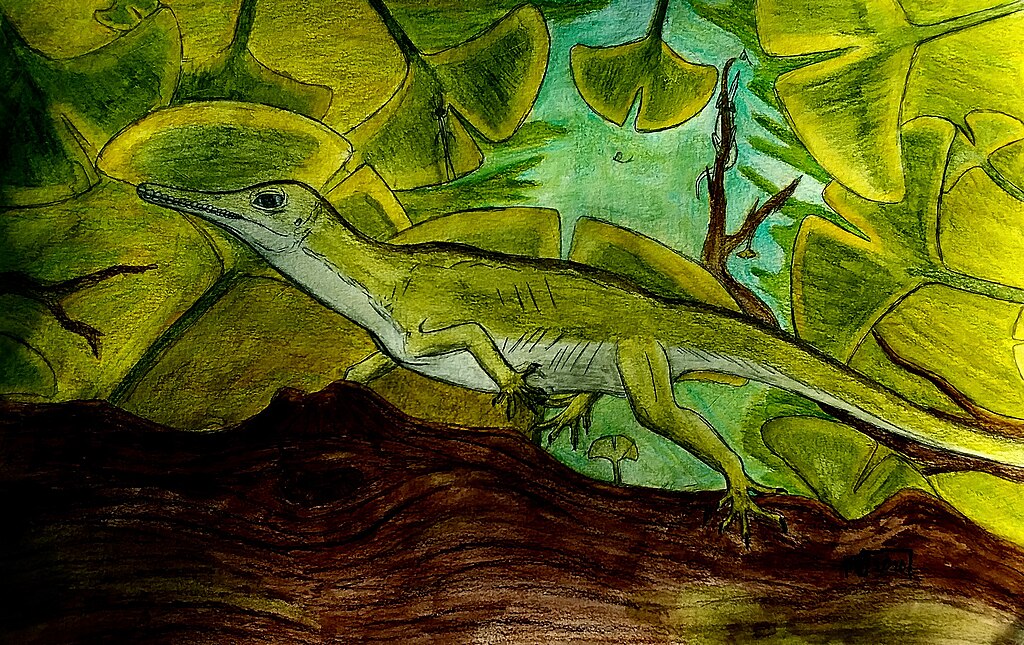
Oculudentavis khaungraae

Oculudentavis: The Hummingbird-Sized Dinosaur That Shook Paleontology

In 2020, the paleontological world was stunned by an announcement that seemed to rewrite our understanding of dinosaur evolution and miniaturization. A tiny skull, preserved in 99-million-year-old amber from Myanmar, was described as belonging to Oculudentavis khaungraae—a creature so small it was compared to modern hummingbirds. This discovery appeared to represent the smallest dinosaur ever ...

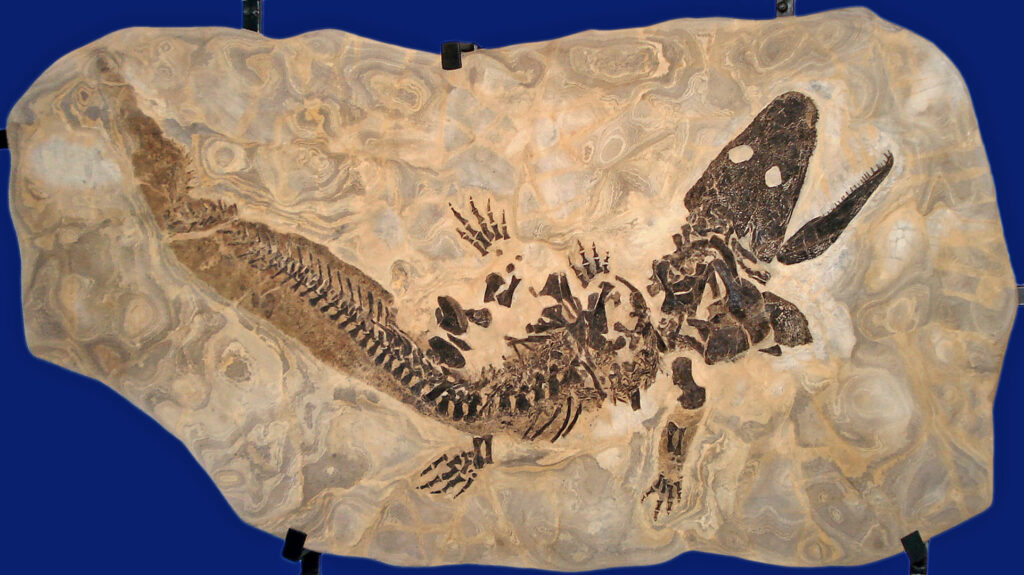
Fossil of a reptile with a long tail, visible ribcage, and open jaw embedded in a textured beige stone. The background is a solid blue.

Jurassic Secrets of Southern Germany: Inside Stuttgart’s Fossil Halls

Nestled in the heart of Baden-Württemberg, Stuttgart’s State Museum of Natural History houses one of Europe’s most impressive paleontological collections. This treasure trove of prehistoric wonders offers visitors a remarkable journey through time, with particular emphasis on the rich fossil deposits of southern Germany’s Jurassic formations. The museum’s fossil halls showcase extraordinary specimens that have ...

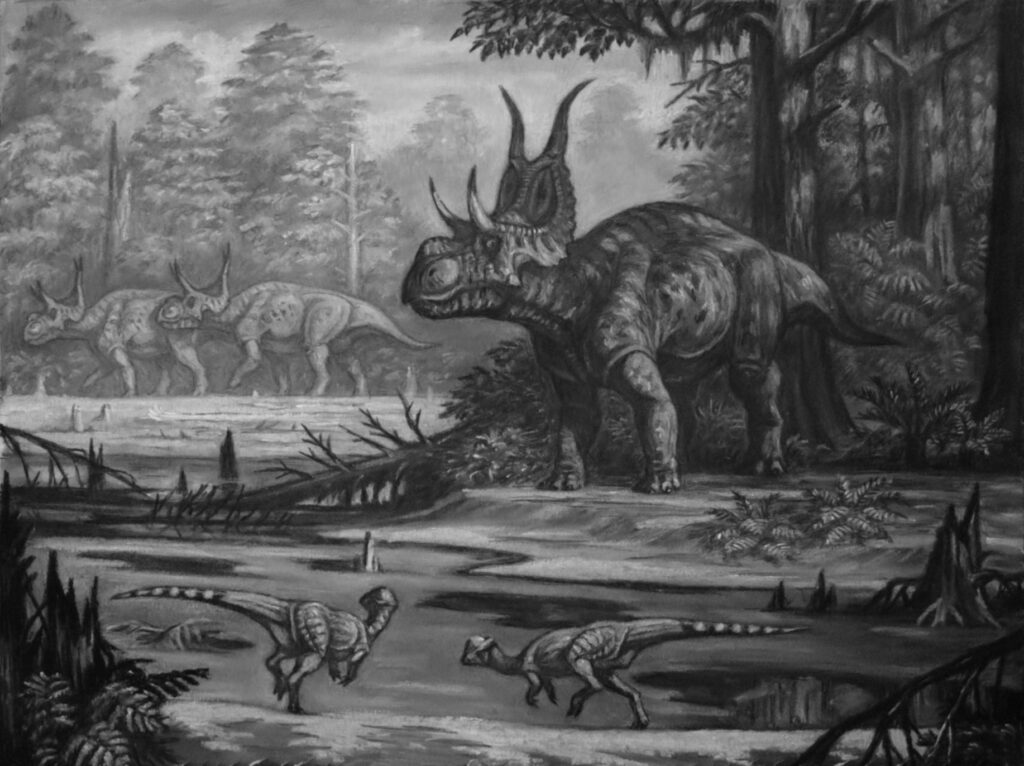
Black-and-white illustration of a prehistoric forest scene with horned dinosaurs and small bipedal creatures near a water basin, exuding a tranquil, ancient ambiance.

Diabloceratops: The Devil-Horned Dinosaur From the American Southwest

The ancient landscapes of North America once trembled under the footsteps of countless dinosaur species, each with unique adaptations that have fascinated paleontologists for generations. Among these prehistoric creatures, few capture the imagination quite like Diabloceratops, a ceratopsian dinosaur whose name translates to “devil-horned face.” Discovered relatively recently in the sun-baked terrain of southern Utah, ...

A monochrome photo of a life-sized T. rex model with an open mouth, sharp teeth visible. It stands near large tent canopies under a partly cloudy sky.

The Rise of Hyper-Realistic Dinosaur Models

When we think of dinosaurs, our minds often conjure images from movies like Jurassic Park or illustrations in children’s books. However, in recent years, there has been a remarkable evolution in how these prehistoric creatures are represented. Hyper-realistic dinosaur models have emerged as a revolutionary way to bring these extinct animals back to life, combining ...

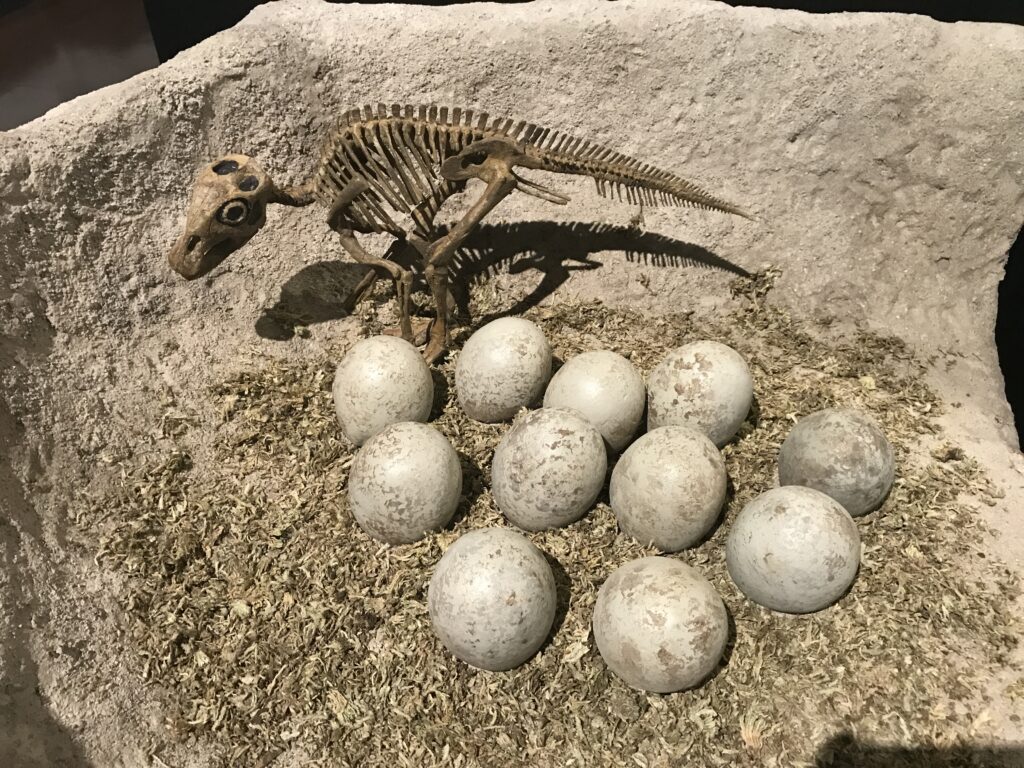
A dinosaur skeleton stands next to a nest

How Dinosaurs May Have Cared for Their Young

For over 165 million years, dinosaurs dominated Earth’s landscapes, yet only recently have we begun to understand the complex parental behaviors these remarkable creatures may have exhibited. Far from the cold, reptilian abandonment once imagined, evidence increasingly suggests many dinosaur species were devoted parents that provided extensive care for their offspring. From nest-building to food ...

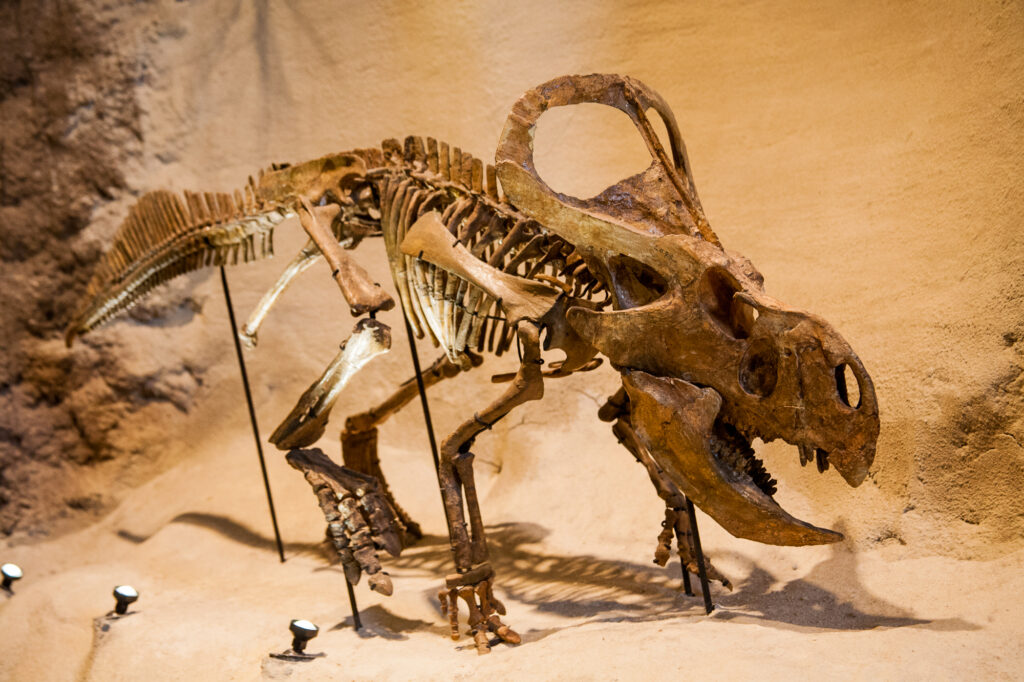
Dinosaur skeleton on display against a textured brown wall. The fossil is supported by metal stands and highlighted by small spotlights, conveying a sense of ancient history.

The Discovery of Dinosaurs and the Evolution Debate

The unearthing of mysterious bones that would eventually be identified as dinosaur remains has dramatically shaped our understanding of Earth’s biological history. These discoveries not only revolutionized paleontology but also sparked intense debates about the origin and development of life on our planet. As scientists pieced together evidence of creatures that roamed the Earth millions ...

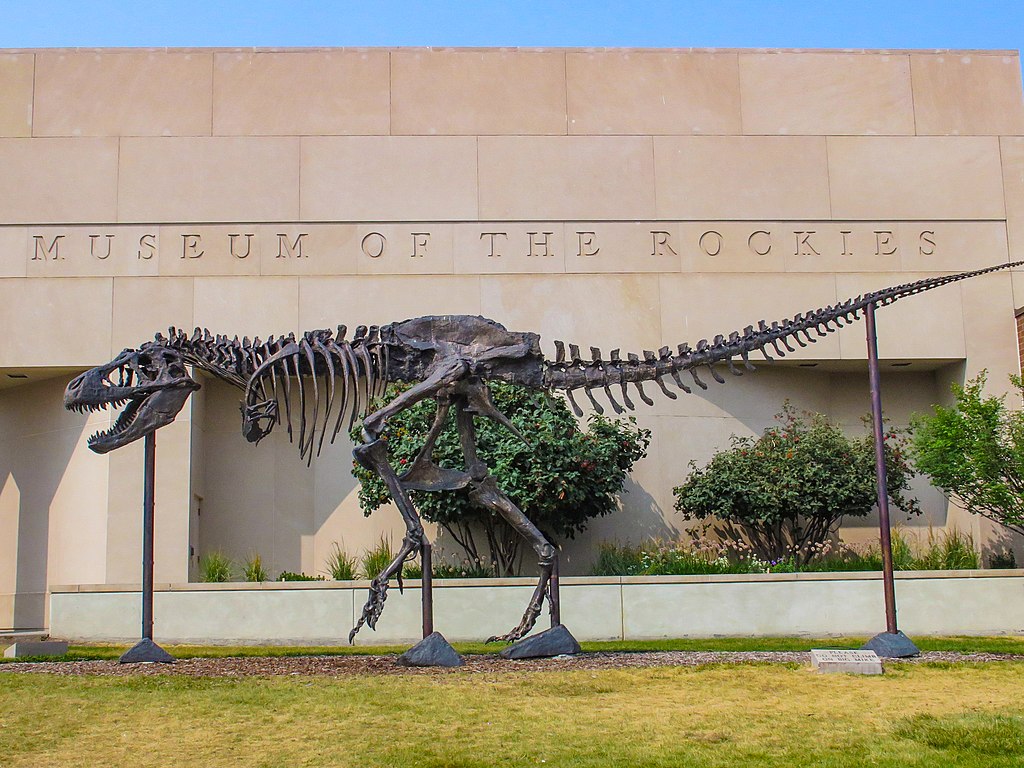
Museum Of The Rockies Montana

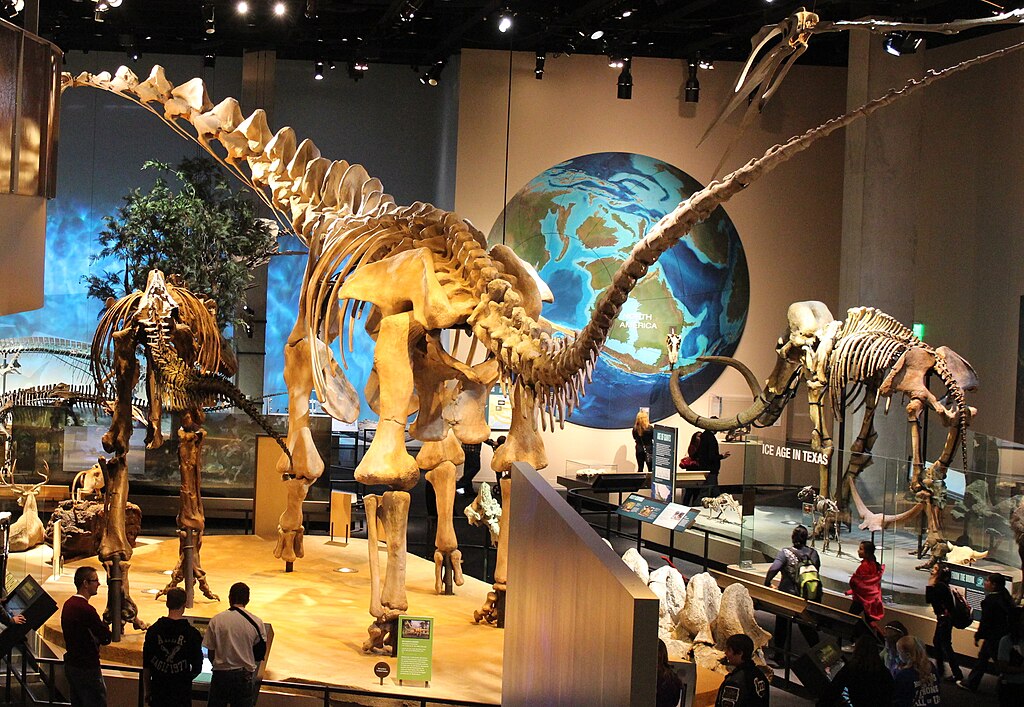
What We’ve Learned From the Buried Dinosaurs of Texas

The rugged landscape of Texas conceals remarkable prehistoric treasures beneath its surface. While many associate dinosaur discoveries with Montana, Wyoming, or Utah, Texas has quietly emerged as a significant contributor to our understanding of prehistoric life. From massive sauropods that once thundered across ancient coastal plains to fierce predators that dominated Cretaceous ecosystems, Texas’s fossil ...

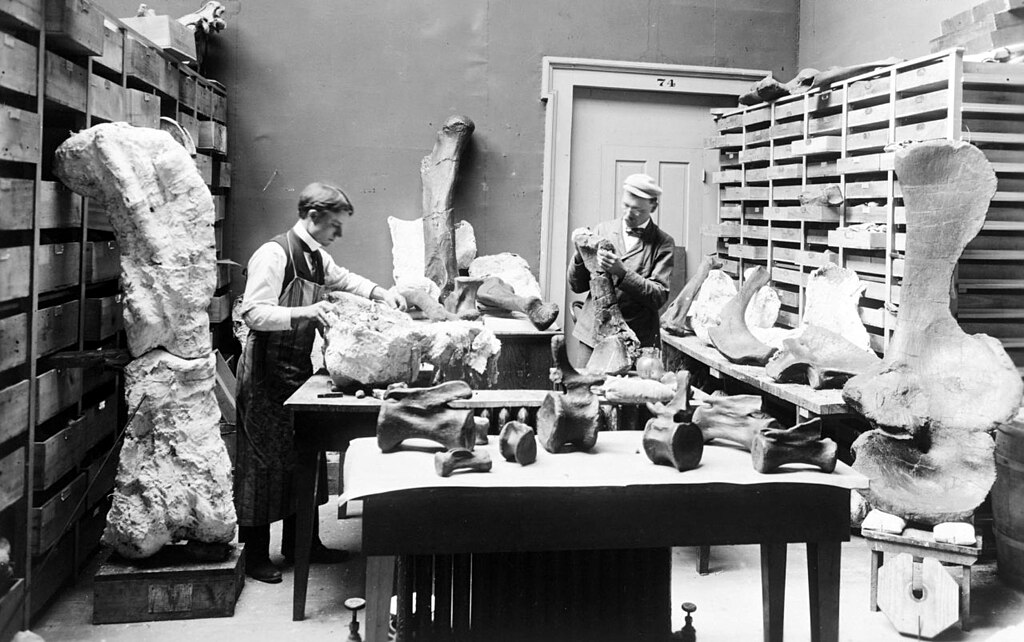
Elmer Riggs, the first curator of Fossil Mammals wearing cap and field laboratory assistant Harold W. Menke preparing Grand Junction Colorado fossils including the Brachiosaurus altithorax femur still in plaster jacket at left, Paleontology Laboratory, Field Columbian Museum, Geology specimen, December 1, 1894.

Early Fossil Labs: Where Dinosaur Bones Were Studied Before Microscopes

Long before electron microscopes and CT scanners revolutionized paleontology, scientists worked in rudimentary settings to unlock the mysteries of prehistoric life. The earliest fossil laboratories were far from the sophisticated facilities we know today, yet they laid crucial groundwork for our understanding of dinosaurs and other ancient creatures. These pioneering spaces represented the first systematic ...