Articles for author: Mitul Biswas

open book lot

10 Stunning Dinosaur Articles That Got It Right And the Writers Behind Them

The world of paleontology moves quickly, with new discoveries constantly reshaping our understanding of prehistoric life. While dinosaur science often struggles with accurate representation in popular media, certain journalists and science writers have produced exceptional work that balances scientific accuracy with engaging storytelling. These writers not only get the facts right but also capture the ...
Revolution of Early Bird Fossils

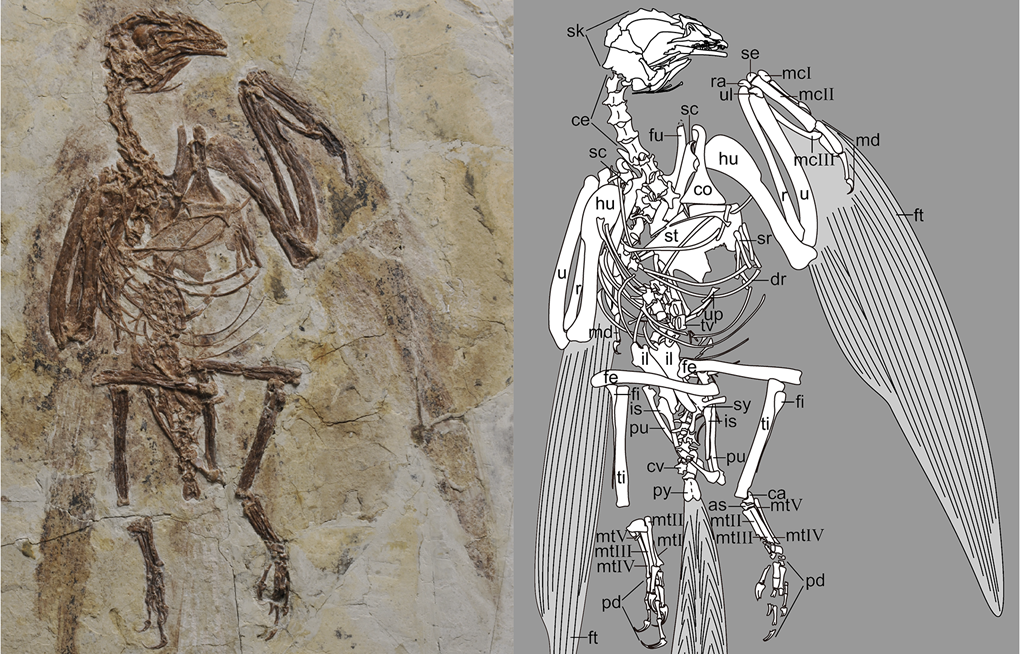
Dr. Jingmai O’Connor and the Revolution of Early Bird Fossils

In the realm of paleontology, few scientists have made as significant an impact on our understanding of avian evolution as Dr. Jingmai O’Connor. A pioneering paleontologist specializing in Mesozoic birds, O’Connor has revolutionized our knowledge of early bird evolution through her groundbreaking work with exceptionally preserved fossils from China’s Jehol Biota. Her research has fundamentally ...

The Rise of Dinosaur Commerce

Should Fossils Be in Museums or on Auction Blocks

The discovery of a Tyrannosaurus rex skeleton named “Stan” made headlines in 2020 when it sold for a record-breaking $31.8 million at auction, igniting intense debate within the scientific community and beyond. This astronomical price tag highlighted a growing tension between private fossil collectors and public institutions like museums. The question of whether ancient remains ...

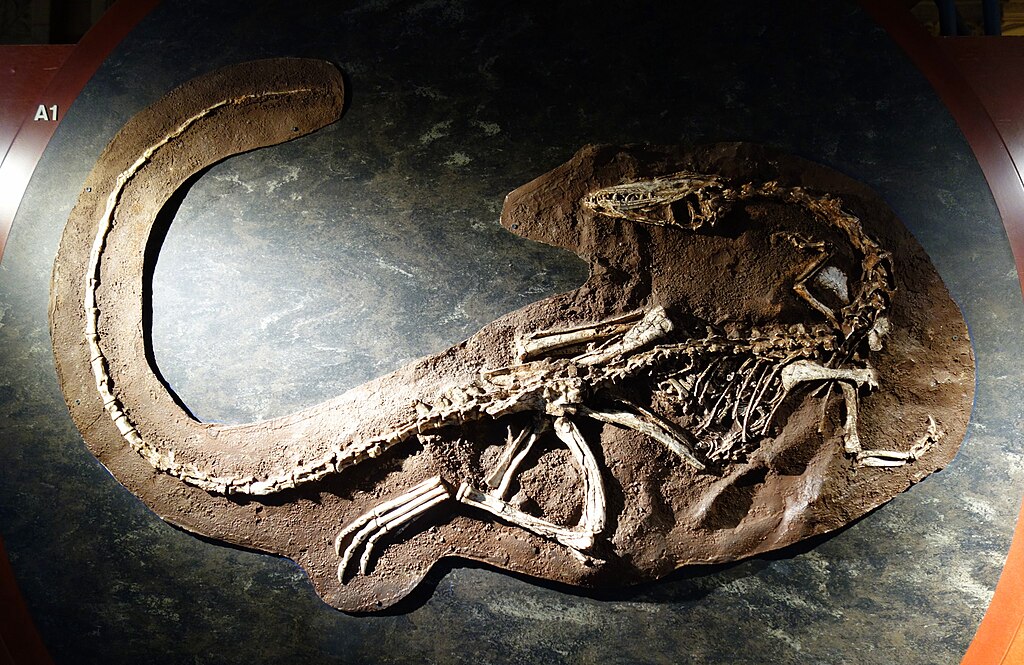
Coelophysis bouri cast, USA New Mexico, Ghost Ranch

8 Journalists Who Make Fossil Science Come Alive for the Public

Paleontology, the study of prehistoric life through fossils, can seem distant and inaccessible to many. Yet a dedicated group of science journalists has mastered the art of translating complex fossil discoveries into compelling narratives that capture the public imagination. These skilled communicators bridge the gap between laboratory findings and public understanding, transforming ancient bones into ...

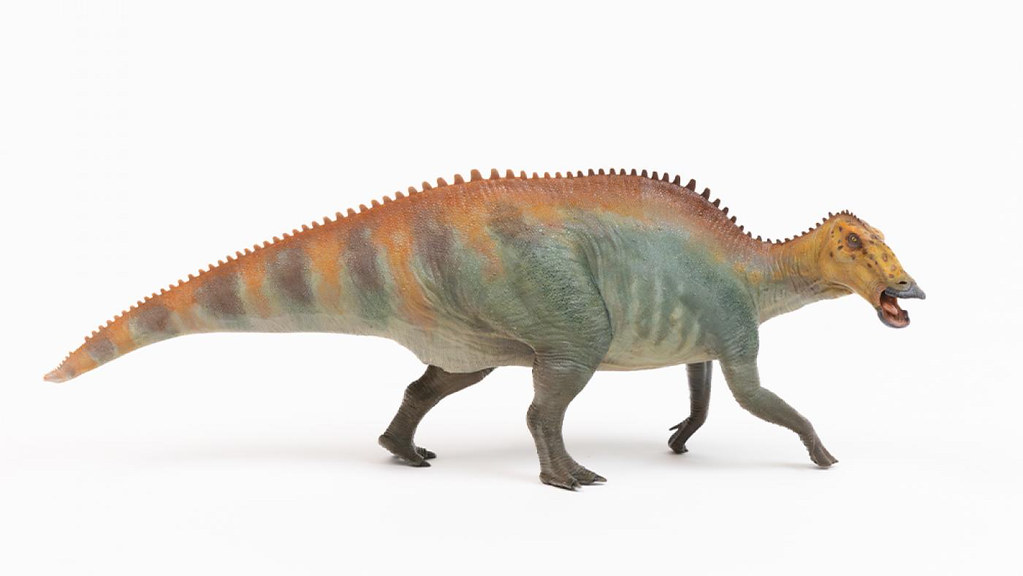
Reconstructions of the environments where North American hadrosaurs lived during the Cretaceous

Did Dinosaurs and Humans Ever Coexist? (No, But Let’s Explore Why People Think So)

The question of whether dinosaurs and humans walked the Earth together has captivated imaginations for generations. From popular culture depictions like “The Flintstones” to religious interpretations of creation, the idea persists despite overwhelming scientific evidence to the contrary. While paleontologists and geologists have conclusively demonstrated that dinosaurs went extinct about 65 million years before humans ...

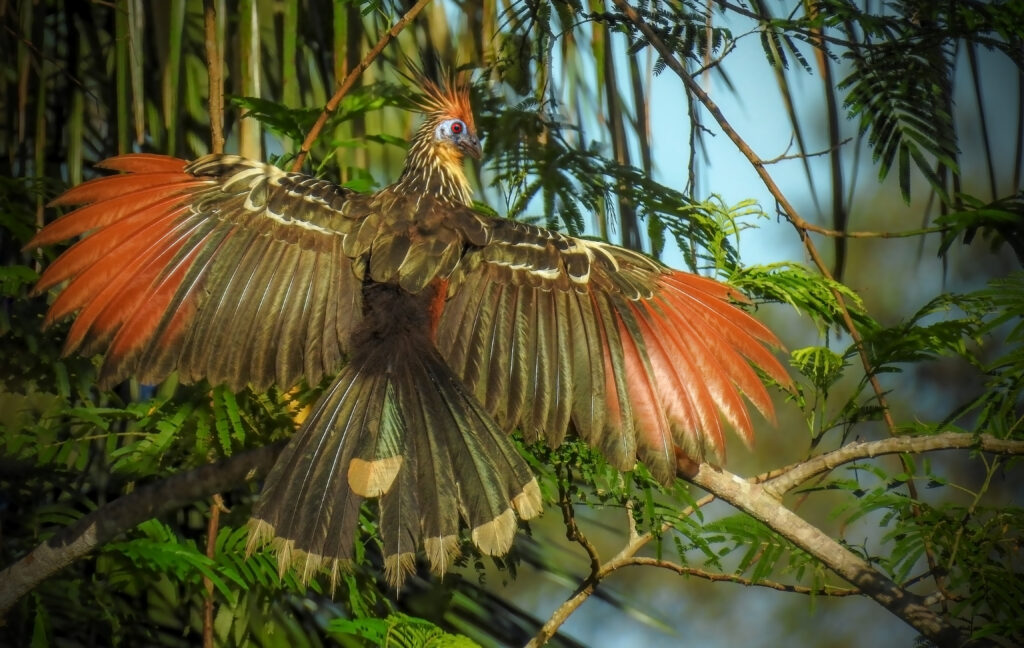
Elaborate bird perched on branch, displaying vibrant orange and brown feathers. Surrounded by green foliage, sunlight enhances its striking plumage.

How Ancient Flightless Birds Took Over After the Dinosaurs Fell

When the Chicxulub asteroid struck Earth 66 million years ago, it dramatically altered the course of evolutionary history. The catastrophic impact eliminated roughly 75% of all species, including the non-avian dinosaurs that had dominated terrestrial ecosystems for over 160 million years. From the ashes of this mass extinction emerged unexpected survivors—birds, the only living dinosaur ...

Euparkeria NT small

Why Dinosaurs Weren’t All Huge and Terrifying

When we hear the word “dinosaur,” many of us immediately picture massive, roaring creatures with razor-sharp teeth and thunderous footsteps that shook the ground. Popular culture, from movies like Jurassic Park to children’s books, has reinforced this image of dinosaurs as uniformly gigantic and frightening. However, paleontological evidence tells a far more nuanced and fascinating ...

Illustration of a Pterosaur perched on a rocky terrain. It features long wings, a pointed beak, and is set against a rugged, stone background.

The Evolution of Bird Beaks From Raptors to Parakeets

Bird beaks, also known as bills, represent one of nature’s most remarkable examples of adaptive evolution. These specialized structures have diversified into an astonishing array of shapes and sizes, each finely tuned to a specific ecological niche. From the powerful curved beaks of eagles capable of tearing flesh to the delicate curved bills of hummingbirds ...