Articles for author: Mitul Biswas

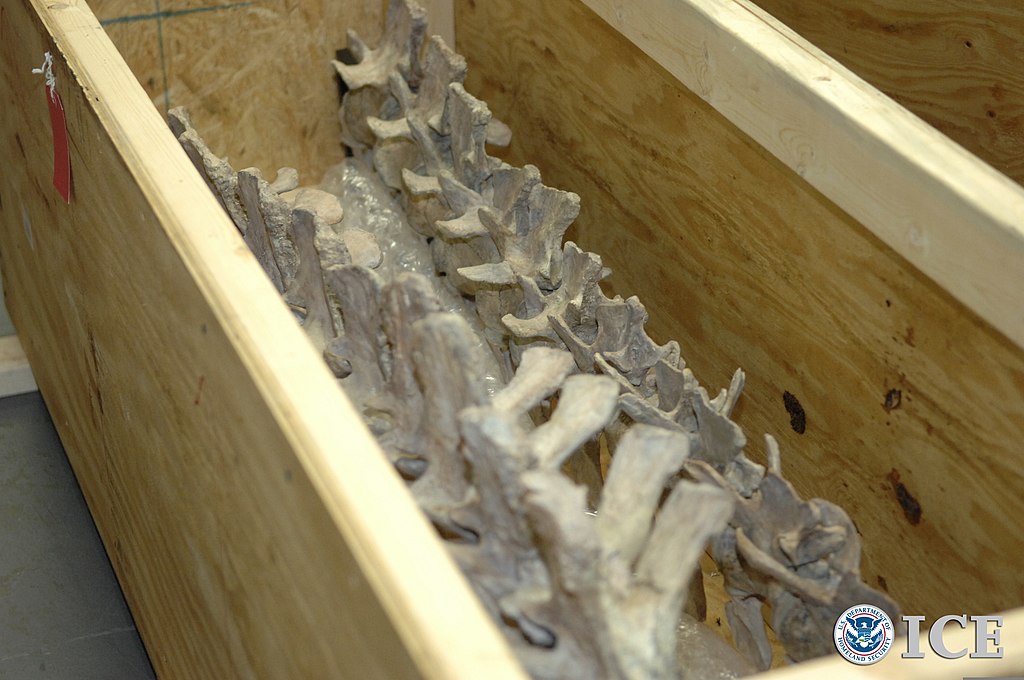
U.S. Immigration and Customs Enforcement (ICE) officials return a Tarbosaurus bataar skeleton to the government of Mongolia

The Perfect Conditions for Fossilization (and Why They’re So Rare)

Most living things decompose without a trace after death, yet fossilization—nature’s exceptional preservation process—offers us windows into Earth’s distant past. From dinosaur bones to delicate leaf impressions, fossils form our understanding of prehistoric life. But why do some organisms become fossilized while countless others vanish completely? The answer lies in a rare confluence of events ...
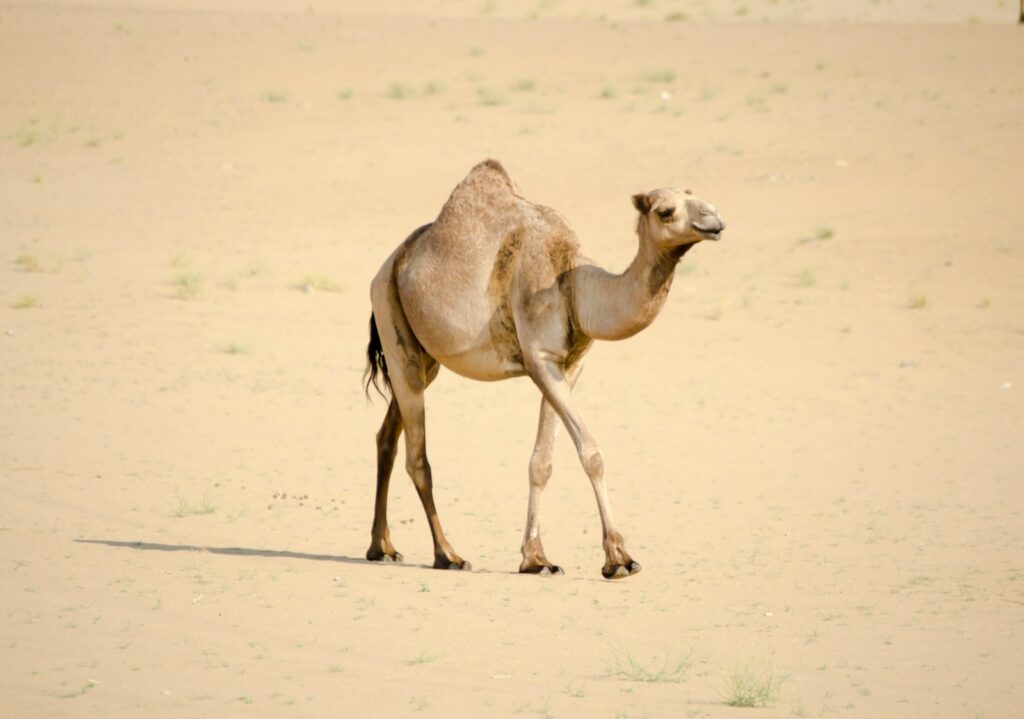
These Prehistoric Camels Once Roamed the Arctic

These Prehistoric Camels Once Roamed the Arctic

When we think of camels today, we typically envision them traversing hot, arid deserts in Africa and the Middle East. However, paleontological evidence tells a fascinating story that challenges this common perception. Long before modern camels adapted to desert environments, their ancient ancestors thrived in the frigid Arctic regions of North America. These prehistoric Arctic ...

Mountains That Once Housed Dinosaurs

The Slow Birth of Mountains That Once Housed Dinosaurs

Mountains stand as Earth’s most majestic monuments, rising dramatically from the landscape as if they’ve always been there. Yet the formation of these colossal structures occurs through incredibly slow geological processes spanning millions of years—processes that were actively shaping our planet’s surface during the age of dinosaurs. From the Rockies to the Himalayas, many of ...

A reddish-brown crayfish fossil, facing right, on tan stone

Why Some Fossil Sites Are Called “Lagerstätten” and Why They Matter

Fossil-rich sites are scattered across the globe, but only a select few earn the coveted designation of “Lagerstätten.” These extraordinary fossil deposits offer scientists a rare glimpse into ancient ecosystems with exceptional preservation and completeness that standard fossil sites simply cannot match. The term “Lagerstätten” (singular: Lagerstätte) comes from German, combining “Lager” (storage place) and ...

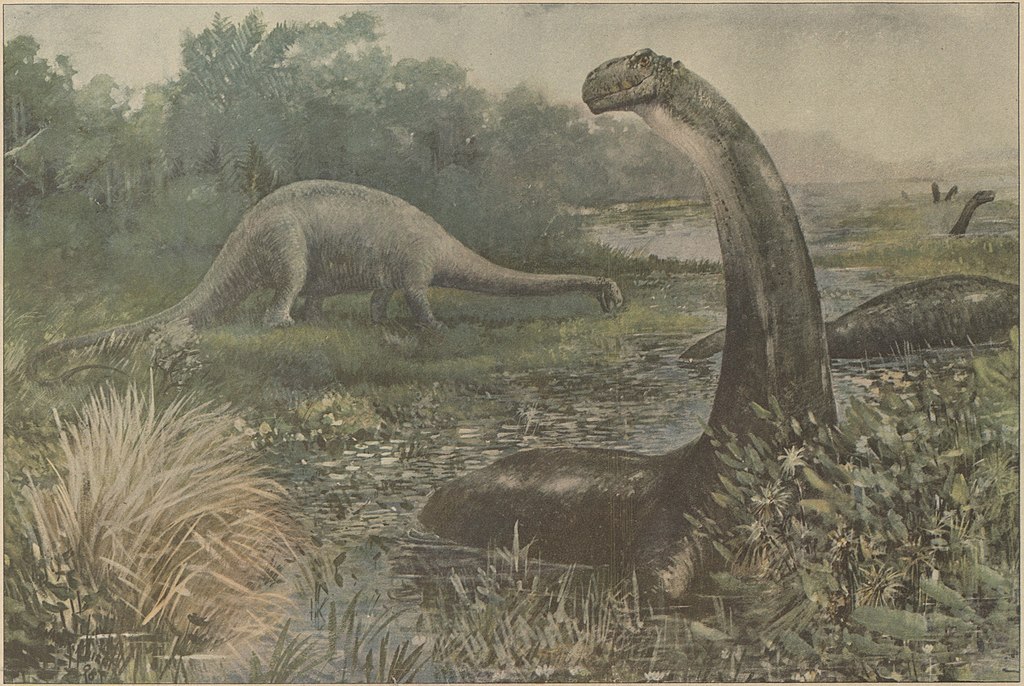
Illustration of the Brontosaurus by Charles R. Knight

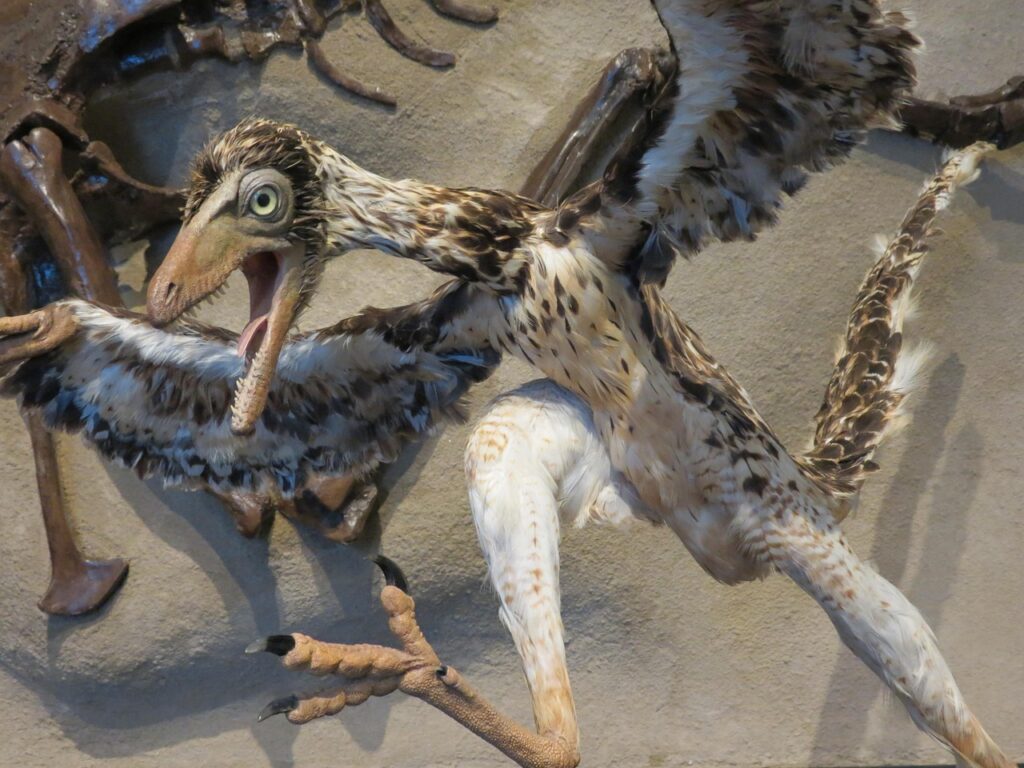
How Fossils Can Fool Us Mistakes and Misinterpretations in Paleontology

Paleontology, the study of prehistoric life forms through fossil examination, has revolutionized our understanding of Earth’s biological history. However, this scientific field is not immune to errors. The very nature of working with incomplete remains millions of years old creates ample opportunity for misinterpretation. Throughout paleontology’s history, scientists have made fascinating mistakes—some small, others monumental—that ...

Conclusion

What Dinosaurs Could Teach Us About Life on a Single Supercontinent

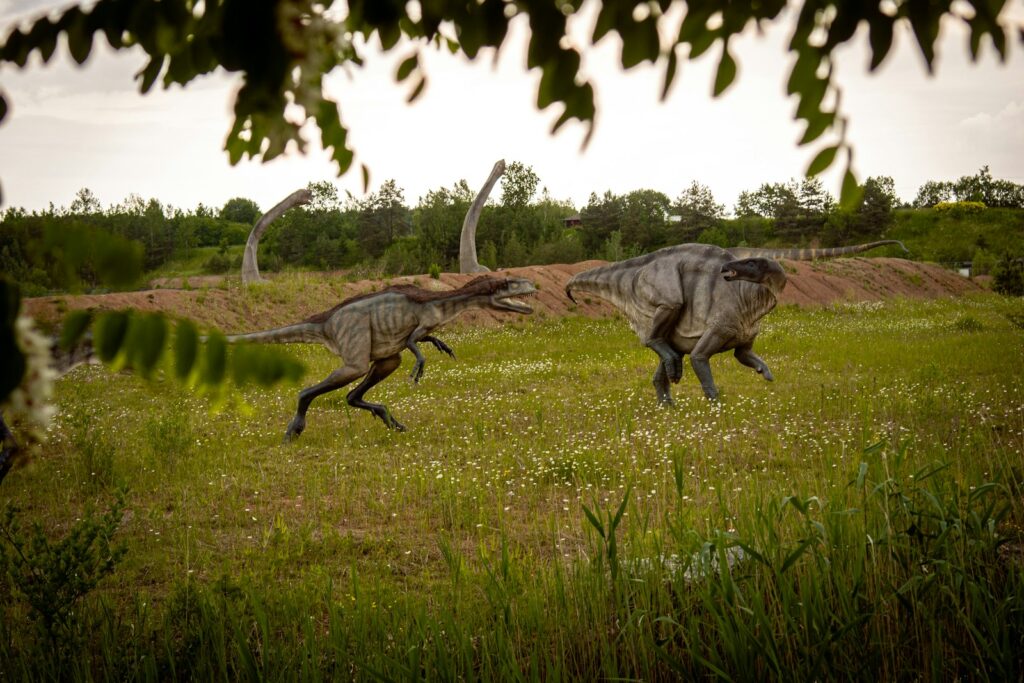
 Picture a world where all the land you know—Asia, Africa, the Americas, Europe, even Antarctica—was fused into one colossal supercontinent called Pangaea. During the Triassic and early Jurassic, dinosaurs roamed this vast, unbroken landscape, sharing habitats with strange reptiles and early mammals. With no oceans dividing them, species spread far and wide, shaping ecosystems unlike ...

Stegosaurus Skeleton

Are We Over Relying on Artistic Reconstructions in Paleontology

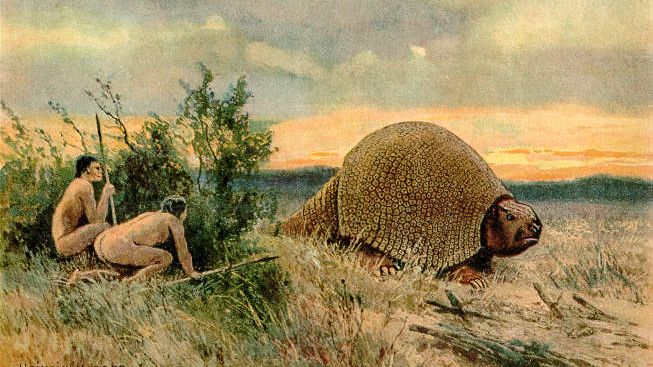
Paleontology, the study of prehistoric life through fossils, has long captivated both scientists and the public alike. However, between the bare bones of scientific evidence and our understanding of ancient creatures lies a vast interpretative space filled by artistic reconstructions. These vivid depictions of prehistoric animals and environments have become integral to how we visualize ...