Articles for author: Mitul Biswas

Sea Creatures

Fossils of Fish Crabs and Sea Creatures Found With Dinosaurs

When we think of prehistoric life, towering dinosaurs often dominate our imagination. However, beneath the ancient waves swam a diverse ecosystem of marine creatures living alongside their terrestrial counterparts. Remarkably, many fossils of fish, crustaceans, and other sea creatures have been discovered in the same geological formations as dinosaur remains. These marine fossils provide a ...

Daspletosaurus Hunting Triceratops

How Paleontologists Know What Dinosaurs Looked Like

Dinosaurs have captured human imagination since the first fossils were identified in the early 19th century. From towering T. rex skeletons in museums to the feathered raptors of Jurassic Park, our vision of these prehistoric creatures has evolved dramatically over time. But how do scientists actually determine what these animals looked like when they roamed ...

Royal Tyrrell Museum of Palaeontology

Hidden Gems Lesser Known Dinosaur Museums Worth Visiting

While famous institutions like the American Museum of Natural History and Chicago’s Field Museum often steal the spotlight in paleontological tourism, numerous smaller dinosaur museums around the world house remarkable collections and offer unique experiences without the overwhelming crowds. These hidden gems provide intimate encounters with prehistoric life, often featuring regional discoveries and specialized exhibits ...

Australian Age of Dinosaurs

Were Any Dinosaurs Nocturnal Hunters

Night-time predation among prehistoric reptiles has fascinated paleontologists for decades. While dinosaurs have traditionally been portrayed as daytime hunters in popular culture, scientific evidence suggests a more complex reality. Recent discoveries and innovative research techniques have begun to shed light on the possibility that some dinosaurs were indeed active during nighttime hours. This article explores ...

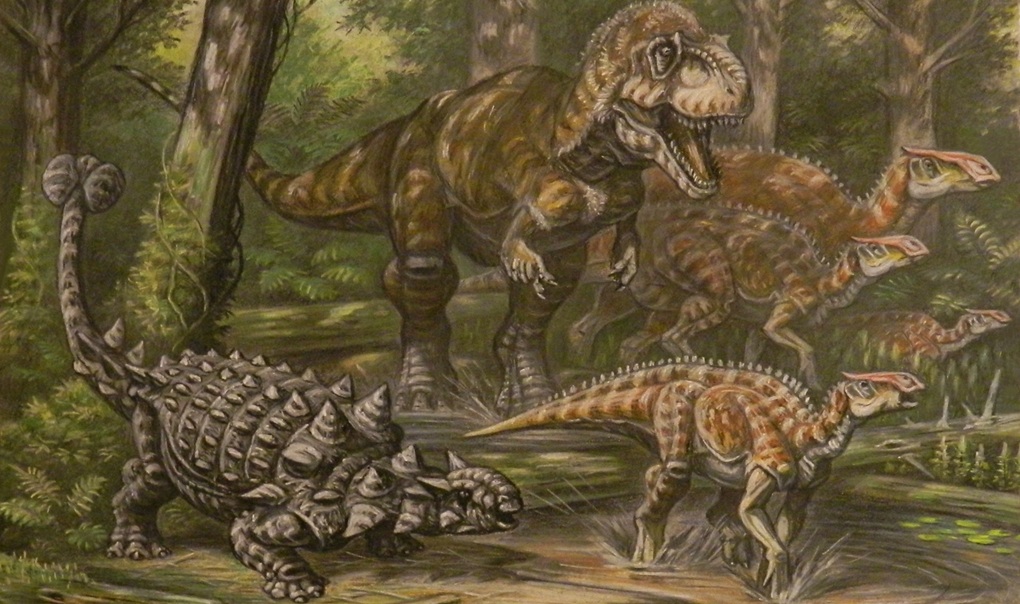
Daspletosaurus hunting

How Dinosaur Discoveries Changed the Way We See Time

The unearthing of massive, otherworldly bones from deep within the Earth’s crust has profoundly altered humanity’s perception of time. Before dinosaur discoveries, our understanding of Earth’s history was limited largely by religious texts and philosophical speculation. The revelation that enormous reptilian creatures once dominated our planet for over 165 million years fundamentally challenged existing frameworks ...

The Spiked Defender of the Late Cretaceous

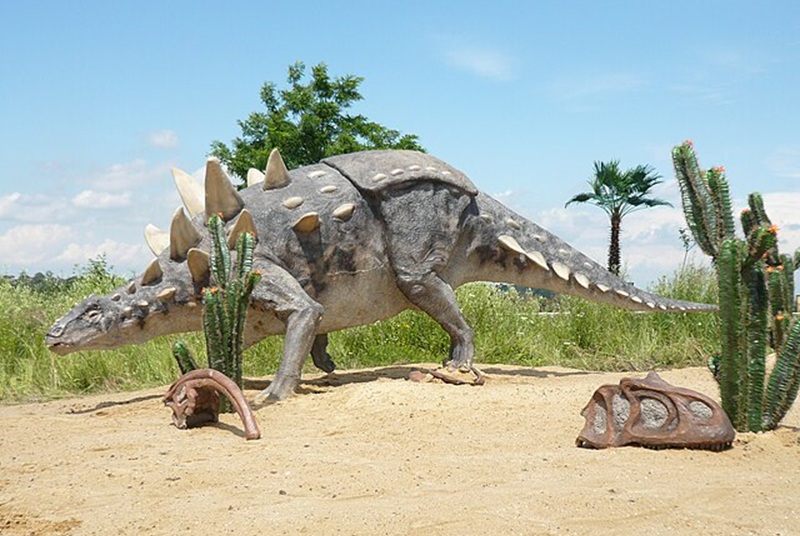
Edmontonia The Spiked Defender of the Late Cretaceous

Edmontonia, a remarkable armored dinosaur from the Late Cretaceous period, roamed the landscapes of what is now North America approximately 76 to 65 million years ago. This formidable herbivore belonged to the nodosaurid family, a group of heavily armored dinosaurs that relied on passive defense rather than active combat. With its distinctive array of spikes, ...

Dinosaurs Have Belly Buttons

Did Dinosaurs Have Belly Buttons

The question of whether dinosaurs had belly buttons takes us on a fascinating journey through paleontology, embryology, and evolutionary biology. While we can observe naval scars on modern animals, including ourselves, the soft tissue structures of dinosaurs rarely fossilize, making this an intriguing scientific mystery. Dinosaurs dominated Earth for over 165 million years, evolving diverse ...

Stegosaurus Use Spikes for Defense

Triceratops vs. Stegosaurus A Clash of Armored Giants

The prehistoric world featured some of the most remarkable creatures ever to walk the Earth, with dinosaurs reigning supreme for over 165 million years. Among these magnificent beasts, few capture our imagination quite like the heavily armored Triceratops and Stegosaurus. Despite never having encountered each other in reality—separated by over 80 million years of evolutionary ...

Dinosaurs Had Hollow Bones

Why Dinosaurs Had Hollow Bones and What That Means

Dinosaurs, those magnificent creatures that ruled Earth for 165 million years, continue to fascinate scientists and the public alike. Among their most remarkable adaptations were their hollow bones—a feature that helped define their success and evolutionary trajectory. This skeletal characteristic, known as pneumaticity, wasn’t just a random evolutionary quirk but a sophisticated adaptation that provided ...

brown mountains

Could Dinosaurs Have Survived in Todays Climate

The extinction of dinosaurs approximately 66 million years ago marked one of the most significant transitions in Earth’s biological history. While the most accepted theory attributes their demise to an asteroid impact, the question of whether dinosaurs could survive in our modern climate presents a fascinating thought experiment. Today’s Earth differs dramatically from the Mesozoic ...